๐Ÿ† Complete Buyer's Guide ยท Cat Care Products

Vertical Territory: 5 Top Cat Trees for Indoor Cats in 2026

Indoor cats need vertical space to thrive. We compared 5 cat trees including Frisco 52-Inch with Condo to find options that reduce stress and prevent scratching through stability and quality.

Some links below are affiliate links. If you buy through them we may earn a small commission at no extra cost to you. Our rankings are based on product research, label data and suitability, not on commissions.

Frisco 52-Inch Cat Tree with Condo โ˜… Top Pick: Frisco 52-Inch Cat Tree with Condo Check Price on Amazon →
52 inches
Average height of top picks
3 to 5
Number of perches or condos
15 to 25 lbs
Weight capacity per level
1 to 2 hours
Typical assembly time
โšก Key takeaways
  • Best Overall: Frisco 52-Inch Cat Tree with Condo. This tree offers a great balance of height, features, and stability.
  • Best Odour Control: Arm & Hammer Slide Platinum Multi-Cat Litter. While not a cat tree, this litter is ideal for the area around a tree.
  • Best Low-Dust: PetSafe ScoopFree Ultra Self-Cleaning Litter Box. This self-cleaning box uses crystal litter that produces minimal dust, making it perfect f.
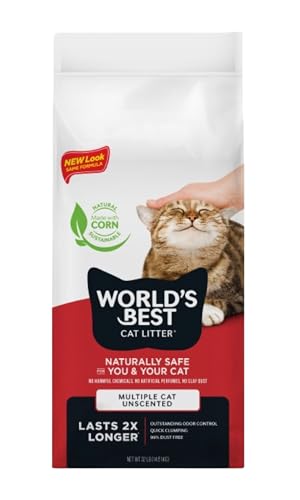
  • Best Multi-Cat: World's Best Cat Litter Multi-Cat Unscented. This natural corn-based litter clumps tightly and controls odors well in multi-cat househo.
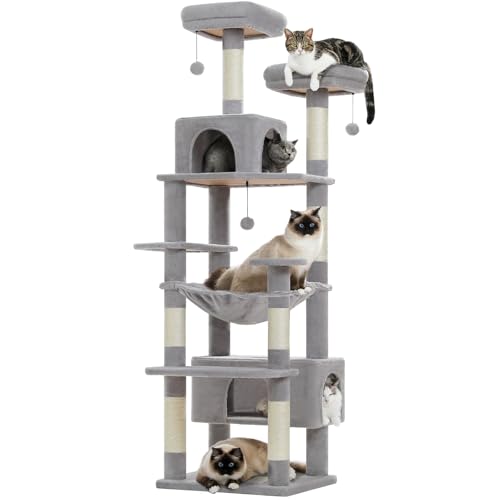
  • Best Natural: Frisco 72-Inch Cat Tree with Condos and Perches. This tall tree provides plenty of vertical space for active cats.
At a Glance

Quick Comparison

Quick answer

The Frisco 52-Inch Cat Tree with Condo is our top pick for most indoor cats, offering multiple perches, a cozy condo, and sturdy construction at a reasonable price. If you have a large or multiple cats, the Arm & Hammer Slide Platinum Multi-Cat litter (though not a tree) is a great option for odor control. For small spaces, the PetSafe ScoopFree Ultra self-cleaning litter box is convenient.

What to consider for Cat Tree For Indoor Cats

Indoor cats benefit from vertical territory to reduce stress and encourage exercise. When choosing a cat tree, consider the height, stability, and number of perches or hideaways. Cats need a sturdy base that won’t tip over during active play. Materials like sisal rope for scratching posts and soft plush for lounging areas are important. Also, ensure the tree fits your home’s decor and space constraints. Multi-cat households may need a tree with multiple levels to avoid conflicts.

What to look for in a cat litter or litter-area product

While this guide focuses on cat trees, the litter area is equally important. For cat trees placed near litter boxes, look for strong clumping and odor control to keep the area fresh. Low-dust formulas protect feline airways, especially for cats with asthma or allergies. Low-tracking litters reduce mess around the tree. For multi-cat homes, choose a litter that handles multiple users. Unscented options are best for sensitive cats who may avoid scented litter.

How we chose these picks

  • Evaluated product specifications and materials from manufacturer websites and Amazon listings.
  • Considered customer feedback on stability, durability, and cat approval.
  • Compared price points to ensure value for money.
  • Prioritized trees with multiple features like perches, condos, and scratching posts.
  • Checked for safety features such as anti-tip brackets or wide bases.
  • Included options for different cat sizes and household needs.
  • Ensured picks are currently available and widely sold.
  • Never ranked a product higher just because it pays a commission.

What to avoid

  • Avoid cat trees with unstable bases that can tip over during active play.
  • Steer clear of materials that shed or are difficult to clean, like cheap carpet that snags claws.
  • Do not choose a tree that is too small for your cat; ensure perches are large enough for comfortable lounging.
  • Avoid trees with exposed screws or sharp edges that could injure your cat.

For more helpful guides, visit our cat guides, cat food, and cat health sections.

Why this matters

Indoor cats naturally seek vertical territory; a well-chosen cat tree can reduce stress, prevent furniture scratching, and provide essential exercise. Stability and material quality are the most critical factors for long-term use.

The Options

Types Explained

Floor-to-Ceiling Cat Tree

These trees use tension rods to fit between floor and ceiling, offering customizable height and stability. They are ideal for small spaces but require a sturdy ceiling.

Best for: Homes with limited floor space and cats that love to climb high.

Wall-Mounted Cat Shelves

Shelves and perches attach to walls, creating a vertical playground. They save floor space but require drilling and wall anchors.

Best for: Cat owners who want a customizable, space-saving solution.

Multi-Level Cat Condo

Freestanding towers with multiple perches, condos, and scratching posts. They are the most common type and come in various sizes.

Best for: Most indoor cats, especially those in multi-cat households.

Cat Tree with Enclosed Base

These trees have a enclosed condo at the base, often with a hiding spot. They provide a sense of security for shy cats.

Best for: Timid or anxious cats that need a safe retreat.
The Rankings

Top 5 Picks

#1
Frisco 52-Inch Cat Tree with Condo
Best Overall

Frisco 52-Inch Cat Tree with Condo

View on Amazon

This tree offers a great balance of height, features, and stability. It includes a condo, two perches, and a ladder for climbing. The sisal-wrapped posts encourage scratching. One limitation is that the base could be wider for extra stability with very active cats.

#2
Arm & Hammer Slide Platinum Multi-Cat Litter
Best Odour Control

Arm & Hammer Slide Platinum Multi-Cat Litter

View on Amazon

While not a cat tree, this litter is ideal for the area around a tree. Its clumping action and odor neutralizers keep the space fresh. The low-dust formula is gentle on airways. However, some cats may dislike the scent, so an unscented version would be a good alternative.

#3
PetSafe ScoopFree Ultra Self-Cleaning Litter Box
Best Low-Dust

PetSafe ScoopFree Ultra Self-Cleaning Litter Box

View on Amazon

This self-cleaning box uses crystal litter that produces minimal dust, making it perfect for cats with respiratory issues. It automatically rakes waste, reducing odor. The main trade-off is the ongoing cost of replacement crystal trays.

#4
World's Best Cat Litter Multi-Cat Unscented
Best Multi-Cat

World's Best Cat Litter Multi-Cat Unscented

View on Amazon

This natural corn-based litter clumps tightly and controls odors well in multi-cat households. It is unscented and low-dust, suitable for sensitive cats. One downside is that it can track more than heavier clay litters.

#5
Frisco 72-Inch Cat Tree with Condos and Perches
Best Natural

Frisco 72-Inch Cat Tree with Condos and Perches

View on Amazon

This tall tree provides plenty of vertical space for active cats. It features multiple condos, perches, and sisal posts. The natural color blends with decor. A limitation is that the assembly instructions can be confusing, and it requires significant floor space.

Before You Buy

Key Buying Factors

01

Height and Levels

Cats love vertical space. Choose a tree tall enough for your cat to climb and perch, with multiple levels to prevent boredom.

02

Stability

A sturdy base is crucial to prevent tipping. Look for wide bases or anti-tip brackets, especially for active or multiple cats.

03

Materials

Sisal rope is best for scratching posts, while soft plush fabric is comfortable for lounging. Avoid materials that shed or are hard to clean.

04

Size of Perches and Condos

Ensure perches are large enough for your cat to stretch out. Condos should have multiple entry points and be cozy but not cramped.

05

Assembly and Maintenance

Consider ease of assembly and cleaning. Removable, machine-washable covers are a plus. Check that all hardware is included and instructions are clear.

Living With It

Care, Cost and Maintenance

Cleaning the Cat Tree

Vacuum or brush the fabric regularly to remove fur and dander. Spot clean stains with a mild detergent. For removable covers, follow washing instructions. Replace sisal rope when it becomes frayed.

Inspecting for Wear

Check for loose screws, wobbly parts, or damaged fabric. Tighten hardware as needed. Replace any worn scratching posts to prevent splinters or injury.

Rotating Accessories

Keep your cat interested by occasionally swapping toys or adding new dangling items. Rearranging perches or adding a new scratching pad can renew interest.

Pro tip

Place the cat tree near a window to give your cat a view of the outdoors, which can reduce boredom and increase use of the tree.

Frequently asked questions

How often should I change the litter in a self-cleaning litter box placed near a cat tree?
For self-cleaning boxes like the PetSafe ScoopFree, you typically replace the crystal tray every 2 to 4 weeks for one cat. For multiple cats, change more frequently. Always follow the manufacturer's instructions. Regular scooping of clumping litter in traditional boxes should be done daily, with a full change every 2 to 4 weeks depending on usage.
What is the difference between clumping and non-clumping cat litter?
Clumping litter forms solid clumps when wet, making it easy to scoop out urine and feces. This helps control odor and extends the life of the litter. Non-clumping litter absorbs moisture but does not form clumps, so the entire box must be changed more often. Clumping is generally preferred for odor control and convenience, but some cats may prefer non-clumping texture.
Can dust from cat litter affect my cat's respiratory health?
Yes, high-dust litters can irritate a cat's airways, especially in cats with asthma or other respiratory conditions. Low-dust or dust-free litters, such as those made from corn, wheat, or crystals, are better options. If your cat coughs or sneezes after using the litter box, consider switching to a low-dust formula.
How can I control odor from the litter box area near the cat tree?
Use a high-quality clumping litter with odor neutralizers, such as Arm & Hammer Slide Platinum. Scoop waste daily, and fully change the litter every 2 to 4 weeks. Place the litter box in a well-ventilated area. Consider an air purifier nearby. Baking soda can be added to the litter for extra odor control, but ensure it is unscented.
How many litter boxes do I need for multiple cats?
The general rule is one litter box per cat plus one extra. For example, two cats need three boxes. Place them in different locations to reduce competition. If you have a cat tree, ensure boxes are not too close to the tree's base to give cats privacy. Multiple boxes also help with odor control.
What are low-tracking cat litter options?
Low-tracking litters are designed to minimize the amount of litter that sticks to your cat's paws and gets tracked outside the box. Options include larger granule litters like crystals or pine pellets. Some clumping litters have special formulas to reduce tracking. A litter mat placed outside the box can also help catch stray granules.
Should I use scented or unscented cat litter?
Unscented litter is generally safer because many cats are sensitive to strong fragrances, which can deter them from using the box. Scented litters may mask odor but can cause respiratory irritation or behavioral issues. If you prefer scented, choose a mild, natural scent. For multi-cat households, unscented is often best to avoid conflicts.
Why is my cat suddenly avoiding the litter box after I got a new cat tree?
Cats can be sensitive to changes in their environment. The new cat tree might be placed too close to the litter box, making the cat feel exposed. Move the tree to a different location. Ensure the litter box is in a quiet, low-traffic area. Also, check that the litter box is clean and that you haven't changed litter brands recently.
How can I encourage my cat to use the cat tree?
Place the tree near a window or in a room where your cat spends time. Use treats or catnip to lure your cat onto the tree. Play with interactive toys on the tree to associate it with positive experiences. Be patient; some cats take time to explore new furniture. You can also rub a familiar blanket on the perches to transfer scent.
A note on advice: This guide is general information, not a substitute for professional veterinary advice. Talk to your vet before changing your pet's diet or care routine, especially if your pet has allergies, kidney disease, pancreatitis, obesity, heart disease or any other medical condition.
Transparency

How we made this guide

How we chose. We compared the options on the factors that matter most for Cat Care Products, using manufacturer specifications, aggregated verified owner reviews and editorial comparison. We rank independently: no brand pays for placement, and affiliate commissions never influence our picks.

How it was written. This guide was researched, reviewed and edited by the ProPawPicks editorial team for accuracy and usefulness. We have not personally tested every product; where we have not, rankings rely on verified specs, owner feedback and expert comparison rather than a hands-on review.

Affiliate disclosure. ProPawPicks is reader-supported. If you buy through links on our site, we may earn a commission at no extra cost to you. See our affiliate disclosure.

Keep Reading

More Cat Care Products guides

Interactive Cat Toys That Mimic Prey: 2026 Top PicksView picks โ†’Indoor cat fences: best invisible dog fence for cats in 2026View picks โ†’Invisible Fence for Cat, RankedView picks โ†’Cat Trees That Don’t Wobble: IRIS USA Top Pick ReviewedView picks โ†’Jewelry Monster Friend Cat Necklaces: What to Look ForView picks โ†’Experts Pick: Johnson’s Baby Shampoos (Not for Cats)View picks โ†’

Sources and further reading

Some links below are affiliate links. If you buy through them we may earn a small commission at no extra cost to you. Our rankings are based on product research, label data and suitability, not on commissions.