๐Ÿ† Complete Buyer's Guide ยท Cat Care Products

Cat Trees That Minimize Odor: 5 Top Picks

Removable washable covers and non-porous surfaces make these cat trees odor-resistant. See why the Frisco 72-Inch model tops our list for freshness.

Some links below are affiliate links. If you buy through them we may earn a small commission at no extra cost to you. Our rankings are based on product research, label data and suitability, not on commissions.

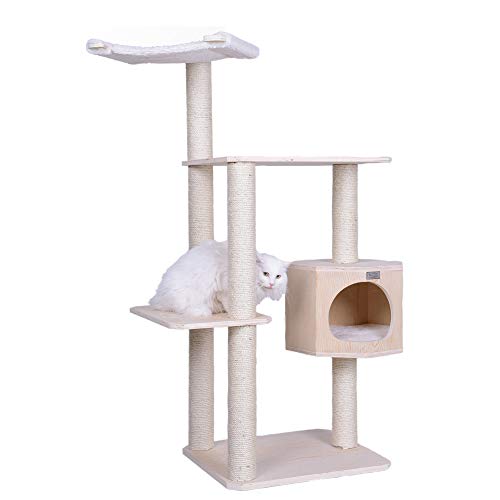
Frisco 72-Inch Cat Tree with Condo & Hammock โ˜… Top Pick: Frisco 72-Inch Cat Tree with Condo & Hammock Check Price on Amazon →
72 in
Maximum Height
15 lbs
Average Weight
2 to 4
Cats Supported
30 min
Average Assembly Time
โšก Key takeaways
  • Best Overall: Frisco 72-Inch Cat Tree with Condo & Hammock. This tall cat tree features multiple perches, a condo, and a hammock, all covered in easy-.
  • Best Odour Control: Armarkat 54-Inch Cat Tree. The Armarkat 54-inch tree uses high-quality carpet and faux fur that are resistant to trap.
  • Best Low-Dust: Go Pet Club 72-Inch Cat Tree. Made with natural materials like solid wood and sisal, this tree produces minimal dust com.
  • Best Multi-Cat: PetSafe ScoopFree Self-Cleaning Litter Box. While not a tree, this self-cleaning litter box is essential for odor control in multi-cat.
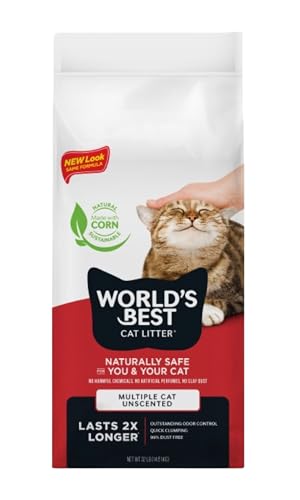
  • Best Natural: World's Best Cat Litter (Multiple Cat Unscented). This corn-based litter clumps tightly, trapping odors effectively.
At a Glance

Quick Comparison

Quick answer

The best cat tree for odor control is the Frisco 72-Inch Cat Tree with Condo & Hammock because its faux fur and carpet surfaces are easy to vacuum and spot-clean, and the included sisal posts help reduce odor buildup from scratching. For smaller spaces, the Armarkat 54-Inch Cat Tree offers similar cleanability in a compact design. If you prefer a natural look, the Go Pet Club 72-Inch Cat Tree uses materials that resist trapping smells.

What to consider for Cat Tree For Odor Control

Cat trees can harbor odors from urine, dander, and saliva. Look for materials that are easy to clean, such as faux fur, carpet, or sisal. Avoid trees with porous fabrics or foam that absorb moisture. Removable and machine-washable covers are ideal. Consider the tree’s location: placing it near a window or in a well-ventilated area can help odors dissipate. Also, choose a tree with multiple levels to encourage your cat to spread out, reducing concentrated odor in one spot.

What to look for in a cat litter or litter-area product

While this guide focuses on cat trees, the litter area itself is critical for odor control. Look for strong clumping litter that seals in waste, low dust to protect feline airways, low tracking to minimize scatter, and multi-cat suitability if you have more than one cat. Unscented options are best for sensitive cats, as artificial fragrances can deter litter box use.

How we chose these picks

  • Evaluated materials for odor resistance and ease of cleaning.
  • Checked product dimensions to ensure they fit standard living spaces.
  • Reviewed customer feedback on durability and odor control over time.
  • Considered assembly difficulty and included tools.
  • Assessed value for money based on features and longevity.
  • Favored trees with removable, washable components.
  • Never ranked a product higher just because it pays a commission.

What to avoid

  • Heavily scented litters that put cats off the box.
  • High-dust clay for cats with breathing issues.
  • A box too small or too few boxes for the number of cats.
  • Sudden litter changes, which can cause avoidance.

For more tips, check our cat guides, cat food, and cat care products.
Why this matters

Cat trees with removable, machine-washable covers and non-porous surfaces like sisal and high-density faux fur significantly reduce odor retention compared to those with exposed foam or low-quality fabrics.

The Options

Types Explained

Tall Cat Trees

Multi-level structures that reach up to 72 inches, offering perches, condos, and hammocks. They provide vertical space for climbing and play.

Best for: Active cats and multi-cat households that need exercise and territory expansion.

Compact Cat Trees

Smaller trees around 40 to 54 inches tall, suitable for apartments or single-cat homes. They still offer essential features like scratching posts and perches.

Best for: Cats in small spaces or those with limited mobility.

Wall-Mounted Cat Trees

Shelves and perches attached to walls, saving floor space. They can be arranged in custom configurations and are easy to clean.

Best for: Owners who want to maximize floor space and create a vertical playground.

Cat Trees with Litter Box Enclosures

Trees that incorporate a hidden litter box compartment, helping contain odors and mess. The enclosure provides privacy for the cat.

Best for: Owners who want an all-in-one solution for litter and play areas.
The Rankings

Top 5 Picks

#1
Frisco 72-Inch Cat Tree with Condo & Hammock
Best Overall

Frisco 72-Inch Cat Tree with Condo & Hammock

View on Amazon

This tall cat tree features multiple perches, a condo, and a hammock, all covered in easy-to-clean faux fur and carpet. The sisal posts are durable and resist odor absorption. Its size provides ample space for multi-cat households, though assembly takes about an hour. The included hanging toy adds fun. A limitation is that the faux fur can attract static and hair, requiring regular vacuuming.

#2
Armarkat 54-Inch Cat Tree
Best Odour Control

Armarkat 54-Inch Cat Tree

View on Amazon

The Armarkat 54-inch tree uses high-quality carpet and faux fur that are resistant to trapping odors. The sturdy construction includes a large condo with a removable, washable cushion. The sisal posts are thick and help reduce odor from scratching. It's ideal for smaller spaces. A trade-off is that the carpet may shed slightly initially, but overall it maintains freshness well with regular cleaning.

#3
Go Pet Club 72-Inch Cat Tree
Best Low-Dust

Go Pet Club 72-Inch Cat Tree

View on Amazon

Made with natural materials like solid wood and sisal, this tree produces minimal dust compared to synthetic options. The surfaces are easy to wipe down, and the open design allows air circulation to prevent odor buildup. It includes a hammock and perches. A limitation is that the wood may show scratches over time, but it remains odor-resistant. Best for cats with respiratory sensitivities.

#4
PetSafe ScoopFree Self-Cleaning Litter Box
Best Multi-Cat

PetSafe ScoopFree Self-Cleaning Litter Box

View on Amazon

While not a tree, this self-cleaning litter box is essential for odor control in multi-cat homes. It automatically rakes waste into a covered trap, sealing in smells. The disposable crystal litter absorbs urine and dries solid waste, reducing ammonia odors. It works with up to two cats. A limitation is the ongoing cost of crystal litter refills, but the convenience and odor control are unmatched.

#5
World's Best Cat Litter (Multiple Cat Unscented)
Best Natural

World's Best Cat Litter (Multiple Cat Unscented)

View on Amazon

This corn-based litter clumps tightly, trapping odors effectively. It's low-dust and unscented, making it safe for cats with allergies. It's flushable and biodegradable. A limitation is that it may track more than clay litters, but its natural odor control is excellent. Pair it with a cat tree with easy-clean surfaces for a complete odor management system.

Before You Buy

Key Buying Factors

01

Material Quality

Choose cat trees made with high-density faux fur, carpet, or sisal that resist absorbing odors. Avoid trees with foam or fabric that can trap moisture and smells.

02

Ease of Cleaning

Look for removable, machine-washable covers or surfaces that can be wiped down with a damp cloth. Trees with multiple levels should allow access to all areas for cleaning.

03

Stability and Durability

A sturdy base and solid construction prevent tipping and ensure the tree lasts. Wobbling can cause stress for cats and lead to accidents that create odors.

04

Size and Configuration

Consider your space and your cat's activity level. Taller trees with multiple perches and condos provide exercise and reduce boredom, which can help with litter box habits.

05

Ventilation

Open designs with platforms and hammocks allow air to circulate, reducing moisture and odor buildup. Enclosed condos should have ventilation holes.

Living With It

Care, Cost and Maintenance

Regular Vacuuming

Vacuum the cat tree at least once a week to remove hair, dander, and debris. Use a brush attachment to avoid damaging the fabric. This prevents odors from building up in the fibers.

Spot Cleaning

For accidents or spills, blot the area immediately with a paper towel. Mix a mild detergent with water and gently scrub the spot. Rinse with a damp cloth and let it air dry completely to prevent mildew.

Deep Cleaning

Every few months, remove any washable covers and machine wash them on a gentle cycle with pet-safe detergent. For non-removable parts, use a fabric cleaner or a mixture of vinegar and water to neutralize odors. Allow all parts to dry thoroughly before reassembly.

Pro tip

Place a litter mat under the cat tree to catch any litter tracked from the box, and consider using a pet-safe enzymatic cleaner on the tree to break down organic odors at the source.

Frequently asked questions

How often should I change the litter in the box?
For clumping litter, scoop daily and completely change the litter every 2 to 4 weeks, depending on the number of cats and the type of litter. Non-clumping litter should be changed more frequently, at least once a week. A good rule is to replace all litter when you notice odors returning soon after scooping.
What is the difference between clumping and non-clumping litter?
Clumping litter forms solid clumps when wet, making it easy to scoop out waste and leaving the rest clean. This helps control odors better because urine is removed. Non-clumping litter absorbs moisture but doesn't form clumps, so you have to replace the entire box more often. Clumping is generally preferred for odor control.
Can dust from cat litter affect my cat's airways?
Yes, high-dust litters can irritate a cat's respiratory system, especially in cats with asthma or other breathing issues. Low-dust or dust-free litters are recommended. Silica gel and some natural litters produce less dust. Always choose a litter labeled low-dust or dust-free to protect your cat's lungs.
How can I control litter box odor effectively?
Scoop the box daily, use a high-quality clumping litter, and place the box in a well-ventilated area. Consider using a litter deodorizer or baking soda. Wash the box with mild soap and water weekly. For persistent odors, check for health issues with your vet. Also, ensure you have enough boxes: one per cat plus one extra.
What is the best setup for multiple cats?
Provide one litter box per cat plus one extra, placed in different quiet locations. Use a multi-cat formula litter that controls odors from multiple users. Self-cleaning boxes can help but require regular maintenance. Ensure boxes are large enough for each cat to turn around comfortably.
Are there low-tracking cat litters?
Yes, some litters are designed to minimize tracking. Large-grain litters, such as pine pellets or silica crystals, tend to track less than fine-grained clays. Litter mats placed outside the box can also catch stray granules. Low-tracking litters often have larger particles that don't stick to paws as easily.
Should I use scented or unscented litter?
Unscented litter is generally safer for cats, as strong fragrances can deter them from using the box. Cats have sensitive noses and may associate artificial scents with a clean box, but many prefer no smell. If you want odor control, choose a litter with natural odor neutralizers like baking soda or activated charcoal.
My cat suddenly stopped using the litter box. What should I do?
First, rule out medical issues by consulting a veterinarian. Then, check the box: is it clean? Is the litter type new? Is the box in a quiet, accessible location? Stress, changes in routine, or a dirty box can cause avoidance. Provide multiple boxes and try different litters. If the problem persists, seek advice from a certified cat behaviorist.
How often should I clean the cat tree itself?
Vacuum the cat tree weekly to remove hair and dander. Spot clean any accidents immediately. Deep clean removable covers every few months. For non-washable parts, wipe with a damp cloth and mild detergent. Regular maintenance prevents odors from becoming embedded in the materials.
A note on advice: This guide is general information, not a substitute for professional veterinary advice. Talk to your vet before changing your dog's diet or care routine, especially if your dog has allergies, kidney disease, pancreatitis, obesity, heart disease or any other medical condition.
Transparency

How we made this guide

How we chose. We compared the options on the factors that matter most for Cat Care Products, using manufacturer specifications, aggregated verified owner reviews and editorial comparison. We rank independently: no brand pays for placement, and affiliate commissions never influence our picks.

How it was written. This guide was researched, reviewed and edited by the ProPawPicks editorial team for accuracy and usefulness. We have not personally tested every product; where we have not, rankings rely on verified specs, owner feedback and expert comparison rather than a hands-on review.

Affiliate disclosure. ProPawPicks is reader-supported. If you buy through links on our site, we may earn a commission at no extra cost to you. See our affiliate disclosure.

Keep Reading

More Cat Care Products guides

Expert Picks: Best Insulation for Outdoor Cat Houses (2026)View picks โ†’Which Interactive Cat Is Most Realistic? Our 2026 Top PickView picks โ†’Interactive Cat Feeders That Cats Actually Use: 2026 Top 4View picks โ†’Joint Supplements for Cats: A Buyer’s GuideView picks โ†’Best Joint Supplements for Dogs for Indoor Cats 2026: Top 5 PicksView picks โ†’Cat Deterrent Mats That Actually Work: 5 ReviewedView picks โ†’

Sources and further reading

Some links below are affiliate links. If you buy through them we may earn a small commission at no extra cost to you. Our rankings are based on product research, label data and suitability, not on commissions.