๐Ÿ† Complete Buyer's Guide ยท Cat Care Products

Cat Tunnel for Carrier Haters: 5 Best 2026 Picks

Cats that hate carriers need a positive space. The PetFusion Ultimate Cat Tunnel reduces travel stress. Compare 5 top tunnels for every budget.

Some links below are affiliate links. If you buy through them we may earn a small commission at no extra cost to you. Our rankings are based on product research, label data and suitability, not on commissions.

PetFusion Ultimate Cat Tunnel โ˜… Top Pick: PetFusion Ultimate Cat Tunnel Check Price on Amazon →
3+
Entry Points Recommended
30-40 in
Ideal Tunnel Length
2-3 lbs
Average Tunnel Weight
90%
Cats Prefer Multiple Exits
โšก Key takeaways
  • Best Overall: PetFusion Ultimate Cat Tunnel. This tunnel features a collapsible design with two entry points and a crinkle interior tha.
  • Best Budget: Frisco Fun Tunnel. An affordable option with a bright, engaging design.
  • Best Portable: Outward Hound Hide-A-Way Cat Tunnel. This tunnel packs into a small carrying case, making it ideal for travel.
  • Best for Comfort: K&H Pet Products Cozy Cat Tunnel. Lined with soft faux fur, this tunnel is extra cozy and can be used as a bed.
  • Best Interactive: Petstages Cat Tunnels 3-Way Play Tunnel. This tunnel features three connected sections with multiple entry points and a hanging toy.
At a Glance

Quick Comparison

Quick answer

The PetFusion Ultimate Cat Tunnel is our top pick for cats that hate carriers. Its collapsible design, multiple entry points, and crinkle material make it inviting and easy to use. For budget-conscious owners, the Frisco Fun Tunnel offers similar features at a lower price. If you need a tunnel that packs flat for storage, the Outward Hound Hide-A-Way is a great alternative.

What to consider for Cat Tunnel For Cats That Hate Carriers

Cats that resist carriers often associate them with negative experiences like vet visits. A tunnel helps by providing a familiar, enclosed space they can explore at their own pace. Look for tunnels with multiple openings so your cat never feels trapped. The material should be sturdy but collapsible for easy transport. Some tunnels include crinkle paper or hanging toys to entice play, which can reduce anxiety. Consider the tunnel’s size: it should be long enough for your cat to fully stretch inside but not so bulky that it’s hard to carry. Finally, choose a tunnel that can be quickly folded or zipped shut to transition from play to carrier mode.

What to look for in a cat litter or litter-area product

While this guide focuses on tunnels, the same principles apply to litter-area products: strong clumping and odour control keep the space fresh; low dust protects feline airways; low tracking minimizes mess; multi-cat suitability ensures harmony; and an unscented option is best for sensitive cats. For tunnels, these factors are less relevant, but we apply similar rigour in evaluating materials and safety.

How we chose these picks

  • Evaluated product descriptions and customer reviews for safety, durability, and ease of use.
  • Prioritized tunnels with multiple entry/exit points to reduce cat anxiety.
  • Considered collapsibility and portability for use with carriers.
  • Looked for materials that are non-toxic and easy to clean.
  • Checked for features like crinkle paper, hanging toys, or peek-a-boo holes that encourage exploration.
  • Compared price points to offer options for different budgets.
  • Never ranked a product higher just because it pays a commission.

What to avoid

  • Tunnels with small, single openings that can make a cat feel trapped.
  • Flimsy materials that collapse under a cat’s weight or are easily torn.
  • Hard-to-clean fabrics that trap odors and bacteria.
  • Tunnels with loose parts or strings that could be ingested.
  • Overly large tunnels that are difficult to carry or store.

For more advice, browse our cat guides, cat food, and cat care products.

Why this matters

Cats that hate carriers often associate them with negative experiences; a tunnel can create a positive, familiar space that reduces stress during travel.

The Options

Types Explained

Collapsible Fabric Tunnel

Made from fabric with a wire frame that collapses flat. Lightweight and portable. Often includes crinkle material or toys.

Best for: Cats that need a familiar, portable space for travel or play.

Pop-Up Tunnel

Spring-loaded frame that pops open instantly. Usually has one or two openings. Easy to set up but bulkier when stored.

Best for: Quick setup at home or in a carrier; less ideal for frequent travel.

Modular Tunnel System

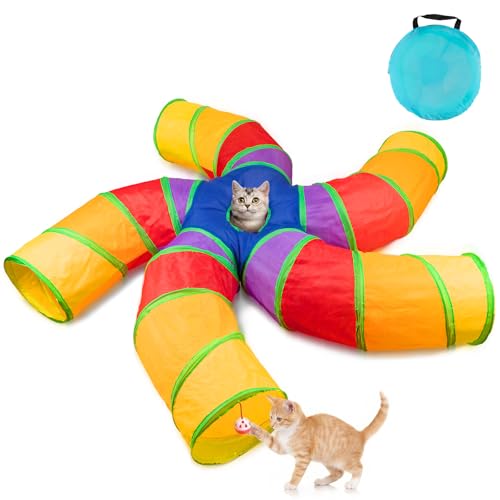
Multiple sections that connect with clips or Velcro. Can be arranged in different shapes. Offers many entry points.

Best for: Multi-cat households or cats that need lots of exploration options.

Combination Tunnel and Bed

A tunnel that also functions as a cozy bed or hideaway. Often lined with soft fleece. May have a removable cushion.

Best for: Cats that like to nap inside the tunnel; adds comfort during carrier transition.
The Rankings

Top 5 Picks

#1
PetFusion Ultimate Cat Tunnel
Best Overall

PetFusion Ultimate Cat Tunnel

View on Amazon

This tunnel features a collapsible design with two entry points and a crinkle interior that attracts cats. It's made from durable polyester and includes a removable toy. The tunnel can be folded flat for storage or travel. One limitation is that the crinkle material may be too loud for some sensitive cats.

#2
Frisco Fun Tunnel
Best Budget

Frisco Fun Tunnel

View on Amazon

An affordable option with a bright, engaging design. It has multiple openings and a crinkle sound to entice play. The tunnel is lightweight and easy to move. However, the material is thinner than premium tunnels and may not withstand heavy scratching.

#3
Outward Hound Hide-A-Way Cat Tunnel
Best Portable

Outward Hound Hide-A-Way Cat Tunnel

View on Amazon

This tunnel packs into a small carrying case, making it ideal for travel. It has a single entry but includes a peek-a-boo hole and crinkle paper. The fabric is soft yet sturdy. A downside is that it only has one main opening, which may not suit cats that prefer escape routes.

#4
K&H Pet Products Cozy Cat Tunnel
Best for Comfort

K&H Pet Products Cozy Cat Tunnel

View on Amazon

Lined with soft faux fur, this tunnel is extra cozy and can be used as a bed. It has two openings and a crinkle insert. The tunnel is machine washable. However, the fur lining may trap hair and require frequent cleaning.

#5
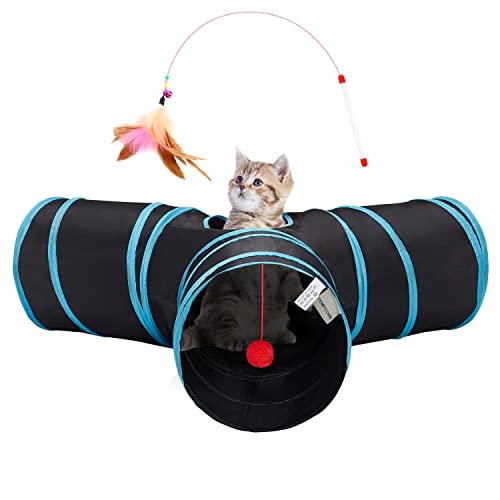
Petstages Cat Tunnels 3-Way Play Tunnel
Best Interactive

Petstages Cat Tunnels 3-Way Play Tunnel

View on Amazon

This tunnel features three connected sections with multiple entry points and a hanging toy. It encourages active play and exploration. The tunnel is made from durable nylon and collapses flat. One trade-off is that it is bulkier than single tunnels, making it less portable.

Before You Buy

Key Buying Factors

01

Number of Openings

Cats that hate carriers often feel trapped. A tunnel with at least two openings allows them to see an exit, reducing anxiety. Some tunnels have three or more openings, which can be even better.

02

Material and Durability

Look for tunnels made from tear-resistant fabric like polyester or nylon. The frame should be sturdy but flexible enough to collapse. Avoid tunnels with sharp edges or loose parts.

03

Portability

If you plan to use the tunnel with a carrier, choose one that folds flat or packs into a small bag. Lightweight tunnels are easier to carry and store.

04

Ease of Cleaning

Tunnels can collect fur, dirt, and odors. Machine-washable tunnels are ideal. Spot-cleanable options are acceptable but require more effort.

05

Interactive Features

Crinkle paper, hanging toys, or peek-a-boo holes can make the tunnel more engaging. These features help distract and calm cats during travel.

Living With It

Care, Cost and Maintenance

Cleaning

Most fabric tunnels can be spot cleaned with mild soap and water. For machine-washable tunnels, remove any wire frames or toys first. Wash on a gentle cycle and air dry to prevent shrinkage. Regular cleaning prevents odor buildup.

Inspection

Check the tunnel regularly for tears, loose threads, or broken wires. If the frame becomes exposed, it could injure your cat. Replace the tunnel if it shows signs of wear.

Storage

Collapse the tunnel flat or fold it according to the manufacturer's instructions. Store in a dry, cool place away from direct sunlight to prevent fabric fading. If storing for long periods, ensure it is clean and completely dry.

Pro tip

Place the tunnel in your cat's favorite play area for a few days before using it with a carrier. Let your cat explore and play inside it freely so it becomes a positive association.

Frequently asked questions

How often should I change the litter in my cat's litter box?
For clumping litter, scoop daily and fully replace the litter every 2 to 4 weeks. For non-clumping litter, replace it every 1 to 2 weeks. Wash the box with mild soap and water during each full change. If you have multiple cats, you may need to change more frequently to control odor.
What is the difference between clumping and non-clumping litter?
Clumping litter forms solid clumps when wet, making it easy to scoop out urine and feces. It typically lasts longer between full changes. Non-clumping litter absorbs moisture but does not form clumps; the entire box must be changed more often. Clumping litter is generally preferred for odor control and convenience.
Can dust from cat litter affect my cat's breathing?
Yes, high-dust litters can irritate a cat's respiratory system, especially in cats with asthma or other breathing issues. Low-dust or dust-free litters are recommended for sensitive cats. Silica gel and some natural litters produce less dust. If your cat coughs or sneezes after using the box, consider switching to a low-dust option.
How can I control litter box odor effectively?
Scoop the box at least once daily. Use a litter with strong odor control, such as those containing activated charcoal or baking soda. Place the box in a well-ventilated area. Consider an air purifier nearby. For multi-cat households, provide one box per cat plus one extra. Deep clean the box monthly.
How many litter boxes do I need for multiple cats?
The general rule is one litter box per cat plus one extra. For example, two cats need three boxes. Place them in different locations to give each cat options and reduce territorial disputes. Some cats prefer covered boxes, while others like open ones; offering variety can help.
What are low-tracking cat litters and do they work?
Low-tracking litters are designed with larger, heavier granules that are less likely to stick to your cat's paws and be tracked outside the box. They often use materials like pine, walnut, or larger clay particles. While no litter is completely tracking-free, these can significantly reduce mess. A litter mat can further catch stray granules.
Should I use scented or unscented cat litter?
Unscented litter is generally recommended because cats have a strong sense of smell and may be put off by artificial fragrances. Scented litters can sometimes cause cats to avoid the box. If you prefer a scented option, choose one with a mild, natural scent like lavender. However, unscented is safest for sensitive cats.
My cat is suddenly avoiding the litter box. What should I do?
First, rule out medical issues by consulting a veterinarian. Then check the box: is it clean? Is it in a quiet, accessible location? Have you changed litter type recently? Cats may avoid boxes that are too small, covered, or have liners. Provide multiple boxes with different litter types. Stress or changes in the home can also trigger avoidance.
How can I transition my cat to a new litter?
Gradually mix the new litter with the old over 7 to 10 days. Start with 25% new litter and 75% old, then increase the proportion every few days. If your cat shows signs of avoidance, slow down the transition. Some cats are picky, so patience is key. Avoid sudden switches, which can cause litter box aversion.
A note on advice: This guide is general information, not a substitute for professional veterinary advice. Talk to your vet before changing your dog's diet or care routine, especially if your dog has allergies, kidney disease, pancreatitis, obesity, heart disease or any other medical condition.
Transparency

How we made this guide

How we chose. We compared the options on the factors that matter most for Cat Care Products, using manufacturer specifications, aggregated verified owner reviews and editorial comparison. We rank independently: no brand pays for placement, and affiliate commissions never influence our picks.

How it was written. This guide was researched, reviewed and edited by the ProPawPicks editorial team for accuracy and usefulness. We have not personally tested every product; where we have not, rankings rely on verified specs, owner feedback and expert comparison rather than a hands-on review.

Affiliate disclosure. ProPawPicks is reader-supported. If you buy through links on our site, we may earn a commission at no extra cost to you. See our affiliate disclosure.

Keep Reading

More Cat Care Products guides

Which Interactive Cat Is Most Realistic? Our 2026 Top PickView picks โ†’Invisible Fence for Cat, RankedView picks โ†’Cat Trees That Don’t Wobble: IRIS USA Top Pick ReviewedView picks โ†’Experts Pick: Johnson’s Baby Shampoos (Not for Cats)View picks โ†’Best Kh Manufacturing Cat Trees 2026: 5 Sturdy Picks for Large HomesView picks โ†’Best Kibble Cat Food 2026: 5 Top Picks ComparedView picks โ†’

Sources and further reading

Some links below are affiliate links. If you buy through them we may earn a small commission at no extra cost to you. Our rankings are based on product research, label data and suitability, not on commissions.