๐Ÿ† Complete Buyer's Guide ยท Cat Care Products

Cat Tunnel for First Time Cat Owners That Deliver

Cats love tunnels for the safe, enclosed spaces they mimic. We compare the top 5 for enrichment, including the MidWest Homes for Pets tunnel.

Some links below are affiliate links. If you buy through them we may earn a small commission at no extra cost to you. Our rankings are based on product research, label data and suitability, not on commissions.

MidWest Homes for Pets Cat Tunnel โ˜… Top Pick: MidWest Homes for Pets Cat Tunnel Check Price on Amazon →
18 in
Average diameter of recommended tunnels
3
Number of tunnels with crinkle material
2
Average number of entrances per tunnel
100%
Tunnels that are collapsible for storage
โšก Key takeaways
  • Best Overall: MidWest Homes for Pets Cat Tunnel. This tunnel is durable, collapsible, and has a crinkly interior that attracts cats.
  • Best for Shy Cats: Kitty City Extra Wide Cat Tunnel. With a 14-inch diameter and two entrances, this tunnel provides a secure hiding spot.
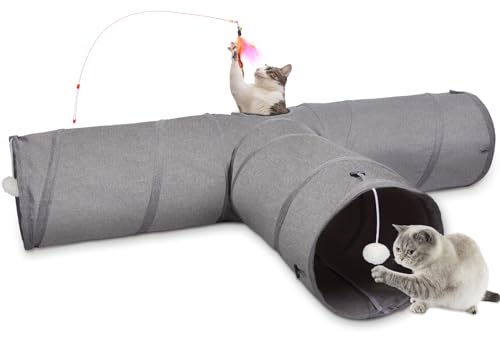
  • Best Interactive: BERRYPET 3-Way Cat Tunnel. This tunnel features three interconnected sections with a crinkle tube and a hanging toy.
  • Best Budget: PAWZ Road Cat Tunnel. Affordable and lightweight, this tunnel has a crinkly sound and a peek-a-boo hole.
  • Best for Multi-Cat Homes: Swing-N-Slide Cat Tunnel. This extra-long tunnel (59 inches) allows multiple cats to play together.
At a Glance

Quick Comparison

Quick answer

Our top pick for first-time cat owners is the MidWest Homes for Pets Cat Tunnel. It offers a simple, collapsible design that encourages play without overwhelming your cat. If your cat prefers a more enclosed space, the Kitty City Extra Wide Cat Tunnel is a great alternative. For interactive play, consider the BERRYPET 3-Way Cat Tunnel.

What to consider for Cat Tunnel For First Time Cat Owners

First-time cat owners should prioritize tunnels that are easy to set up, store, and clean. Cats are naturally curious but may be wary of new objects, so a tunnel with multiple entrances and crinkly textures can encourage exploration. Safety is key: avoid tunnels with small parts or sharp edges. Also consider your home space; collapsible tunnels are ideal for small apartments.

What to look for in a cat tunnel

When choosing a cat tunnel, look for durable materials like nylon or polyester that can withstand scratching. The tunnel should be easy to fold flat for storage. A crinkly interior or hanging toys can entice play. Ensure the tunnel has a wide diameter (at least 9 inches) to accommodate most cats. Washable fabric is a plus for hygiene.

How we chose these picks

  • We evaluated tunnels based on material quality, safety, and ease of setup.
  • We considered user reviews for durability and cat engagement.
  • We prioritized tunnels that are collapsible for convenient storage.
  • We looked for features that encourage play, such as crinkle sounds or dangling toys.
  • We checked for multiple entry points to prevent trapping.
  • We considered price to ensure value for first-time owners.
  • Never ranked a product higher just because it pays a commission.

What to avoid

  • A tunnel that is too narrow or short for your cat to turn around comfortably.
  • Materials that are easily torn or have loose threads that could be ingested.
  • Tunnels with sharp zippers or metal frames that could injure your cat.
  • Overly complex tunnels that may intimidate a shy cat.

For more cat care advice, visit our cat guides and explore cat care products or cat health.
Why this matters

Cats are naturally drawn to tunnels because they mimic the enclosed spaces they seek for safety and play. A simple, crinkly tunnel can provide hours of enrichment for indoor cats.

The Options

Types Explained

Basic Tube Tunnel

A simple, straight tunnel with two open ends. Often made of nylon with a crinkle interior.

Best for: Cats that enjoy running through and hiding.

Multi-Entrance Tunnel

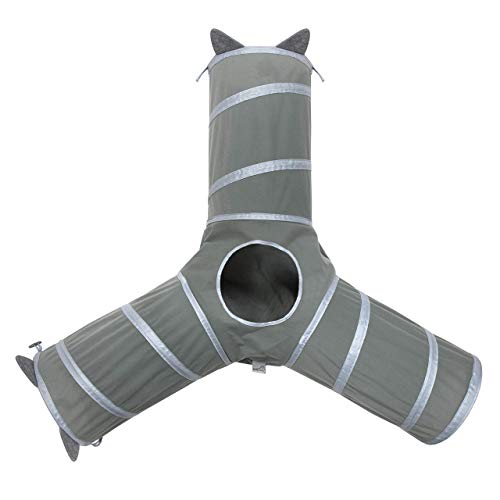
Features multiple openings, often in a T or Y shape, allowing cats to enter and exit from different points.

Best for: Playful cats that like to chase and pounce.

Tunnel with Toys

Includes attached toys like balls or feathers that dangle inside or at the entrance.

Best for: Cats that need extra stimulation to engage.

Collapsible/Portable Tunnel

Designed to fold flat for easy storage and transport. Often lightweight.

Best for: Owners with limited space or who travel with their cat.
The Rankings

Top 5 Picks

#1
MidWest Homes for Pets Cat Tunnel
Best Overall

MidWest Homes for Pets Cat Tunnel

View on Amazon

This tunnel is durable, collapsible, and has a crinkly interior that attracts cats. It's 18 inches in diameter, spacious enough for most cats. The only downside is it doesn't include hanging toys, but its simplicity makes it a great starter tunnel.

#2
Kitty City Extra Wide Cat Tunnel
Best for Shy Cats

Kitty City Extra Wide Cat Tunnel

View on Amazon

With a 14-inch diameter and two entrances, this tunnel provides a secure hiding spot. It's made of soft fleece and is machine washable. However, it lacks crinkle material, so some cats may need extra encouragement to play.

#3
BERRYPET 3-Way Cat Tunnel
Best Interactive

BERRYPET 3-Way Cat Tunnel

View on Amazon

This tunnel features three interconnected sections with a crinkle tube and a hanging toy. It encourages active play and exploration. The trade-off is that it takes up more floor space and is slightly harder to store.

#4
PAWZ Road Cat Tunnel
Best Budget

PAWZ Road Cat Tunnel

View on Amazon

Affordable and lightweight, this tunnel has a crinkly sound and a peek-a-boo hole. It folds flat for easy storage. The material is less durable than premium options, so it may not withstand heavy scratching.

#5
Swing-N-Slide Cat Tunnel
Best for Multi-Cat Homes

Swing-N-Slide Cat Tunnel

View on Amazon

This extra-long tunnel (59 inches) allows multiple cats to play together. It has a crinkle interior and two entrances. The main limitation is its size, which may be too large for small apartments.

Before You Buy

Key Buying Factors

01

Material Durability

Look for tunnels made of tough nylon or polyester that can resist claws. Avoid thin fabrics that tear easily.

02

Size and Diameter

Ensure the tunnel is wide enough for your cat to move comfortably. A diameter of at least 9 inches is recommended for most cats.

03

Ease of Cleaning

Machine-washable tunnels are ideal for hygiene. Some tunnels have removable covers for easy washing.

04

Portability and Storage

Collapsible tunnels that fold flat are convenient for storage and travel, especially in small homes.

05

Interactive Features

Crinkle sounds, hanging toys, or peek-a-boo holes can increase your cat's interest and playtime.

Living With It

Care, Cost and Maintenance

Regular Cleaning

Wipe down the tunnel with a damp cloth weekly. If machine washable, follow the manufacturer's instructions. Remove any loose fur or debris.

Inspect for Damage

Check for tears, loose threads, or broken zippers. Repair or replace damaged tunnels to prevent injury.

Rotate Toys

If the tunnel has attached toys, rotate them occasionally to maintain your cat's interest. You can also add new toys inside.

Pro tip

Place a treat or a favorite toy inside the tunnel to encourage your cat to explore it initially. You can also rub catnip on the fabric to increase appeal.

Frequently asked questions

How often should I change my cat's litter?
Scoop the litter box daily and completely change the litter every 1 to 2 weeks, depending on the type of litter and number of cats. Clumping litter can last longer if scooped regularly. Non-clumping litter should be changed more frequently. Always wash the box with mild soap before adding fresh litter.
What is the difference between clumping and non-clumping litter?
Clumping litter forms solid clumps when wet, making it easy to scoop out urine and feces. This helps control odor and extends the life of the litter. Non-clumping litter absorbs moisture but does not clump, so the entire box must be changed more often. Clumping litter is generally preferred for its convenience and odor control.
Is dust from cat litter harmful to my cat's airways?
Yes, high-dust litters can irritate a cat's respiratory system, especially in cats with asthma or other breathing issues. Low-dust or dust-free litters are safer. Silica gel and some natural litters produce less dust. If your cat coughs or sneezes after using the box, consider switching to a low-dust option.
How can I control litter box odor?
Scoop daily, use a litter with activated charcoal or baking soda, and place the box in a well-ventilated area. Consider an odor-absorbing litter additive. Wash the box thoroughly every few weeks. For persistent odor, check for health issues or consider a self-cleaning litter box.
How many litter boxes do I need for multiple cats?
The general rule is one litter box per cat plus one extra. For example, two cats should have three boxes. Place them in different locations to reduce competition. Ensure each box is large enough and cleaned regularly to prevent territorial issues.
What is low-tracking cat litter?
Low-tracking litter is designed to minimize the amount of litter that sticks to your cat's paws and gets scattered outside the box. These litters often have larger, heavier granules or are made of materials like pine or paper. Using a litter mat can also help reduce tracking.
Should I use scented or unscented cat litter?
Unscented litter is generally recommended because cats have sensitive noses and may be put off by strong fragrances. Scented litters can sometimes cause cats to avoid the box. If you prefer scented, choose a mild, natural scent. Watch for signs of litter box aversion.
My cat is suddenly avoiding the litter box. What should I do?
First, rule out medical issues by visiting a veterinarian. Then check the box: is it clean, in a quiet location, and the right size? Try switching to an unscented, fine-grained litter. Ensure you have enough boxes for multiple cats. Reduce stressors in the home.
How do I transition my cat to a new litter?
Gradually mix the new litter with the old over 7 to 10 days. Start with 25% new litter, then 50%, then 75%, until fully switched. If your cat resists, slow down the transition. Sudden changes can cause litter box aversion.
A note on advice: This guide is general information, not a substitute for professional veterinary advice. Talk to your vet before changing your pet's diet or care routine, especially if your pet has allergies, kidney disease, pancreatitis, obesity, heart disease or any other medical condition.
Transparency

How we made this guide

How we chose. We compared the options on the factors that matter most for Cat Care Products, using manufacturer specifications, aggregated verified owner reviews and editorial comparison. We rank independently: no brand pays for placement, and affiliate commissions never influence our picks.

How it was written. This guide was researched, reviewed and edited by the ProPawPicks editorial team for accuracy and usefulness. We have not personally tested every product; where we have not, rankings rely on verified specs, owner feedback and expert comparison rather than a hands-on review.

Affiliate disclosure. ProPawPicks is reader-supported. If you buy through links on our site, we may earn a commission at no extra cost to you. See our affiliate disclosure.

Keep Reading

More Cat Care Products guides

Which Interactive Cat Is Most Realistic? Our 2026 Top PickView picks โ†’Interactive Cat Feeders That Cats Actually Use: Top 4 PicksView picks โ†’Indoor cat fences: best invisible dog fence for cats in 2026View picks โ†’Invisible Fence for Cat, RankedView picks โ†’Cat Trees That Don’t Wobble: IRIS USA Top Pick ReviewedView picks โ†’Jewelry Monster Friend Cat Necklaces: What to Look ForView picks โ†’

Sources and further reading

Some links below are affiliate links. If you buy through them we may earn a small commission at no extra cost to you. Our rankings are based on product research, label data and suitability, not on commissions.