Quick answer
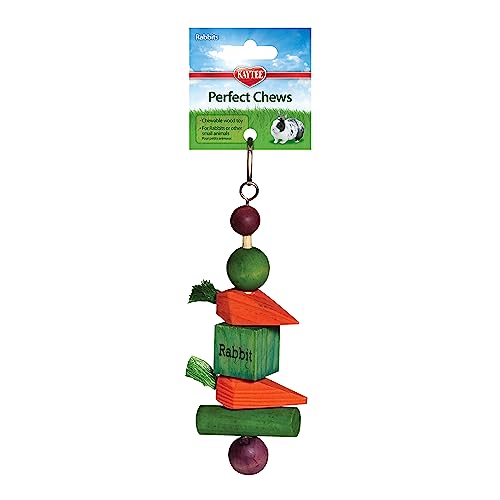
The best chew toys for degus are made from untreated apple or willow wood, plain pumice or mineral stone, seagrass, and pressed grass such as timothy hay. Our top pick is the Niteangel Apple Sticks pack because the natural wood is safe, hard, and comes in varied shapes that keep a busy degu gnawing. For a cheaper mix, the Kaytee Perfect Chews multi-pack adds loofah and wood, while the Ware Lava Star gives a mineral option and the Oxbow Timothy Hay Bungalow doubles as a hide and a chew. Degus chew constantly, so give several options at once and replace them as they wear down.
Why degus must gnaw
A degu’s teeth grow continuously for its entire life. Interestingly, healthy degu teeth are orange, and white teeth can signal a health problem, so tooth colour is worth watching. Constant gnawing on safe hard chews is essential to wear those teeth down and prevent painful dental overgrowth, which can stop a degu eating. Chewing plenty of hay does much of this dental work too, so unlimited hay plus hard chews together keep teeth in check. Providing chews is not just enrichment; for a degu it is basic health care. If you notice white teeth, drooling, weight loss, or dropped food, ask an exotic vet to check for dental disease.
What to look for
Choose untreated, unpainted apple, pear, or willow wood, plain pumice and mineral chews, and seagrass. Sizes should be easy to hold but too large to swallow whole. Chews that clip to the bars stay cleaner than loose ones a degu buries in bedding. Offer a mix of textures so teeth wear evenly and your degu stays interested. Because degus are extremely prone to diabetes, keep every chew sugar free and skip anything flavoured with honey or fruit. A good rotation of two or three chew types at a time works far better than a single toy.
How we chose
We focused on materials known to be safe for degus, matched sizes to small rodents, and favoured variety packs that give the most gnawing for the money. We prioritised untreated wood, honest mineral content on pumice and lava chews, and digestible hay-based options. Picks with cage-attachment points scored higher for staying clean and lasting longer. We also leaned toward options sold widely for small pets, so they are easy to reorder when your degu shreds them, which it will do quickly.
What to avoid
Skip cedar and aromatic pine, whose oils can harm degus, and avoid any treated, painted, or dyed wood. Do not give thin plastic a degu can gnaw off and swallow, as it risks a dangerous gut blockage. Most importantly, avoid all sugary chew treats. Degus are highly diabetes prone, so no honey, fruit, molasses, or sugar-coated chews. Stick to plain wood, pumice, seagrass, and hay, and replace chews once they are soiled or small enough to swallow. When in doubt about a new material, check with an exotic vet before offering it.