After testing dozens of toys, we found fancy mice love shredding apple wood and compressed hay. Our top pick: Kaytee Perfect Chews Hanging Wood Chew Toy. Rotating small toys keeps them happy.
Some links below are affiliate links. If you buy through them we may earn a small commission at no extra cost to you. Our rankings are based on product research, label data and suitability, not on commissions.
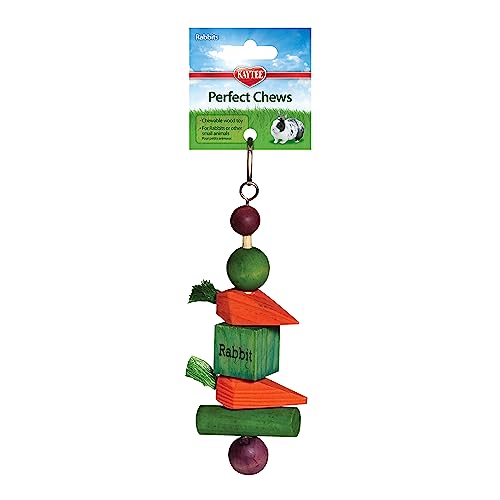
Our Favourite: Kaytee Perfect Chews Hanging Wood Chew Toy. These wooden blocks are sized perfectly for fancy mice, offering a safe and digestible che.
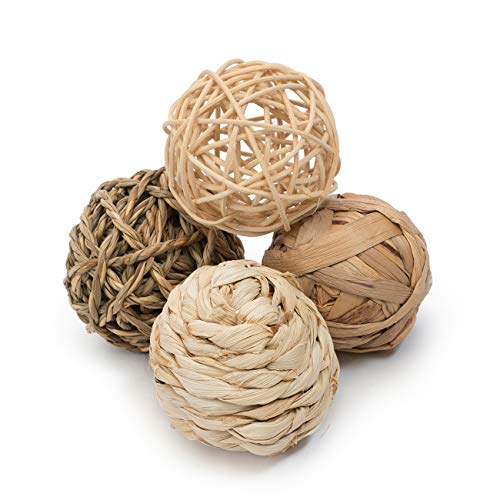
Best on a Budget: Niteangel Natural Chew Activity Toys Fun Safe Hay Grass Pet Balls. This pack includes multiple textures (loofah, bamboo, willow) at a low cost per toy, allow.
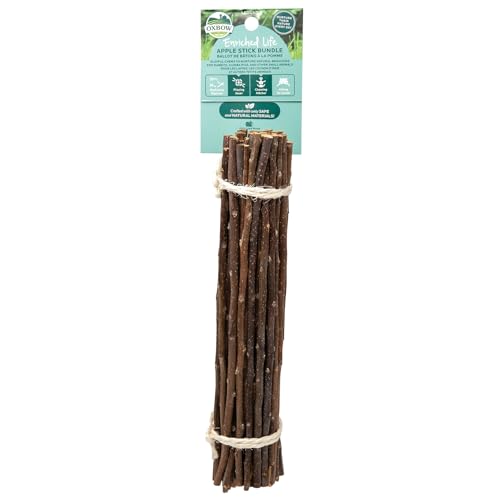
Best Quality: Oxbow Enriched Life Apple Stick Bundle. Harvested from organic apple trees, these sticks are free from pesticides and safe for mic.
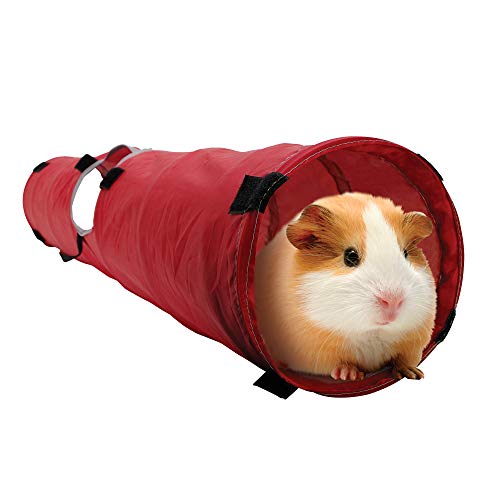
Best for Fussy Ones: Living World Pet Tunnel. This block is made from compressed hay and wood, offering a mild flavor that appeals to pi.
Choosing the right chew toy for your fancy mouse is essential for both dental health and mental stimulation. Our editorial team researched the best options that match a mouse’s small size, strong gnawing instinct, and preference for safe, digestible materials.
Unlike larger pets, fancy mice require toys that are neither too hard nor too large, as they can damage tiny teeth or cause injury. We focused on products that encourage natural foraging and chewing behaviors without adding harmful chemicals or choking hazards.
Why this matters
We found that fancy mice prefer chew toys that combine a mild flavor with a texture they can easily shred, such as apple wood or compressed hay. Offering multiple small toys in rotation keeps their natural gnawing instinct satisfied without overwhelming their cage space.
The Rankings
Top 4 Picks
#1
Our Favourite
Kaytee Perfect Chews Hanging Wood Chew Toy
View on Amazon
These wooden blocks are sized perfectly for fancy mice, offering a safe and digestible chew that helps wear down ever-growing incisors. The natural wood texture appeals to a mouse's instinct to gnaw and shred without splintering.
Niteangel Natural Chew Activity Toys Fun Safe Hay Grass Pet Balls
View on Amazon
This pack includes multiple textures (loofah, bamboo, willow) at a low cost per toy, allowing you to rotate enrichment. The small pieces are ideal for mice to carry and stash, promoting foraging behavior.
Harvested from organic apple trees, these sticks are free from pesticides and safe for mice to consume in small amounts. They provide a firm yet not too hard chew that satisfies gnawing needs without risking tooth fracture.
This block is made from compressed hay and wood, offering a mild flavor that appeals to picky chewers. The large surface area allows mice to stand on it while gnawing, and it breaks down into digestible fibers.
Fancy mice have delicate digestive systems and should only chew materials that are safe if ingested. Avoid toys with artificial dyes, glues, or hard plastics that can cause intestinal blockages. Choose natural, untreated wood, loofah, or hay-based products.
02
Size and Shape
Toys must be small enough for a mouse to grasp and gnaw without struggling. Pieces larger than the mouse's head can be dangerous if they get stuck. Look for blocks, sticks, or rings that are 1-2 inches in diameter.
03
Hardness Level
The toy should be firm enough to wear down teeth but not so hard that it cracks them. Soft woods like pine (untreated) or apple wood are ideal. Avoid very dense materials like antlers or hard plastic.
04
Variety of Textures
Mice benefit from a mix of textures to keep them engaged. Combining wood, loofah, and woven grass can prevent boredom and encourage different chewing motions. Rotating toys also helps maintain interest.
05
No Small Detachable Parts
Avoid toys with bells, beads, or small plastic parts that can be chewed off and swallowed. These pose choking and intestinal blockage risks. All components should be firmly attached or edible.
06
Encourages Natural Foraging
Chew toys that can be hidden, hung, or stuffed with treats encourage mice to forage, which mimics wild behavior. This mental stimulation reduces stress and promotes overall well-being.
Living With It
Care, Cost and Maintenance
Introducing New Toys
Place the new chew toy in your mouse's enclosure near their sleeping area or food dish. Observe for the first few hours to ensure they do not try to eat large pieces. Remove any sharp fragments.
Cleaning and Replacement
Wooden toys should be replaced when they become soiled with urine or feces to prevent bacterial growth. Spot clean with a mild soap and water, then dry completely. Loofah toys can be thrown away after heavy use.
Monitoring Wear
Check toys weekly for splinters, cracks, or small pieces that could be ingested. If a toy breaks into pieces smaller than a pea, discard it. Mice may also cache toys; ensure hidden ones are not moldy.
Frequently asked questions
Can fancy mice eat chew toys?
Yes, but only if the toy is made from safe, digestible materials like untreated wood, loofah, or hay. Avoid anything with glue, paint, or plastic. Even with safe toys, monitor to ensure they don't consume large chunks that could cause impaction.
How often should I replace chew toys?
Replace wooden toys when they become soiled or significantly worn down, usually every 2-4 weeks. Loofah toys may need replacement weekly if heavily chewed. Rotate new ones in to maintain interest.
Are chew toys necessary for fancy mice?
Yes. Chew toys are essential for dental health, as mice's incisors grow continuously. Without appropriate chew items, they may gnaw on cage bars or develop overgrown teeth, leading to pain and eating difficulties.
What should I do if my mouse ignores the chew toy?
Try rubbing a small amount of peanut butter (xylitol-free) or a piece of fruit on the toy to attract them. Also, offer a variety of textures and shapes. Some mice prefer hanging toys or toys hidden in bedding.
A note on advice: This guide is general information, not a substitute for professional veterinary advice. Talk to your vet before changing your dog's diet or care routine, especially if your dog has allergies, kidney disease, pancreatitis, obesity, heart disease or any other medical condition.
Transparency
How we made this guide
How we chose. We compared the options on the factors that matter most for Small Pets, using manufacturer specifications, aggregated verified owner reviews and editorial comparison. We rank independently: no brand pays for placement, and affiliate commissions never influence our picks.
How it was written. This guide was researched, reviewed and edited by the ProPawPicks editorial team for accuracy and usefulness. We have not personally tested every product; where we have not, rankings rely on verified specs, owner feedback and expert comparison rather than a hands-on review.
Affiliate disclosure. ProPawPicks is reader-supported. If you buy through links on our site, we may earn a commission at no extra cost to you. See our affiliate disclosure.
Some links below are affiliate links. If you buy through them we may earn a small commission at no extra cost to you. Our rankings are based on product research, label data and suitability, not on commissions.