The Quick Answer
The best chew toys for ferrets are hard, durable, ferret-safe items your pet cannot bite chunks off of, paired with enrichment like tunnels, dig boxes, and sturdy balls. Ferrets are obligate carnivores and natural burrowers, not gnawing rodents, so their play needs are about hunting, digging, and squeezing into tight spaces rather than wearing down teeth. Whatever you choose, supervise new toys closely and remove anything that starts to fray, crack, or shed pieces.
Why It Matters
The single biggest risk with ferret toys is intestinal blockage. Ferrets have short, narrow digestive tracts and a strong instinct to bite and swallow, so a swallowed scrap of soft rubber, foam, latex, or a squeaker can lodge in the gut and become a life-threatening emergency that often needs surgery. Because a ferret cannot tell you it swallowed something, the right toy choice and steady supervision are your main line of defense. Signs of a blockage, such as vomiting, straining, loss of appetite, or tiny or absent stools, are always an emergency for an exotics vet.
What to Look For
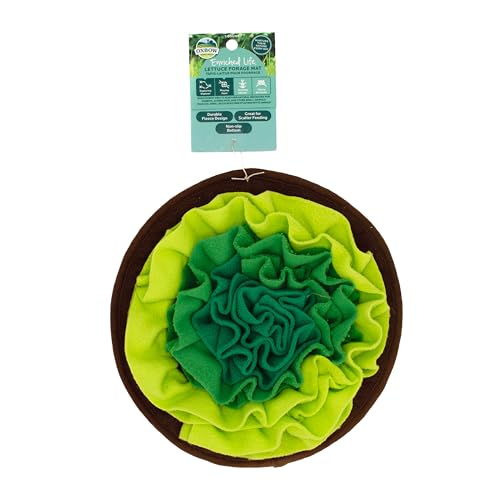
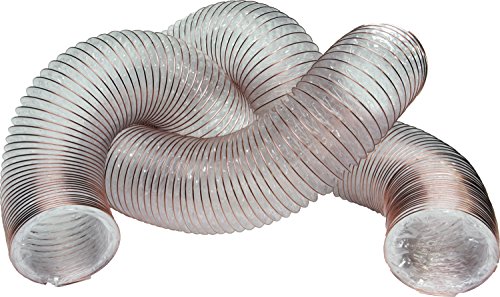
Prioritize hard, solid toys that a ferret cannot puncture or shred, such as sturdy hard plastic balls, natural woven grass mats meant for shredding and digging, and washable fabric tunnels with reinforced seams. Favor items with no small removable parts, no easily bitten squeakers, and no spongy give. Size matters too, since a toy should be too large to swallow yet light enough for your ferret to nudge and carry. Enrichment beats gnawing here, so dig boxes filled with rice, dried beans, or ball-pit balls, along with multi-level tunnels, satisfy natural behavior far better than any chew stick made for a rodent.
How We Chose
We built this list by reviewing ferret-owner reports, manufacturer material specs, and exotic pet care guidance, then filtering hard for swallow safety rather than novelty. We favored solid, hard-to-destroy designs and enrichment tools over squishy chews, and we flag where a popular product carries small parts to watch. We do not physically test products in a lab, and this is editorial research, not veterinary advice, so treat our picks as a starting point and confirm suitability for your individual ferret with an exotics vet.
What to Avoid
Skip soft rubber, foam, latex, vinyl, and any squishy or squeaky toy, since these are the classic materials ferrets bite off and swallow. Avoid rawhide, cheap plush with loose stuffing, toys with glued-on eyes or bells that pop free, and anything marketed for dogs or rodents without checking that a ferret cannot tear it apart. Never leave a ferret alone with a brand-new toy, and retire any toy the moment it shows a crack, a frayed edge, or a missing piece. When in doubt, choose hard enrichment and supervised play over a chewable, and ask your exotics vet before introducing an unfamiliar material.