The quick answer
Searching for the best chew toys for a Hermann tortoise leads most keepers to a surprising conclusion: a Hermann’s tortoise does not really need a chew toy at all. Tortoises are not rodents, and they do not gnaw to file down ever growing teeth. Instead, a Hermann’s tortoise keeps its horny beak in shape by grazing a high fiber plant diet and by rasping against hard, mineral rich items. The most useful picks are a cuttlebone and a calcium block, which double as a calcium source, plus safe browse and a rough hide the tortoise can rub against. Skip anything marketed as a gnaw or chew toy for rodents.
Why beak wear matters
A Hermann’s tortoise beak grows slowly and continuously. In the wild, constant grazing on tough, fibrous Mediterranean plants and the occasional scrape against stone keeps the beak neatly worn. In a home enclosure, soft supermarket greens and pellet diets can let the beak and nails overgrow, which makes eating painful and can point to a wider calcium or husbandry problem. Offering a cuttlebone or calcium block gives the tortoise something firm to rasp on while topping up dietary calcium. It is a support tool, not a replacement for the right diet, and it will not fix an already overgrown beak.
What to look for
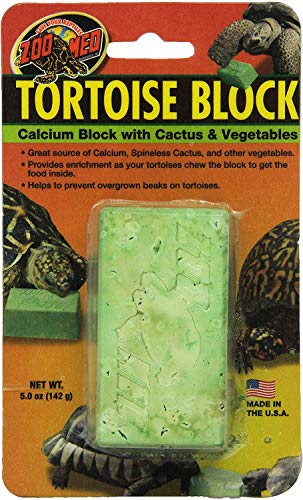
Favor natural, indigestible, mineral rich items sized so they cannot be swallowed whole. A cuttlebone offers a soft, calcium rich surface to wear the beak. A compressed calcium or hay block adds minerals and a firm texture. A rough cork bark hide or a heavy natural stone lets the tortoise rub and climb. Safe browse such as dried herbs and edible plant fibre encourages the grazing that does the real work. The single most protective factor is size: every item must be far too large to fit whole in the tortoise mouth.
How we chose
We did not lab test these products on live animals. Instead we screened widely sold reptile items against three questions that matter for a Hermann’s tortoise: is the material non toxic and free of glue, paint or coatings; is it too large to swallow and heavy enough not to tip; and does it support beak wear or calcium intake honestly rather than through marketing hype. We favored plain cuttlebone, calcium and hay blocks, cork bark and natural stone over novelty gnaw toys. Where a product is really a bird or aquarium accessory, we say so.
What to avoid
Avoid plastic, painted or glued toys, anything small enough to be swallowed, and softwood or treated timber that can splinter. Steer clear of rodent gnaw sticks and mineral chews formulated for rabbits or hamsters, since their ingredients and shapes are not designed for a tortoise. Do not rely on any object to correct an overgrown or misaligned beak. Beak overgrowth, flaking or a parrot like curl is a health sign, not a chewing problem, and it should be assessed and trimmed by a qualified exotics or reptile vet rather than filed at home.