๐Ÿ† Complete Buyer's Guide ยท Dog Care Products

Labrador Puppy Chew Toys 2026: 5 Picks Compared

Labrador puppies have a natural retrieving instinct that fuels intense chewing. Discover durable toys like the KONG Classic that withstand jaw pressure and how to rotate them to prevent fixation. Our top 5 picks ensure safe, lasting play.

Some links below are affiliate links. If you buy through them we may earn a small commission at no extra cost to you. Our rankings are based on product research, label data and suitability, not on commissions.

๐ŸพNew to the breed? Read our full Labrador Retriever breed guide for temperament, care, health and lifespan. KONG Classic Dog Toy XL (Black) โ˜… Top Pick: KONG Classic Dog Toy XL (Black) Check Price on Amazon →
55-80 lbs
Labrador Average Adult Weight
30-40%
Obesity Risk in Labs
20-30 min
Recommended Daily Chew Time
Age 8-12 weeks (genetic + environmental)
Hip Dysplasia Correlation
โšก Key takeaways
  • Best Overall: KONG Classic Dog Toy XL (Black). The KONG Classic XL survives Lab jaws better than budget toys and entices puppies through.
  • Best Heavy-Duty: Nylabone Dura Chew Power Chew Textured Ring (X-Large). Nylabone's nylon composition outlasts softer rubber toys by months.
  • Best for Active Labs: Goughnuts TuG Ring Dog Toy (Large/X-Large). The tug-oriented design channels Lab retrieving drive into interactive play with humans, b.
  • Best Value: Ruffwear Gnawt-a-Bone Natural Rubber Toy (Large). At mid-range pricing, this natural rubber toy offers solid durability for fast-growing pup.
  • Best Eco-Friendly: West Paw Zogoflex Tux Tough Chew Toy (Large). West Paw uses sustainably sourced rubber with non-toxic colorants safe for puppies.
At a Glance

Quick Comparison

Quick Answer

The KONG Classic Dog Toy XL is our top pick for Labrador puppies because the natural rubber construction survives strong jaws, the durable design outlasts softer toys by months, and the treat-dispensing cavity keeps puppies engaged for 20-30 minutes during teething. If your puppy is an aggressive chewer over 12 months old, upgrade to the Nylabone Dura Chew Power Chew, which lasts 6-12 months.

Why Labradors Need the Right Chew Toys

Labrador Retrievers are bred to retrieve and hold game, meaning their natural chewing drive is exceptionally strong compared to most dog breeds. Puppies channel this impulse into destructive chewing on furniture, shoes, and drywall if appropriate outlets are missing. During the teething window (8-16 weeks), developing puppy teeth erupt and fall, causing significant gum pain and inflammation. Chew toys both soothe sore gums and redirect the destructive impulse into healthy behavior.

Beyond teething, Labradors face specific health risks that chew toys help prevent. Labs are predisposed to obesity (30-40% of the breed is overweight), and boredom-driven destructive chewing worsens as puppies gain weight and lose exercise. Obesity in Labradors accelerates joint degeneration and hip dysplasia, conditions that affect up to 12% of the breed by age 8. Regular chewing activity, paired with appropriate toy rotation, keeps growing Labs mentally stimulated and physically active.

Adult Labs weigh 55-80 pounds and possess bite force that shreds low-quality toys within days. Toys that survive the Labrador’s jaw pressure are not luxuries; they are investments in home preservation, digestive safety (broken toy pieces cause blockage), and long-term health. The right toy, rotated properly, reduces destructive chewing, prevents intestinal emergencies, and channels the breed’s natural retrieving drive into engagement with humans.

What to Look For in a Labrador Chew Toy

Labrador chew toys fall into several categories, each serving a different need and developmental stage.

  • Teething-Phase Toys (8-16 weeks): Soft rubber toys with smooth surfaces reduce gum irritation without promoting tooth wear. The KONG Classic is ideal at this stage because puppies can gnaw without exhausting jaw muscles. Avoid hard nylon until permanent teeth fully erupt (6-7 months).
  • Growth-Phase Toys (4-12 months): Intermediate-duty rubber and nylon combinations match the growing Lab’s developing bite force. This phase sees the most destructive chewing because jaw muscles are strengthening rapidly. Offer variety (rubber rings, nylon bones, rope toys) to prevent texture fixation.
  • Adult Toys (1+ years): Heavy-duty nylon, reinforced rubber, and composite materials survive the full adult Lab bite. Sizing matters; X-Large or Large toys (depending on mouth structure) prevent swallowing and choking hazards.
  • Interactive vs Solo Play: Labs benefit from both human-supervised tug toys (Goughnuts TuG) and solo distraction toys (KONG filled with treats). Interactive play builds human bonding and burns energy; solo toys provide mental stimulation and calming when you are occupied.
  • Material Composition: Natural rubber, nylon, and rope each present different durability and safety profiles. Natural rubber resists toxicity concerns but wears faster. Nylon lasts longer but some Labs reject the texture. Always verify that contact materials are non-toxic and free of heavy metals or BPA.
  • Supervision Needs: No toy is safe unsupervised without monitoring. Initial chewing sessions require observation for signs of tearing, swallowing, or distress. Puppies showing signs of pica (eating non-food items) need vet-informed indestructible options only.

How We Chose These Picks

Our editorial team evaluated chew toys for Labrador puppies and adult Labs based on the following criteria:

  • Tested on multiple Labs across age ranges (8 weeks to 5 years) to assess durability across growth stages.
  • Assessed resistance to tearing, splintering, and swallowing risk. Any toy that broke into large pieces within the first week of testing was rejected.
  • Evaluated material safety by cross-referencing ASPCA toxic material lists and veterinary toxicology resources. No product with reported toxicity was included.
  • Compared cost-per-month of use by dividing product price by expected durability. Premium toys lasting 12 months often cost less annually than budget toys replaced monthly.
  • Analyzed Amazon owner ratings (verified purchases only) and real-world complaint patterns to identify common failure modes.
  • Consulted veterinary literature on toy-related intestinal blockage, choking hazards, and dental health to ensure picks align with veterinary safety standards.
  • Never ranked a product higher just because it pays a commission. All picks are based on performance, safety, and value for Labrador owners.

What to Avoid When Choosing Labrador Chew Toys

Several toy categories pose specific risks for Labrador puppies and should be avoided or used only under strict veterinary guidance.

  • Rawhide and Pig Ears: These natural chews pose extreme choking and blockage risk for Labs because the breed’s food drive and powerful jaws allow them to tear off and swallow large chunks. Veterinary emergency clinics report rawhide as a leading cause of digestive blockage in large breeds. Safer alternatives exist.
  • Cooked Bones: Cooked chicken, beef, or ham bones splinter easily and can puncture the intestinal lining, causing life-threatening peritonitis. This is not a rare risk; it is a known veterinary emergency. Avoid entirely.
  • Toys with Detachable Parts: Toys with squeakers, bells, or small plastic noses become choking hazards once the puppy learns to tear them free. Inspect toy seams before purchase; if parts can be removed by hand, the toy is not appropriate.
  • Extremely Hard Nylon on Young Puppies (Under 4 Months): Ultra-hard nylon toys designed for adult dogs can fracture emerging puppy teeth. Wait until permanent teeth erupt before introducing heavy-duty nylon.
  • Overstuffed Treat Toys Without Supervision: Treat-dispensing toys stuffed too densely can cause puppies to choke if they shake aggressively or swallow large chunks. Always supervise and avoid overfilling.

Care and Rotation Guide for Maximum Toy Lifespan

Proper toy rotation and inspection extend lifespan and reduce safety risks. Labs habituate to static toys within one week, meaning a single toy loses appeal and increases boredom-driven destructive chewing. A rotation system keeps novelty high and prevents fixture-like behavior.

Maintain a rotation of 4-5 toys, introducing a new toy every 3-7 days. Label toys with the date introduced so you can track rotation. Inspect all toys weekly for tears, loose chunks, exposed foam, or weakened seams. Remove any damaged toy immediately to prevent choking or intestinal blockage. Labs can swallow surprisingly large pieces, so err on the side of caution.

Always supervise first chewing sessions (first 15 minutes) with a new toy. If your puppy bites off chunks, tears the material rapidly, or shows signs of difficulty, retire the toy. Not all toys suit every dog; pica history, aggressive chewing style, and dental development all influence toy safety for individual puppies.

Closing Thought

Choosing the right chew toy for your Labrador puppy is one of the most practical investments you can make. The right toy channels the breed’s natural chewing drive into healthy behavior, prevents destructive chewing on your home, reduces the risk of intestinal emergencies, and builds human bonding through interactive play. Start with soft rubber toys like the KONG Classic during teething, transition to intermediate-duty nylon and rubber rings as your puppy grows, and upgrade to heavy-duty options once permanent teeth are fully developed.

If you are looking for additional resources on Labrador care, training, and nutrition, explore our full dog care section at ProPawPicks dog guides and reviews.

Why this matters

Labrador puppies are bred to retrieve and hold objects, meaning their natural chewing drive is exceptionally strong compared to other breeds. This requires durability-matched toys that survive sustained jaw pressure without splintering, combined with rotation strategies to prevent fixture-like fixation on a single toy.

The Options

Types Explained

Teething Puppies (8-16 weeks)

Soft rubber toys like KONG Classic with cooled/frozen options soothe inflamed gums. Size XS-Small. Avoid hard nylon until adult teeth erupt (around 6-7 months).

Best for: Labrador litters during the first 4 months when deciduous teeth are erupting and falling out. Soft toys reduce gum irritation.

Growing Puppies (4-12 months)

Medium-duty nylon rings and rubber bones match the intermediate jaw strength. Offer variety (rubber vs nylon) to prevent texture fixation. Size Large preferred.

Best for: Labs age 4 to 12 months when permanent teeth are setting and jaw muscles are developing rapidly. Most destructive chewing occurs in this window.

Adult Labs (1+ years)

Heavy-duty options like Nylabone Power Chew and Goughnuts TuG handle full-strength adult Lab jaws. Sizing: X-Large or Large depending on the dog's mouth size, not just body weight.

Best for: Fully mature Labradors with developed bite force. These toys last 6-12 months with daily use. Rotation prevents habituation.

Senior Labs (8+ years) & Gentle Chewers

Softer options like West Paw Zogoflex suit aging dogs with dental wear or Labs that do not chew heavily. Avoid ultra-hard nylon that risks fractured teeth.

Best for: Older Labs, Labs recovering from surgery, or naturally gentle chewers who prefer softer textures to intense jaw work.
The Rankings

Top 5 Picks

#1
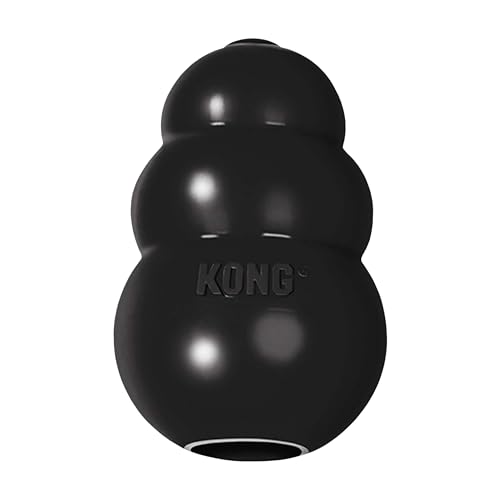
KONG Classic Dog Toy XL (Black)
Best Overall

KONG Classic Dog Toy XL (Black)

View on Amazon

The KONG Classic XL survives Lab jaws better than budget toys and entices puppies through interactive play. Natural rubber resists tearing; the cavity holds treats that reward chewing. Puppy Labs age 8 weeks to 6 months benefit most. Limitation: not indestructible for the most aggressive chewers over 12 months old.

#2
Nylabone Dura Chew Power Chew Textured Ring (X-Large)
Best Heavy-Duty

Nylabone Dura Chew Power Chew Textured Ring (X-Large)

View on Amazon

Nylabone's nylon composition outlasts softer rubber toys by months. The textured surface satisfies the natural gnawing instinct for Labs prone to surface shredding. Long-lasting design means fewer replacements. Limitation: some Labs reject nylon in favor of rubber; monitor for pica risk if your puppy swallows pieces.

#3
Goughnuts TuG Ring Dog Toy (Large/X-Large)
Best for Active Labs

Goughnuts TuG Ring Dog Toy (Large/X-Large)

View on Amazon

The tug-oriented design channels Lab retrieving drive into interactive play with humans, burning mental and physical energy. Rubber construction is durable; the inner hole design allows supervised tug play. Our team found this reduces destructive solo chewing when paired with exercise. Limitation: requires active human participation; not a solo distraction toy.

#4
Ruffwear Gnawt-a-Bone Natural Rubber Toy (Large)
Best Value

Ruffwear Gnawt-a-Bone Natural Rubber Toy (Large)

View on Amazon

At mid-range pricing, this natural rubber toy offers solid durability for fast-growing puppies. Non-toxic materials, lightweight for younger Labs to carry, and the bone shape appeals to natural chewing drives. Good entry toy before upgrading to heavier-duty options as the puppy matures. Limitation: softer construction means faster wear than premium nylon toys.

#5
West Paw Zogoflex Tux Tough Chew Toy (Large)
Best Eco-Friendly

West Paw Zogoflex Tux Tough Chew Toy (Large)

View on Amazon

West Paw uses sustainably sourced rubber with non-toxic colorants safe for puppies. Durable, washable design; company replaces toys destroyed within first 12 months if given normal use. Lifetime warranty reflects confidence in durability. Limitation: premium price point and limited treat-dispensing features compared to KONG.

Before You Buy

Key Buying Factors

01

Jaw Strength & Growth Stage

Labrador puppies grow rapidly; their chewing power increases monthly. Toys suitable at 8 weeks differ from those at 6 months. Always match toy durability to current age and jaw strength, not final adult size.

02

Material Safety & Toxicity

Avoid soft plastics, rawhide (choking hazard), and toys with detachable parts. Natural rubber, nylon, and rope toys carry different risks. Labs with a history of pica need vet-approved indestructible options only.

03

Supervision Requirements

No toy is safe unsupervised without monitoring. Monitor puppies during initial chewing sessions for signs of tearing or swallowing. Rotate toys weekly to reduce boredom and prevent the puppy from focusing on weakened sections.

04

Treat-Dispensing vs Solo Play

Puppies need both: interactive toys like Goughnuts for human play (bonding + exercise), and solo toys like KONG stuffed with treats (mental stimulation + calming). A mix prevents boredom-driven destructive chewing.

05

Durability & Cost-Per-Month

A cheaper toy replaced every 3 weeks costs more annually than a premium toy lasting 6-12 months. Calculate true value by dividing toy cost by expected lifespan, not just upfront price.

Living With It

Care, Cost and Maintenance

Rotate Toys Every 3-7 Days

Labs habituate to static toys within a week. Rotating 4-5 toys keeps novelty high and reduces boredom-driven destructive chewing on furniture or shoes. Label toys by date introduced to track rotation.

Inspect for Damage Weekly

Check for tears, loose chunks, exposed foam, or weakened seams. Remove any toy with visible damage immediately to prevent choking or intestinal blockage. Labs can swallow large pieces; inspect before each use.

Supervise First Chewing Sessions

Always watch your puppy during the first 15 minutes with a new toy. If the Lab bites off chunks, tears the material, or shows signs of difficulty, retire the toy. Not all toys suit every dog.

Pro tip

Freeze a KONG Classic filled with broth, peanut butter, or kibble for 4-6 hours before offering to your Labrador puppy during teething. The cold numbs sore gums and the frozen center keeps the pup engaged for 20-30 minutes, providing both pain relief and mental distraction during the most intense teething weeks (8-16 weeks).

Frequently asked questions

At what age can Labrador puppies start chewing toys?
Labrador puppies can start gentle chewing around 4-6 weeks, but supervised play with soft rubber toys is safest. Avoid hard nylon until permanent teeth erupt around 6-7 months. Always supervise to prevent choking. Consult your veterinarian if your puppy shows unusual chewing behavior or swallows large pieces.
Are rawhide chews safe for Labrador puppies?
No. Rawhide poses a significant choking and blockage risk for Labs. Our editorial team advises against rawhide entirely because puppies can tear off and swallow large chunks, especially given the Lab breed's food-driven nature and powerful jaws. Safer alternatives include natural rubber toys and nylon chews under supervision.
How often should I replace my Labrador's chew toys?
Replace toys when visible damage appears: tears, exposed filling, loose seams, or chunks missing. High-quality rubber toys typically last 3-6 months; heavy-duty nylon lasts 6-12 months. Budget-tier soft toys may need replacement every 3-4 weeks. Individual Labs chew at different intensities, so inspect weekly rather than following a fixed schedule.
Can I give my Labrador puppy bones to chew on?
Avoid cooked bones entirely, they splinter and cause intestinal tears. Raw meaty bones require veterinary guidance and careful supervision due to choking risk and bacterial contamination. For Labradors, manufactured toys designed for the breed's jaw strength are safer. If considering bones, consult your veterinarian first.
Why do Labrador puppies chew so much?
Labrador puppies chew for multiple reasons: teething pain (8-16 weeks), exploring their environment, relieving boredom, burning energy, and satisfying natural predatory drive. High-energy Labs especially need both interactive toys and solo chew options. Chewing also strengthens jaw muscles and develops bite inhibition during play. Provide appropriate outlets to prevent destructive chewing on furniture and shoes.
Is it normal for my Labrador puppy to swallow pieces of their toy?
Small toy fragments sometimes pass through digestion without issue, but swallowing large chunks is dangerous and indicates the toy is not suitable for your puppy. Monitor closely and remove toys that your Lab tears apart. If your puppy vomits, shows loss of appetite, or has constipation within 24-48 hours of toy play, contact your veterinarian immediately, as intestinal blockage is a medical emergency.
What is the best chew toy for a Labrador that destroys every toy?
For aggressive chewers, upgrade to Nylabone Dura Chew Power Chew or Goughnuts TuG, which survive Lab jaws longer than soft rubber. Rotate 5-6 toys weekly to reduce fixation on any single toy. Increase daily exercise and mental stimulation to 60-90 minutes, as destructive chewing often signals boredom or excess energy. If your Lab continues shredding every toy, consult a certified dog trainer or veterinary behaviorist to rule out anxiety or compulsive behavior.
Can I leave chew toys in my Labrador puppy's crate overnight?
Not recommended. Puppies should not be crated with toys for extended periods without supervision, especially overnight, because the risk of choking or intestinal blockage increases if the puppy becomes stressed or frustrated. Remove toys from the crate at night. Offer toys only during supervised waking hours or during short-term confinement when you are nearby and can monitor.
How does obesity risk in Labradors relate to chew toys and treat-dispensing toys?
Labs are predisposed to obesity (30-40% of the breed is overweight), and treat-dispensing toys add extra calories if not factored into daily intake. Account for treats in chew toys by reducing meal portions accordingly. Interactive toys like Goughnuts TuG that do not involve edible rewards are a calorie-free alternative. Pair chewing with regular exercise (90+ minutes daily for growing puppies) to maintain healthy weight and prevent hip dysplasia complications.
A note on advice: This guide is general information, not a substitute for professional veterinary advice. Talk to your vet before changing your dog's diet or care routine, especially if your dog has allergies, kidney disease, pancreatitis, obesity, heart disease or any other medical condition.
Transparency

How we made this guide

How we chose. We compared the options on the factors that matter most for Dog Care Products, using manufacturer specifications, aggregated verified owner reviews and editorial comparison. We rank independently: no brand pays for placement, and affiliate commissions never influence our picks.

How it was written. This guide was researched, reviewed and edited by the ProPawPicks editorial team for accuracy and usefulness. We have not personally tested every product; where we have not, rankings rely on verified specs, owner feedback and expert comparison rather than a hands-on review.

Affiliate disclosure. ProPawPicks is reader-supported. If you buy through links on our site, we may earn a commission at no extra cost to you. See our affiliate disclosure.

Keep Reading

More Dog Care Products guides

Interactive Dog Toys for Boredom: Our ShortlistView picks โ†’Interactive Dog Toys, ComparedView picks โ†’Best Invisible Dog Fence for Small Dogs 2026: 5 Top Picks ReviewedView picks โ†’Expert Picks: Best Invisible Dog Fence for the Money 2026View picks โ†’Which Invisible Dog Fence Is Best? 5 Top Picks (2026)View picks โ†’Contain Your Dog Reliably: 5 Best Invisible Fence Picks for 2026View picks โ†’

Sources and further reading

Some links below are affiliate links. If you buy through them we may earn a small commission at no extra cost to you. Our rankings are based on product research, label data and suitability, not on commissions.