Quick answer
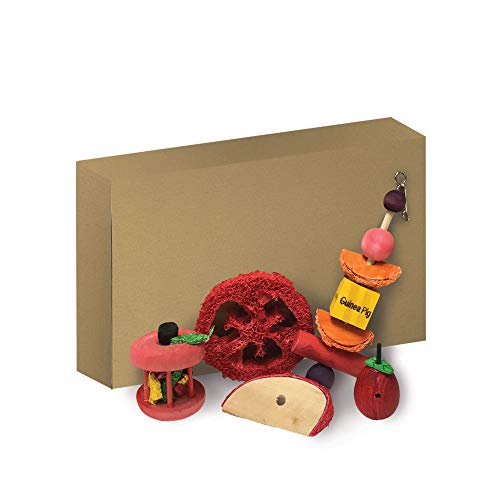
The best chew toys for pet mice are made from untreated wood, plain cardboard, woven grass, or natural minerals that a mouse can grip, gnaw, and shred safely. Our top picks are the Kaytee Chew & Treat Toy Box for its mix of textures, the Oxbow Enriched Life Apple Stick Bouquet for edible daily gnawing, and the Tfwadmx Woven Seagrass Grass Mats for shredding and tunneling. The Bojafa Apple Sticks pack is the budget staple, and the Hagen Living World Teach N Treat block suits new owners. Pair one hard wood item with a soft grass or cardboard item for the best mix of dental wear and enrichment.
Why chewing matters for mice
A mouse’s incisors grow continuously for its entire life. Without constant gnawing, those teeth keep growing and can overgrow, curling into the mouth and gums and causing pain, weight loss, and difficulty eating. Chewing wears the teeth back down to a healthy length, so a steady supply of safe chews is not a luxury but a basic health need. Chewing also delivers vital enrichment for a busy, curious mouse, giving it a natural outlet that reduces boredom, stress, and cage-bar biting.
What to look for
Choose items small and light enough for a mouse to carry, usually under four inches. Stick to untreated apple or willow wood, plain cardboard tubes and boxes, seagrass and grass mats, loofah, and mineral or pumice chews. Cardboard is cheap, completely safe, and doubles as nesting and burrow material, so it earns a permanent spot in the cage. Offer variety: a hard wood stick for serious gnawing plus a soft shreddable item for foraging keeps a mouse engaged far longer than any single toy.
How we chose
We prioritized natural, untreated materials that are safe if nibbled and swallowed in small amounts, sizes suited to a mouse rather than a rabbit, and toys that encourage the shredding and manipulating that mice love. Picks that pull double duty as a hide, tunnel, or nesting source scored higher because they enrich the whole environment, not just the teeth. Value and how quickly a mouse actually engaged with each item also shaped the list.
What to avoid
Skip treated, painted, or varnished wood, which can carry toxins a mouse will ingest as it chews. Avoid cedar and aromatic pine, whose strong oils can irritate a mouse’s sensitive airways. Never give hard plastic a mouse can gnaw and swallow, as sharp fragments risk gut blockage or injury, and steer clear of dyed or heavily inked items. When any safe chew gets destroyed, that is normal and healthy: simply rotate and replace it, since a well-chewed toy means your mouse is doing exactly what its teeth need. If you ever notice drooling, weight loss, or visibly overgrown front teeth, add more chews and check with an exotic-pet vet, as those can signal dental overgrowth that needs attention.


