Quick answer
The best toys for sugar gliders are safe enrichment and foraging toys, not dental chews. Gliders are curious, athletic, tree-dwelling marsupials, so they thrive with foraging and treat-dispensing toys, bird-style toys they can manipulate, plain untreated wood and vine or seagrass items they can nibble and shred, and secure hanging toys to climb and explore. Rotate a small selection of two or three at a time to keep things novel, and make safety the first filter on anything that goes into the cage.
Do sugar gliders need chew toys?
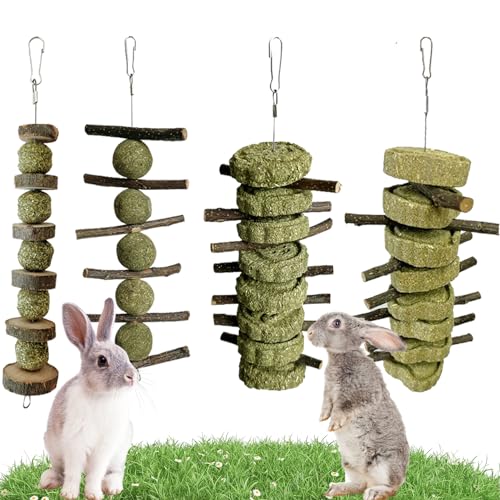
No, not in the way rodents do. Sugar gliders are marsupials, not rodents, and their teeth do not grow continuously, so they do not need gnaw blocks to wear their teeth down. A few of the picks on this page are marketed as rodent or rabbit gnaw toys or dog chews; a glider may still nibble or shred natural wood, and that is fine as play, but you should choose these for enrichment and foraging, not for dental filing. The real aim is to keep a bright, energetic animal mentally and physically busy so it does not grow bored or stressed in the cage.
What to look for
Prioritize toys that reward a glider’s intelligence and climbing instinct. Foraging and treat-dispensing toys make them work for food, which mirrors how they gather in the wild. Bird-style toys with wood, vine, seagrass or plain paper give safe things to grab, turn and pull apart. Natural untreated wood and loofah are fine to nibble. Secure hanging and climbing toys use up energy and use the vertical space gliders love. Pick sizes with no small parts that could be swallowed, and attach every toy firmly so nothing sags loose into the cage. A good toy holds a glider’s attention for days, not minutes, and gives you something safe to inspect and rotate.
How we chose
We prioritized safe materials, sensible sizing and honest enrichment value over dental marketing. We favored untreated natural wood, vine and seagrass, avoided items with removable small parts or toxic finishes, and flagged where a product is really a rodent or dog chew rather than a purpose-built glider toy. We also weighed how well each toy supports foraging, manipulation and climbing, and how easy it is to inspect and keep clean over weeks of use.
What to avoid
Skip toys with small swallowable parts, and anything with loose threads, strings or loops; a glider’s tiny toes and limbs catch and injure in loops, the same hazard seen with frayed pouches. Avoid zinc or lead-painted metal and galvanized clips or chains, which can cause metal toxicity if mouthed, and skip soft rubber or foam that could be ingested and cause a blockage. Watch out for glued, painted or varnished finishes on cheap wood too. When in doubt, choose plain wood and simple designs, trim any fraying you find, and ask an exotics vet if a material worries you.