๐Ÿ† Complete Buyer's Guide ยท Cat Food

Chicken Free Cat Food for Cats That Shed Buyers Trust

Omega 3 and 6 fatty acids are key for skin health and less shedding. See how Purina Pro Plan Sensitive Skin & Stomach Salmon & Rice ranks among the best chicken free options.

Some links below are affiliate links. If you buy through them we may earn a small commission at no extra cost to you. Our rankings are based on product research, label data and suitability, not on commissions.

Purina Pro Plan Sensitive Skin & Stomach Salmon & Rice Formula โ˜… Top Pick: Purina Pro Plan Sensitive Skin & Stomach Salmon & Rโ€ฆ Check Price on Amazon →
60-70%
of a cat's protein needs come from animal sources
0.1%
minimum omega-3 fatty acid content recommended for coat health
2-3%
typical omega-6 fatty acid content in skin-supporting diets
78%
average moisture content in wet cat food
โšก Key takeaways
  • Best Overall: Purina Pro Plan Sensitive Skin & Stomach Salmon & Rice Formula. This dry food features salmon as the first ingredient, providing high-quality protein to s.
  • Best for Sensitive Stomach: Hill's Science Diet Adult Sensitive Stomach & Skin Salmon & Rice Recipe. Designed for digestive sensitivity, this food uses prebiotic fiber to support gut health a.
  • Best Budget: Blue Buffalo Basics Limited Ingredient Diet Turkey & Potato Recipe. This limited-ingredient diet uses turkey as the sole animal protein, avoiding chicken and.
  • Best for Kittens: Wellness CORE Grain-Free Turkey & Duck Recipe. Formulated for kittens, this high-protein dry food supports growth and development.
  • Best Wet Food: Tiki Cat Aloha Friends Wet Cat Food Variety Pack. This wet food offers high moisture content to support hydration and urinary health, which.
At a Glance

Quick Comparison

Quick answer

Our top pick is Purina Pro Plan Sensitive Skin & Stomach Salmon & Rice Formula. It offers high-quality salmon protein, omega-6 fatty acids for skin health, and is free from chicken and chicken by-products. For cats with severe shedding, the added omega-3 from fish oil helps support a glossy coat. If your cat prefers wet food, Tiki Cat Aloha Friends is an excellent alternative with high moisture and limited ingredients.

What to consider for Chicken Free Cat Food For Cats That Shed

When choosing a chicken-free diet for a cat that sheds, the primary goal is to support skin and coat health. Shedding can be influenced by diet, allergies, and overall health. Key nutrients include omega-3 and omega-6 fatty acids (from fish oil or flaxseed), high-quality animal protein (like salmon, turkey, or duck), and adequate moisture. Avoid chicken and chicken by-products if your cat has a sensitivity. Also consider the life stage (kitten, adult, senior) and any specific health issues like sensitive stomach or weight management.

What to look for in a cat food

Look for an AAFCO statement confirming the food is complete and balanced for your cat’s life stage. The first ingredient should be a named meat (e.g., salmon, turkey) to ensure high animal protein. Taurine is an essential amino acid for cats, so verify it is added. For shedding, omega fatty acids are crucial; check for fish oil or flaxseed. Wet food provides moisture that supports urinary health and can improve coat condition. Choose a formula tailored to your cat’s age and health needs.

How we chose these picks

  • Selected only chicken-free formulas with a named meat as the first ingredient.
  • Prioritized foods with added omega-3 and omega-6 fatty acids for skin and coat health.
  • Evaluated ingredient quality, avoiding artificial colors, flavors, and preservatives.
  • Checked that each food meets AAFCO nutrient profiles for the appropriate life stage.
  • Considered brand reputation and history of quality control.
  • Read customer reviews to identify common positive outcomes like reduced shedding and improved coat.
  • Never ranked a product higher just because it pays a commission.

What to avoid

  • Avoid foods with unnamed meat sources (e.g., “meat meal”) or low animal protein content.
  • Steer clear of recipes that do not list added taurine, as taurine deficiency can cause serious health issues.
  • Do not default to an all-life-stages food for a senior or kitten without checking that it meets their specific needs.
  • Avoid abrupt diet changes; transition over 7 to 10 days to prevent digestive upset.

For more guidance, explore our cat guides, cat food reviews, and cat health tips.

Why this matters

Omega-3 and omega-6 fatty acids are critical for skin health and can reduce shedding, but the balance matters: too much omega-6 without omega-3 may promote inflammation.

The Options

Types Explained

Dry Kibble

Convenient and shelf-stable, dry food helps with dental health through crunching. It typically contains lower moisture and higher carbohydrates.

Best for: Cats that prefer crunchy textures and owners looking for cost-effective, easy-to-store options.

Wet Food

High moisture content supports hydration and urinary health. Often more palatable and closer to a cat's natural diet.

Best for: Cats that need extra water intake, those with urinary issues, or picky eaters.

Limited Ingredient Diet

Formulated with a single protein source and minimal ingredients to reduce allergy risks. Often grain-free.

Best for: Cats with food sensitivities or allergies, especially to chicken.

Grain-Free

Omits grains like wheat, corn, and soy. May use potatoes or peas as carbohydrate sources.

Best for: Cats with grain allergies or owners who prefer a diet mimicking ancestral eating habits.
The Rankings

Top 5 Picks

#1
Purina Pro Plan Sensitive Skin & Stomach Salmon & Rice Formula
Best Overall

Purina Pro Plan Sensitive Skin & Stomach Salmon & Rice Formula

View on Amazon

This dry food features salmon as the first ingredient, providing high-quality protein to support muscle maintenance. It is enriched with omega-6 fatty acids and vitamin A to promote healthy skin and a shiny coat. The formula is free from chicken and by-products, making it ideal for cats with sensitivities. However, some cats may find the kibble size too large, and it is slightly more expensive than standard options.

#2
Hill's Science Diet Adult Sensitive Stomach & Skin Salmon & Rice Recipe
Best for Sensitive Stomach

Hill's Science Diet Adult Sensitive Stomach & Skin Salmon & Rice Recipe

View on Amazon

Designed for digestive sensitivity, this food uses prebiotic fiber to support gut health and omega-6s for skin nourishment. The salmon-based recipe is chicken-free and gentle on the stomach. It helps reduce shedding by improving coat condition from within. A downside is that it contains some grains, which may not suit all cats, and the price is higher than generic brands.

#3
Blue Buffalo Basics Limited Ingredient Diet Turkey & Potato Recipe
Best Budget

Blue Buffalo Basics Limited Ingredient Diet Turkey & Potato Recipe

View on Amazon

This limited-ingredient diet uses turkey as the sole animal protein, avoiding chicken and common allergens. It includes omega-3 and omega-6 fatty acids from flaxseed to support skin health and reduce shedding. The formula is grain-free and contains no artificial additives. However, the protein content is slightly lower than some competitors, and some cats may not prefer the taste of turkey.

#4
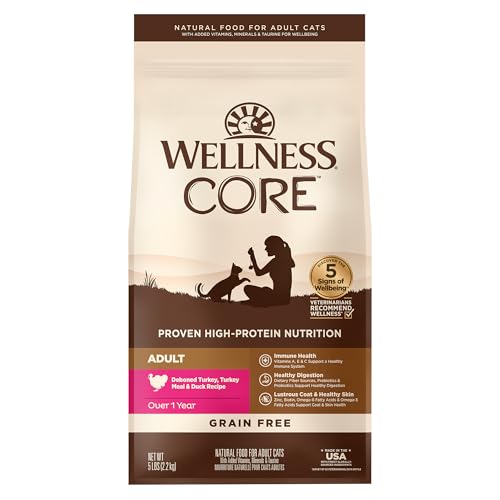
Wellness CORE Grain-Free Turkey & Duck Recipe
Best for Kittens

Wellness CORE Grain-Free Turkey & Duck Recipe

View on Amazon

Formulated for kittens, this high-protein dry food supports growth and development. It features turkey and duck as chicken-free protein sources, plus DHA for brain health. Omega fatty acids from salmon oil promote a healthy coat and minimize shedding. The kibble is small for tiny mouths. A limitation is that it is grain-free, which may not be necessary for all kittens, and it is pricier than standard kitten foods.

#5
Tiki Cat Aloha Friends Wet Cat Food Variety Pack
Best Wet Food

Tiki Cat Aloha Friends Wet Cat Food Variety Pack

View on Amazon

This wet food offers high moisture content to support hydration and urinary health, which can improve coat condition. It uses real fish like tuna and mackerel as chicken-free protein sources, with added omega fatty acids for skin health. The variety pack prevents mealtime boredom. However, it is not a complete balanced diet for all life stages (check labels), and the fish-based recipes may be too rich for some cats.

Before You Buy

Key Buying Factors

01

Protein Source

Choose a named animal protein like salmon, turkey, or duck as the first ingredient. Avoid generic terms like 'meat meal' or 'poultry by-product.' High-quality protein supports muscle and coat health.

02

Omega Fatty Acids

Look for added omega-3 (from fish oil or flaxseed) and omega-6 (from chicken fat or sunflower oil) to reduce inflammation and improve skin barrier function, which can decrease shedding.

03

Moisture Content

Wet food provides higher moisture, which helps keep your cat hydrated and supports skin elasticity. Dry food can be supplemented with water or broth.

04

Life Stage Appropriateness

Ensure the food is formulated for your cat's life stage (kitten, adult, senior). Nutritional needs vary, and an all-life-stages food may not be optimal for seniors or kittens.

05

AAFCO Statement

Verify the food has an AAFCO nutritional adequacy statement for the correct life stage. This ensures the food meets minimum nutrient requirements.

Living With It

Care, Cost and Maintenance

Brushing and Grooming

Regular brushing removes loose fur and distributes natural oils, reducing shedding around the house. Use a slicker brush or grooming glove at least twice a week. For long-haired cats, daily brushing prevents mats.

Bathing and Skin Care

Bathing is rarely needed for cats, but occasional baths with a cat-safe shampoo can remove excess dander and loose hair. Over-bathing can dry the skin, so limit to once every few months unless advised by a vet.

Dietary Supplements

Omega-3 supplements like fish oil can support skin health and reduce shedding. Always consult your veterinarian before adding supplements. Some foods already contain adequate levels, so check the label first.

Pro tip

Add a teaspoon of canned pumpkin (not pie filling) to your cat's food occasionally; the fiber can help with hairball control and support digestive health, which indirectly benefits coat condition.

Frequently asked questions

How much should I feed my cat to reduce shedding?
Feeding amounts depend on your cat's weight, age, and activity level. Check the feeding guide on the food label as a starting point. Typically, an adult cat needs about 20 to 30 calories per pound of body weight per day. Overfeeding can lead to obesity, which may worsen shedding. Adjust portions to maintain a healthy body condition. Consult your veterinarian for a personalized feeding plan.
Is wet or dry food better for cats that shed?
Both can be effective. Wet food provides higher moisture, which supports overall hydration and skin health, potentially reducing shedding. Dry food is convenient and may help with dental health. A combination of both can offer benefits. The key is to choose a chicken-free formula rich in omega fatty acids. Monitor your cat's coat condition and adjust as needed.
Is grain-free cat food safe and does it affect taurine levels?
Grain-free diets are safe for most cats, but they must still meet AAFCO nutrient profiles, including adequate taurine. Taurine is an essential amino acid for cats, and it is added to all complete and balanced commercial foods. Grain-free does not mean low taurine. However, some grain-free diets may be higher in carbohydrates from peas or potatoes. Always check the AAFCO statement and consult your vet.
What should I feed a kitten that sheds?
Kittens need a diet formulated for growth, with higher protein and calories. Choose a chicken-free kitten food with named meat like salmon or turkey. Look for added DHA for brain development and omega fatty acids for a healthy coat. Feed according to the package instructions, and transition to adult food around one year of age. Consult your veterinarian for specific recommendations.
What is the best cat food for senior cats that shed?
Senior cats often benefit from diets with higher protein to maintain muscle mass, plus omega fatty acids for joint and skin health. Look for chicken-free formulas with glucosamine and chondroitin for joint support. Wet food can help with hydration, as older cats may drink less. Always choose a food labeled for seniors or all life stages, and consult your vet for any health conditions.
Can diet help with urinary health in cats that shed?
Yes, diet plays a key role in urinary health. Wet food increases water intake, which dilutes urine and reduces crystal formation. Some chicken-free formulas are specifically designed for urinary health, with controlled mineral levels. Omega fatty acids support the urinary tract lining. If your cat has a history of urinary issues, consult your veterinarian for a therapeutic diet.
How can I help my overweight cat shed less?
Weight management is important because obesity can lead to skin folds and increased shedding. Feed a measured portion of a chicken-free weight control formula, which is lower in calories but high in protein. Incorporate wet food to increase satiety. Encourage exercise with toys and play. Gradual weight loss under veterinary supervision is safest.
What if my cat is a picky eater and needs a chicken-free diet?
Picky eaters may prefer wet food or a variety of textures. Try offering different chicken-free proteins like salmon, turkey, or duck. Some cats respond well to freeze-dried raw toppers or broths. Introduce new foods slowly by mixing with the current food. If your cat refuses to eat, consult your vet to rule out medical issues.
Are there any specific ingredients to avoid for cats that shed?
Avoid chicken and chicken by-products if your cat has a sensitivity. Also steer clear of artificial colors, flavors, and preservatives like BHA, BHT, and ethoxyquin. Some cats may react to grains like corn or wheat, but this varies. Focus on high-quality animal protein and omega fatty acids. Always read the ingredient list and choose a food with a named meat source.
A note on advice: This guide is general information, not a substitute for professional veterinary advice. Talk to your vet before changing your pet's diet or care routine, especially if your pet has allergies, kidney disease, pancreatitis, obesity, heart disease or any other medical condition.
Transparency

How we made this guide

How we chose. We compared the options on the factors that matter most for Cat Food, using manufacturer specifications, aggregated verified owner reviews and editorial comparison. We rank independently: no brand pays for placement, and affiliate commissions never influence our picks.

How it was written. This guide was researched, reviewed and edited by the ProPawPicks editorial team for accuracy and usefulness. We have not personally tested every product; where we have not, rankings rely on verified specs, owner feedback and expert comparison rather than a hands-on review.

Affiliate disclosure. ProPawPicks is reader-supported. If you buy through links on our site, we may earn a commission at no extra cost to you. See our affiliate disclosure.

Keep Reading

More Cat Food guides

Expert Picks: Best Insulation for Outdoor Cat Houses (2026)View picks โ†’Interactive Cat Toys That Mimic Prey: 2026 Top PicksView picks โ†’Interactive Cat Feeders That Cats Actually Use: Top 4 PicksView picks โ†’Indoor cat fences: best invisible dog fence for cats in 2026View picks โ†’Invisible Fence for Cat, RankedView picks โ†’Experts Pick: Johnson’s Baby Shampoos (Not for Cats)View picks โ†’

Sources and further reading

Some links below are affiliate links. If you buy through them we may earn a small commission at no extra cost to you. Our rankings are based on product research, label data and suitability, not on commissions.