๐Ÿ† Complete Buyer's Guide ยท Cat Care Products

Buyer’s Guide: Clumping Cat Litter for Nighttime Peace (2026)

Find out why Dr. Elsey's Precious Cat Ultra forms hard clumps and controls odor for days, helping you and your cat sleep through the night.

Some links below are affiliate links. If you buy through them we may earn a small commission at no extra cost to you. Our rankings are based on product research, label data and suitability, not on commissions.

Dr. Elsey's Precious Cat Ultra Unscented Clumping Clay Litter โ˜… Top Pick: Dr. Elsey's Precious Cat Ultra Unscented Clumping Cโ€ฆ Check Price on Amazon →
10+ days
Odor control duration (single cat)
99.9%
Dust-free (top low-dust options)
3-4 weeks
Typical litter box lifespan before full change
2-3 lbs
Average daily clump weight for one cat
โšก Key takeaways
  • Best Overall: Dr. Elsey's Precious Cat Ultra Unscented Clumping Clay Litter. This unscented clay litter forms rock-hard clumps that don't crumble, making quick scoopin.
  • Best Odor Control: Arm & Hammer Clump & Seal Platinum Multi-Cat Clumping Litter. With Arm & Hammer's patented odor neutralizers, this litter seals in smells for up to 7 da.
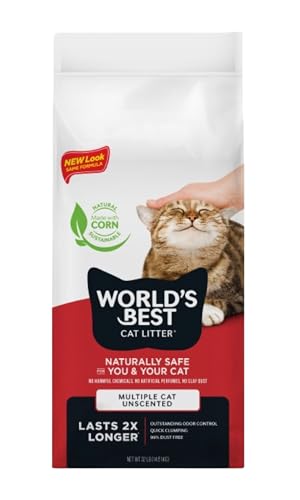
  • Best Natural: World's Best Cat Litter Multiple Cat Unscented Clumping Litter. Made from whole-kernel corn, this natural litter clumps well and controls odors naturally.
  • Best Low-Dust: Tidy Cats Free & Clean Unscented Clumping Litter. This unscented litter is 99.9% dust-free, which is ideal for cats with respiratory issues.
  • Best Multi-Cat: Fresh Step Multi-Cat Unscented Clumping Litter. Designed for multiple cats, this unscented litter offers powerful odor control and clumpin.
At a Glance

Quick Comparison

Quick answer

The best clumping cat litter for cats that wake you up is Dr. Elsey’s Precious Cat Ultra Unscented Clumping Clay Litter. Its superior clumping and odor control keep the box fresh longer, reducing the need for nighttime scooping. For a low-dust option, try Arm & Hammer Clump & Seal Platinum; for a natural choice, World’s Best Cat Litter Multiple Cat Unscented.

What to consider for Clumping Cat Litter For Cats That Wake You Up

When a cat wakes you up, it’s often due to a dirty litter box or a noisy cleaning routine. Choose a litter that forms hard, tight clumps that don’t break apart during scooping, so you can quickly remove waste without stirring up dust. Odor control is critical to prevent the box from smelling between cleanings. Also consider the litter’s texture; some cats prefer fine-grained litter that feels softer on their paws, which can encourage consistent use and reduce middle-of-the-night accidents.

What to look for in a cat litter or litter-area product

Look for strong clumping action that locks in moisture and odor. Low dust is important for both feline respiratory health and minimizing airborne particles that can settle on surfaces. Low-tracking formulas reduce the mess tracked outside the box. If you have multiple cats, choose a litter designed for multi-cat households to handle higher volume. Unscented options are best for sensitive cats who may be put off by fragrances, which can lead to avoidance and nighttime disruptions.

How we chose these picks

  • Evaluated clumping strength and odor control based on product specifications and customer feedback.
  • Considered dust levels and ingredient safety for cats with respiratory sensitivities.
  • Looked for low-tracking features to minimize mess.
  • Included options for single and multi-cat households.
  • Prioritized unscented or naturally scented formulas to avoid deterring cats.
  • Selected products from reputable brands with proven track records.
  • Ensured picks are widely available on Amazon for easy purchase.
  • Never ranked a product higher just because it pays a commission.

What to avoid

  • Heavily scented litters that can put cats off the box, leading to avoidance and nighttime yowling.
  • High-dust clay litters for cats with breathing issues, as dust can exacerbate respiratory problems.
  • A box that is too small or too few boxes for the number of cats; this can cause territorial disputes and late-night activity.
  • Sudden litter changes; always transition gradually over a week to prevent litter box aversion.

For more tips, check out our cat guides, cat food, and cat care products.

Why this matters

Cats often wake owners due to a dirty litter box, so choosing a litter that forms hard clumps and controls odor for days can significantly reduce nighttime disturbances. A quick pre-bed scoop is a simple but effective habit.

The Options

Types Explained

Clumping clay litter

The most common type, made from bentonite clay that forms solid clumps when wet. It offers excellent odor control and is widely available. However, it can be dusty and is not biodegradable.

Best for: Owners who prioritize strong clumping and odor control and don't mind some dust.

Natural clumping litter

Made from plant-based materials like corn, wheat, or pine. These litters are biodegradable, often low-dust, and may be flushable. They can be lighter, leading to more tracking, and some cats may try to eat them.

Best for: Eco-conscious owners or cats with respiratory issues who need a low-dust option.

Silica gel crystal litter

Composed of silica crystals that absorb moisture and control odor without clumping. They are extremely low-dust and long-lasting, but some cats dislike the texture and the crystals can be noisy when moved.

Best for: Owners who want minimal dust and infrequent full litter changes, but not for cats that prefer a soft texture.

Automatic self-cleaning litter box

A device that automatically rakes or sifts waste into a sealed compartment, reducing the need for manual scooping. They work best with specific clumping litters and can be expensive, but they minimize odor and noise from scooping.

Best for: Busy owners who want to minimize daily litter box maintenance and reduce nighttime disruptions.
The Rankings

Top 5 Picks

#1
Dr. Elsey's Precious Cat Ultra Unscented Clumping Clay Litter
Best Overall

Dr. Elsey's Precious Cat Ultra Unscented Clumping Clay Litter

View on Amazon

This unscented clay litter forms rock-hard clumps that don't crumble, making quick scooping easy and reducing nighttime disruption. Its odor control is excellent, lasting up to 10 days with a single cat. However, it is a clay litter, so it may produce some dust when pouring, and it is not biodegradable.

#2
Arm & Hammer Clump & Seal Platinum Multi-Cat Clumping Litter
Best Odor Control

Arm & Hammer Clump & Seal Platinum Multi-Cat Clumping Litter

View on Amazon

With Arm & Hammer's patented odor neutralizers, this litter seals in smells for up to 7 days even with multiple cats. The clumps are strong and tight, minimizing breakage. The main trade-off is that it is scented, which some cats may dislike, and the fragrance can be strong initially.

#3
World's Best Cat Litter Multiple Cat Unscented Clumping Litter
Best Natural

World's Best Cat Litter Multiple Cat Unscented Clumping Litter

View on Amazon

Made from whole-kernel corn, this natural litter clumps well and controls odors naturally without added perfumes. It is low dust and flushable (in small amounts), making cleanup easy. However, it is lighter than clay, so it may track more, and some cats may be attracted to the taste.

#4
Tidy Cats Free & Clean Unscented Clumping Litter
Best Low-Dust

Tidy Cats Free & Clean Unscented Clumping Litter

View on Amazon

This unscented litter is 99.9% dust-free, which is ideal for cats with respiratory issues and reduces airborne particles. It forms solid clumps and has effective odor control. A limitation is that it may not control strong odors as long as some scented options, and it is a clay-based product.

#5
Fresh Step Multi-Cat Unscented Clumping Litter
Best Multi-Cat

Fresh Step Multi-Cat Unscented Clumping Litter

View on Amazon

Designed for multiple cats, this unscented litter offers powerful odor control and clumping that holds up under heavy use. It has activated charcoal to trap odors. The trade-off is that it can be dusty when first poured, and some users report that the clumps can be slightly softer than premium brands.

Before You Buy

Key Buying Factors

01

Clumping strength

Hard, tight clumps that don't break apart are essential for quick scooping without disturbing the rest of the litter. This reduces the time you spend at the box and minimizes noise that might wake you.

02

Odor control

Effective odor control keeps the box fresh between cleanings, preventing your cat from protesting with midnight meowing. Look for litters with activated charcoal, baking soda, or natural enzymes.

03

Dust level

Low-dust litters are better for cats with respiratory sensitivities and reduce the amount of airborne particles that can settle on surfaces. This is especially important if the box is in a bedroom.

04

Tracking

Low-tracking formulas have larger or heavier granules that are less likely to stick to paws and scatter outside the box. This keeps your floors cleaner and reduces the need for nighttime vacuuming.

05

Scent preference

Unscented litters are generally preferred for sensitive cats, as strong fragrances can deter them from using the box. If you choose a scented litter, ensure it is mild and not overwhelming.

Living With It

Care, Cost and Maintenance

Daily scooping

Scoop clumps and solid waste at least once daily to prevent odor buildup and keep the box inviting for your cat. For cats that wake you up, consider scooping right before bed to ensure a fresh box overnight.

Weekly deep clean

Empty the entire box, wash it with mild soap and water, and dry thoroughly before adding fresh litter. This prevents bacterial growth and lingering odors that can cause your cat to avoid the box.

Litter depth and topping off

Maintain a depth of 2 to 3 inches of litter. Top off with fresh litter as needed to replace what is removed during scooping. This ensures adequate clumping and odor absorption.

Pro tip

Place a small nightlight near the litter box so your cat can see clearly at night, which may reduce hesitation and encourage use without meowing.

Frequently asked questions

How often should I change the litter completely?
For clumping litter, a complete change is typically needed every 2 to 4 weeks, depending on the number of cats and the litter type. If you scoop daily and maintain proper depth, the litter can last longer. Signs it's time to change include persistent odor even after scooping, litter that is broken down into fine particles, or if the box feels damp. Always wash the box with mild soap and water before adding fresh litter to prevent bacteria buildup.
Is clumping litter better than non-clumping for nighttime disruptions?
Yes, clumping litter is generally better because it allows you to remove waste quickly without replacing the entire box. Non-clumping litter absorbs moisture but doesn't form solid clumps, so urine spreads and odors linger, requiring more frequent full changes. For cats that wake you up, clumping litter enables fast, targeted scooping, minimizing disturbance and keeping the box fresher longer.
Can dust from cat litter affect my cat's breathing?
Yes, high-dust litters can irritate a cat's respiratory system, especially in cats with asthma or other breathing issues. Dust can also cause sneezing and coughing. To minimize risk, choose a low-dust or dust-free litter, such as those labeled 99.9% dust-free. Natural litters like corn or walnut are often lower in dust than traditional clay. If your cat shows signs of respiratory distress, consult a veterinarian.
How can I control litter box odor to prevent my cat from waking me?
Use a clumping litter with strong odor control, such as those containing activated charcoal or baking soda. Scoop at least once daily, and consider scooping right before bed. Place the litter box in a well-ventilated area, and use a litter deodorizer if needed. A self-cleaning litter box can also help by automatically removing waste. Ensure you have enough boxes (one per cat plus one extra) to reduce competition and odor buildup.
What is the best litter setup for multiple cats?
For multiple cats, provide one litter box per cat plus one extra, placed in separate quiet locations. Use a multi-cat clumping litter that can handle higher waste volume and control odors effectively. Scoop twice daily and do a complete litter change every 2 to 3 weeks. Consider a larger box or a high-sided box to prevent litter scatter. Self-cleaning boxes can be helpful but may need to be sized for multiple cats.
Are there low-tracking cat litters that reduce mess?
Yes, some litters are designed to track less. Larger, heavier granules (like those in some clay or crystal litters) are less likely to stick to paws. Litters with a 'low-tracking' claim often have a unique shape or coating. Placing a litter mat outside the box can also catch loose granules. Natural litters like pine pellets tend to track less than fine-grained clay, but they may not clump as well.
Should I use scented or unscented litter for a cat that wakes me up?
Unscented litter is generally recommended because many cats are sensitive to strong fragrances, which can deter them from using the box and lead to nighttime disruptions. If you prefer a scented litter, choose one with a mild, natural scent like lavender or fresh air. Avoid heavily perfumed litters. If your cat starts avoiding the box, switch to unscented immediately.
My cat wakes me up by scratching the litter box. What can I do?
Excessive scratching or digging can indicate that the litter texture is not to your cat's liking, or the box is too small. Try a different litter type (e.g., switching from clay to a natural litter) or a larger box with higher sides. Ensure the box is clean, as cats may scratch to cover waste. If the behavior persists, consult a veterinarian to rule out medical issues or a certified cat behaviorist.
How can I transition my cat to a new litter without upsetting them?
Gradually mix the new litter with the old over 7 to 10 days. Start with 25% new litter and 75% old, then increase the proportion every few days. Monitor your cat's behavior; if they avoid the box, slow the transition. Keep the box in the same location and maintain the same cleaning routine. Sudden changes can cause litter box aversion, leading to accidents and nighttime disruptions.
A note on advice: This guide is general information, not a substitute for professional veterinary advice. Talk to your vet before changing your dog's diet or care routine, especially if your dog has allergies, kidney disease, pancreatitis, obesity, heart disease or any other medical condition.
Transparency

How we made this guide

How we chose. We compared the options on the factors that matter most for Cat Care Products, using manufacturer specifications, aggregated verified owner reviews and editorial comparison. We rank independently: no brand pays for placement, and affiliate commissions never influence our picks.

How it was written. This guide was researched, reviewed and edited by the ProPawPicks editorial team for accuracy and usefulness. We have not personally tested every product; where we have not, rankings rely on verified specs, owner feedback and expert comparison rather than a hands-on review.

Affiliate disclosure. ProPawPicks is reader-supported. If you buy through links on our site, we may earn a commission at no extra cost to you. See our affiliate disclosure.

Keep Reading

More Cat Care Products guides

Which Interactive Cat Is Most Realistic? Our 2026 Top PickView picks โ†’Indoor cat fences: best invisible dog fence for cats in 2026View picks โ†’Invisible Fence for Cat, RankedView picks โ†’Cat Trees That Don’t Wobble: IRIS USA Top Pick ReviewedView picks โ†’Jewelry Monster Friend Cat Necklaces: What to Look ForView picks โ†’Cat Deterrent Mats That Actually Work: 5 ReviewedView picks โ†’

Sources and further reading

Some links below are affiliate links. If you buy through them we may earn a small commission at no extra cost to you. Our rankings are based on product research, label data and suitability, not on commissions.