Quick answer
The single best cooling tool for a pet mouse is not a mat at all. It is a cool room, fresh water, and deep bedding your mouse can burrow down into, because the substrate near the cage floor stays a few degrees cooler. If you want a surface accessory, a small chew safe ceramic or granite tile is the safest option. It draws heat away when your mouse lies on it, has nothing inside to swallow, and cannot be shredded. A frozen water bottle wrapped in a towel and rested against the outside of the cage is a good backup on very hot days.
Why mice overheat easily
Mice are tiny and cannot sweat, so they lose the battle with heat far faster than a cat or dog. They are comfortable at roughly 18 to 24 C, which is about 65 to 75 F, and they start to struggle once the room climbs into the high 20s C, or the mid 80s F. Humidity makes it worse. Because their body mass is so small, a hot afternoon can turn dangerous quickly, so prevention matters more than any gadget. Watch for lethargy, lying stretched flat, and fast breathing. Those are heat stress signs that need gradual cooling and a call to an exotics vet.
What to look for
Pick materials your mouse cannot destroy or swallow. A solid ceramic or granite tile has no filling and stays put. Match the size to a small cage corner so it never blocks the floor or a hide. Keep any cooling item where your mouse can choose to leave it, never trapping the animal on a cold surface, and make sure fresh water and deep bedding are always available so your mouse can self regulate by moving and burrowing.
How we chose
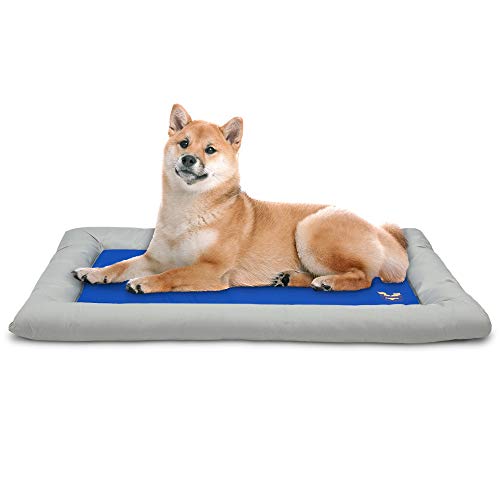
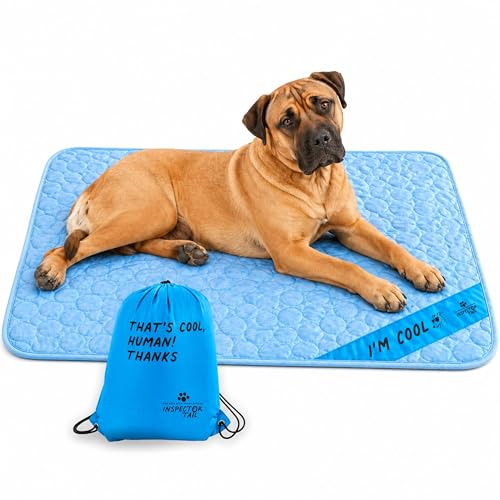
We prioritized safety for a gnawing animal over marketing claims. Ceramic and granite tiles rank first because they are inert and cannot be chewed apart. A towel wrapped frozen bottle placed outside the cage is next, since it cools the air without giving your mouse anything to nibble. Gel mats sold for cats and dogs are listed last and only with heavy supervision, because a punctured mat leaks gel and plastic that can cause a dangerous gut blockage if eaten.
What to avoid
Avoid leaving any gel or plastic cooling mat inside the cage unsupervised, and avoid electric pads whose cords invite chewing and burns. Do not place your mouse directly on a frozen surface, as sudden cold is a shock to such a small body. Skip scented or dyed products. When in doubt, cool the room with a fan or AC, keep the cage out of direct sun, and let deep bedding do the rest. If your mouse shows heat stress that does not ease with gentle cooling, contact an exotics vet promptly, since a tiny animal can decline fast in the heat.