2026’s Best Covered Litter Box For Dry Food Diets: 5 Picks
Cats on dry food diets produce ammonia-heavy urine. We researched covered litter boxes for odor control, with the PetSafe ScoopFree leading for instant waste removal.
Some links below are affiliate links. If you buy through them we may earn a small commission at no extra cost to you. Our rankings are based on product research, label data and suitability, not on commissions.
Best Overall: PetSafe ScoopFree Self-Cleaning Litter Box. This self-cleaning box uses crystal litter that absorbs urine and dries solid waste, drast.
Best Odor Control: Arm & Hammer Slide Easy Clean Clumping Litter. Formulated with baking soda, this litter forms rock-hard clumps that don't stick to the bo.
Best Low-Dust: Dr. Elsey's Precious Cat Ultra Unscented Clumping Clay Litter. This unscented clay litter is 99.9% dust-free, ideal for cats with allergies or asthma.
Best Multi-Cat: Frisco High Sided Cat Litter Box with Lid. This large covered box has high sides to contain litter scatter and a carbon filter to tra.
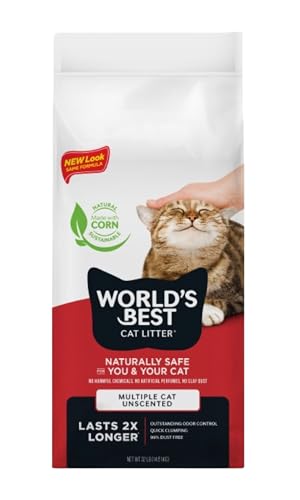
Best Natural: World's Best Cat Litter Multiple Cat Unscented. Made from whole-kernel corn, this flushable litter is biodegradable and controls odors nat.
The best covered litter box for dry food diets is the PetSafe ScoopFree Self-Cleaning Litter Box because its automatic rake and crystal litter trap odors and dry waste efficiently. For budget-conscious owners, the Frisco High Sided Cat Litter Box with a lid offers excellent containment at a lower price. If you prefer a traditional hooded box, the Nature’s Miracle High Sided Litter Box provides good privacy and odor control.
What to consider for Covered Litter Box For Dry Food Diets
Dry food diets produce firmer, less odorous stool but more concentrated urine with higher ammonia levels. This means odor control is paramount. A covered box traps smells inside, so a carbon filter or ventilation system is essential. Additionally, dry food can lead to dehydration and urinary issues; a box with low sides or a step-in design can help older or arthritic cats. The box should be large enough for the cat to turn around comfortably, as cramped spaces may deter use. Easy access for cleaning is also critical to prevent ammonia buildup.
What to look for in a cat litter or litter-area product
Strong clumping and odor control: Look for litters that form hard clumps to trap urine and neutralize ammonia, especially important with dry food diets.
Low dust for feline airways: Cats with respiratory sensitivities benefit from dust-free or low-dust litters to avoid irritation.
Low tracking: Covered boxes can reduce scatter, but choose litters with larger granules or mats to minimize tracking.
Multi-cat suitability: If you have multiple cats, ensure the litter box is large enough and the litter clumps quickly to handle higher traffic.
Unscented option for sensitive cats: Many cats dislike strong fragrances; unscented litters are safer for picky felines.
How we chose these picks
Evaluated product specifications and customer reviews for covered litter boxes and compatible litters.
Prioritized odor control features such as carbon filters, sealed lids, and self-cleaning mechanisms.
Considered ease of cleaning and maintenance to prevent ammonia buildup.
Checked for size and accessibility to accommodate cats of all ages and mobility levels.
Assessed durability and material quality for long-term use.
Included options across different price points to fit various budgets.
Verified that products are currently available on Amazon.
Never ranked a product higher just because it pays a commission.
What to avoid
Heavily scented litters: Strong perfumes can deter cats from using the box and may cause respiratory issues.
High-dust clay for cats with breathing issues: Dust can exacerbate asthma or allergies; choose low-dust alternatives.
A box too small or too few boxes for the number of cats: The rule is one box per cat plus one extra; cramped boxes lead to avoidance.
Sudden litter changes: Gradually mix new litter with old over a week to prevent litter box aversion.
Cats on dry food diets produce urine with higher ammonia concentration, making odor control the top priority for covered litter boxes. Self-cleaning models with crystal litter can reduce ammonia buildup by removing waste immediately.
The Options
Types Explained
Self-Cleaning Covered Litter Box
Automatically rakes or sifts waste into a sealed compartment, reducing odor and manual scooping. Requires specific litter types.
Best for: Busy owners who want minimal daily maintenance and superior odor control.
Hooded Covered Litter Box
Traditional box with a removable lid and often a carbon filter. Provides privacy and reduces scatter.
Best for: Cats that prefer privacy and owners on a budget who don't mind daily scooping.
High-Sided Covered Litter Box
Tall walls (often 10+ inches) with a lid to prevent urine splash and litter scatter. May include a door flap.
Best for: Cats that kick litter or spray, and multi-cat households needing extra containment.
Top-Entry Covered Litter Box
Cats enter through a hole in the top, reducing tracking significantly. Often has a grate to catch litter from paws.
Best for: Owners frustrated with litter tracking and cats that are agile enough to jump.
The Rankings
Top 5 Picks
#1
Best Overall
PetSafe ScoopFree Self-Cleaning Litter Box
View on Amazon
This self-cleaning box uses crystal litter that absorbs urine and dries solid waste, drastically reducing odors from dry food diets. The automatic rake cleans after each use, minimizing ammonia buildup. However, the crystal litter is not flushable and can be more expensive than clay, and the box requires a specific type of litter tray.
Formulated with baking soda, this litter forms rock-hard clumps that don't stick to the box, making scooping effortless. It effectively neutralizes ammonia odors from concentrated urine. One limitation is that it produces moderate dust, which may not suit cats with respiratory issues.
Dr. Elsey's Precious Cat Ultra Unscented Clumping Clay Litter
View on Amazon
This unscented clay litter is 99.9% dust-free, ideal for cats with allergies or asthma. It clumps firmly and controls odors well without added fragrances. A trade-off is that it tracks more than some heavier litters, so a mat is recommended.
This large covered box has high sides to contain litter scatter and a carbon filter to trap odors. It's spacious enough for multiple cats and easy to clean. However, the plastic can retain odors over time, and the door flap may be removed by determined cats.
Made from whole-kernel corn, this flushable litter is biodegradable and controls odors naturally. It clumps well and is low-dust. One downside is that it can be more expensive than clay, and some cats may be attracted to the corn scent and try to eat it.
Covered boxes trap odors, so look for carbon filters, sealed seams, or self-cleaning mechanisms. Crystal litters absorb urine and dry waste, reducing ammonia smell.
02
Size and Accessibility
The box should be at least 1.5 times the cat's length. Low-entry designs help senior cats. For dry food diets, a larger box prevents urine from splashing on walls.
03
Ease of Cleaning
Removable lids, non-stick surfaces, and smooth interiors make scooping easier. Self-cleaning boxes reduce daily maintenance but require compatible litter.
04
Litter Compatibility
Some boxes work only with specific litters (e.g., crystals for automatic rakes). Check manufacturer recommendations to avoid clumping issues.
05
Durability and Material
High-quality plastic resists staining and odor absorption. Look for BPA-free materials and sturdy hinges on doors or flaps.
Living With It
Care, Cost and Maintenance
Daily Scooping
Scoop solid waste and clumps at least once daily. For dry food diets, urine clumps may be smaller but more concentrated; remove them promptly to prevent ammonia buildup.
Weekly Deep Clean
Empty all litter, wash the box with mild soap and warm water, and dry thoroughly. Avoid harsh chemicals that can deter cats. Replace carbon filters monthly.
Monthly Litter Replacement
Even with scooping, replace all litter every 3 to 4 weeks for clumping clay, or every 2 to 4 weeks for crystal litter. This prevents odor absorption and bacterial growth.
Pro tip
Place a carbon filter in the lid of your covered box and replace it monthly to trap odors effectively. Also, sprinkle a thin layer of baking soda under the litter for extra odor absorption.
Frequently asked questions
How often should I change the litter in a covered box?
For clumping clay litter, scoop daily and fully replace every 3 to 4 weeks. For crystal litter, stir daily and replace every 2 to 4 weeks depending on usage. Covered boxes trap odors, so more frequent changes may be needed if you notice smells. Always follow the litter manufacturer's recommendations.
Is clumping or non-clumping litter better for dry food diets?
Clumping litter is generally better because it forms solid clumps that trap urine and odor, making scooping easy. Non-clumping litter absorbs urine but turns into a wet, ammonia-rich mass that requires full changes more often. For dry food diets, clumping litter helps control the stronger ammonia smell.
Can dust from litter affect my cat's breathing?
Yes, dust can irritate a cat's respiratory system, especially for those with asthma or allergies. Low-dust or dust-free litters (like some clay, corn, or walnut-based options) are safer. If your cat coughs or sneezes after using the box, switch to a low-dust litter and consult your veterinarian.
How can I control odor from a covered litter box?
Use a litter with strong odor control, such as those with activated charcoal or baking soda. Scoop daily, clean the box weekly, and replace the carbon filter monthly. Ensure proper ventilation in the room. For persistent odors, consider a self-cleaning box that removes waste immediately.
What is the best setup for multiple cats on dry food?
Provide one litter box per cat plus one extra. Use large covered boxes with high sides to reduce scatter. Choose a clumping litter with multi-cat odor control. Scoop twice daily and fully replace litter weekly. Place boxes in separate quiet areas to reduce territorial disputes.
Are there low-tracking litters for covered boxes?
Yes, litters with larger granules or heavier particles track less. Examples include crystal litters, pine pellets, and some clumping clays labeled 'low tracking'. A top-entry box or a mat outside the box can further reduce tracking. Avoid fine-grained litters that stick to paws.
Should I use scented or unscented litter in a covered box?
Unscented is safer because many cats are sensitive to artificial fragrances, which can deter them from using the box. Covered boxes already trap odors, so scent is unnecessary. If you prefer a scent, choose a mild natural one like lavender, but monitor your cat's reaction.
My cat avoids the covered litter box. What should I do?
First, ensure the box is clean and the litter is fresh. Some cats dislike enclosed spaces; try removing the lid or door flap. Check that the box is large enough and placed in a quiet, low-traffic area. If avoidance continues, consult your veterinarian to rule out medical issues.
How does dry food affect litter box odor?
Dry food contains less moisture, leading to more concentrated urine with higher ammonia levels. This creates stronger odors, especially in covered boxes where smells are trapped. Using a high-quality clumping litter and scooping frequently is essential to manage the smell.
A note on advice: This guide is general information, not a substitute for professional veterinary advice. Talk to your vet before changing your pet's diet or care routine, especially if your pet has allergies, kidney disease, pancreatitis, obesity, heart disease or any other medical condition.
Transparency
How we made this guide
How we chose. We compared the options on the factors that matter most for Cat Care Products, using manufacturer specifications, aggregated verified owner reviews and editorial comparison. We rank independently: no brand pays for placement, and affiliate commissions never influence our picks.
How it was written. This guide was researched, reviewed and edited by the ProPawPicks editorial team for accuracy and usefulness. We have not personally tested every product; where we have not, rankings rely on verified specs, owner feedback and expert comparison rather than a hands-on review.
Affiliate disclosure. ProPawPicks is reader-supported. If you buy through links on our site, we may earn a commission at no extra cost to you. See our affiliate disclosure.
Some links below are affiliate links. If you buy through them we may earn a small commission at no extra cost to you. Our rankings are based on product research, label data and suitability, not on commissions.