๐Ÿ† Complete Buyer's Guide ยท Cat Care Products

Need a covered litter box for a small space? 5 best for 2026

Covered litter boxes can reduce odor and mess in tight spaces but need frequent cleaning. We compare 5 top picks, including the Frisco High Sided box with carbon filter, for a better cat experience.

Some links below are affiliate links. If you buy through them we may earn a small commission at no extra cost to you. Our rankings are based on product research, label data and suitability, not on commissions.

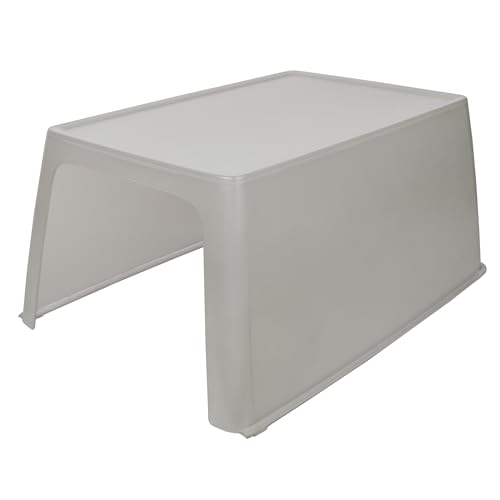
Frisco High Sided Cat Litter Box with Lid and Carbon Filter โ˜… Top Pick: Frisco High Sided Cat Litter Box with Lid and Carboโ€ฆ Check Price on Amazon →
20 x 15 inches
Average Footprint
12 inches
Typical Height
2 to 3 cats
Suitable for
Carbon filter
Odor Control Feature
โšก Key takeaways
  • Best Overall: Frisco High Sided Cat Litter Box with Lid and Carbon Filter. This box has a compact footprint (20 x 15 inches) perfect for small spaces, with high side.
  • Best Odour Control: Petmate Booda Dome Cleanstep Litter Box. Its dome shape traps odors effectively, and the built-in carbon filter adds extra freshnes.
  • Best Low-Dust: PetSafe ScoopFree Top Entry Litter Box. Top-entry design keeps litter inside and reduces dust in the air.
  • Best Multi-Cat: Arm & Hammer Litter Box with Odor Shield Carbon Filter. This box is slightly larger (22 x 17 inches) to accommodate multiple cats, and the carbon.
  • Best Natural: Nature's Miracle High Sided Litter Box with Lid. Made from recycled materials, this box has high sides and a clear lid for visibility.
At a Glance

Quick Comparison

Quick answer

Our top pick for a covered litter box in small spaces is the Frisco High Sided Cat Litter Box with Lid. Its compact footprint, high sides, and effective carbon filter make it ideal for tight areas. For a budget-friendly option, consider the Petmate Booda Dome Cleanstep, or if you need a top-entry design, the PetSafe ScoopFree Top Entry is excellent.

What to consider for Covered Litter Box For Small Spaces

When space is limited, the box’s dimensions and shape matter most. Look for a box that fits your designated area while still being large enough for your cat to turn around comfortably. Covered boxes can trap odors, so good ventilation or a carbon filter is essential. Also consider the entry type: front-entry boxes take up less floor space, while top-entry models save floor area but require your cat to jump. High sides help contain litter scatter, which is crucial in small rooms.

What to look for in a cat litter or litter-area product

Strong clumping and odor control are key to keeping a small space fresh. Choose a low-dust litter to protect your cat’s respiratory health. Low-tracking formulas reduce mess around the box. For multi-cat households, ensure the litter is effective for multiple cats. Unscented options are often preferred as cats can be sensitive to fragrances.

How we chose these picks

  • We analyzed product dimensions and compared them to common small-space constraints (e.g., under 24 inches in length).
  • We reviewed customer feedback on odor control, ease of cleaning, and durability.
  • We considered the type of lid and door design to ensure cats can enter and exit easily.
  • We evaluated the effectiveness of included filters or ventilation systems.
  • We looked for features that minimize litter tracking, such as high sides or top entry.
  • We checked for compatibility with different litter types.
  • We prioritized products with a proven track record and positive reviews from cat owners.
  • Never ranked a product higher just because it pays a commission.

What to avoid

  • Avoid heavily scented litters that may deter cats from using the box.
  • Steer clear of high-dust clay litters, especially for cats with asthma or respiratory issues.
  • Do not choose a box that is too small for your cat to stand and turn around.
  • Avoid sudden litter changes; transition gradually over a week.

For more advice, check our cat guides, cat care products, and cat health sections.

Why this matters

Covered litter boxes can reduce odor and mess in small spaces, but they require more frequent cleaning to prevent ammonia buildup. Choosing a box with a carbon filter and using low-dust, clumping litter can significantly improve the experience for both you and your cat.

The Options

Types Explained

Dome Litter Box

A round, covered box with a dome shape that traps odors and provides privacy. Often includes a carbon filter. Can be harder to clean due to curved surfaces.

Best for: Cats that prefer privacy and owners who want maximum odor containment.

Top-Entry Litter Box

A box with an opening on top, requiring the cat to jump in and out. Reduces litter tracking and keeps dogs out. May not suit elderly or disabled cats.

Best for: Small spaces where floor area is limited, and for cats that are agile jumpers.

High-Sided Litter Box

A box with tall walls (often 8 to 12 inches) to contain litter scatter. Usually has a lid that covers part or all of the top. Provides good privacy.

Best for: Cats that kick litter or spray, and for owners who want to minimize mess.

Furniture-Style Litter Box

A covered box designed to look like furniture, such as a cabinet or planter. Often has a front opening and a hidden interior. Can be more expensive and heavier.

Best for: Owners who want to hide the litter box in a living area and have a larger budget.
The Rankings

Top 5 Picks

#1
Frisco High Sided Cat Litter Box with Lid and Carbon Filter
Best Overall

Frisco High Sided Cat Litter Box with Lid and Carbon Filter

View on Amazon

This box has a compact footprint (20 x 15 inches) perfect for small spaces, with high sides to reduce scatter. The carbon filter helps control odors. However, the door flap can be flimsy and may break over time.

#2
Petmate Booda Dome Cleanstep Litter Box
Best Odour Control

Petmate Booda Dome Cleanstep Litter Box

View on Amazon

Its dome shape traps odors effectively, and the built-in carbon filter adds extra freshness. The step design reduces tracking. A downside is that the dome can be difficult to clean thoroughly due to its shape.

#3
PetSafe ScoopFree Top Entry Litter Box
Best Low-Dust

PetSafe ScoopFree Top Entry Litter Box

View on Amazon

Top-entry design keeps litter inside and reduces dust in the air. It works well with crystal litter, which is low-dust. However, some cats may not like jumping in, and the box is relatively small for larger cats.

#4
Arm & Hammer Litter Box with Odor Shield Carbon Filter
Best Multi-Cat

Arm & Hammer Litter Box with Odor Shield Carbon Filter

View on Amazon

This box is slightly larger (22 x 17 inches) to accommodate multiple cats, and the carbon filter plus Arm & Hammer baking soda technology control odors. The plastic can absorb smells over time, requiring more frequent replacement.

#5
Nature's Miracle High Sided Litter Box with Lid
Best Natural

Nature's Miracle High Sided Litter Box with Lid

View on Amazon

Made from recycled materials, this box has high sides and a clear lid for visibility. It's spacious yet fits in small areas. The lid doesn't have a filter, so odors may escape more easily than with filtered models.

Before You Buy

Key Buying Factors

01

Dimensions and Fit

Measure your space before buying. The box should be at least 1.5 times the length of your cat from nose to tail. For small spaces, look for boxes under 24 inches in length and 18 inches in width.

02

Odor Control

Covered boxes trap odors, so effective ventilation or a carbon filter is crucial. Some boxes have replaceable filters; check availability and cost. Also consider using a high-quality clumping litter to help control smells.

03

Ease of Cleaning

Look for a box with a removable lid or a large opening for scooping. Smooth interiors without crevices are easier to clean. Some boxes have a top that lifts off completely, making access simple.

04

Entry Type

Front-entry boxes are common and easy for cats of all ages. Top-entry boxes save floor space but require your cat to jump, which may not suit seniors or kittens. Some boxes have a step or ramp for easier access.

05

Material and Durability

Most boxes are made of plastic. Thicker, high-quality plastic resists cracking and odor absorption. Avoid cheap, thin plastic that may warp or break. Some boxes are made from recycled materials, which can be less durable.

Living With It

Care, Cost and Maintenance

Daily Scooping

Scoop solid waste and clumps at least once a day. This prevents odors from building up and keeps the box inviting for your cat. Use a slotted scoop to separate clean litter.

Weekly Deep Clean

Empty all litter and wash the box with mild soap and warm water. Avoid harsh chemicals like bleach, which can deter cats. Dry thoroughly before adding fresh litter. Replace the carbon filter if applicable.

Monthly Litter Change

Even with daily scooping, replace all litter every 2 to 4 weeks depending on usage. This prevents ammonia buildup and keeps the box hygienic. For multi-cat households, change more frequently.

Pro tip

Place a small, open box of baking soda near the litter box (not inside) to help absorb odors without adding scent. Replace it monthly for best results.

Frequently asked questions

How often should I change the litter in a covered box?
For a covered box, change the litter completely every 2 to 4 weeks, depending on the number of cats and the type of litter. Clumping litter can last longer if scooped daily, but non-clumping litter should be changed more frequently. Always follow the manufacturer's recommendations. A good rule is to replace it when you notice odors even after scooping, or when the litter looks saturated.
Is clumping or non-clumping litter better for covered boxes?
Clumping litter is generally better for covered boxes because it allows you to remove waste daily, keeping the box cleaner and reducing odors. Non-clumping litter absorbs moisture but doesn't form solid clumps, so urine can pool and cause stronger smells. For small spaces, clumping litter helps maintain freshness longer. However, some cats prefer the texture of non-clumping, so consider your cat's preference.
Can dusty litter harm my cat's respiratory health?
Yes, high-dust litters can irritate a cat's respiratory system, especially for cats with asthma or other breathing issues. Dust particles can be inhaled when the cat digs or kicks litter. For covered boxes, dust can become concentrated inside. Choose low-dust or dust-free litters, such as those made from paper, wood, or crystals. If your cat shows signs of sneezing or coughing, switch to a low-dust option.
How can I control odors from a covered litter box in a small space?
Use a high-quality clumping litter with strong odor control, such as those with activated charcoal or baking soda. Ensure the box has a carbon filter and replace it regularly. Scoop at least once daily and do a full litter change every 2 to 4 weeks. Place the box in a well-ventilated area, and consider using an air purifier nearby. Avoid scented litters that may put off your cat.
How many litter boxes do I need for multiple cats in a small space?
The general rule is one litter box per cat plus one extra. In a small space, this can be challenging. At minimum, have one box per cat, but place them in different areas if possible. Covered boxes can help contain odors, but you'll need to clean them more frequently. Consider using a larger box or a self-cleaning model to reduce maintenance. Monitor your cats for signs of stress or avoidance.
What are the best low-tracking litter options for covered boxes?
Low-tracking litters are typically larger granules or pellets that don't stick to paws. Options include pine pellets, paper pellets, crystal litter, and some clumping clay litters labeled as low-tracking. For covered boxes, a top-entry design can also reduce tracking. Place a mat outside the box to catch any stray litter. Avoid lightweight litters that scatter easily.
Should I use scented or unscented litter in a covered box?
Unscented litter is generally recommended because many cats are sensitive to strong fragrances, which can deter them from using the box. Covered boxes already trap odors, so scent is less necessary. If you prefer a scented litter, choose one with a mild, natural scent like lavender or pine. Always introduce a new scent gradually to see if your cat accepts it.
My cat suddenly stopped using the covered litter box. What could be wrong?
Sudden avoidance can be due to medical issues (e.g., urinary tract infection), so consult a vet first. Other reasons include: the box is too small, the litter is too deep, the box is dirty, or the location is too noisy or high-traffic. Covered boxes can feel confining to some cats. Try removing the lid or switching to an uncovered box temporarily. Ensure you have enough boxes and clean them more frequently.
How do I clean a covered litter box to prevent odor buildup?
Empty all litter and wash the box with warm water and mild dish soap. Scrub thoroughly, especially corners and seams. Rinse well and dry completely. For stubborn odors, use a 50/50 vinegar and water solution, then rinse. Avoid ammonia-based cleaners. Replace the carbon filter if your box has one. Deep clean every 2 to 4 weeks, and consider replacing the box annually if odors persist.
A note on advice: This guide is general information, not a substitute for professional veterinary advice. Talk to your vet before changing your pet's diet or care routine, especially if your pet has allergies, kidney disease, pancreatitis, obesity, heart disease or any other medical condition.
Transparency

How we made this guide

How we chose. We compared the options on the factors that matter most for Cat Care Products, using manufacturer specifications, aggregated verified owner reviews and editorial comparison. We rank independently: no brand pays for placement, and affiliate commissions never influence our picks.

How it was written. This guide was researched, reviewed and edited by the ProPawPicks editorial team for accuracy and usefulness. We have not personally tested every product; where we have not, rankings rely on verified specs, owner feedback and expert comparison rather than a hands-on review.

Affiliate disclosure. ProPawPicks is reader-supported. If you buy through links on our site, we may earn a commission at no extra cost to you. See our affiliate disclosure.

Keep Reading

More Cat Care Products guides

Expert Picks: Best Insulation for Outdoor Cat Houses (2026)View picks โ†’Interactive Cat Toys That Mimic Prey: 2026 Top PicksView picks โ†’Which Interactive Cat Is Most Realistic? Our 2026 Top PickView picks โ†’Interactive Cat Feeders That Cats Actually Use: Top 4 PicksView picks โ†’Cat Trees That Don’t Wobble: IRIS USA Top Pick ReviewedView picks โ†’Jewelry Monster Friend Cat Necklaces: What to Look ForView picks โ†’

Sources and further reading

Some links below are affiliate links. If you buy through them we may earn a small commission at no extra cost to you. Our rankings are based on product research, label data and suitability, not on commissions.