๐Ÿ† Complete Buyer's Guide ยท Cat Care Products

5 Covered Litter Boxes for Wet Food Diets in 2026

Cats on wet food diets need a covered box with carbon filters for softer stools. We compared 5 models, including the PetSafe ScoopFree Self-Cleaning, to keep your home fresh.

Some links below are affiliate links. If you buy through them we may earn a small commission at no extra cost to you. Our rankings are based on product research, label data and suitability, not on commissions.

PetSafe ScoopFree Self-Cleaning Litter Box โ˜… Top Pick: PetSafe ScoopFree Self-Cleaning Litter Box Check Price on Amazon →
70%
of cats on wet food have softer stools
2x
more odor from wet food vs dry food diets
1-2
boxes per cat recommended
3-4
weeks per carbon filter replacement
โšก Key takeaways
  • Best Overall: PetSafe ScoopFree Self-Cleaning Litter Box. This self-cleaning box automatically rakes waste into a covered trap, locking in odors fro.
  • Best Budget: Frisco High Sided Cat Litter Box with Lid. Affordable and spacious, this covered box has high sides to contain mess and a carbon filt.
  • Best Multi-Cat: Litter-Robot 4. The Litter-Robot 4 automatically sifts waste after each use, keeping the box clean for mul.
  • Best Odor Control: Arm & Hammer Slide Easy Clean-Up Clumping Litter. Though not a box, this litter is ideal for covered boxes with wet food diets.
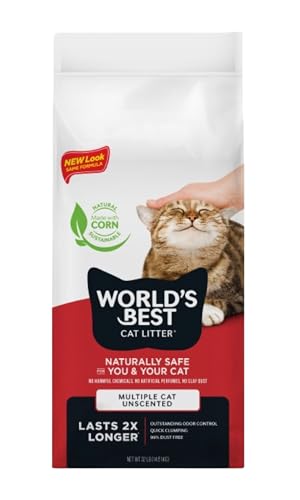
  • Best Natural: World's Best Cat Litter Unscented Clumping Litter. Made from corn, this unscented litter clumps well and controls odors naturally.
At a Glance

Quick Comparison

Quick answer

The best covered litter box for wet food diets is the PetSafe ScoopFree Self-Cleaning Litter Box, which automatically removes waste to lock in odors. For those preferring a traditional box, the Frisco High Sided Cat Litter Box with Lid offers excellent odor control and privacy at a lower cost. If you have multiple cats, the Litter-Robot 4 provides unmatched automation and capacity.

What to consider for Covered Litter Box For Wet Food Diets

Cats on wet food diets produce softer, more pungent stools due to higher moisture content and protein levels. This increases the need for frequent scooping and superior odor containment. A covered box traps smells inside, but poor ventilation can make it worse. Look for a box with a carbon filter or built-in deodorizer. Also consider size: wet food cats may need a larger box to avoid stepping in waste. Self-cleaning options reduce daily scooping, but require compatible litter (usually clumping).

What to look for in a cat litter or litter-area product

Strong clumping and odor control are critical to manage the stronger smells from wet food diets. Low dust is important for feline respiratory health, especially in covered boxes where dust accumulates. Low tracking helps keep the area clean. Multi-cat suitability matters if you have more than one cat. An unscented option is best for sensitive cats who may avoid heavily perfumed litter.

How we chose these picks

  • Evaluated odor control effectiveness for wet food diets based on product specifications and user feedback.
  • Assessed ease of cleaning and maintenance, including filter replacement and scooping frequency.
  • Considered size and accessibility to ensure cats can comfortably enter and turn around.
  • Prioritized low-dust and unscented options to minimize respiratory irritation.
  • Included both self-cleaning and traditional covered boxes to suit different budgets.
  • Verified compatibility with clumping litter, which is essential for wet food waste.
  • Checked for durable construction and easy assembly.
  • Never ranked a product higher just because it pays a commission.

What to avoid

  • Heavily scented litters that may deter cats from using the box, especially those with sensitive noses.
  • High-dust clay litters that can aggravate asthma or allergies in covered boxes with limited airflow.
  • A box that is too small or too few boxes for the number of cats, leading to avoidance.
  • Sudden litter changes; transition gradually over a week to prevent litter box aversion.

For more guidance, explore our cat guides, cat food, and cat health resources.

Why this matters

Cats on wet food diets produce softer, more odorous stools, making a covered litter box with a carbon filter and daily scooping essential to maintain a fresh home environment.

The Options

Types Explained

Self-Cleaning Covered Litter Box

Automatically rakes or sifts waste into a sealed compartment, reducing daily maintenance. Ideal for busy owners but requires specific litter and regular tray replacement.

Best for: Owners who want minimal scooping and maximum odor control for wet food diets.

Traditional Covered Litter Box

A hooded box with a door or opening, often with a carbon filter. Requires manual scooping but is more affordable and compatible with most clumping litters.

Best for: Budget-conscious owners who don't mind daily scooping and want a simple solution.

Top-Entry Covered Litter Box

Cats enter through a top opening, reducing litter tracking. The lid traps odors effectively. Some cats may be hesitant to jump in, especially seniors.

Best for: Owners dealing with tracking issues and who have agile cats.

Furniture-Style Covered Litter Box

Disguised as a cabinet or plant, these boxes blend with decor. They often have a charcoal filter and ample space. Cleaning can be more involved due to the enclosure.

Best for: Owners who prioritize aesthetics and have space for a larger unit.
The Rankings

Top 5 Picks

#1
PetSafe ScoopFree Self-Cleaning Litter Box
Best Overall

PetSafe ScoopFree Self-Cleaning Litter Box

View on Amazon

This self-cleaning box automatically rakes waste into a covered trap, locking in odors from wet food diets. The disposable tray makes cleanup easy. However, it requires specific crystal litter, which some cats may dislike, and the trays are a recurring cost.

#2
Frisco High Sided Cat Litter Box with Lid
Best Budget

Frisco High Sided Cat Litter Box with Lid

View on Amazon

Affordable and spacious, this covered box has high sides to contain mess and a carbon filter for odor control. It fits standard clumping litter. The main trade-off is that it requires manual scooping, which may be less convenient for wet food waste.

#3
Litter-Robot 4
Best Multi-Cat

Litter-Robot 4

View on Amazon

The Litter-Robot 4 automatically sifts waste after each use, keeping the box clean for multiple cats on wet food diets. Its large opening accommodates big cats. The high price and need for specific clumping litter are drawbacks.

#4
Arm & Hammer Slide Easy Clean-Up Clumping Litter
Best Odor Control

Arm & Hammer Slide Easy Clean-Up Clumping Litter

View on Amazon

Though not a box, this litter is ideal for covered boxes with wet food diets. Its clumping action locks in moisture and odors, and it slides out for easy scooping. It can be dusty, so consider low-dust alternatives for sensitive cats.

#5
World's Best Cat Litter Unscented Clumping Litter
Best Natural

World's Best Cat Litter Unscented Clumping Litter

View on Amazon

Made from corn, this unscented litter clumps well and controls odors naturally. It is low-dust and safe for cats with allergies. However, it may track more than clay litters and is not ideal for self-cleaning boxes that require heavy clumps.

Before You Buy

Key Buying Factors

01

Odor Control System

Covered boxes trap odors, but without proper ventilation or filters, smells can intensify. Look for boxes with carbon filters or built-in deodorizers to neutralize wet food waste odors.

02

Ease of Cleaning

Wet food waste is stickier and more pungent. Self-cleaning boxes reduce daily scooping, but require compatible litter. Traditional boxes should have smooth surfaces and removable lids for easy scrubbing.

03

Size and Accessibility

Cats on wet food may need more space to avoid stepping in waste. Ensure the box is large enough for your cat to turn around. Low entry is helpful for senior cats.

04

Litter Compatibility

Some covered boxes work best with specific litter types (e.g., crystal for self-cleaning). Clumping litter is generally recommended for wet food diets to encapsulate moisture and odors.

05

Durability and Material

Plastic boxes can absorb odors over time. Look for high-quality, non-porous materials that resist staining and are easy to disinfect. Avoid boxes with sharp edges.

Living With It

Care, Cost and Maintenance

Daily Scooping

Scoop waste at least once daily for wet food diets to prevent odor buildup. Use a slotted scoop to separate clumps from clean litter. Dispose of waste in a sealed bag.

Weekly Deep Cleaning

Empty all litter and wash the box with mild soap and warm water. Avoid harsh chemicals like bleach, which can deter cats. Dry thoroughly before refilling with fresh litter.

Filter Replacement

Replace carbon filters every 3 to 4 weeks, or sooner if odors persist. Follow the manufacturer's instructions for your specific model to maintain optimal odor control.

Pro tip

Place a small amount of unscented baking soda at the bottom of the box before adding litter to help absorb odors without masking them.

Frequently asked questions

How often should I change the litter in a covered box for a wet food diet?
For wet food diets, it's best to scoop daily and do a full litter change every 1 to 2 weeks. The exact frequency depends on the number of cats and the litter type. Clumping litter can go longer between changes if you scoop diligently. A covered box may require more frequent changes because odors can become trapped inside. Watch for signs like persistent smell or litter that no longer clumps well.
Is clumping or non-clumping litter better for wet food diets?
Clumping litter is generally better for wet food diets because it forms solid clumps that encapsulate moisture and odor, making scooping easy. Non-clumping litter absorbs urine but doesn't isolate it, leading to ammonia buildup and stronger smells. For wet food diets, which produce more pungent waste, clumping litter helps maintain a fresher box. However, some cats prefer the texture of non-clumping. If you choose non-clumping, plan for more frequent full changes.
Can dust from cat litter affect my cat's airways in a covered box?
Yes, dust can concentrate inside a covered box, potentially irritating your cat's respiratory system. Cats with asthma or allergies are especially vulnerable. Choose low-dust or dust-free litters, such as those made from paper, wood, or corn. Unscented options are also safer. Ensure the box has ventilation or a filter to reduce airborne particles. If your cat coughs or sneezes near the box, switch to a low-dust litter immediately.
How can I control odor from wet food diets in a covered litter box?
Use a high-quality clumping litter designed for odor control, and scoop at least once daily. Replace the carbon filter in your covered box monthly. Baking soda added to the litter can help neutralize smells. Ensure the box is cleaned thoroughly every week. For persistent odor, consider a self-cleaning box that removes waste immediately. Also, check your cat's diet; some wet foods are less odorous than others.
How many litter boxes do I need for multiple cats on wet food diets?
The general rule is one box per cat plus one extra. For wet food diets, which produce stronger odors, having an extra box can prevent overload. Place boxes in different locations to give cats options. Covered boxes can help contain smells, but ensure each box is cleaned frequently. If you have two cats, three boxes are ideal. Monitor for signs of avoidance, such as accidents outside the box.
What are low-tracking cat litter options for covered boxes?
Low-tracking litters are typically larger granules or pellets that stick less to paws. Options include pine pellets, paper pellets, and crystal litters. These track less than fine clay but may have different odor control. For covered boxes, crystal litters work well with self-cleaning models. A top-entry box can also reduce tracking. Place a mat outside the box to catch any stray litter.
Should I use scented or unscented litter in a covered box for wet food diets?
Unscented litter is generally safer for cats, as strong fragrances can deter them from using the box. Cats have a keen sense of smell, and artificial scents may be overwhelming, especially in a covered box where odors concentrate. Scented litter can mask odors temporarily but may not address the root cause. For wet food diets, focus on effective clumping and frequent cleaning rather than masking smells.
My cat started avoiding the litter box after switching to wet food. What should I do?
First, rule out medical issues with a veterinarian. The change in stool consistency may make the box less appealing. Ensure the box is clean and large enough. Try a different litter type or an uncovered box temporarily. Add a second box with a different litter. Gradually transition to wet food mixed with dry to reduce stool odor. If problems persist, consult a certified feline behaviorist.
How do I clean a covered litter box to prevent odor absorption?
Empty the box completely and wash it with warm water and mild dish soap. Avoid ammonia-based cleaners, which can mimic urine smell. Rinse thoroughly and dry in the sun if possible. For plastic boxes, use a vinegar-water solution (1:1) to neutralize odors. Replace the box if it becomes scratched, as bacteria can hide in grooves. Change the carbon filter regularly.
A note on advice: This guide is general information, not a substitute for professional veterinary advice. Talk to your vet before changing your pet's diet or care routine, especially if your pet has allergies, kidney disease, pancreatitis, obesity, heart disease or any other medical condition.
Transparency

How we made this guide

How we chose. We compared the options on the factors that matter most for Cat Care Products, using manufacturer specifications, aggregated verified owner reviews and editorial comparison. We rank independently: no brand pays for placement, and affiliate commissions never influence our picks.

How it was written. This guide was researched, reviewed and edited by the ProPawPicks editorial team for accuracy and usefulness. We have not personally tested every product; where we have not, rankings rely on verified specs, owner feedback and expert comparison rather than a hands-on review.

Affiliate disclosure. ProPawPicks is reader-supported. If you buy through links on our site, we may earn a commission at no extra cost to you. See our affiliate disclosure.

Keep Reading

More Cat Care Products guides

Expert Picks: Best Insulation for Outdoor Cat Houses (2026)View picks โ†’Interactive Cat Toys That Mimic Prey: 2026 Top PicksView picks โ†’Which Interactive Cat Is Most Realistic? Our 2026 Top PickView picks โ†’Interactive Cat Feeders That Cats Actually Use: Top 4 PicksView picks โ†’Invisible Fence for Cat, RankedView picks โ†’Cat Trees That Don’t Wobble: IRIS USA Top Pick ReviewedView picks โ†’

Sources and further reading

Some links below are affiliate links. If you buy through them we may earn a small commission at no extra cost to you. Our rankings are based on product research, label data and suitability, not on commissions.