๐Ÿ† Complete Buyer's Guide ยท Dog Food

Dehydrated Dog Food for Dogs with Thick Coats, Compared

Discover the top 5 dehydrated dog foods for thick-coated breeds, like The Honest Kitchen. Rich in omega-3 and omega-6 from minimal processing for a healthy coat.

Some links below are affiliate links. If you buy through them we may earn a small commission at no extra cost to you. Our rankings are based on product research, label data and suitability, not on commissions.

The Honest Kitchen Dehydrated Grain-Free Chicken Recipe โ˜… Top Pick: The Honest Kitchen Dehydrated Grain-Free Chicken Reโ€ฆ Check Price on Amazon →
25-30%
Protein content (dry matter basis) ideal for thick coats
15-20%
Fat content (dry matter basis) for energy and coat health
0.5-1.0%
Omega-3 fatty acids recommended for skin and coat
2-3%
Omega-6 fatty acids to support coat gloss
โšก Key takeaways
  • Best Overall: The Honest Kitchen Dehydrated Grain-Free Chicken Recipe. This food features human-grade chicken as the first ingredient and includes flaxseed for o.
  • Best Budget: Nutro Crunchy Dehydrated Chicken & Brown Rice Recipe. Nutro offers a more affordable dehydrated option with chicken as the first ingredient and.
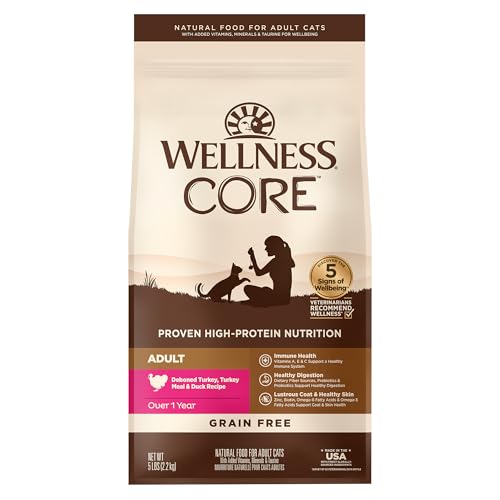
  • Best for Sensitive Stomach: Wellness CORE Grain-Free Dehydrated Turkey & Duck Recipe. With turkey and duck as novel proteins, this formula is gentle on sensitive stomachs while.
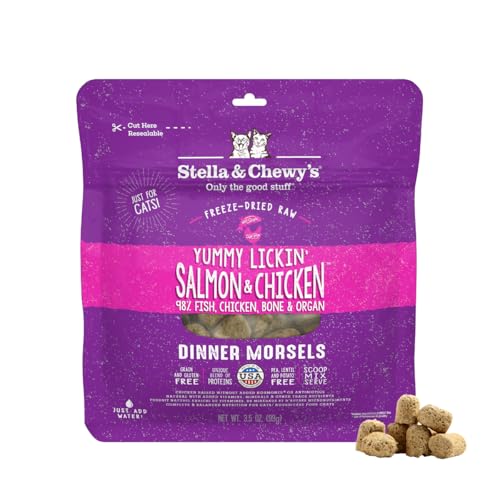
  • Best for Coat Health: Stella & Chewy's Dehydrated Raw Coated Salmon & Chicken Recipe. This freeze-dried raw coated kibble combines salmon and chicken for a rich omega-3 and ome.
  • Best Grain-Inclusive: Blue Buffalo Wilderness Dehydrated Chicken Recipe. Blue Buffalo's Wilderness line offers a grain-inclusive option with deboned chicken and oa.
At a Glance

Quick Comparison

Quick answer

The best dehydrated dog food for dogs with thick coats is The Honest Kitchen Dehydrated Grain-Free Chicken Recipe. It features high-quality chicken as the first ingredient and includes flaxseed for omega-3s, which support a healthy coat. For budget-conscious owners, Nutro Crunchy Dehydrated Chicken & Brown Rice offers similar benefits at a lower price. If your dog has a sensitive stomach, try Wellness CORE Grain-Free Dehydrated Turkey & Duck.

What to consider for Dehydrated Dog Food For Dogs With Thick Coats

Dogs with thick coats, such as Huskies, Golden Retrievers, and German Shepherds, require a diet rich in omega-3 and omega-6 fatty acids to maintain skin health and a glossy coat. Dehydrated foods often preserve these nutrients better than heavily processed kibble. Look for named animal proteins (chicken, beef, fish) as the first ingredient, and avoid fillers like corn, wheat, and soy. Adequate protein (25-30% on a dry matter basis) and fat (15-20%) help support coat density and energy needs. Also consider added glucosamine and chondroitin for joint support, as larger thick-coated breeds are prone to hip and elbow issues.

What to look for in a dog food

When selecting dehydrated dog food for a thick-coated dog, ensure it meets AAFCO nutrient profiles for your dog’s life stage (adult maintenance or all life stages). The first ingredient should be a named meat or meat meal (e.g., chicken, beef, lamb). Protein should be between 25-35% and fat between 12-20% on a dry matter basis; higher fat supports coat health but may not suit overweight dogs. Omega-3 and omega-6 fatty acids from sources like flaxseed, fish oil, or chicken fat are crucial. For large breeds, look for controlled calcium levels and added glucosamine/chondroitin. Avoid foods with artificial preservatives, colors, or flavors.

How we chose these picks

  • Evaluated ingredient lists for named protein sources and absence of fillers.
  • Checked guaranteed analysis for protein, fat, and omega fatty acid content.
  • Reviewed brand reputation and recall history.
  • Considered suitability for dogs with thick coats based on fatty acid profiles.
  • Compared price per pound to ensure value.
  • Read customer reviews focusing on coat condition and palatability.
  • Never ranked a product higher just because it pays a commission.

What to avoid

  • Foods with unnamed “meat meal” as the primary protein source.
  • Grain-free or legume-heavy recipes unless recommended by a veterinarian due to potential DCM concerns.
  • All-life-stages formulas for large-breed puppies; choose a large-breed puppy specific food.
  • Abrupt diet switches; transition over 7-10 days by gradually mixing old and new food.

For more guidance, visit our dog guides, dog food, and dog nutrition sections.

Why this matters

Omega-3 and omega-6 fatty acids are essential for maintaining a healthy coat in thick-coated breeds, and dehydrated foods often retain these nutrients better than traditional kibble due to minimal processing.

The Options

Types Explained

Dehydrated Raw Food

Made by gently removing moisture from raw ingredients, preserving nutrients. Typically requires rehydration with water before feeding.

Best for: Owners who want a minimally processed diet with high nutrient retention, suitable for dogs with thick coats needing omega fatty acids.

Freeze-Dried Raw Coated Kibble

Kibble coated with freeze-dried raw meat for added flavor and nutrition. Offers convenience of kibble with benefits of raw.

Best for: Picky eaters or dogs that need a transition to raw; provides extra protein and fats for coat health.

Dehydrated Grain-Inclusive Food

Dehydrated food that includes whole grains like brown rice or oatmeal. Provides fiber and complex carbohydrates.

Best for: Dogs without grain sensitivities; a balanced option for thick-coated breeds needing sustained energy.

Dehydrated Grain-Free Food

Dehydrated food without grains, often using potatoes or legumes as carbohydrate sources. May be higher in protein and fat.

Best for: Dogs with grain allergies or owners preferring a grain-free diet; ensure adequate taurine levels.
The Rankings

Top 5 Picks

#1
The Honest Kitchen Dehydrated Grain-Free Chicken Recipe
Best Overall

The Honest Kitchen Dehydrated Grain-Free Chicken Recipe

View on Amazon

This food features human-grade chicken as the first ingredient and includes flaxseed for omega-3s, which promote a shiny coat. It's grain-free, which may not suit all dogs, but the high-quality ingredients and balanced nutrition make it a top choice for thick-coated breeds. Some dogs may need a gradual transition due to the texture.

#2
Nutro Crunchy Dehydrated Chicken & Brown Rice Recipe
Best Budget

Nutro Crunchy Dehydrated Chicken & Brown Rice Recipe

View on Amazon

Nutro offers a more affordable dehydrated option with chicken as the first ingredient and brown rice for digestible carbs. It includes omega-6 fatty acids from chicken fat to support skin and coat health. While it contains grains, it's a good choice for owners wanting quality without the premium price. The kibble texture may be less appealing to picky eaters.

#3
Wellness CORE Grain-Free Dehydrated Turkey & Duck Recipe
Best for Sensitive Stomach

Wellness CORE Grain-Free Dehydrated Turkey & Duck Recipe

View on Amazon

With turkey and duck as novel proteins, this formula is gentle on sensitive stomachs while providing omega-3s from flaxseed. It's grain-free and includes probiotics for digestive health. The higher price point and limited protein sources may not suit all dogs, but it's excellent for those with food sensitivities.

#4
Stella & Chewy's Dehydrated Raw Coated Salmon & Chicken Recipe
Best for Coat Health

Stella & Chewy's Dehydrated Raw Coated Salmon & Chicken Recipe

View on Amazon

This freeze-dried raw coated kibble combines salmon and chicken for a rich omega-3 and omega-6 profile, directly benefiting coat shine and skin health. It's grain-free and includes added taurine. However, the raw coating may require careful handling, and it's pricier than standard dehydrated foods.

#5
Blue Buffalo Wilderness Dehydrated Chicken Recipe
Best Grain-Inclusive

Blue Buffalo Wilderness Dehydrated Chicken Recipe

View on Amazon

Blue Buffalo's Wilderness line offers a grain-inclusive option with deboned chicken and oatmeal, providing fiber and omega-3s from flaxseed. It's formulated for active dogs and includes LifeSource Bits for antioxidants. While it contains grains, it's a balanced choice for thick-coated dogs that don't need grain-free. Some dogs may not like the bits.

Before You Buy

Key Buying Factors

01

Omega Fatty Acid Profile

Dogs with thick coats benefit from foods rich in omega-3 and omega-6 fatty acids. Look for sources like fish oil, flaxseed, or chicken fat. These nutrients help reduce inflammation and promote a shiny, healthy coat.

02

Protein Quality and Quantity

High-quality animal protein (chicken, beef, fish) should be the first ingredient. Protein supports hair follicle growth and coat density. Aim for at least 25% protein on a dry matter basis.

03

Calorie Density

Thick-coated breeds often have higher energy needs, especially if active. Check the calorie content per cup; foods with 350-450 kcal/cup are typical for active dogs. Adjust portions to prevent weight gain.

04

Grain vs. Grain-Free

While grain-free diets are popular, they are not necessary for most dogs and may be linked to DCM. Grain-inclusive options with whole grains like brown rice or oatmeal provide fiber and nutrients. Consult your vet before choosing grain-free.

05

Added Joint Support

Many thick-coated breeds are prone to joint issues. Foods with glucosamine and chondroitin can support hip and joint health, especially in large breeds. Look for these additives in the ingredient list.

Living With It

Care, Cost and Maintenance

Rehydration Instructions

Most dehydrated dog foods require adding warm water and letting it sit for 5-10 minutes. Follow package directions to achieve the right consistency. Proper rehydration ensures digestibility and hydration.

Transitioning to Dehydrated Food

Gradually mix increasing amounts of dehydrated food with your dog's current food over 7-10 days. Monitor stool quality and coat condition. Sudden changes can cause digestive upset.

Storage and Freshness

Store dehydrated food in a cool, dry place in an airtight container. Once rehydrated, any uneaten food should be refrigerated and used within 24 hours. Check expiration dates regularly.

Pro tip

To maximize coat benefits, add a teaspoon of fish oil or flaxseed oil to your dog's rehydrated meal, but consult your vet first to avoid over-supplementation.

Frequently asked questions

How much dehydrated dog food should I feed my thick-coated dog?
Feeding amounts vary by brand, but generally, dehydrated food is fed at about 1/2 to 1 cup per 20-30 pounds of body weight per day, divided into two meals. Always refer to the feeding guide on the package. Adjust based on your dog's activity level and body condition. Thick-coated breeds may have higher energy needs, so monitor weight and adjust portions accordingly. Consult your veterinarian for personalized recommendations.
How many calories does dehydrated dog food typically contain?
Dehydrated dog foods usually range from 350 to 450 calories per cup (as fed, before rehydration). After rehydration, calorie density decreases slightly due to added water. For a 50-pound active dog, that translates to roughly 900-1200 calories per day. Check the guaranteed analysis for exact calorie content. Adjust portions to maintain a healthy weight, as thick-coated dogs can be prone to obesity if overfed.
Is grain-free dehydrated dog food safe for dogs with thick coats?
Grain-free diets are not inherently unsafe, but the FDA is investigating a potential link between grain-free, legume-heavy diets and canine dilated cardiomyopathy (DCM). For most dogs, grain-inclusive foods are a safer default. If you choose grain-free, ensure it includes taurine and is from a reputable brand. Consult your veterinarian, especially if your dog is a breed predisposed to DCM, such as Golden Retrievers or Dobermans.
Can I feed dehydrated dog food to my thick-coated puppy?
Yes, but choose a formula labeled for puppies or all life stages that meets AAFCO puppy nutrient profiles. Puppies need higher protein, fat, and calcium for growth. Large-breed puppies (e.g., Huskies, German Shepherds) require controlled calcium levels to prevent skeletal issues. Look for large-breed puppy specific formulas. Always consult your vet before switching a puppy's diet.
Is dehydrated dog food suitable for overweight dogs with thick coats?
Dehydrated food can be suitable if you control portions and choose a lower-calorie formula. Many brands offer weight management recipes with reduced fat and calories. Since thick-coated dogs may be less active in warm weather, monitor calorie intake closely. Rehydrating adds water volume, which can increase satiety. Consult your vet for a weight loss plan.
What about senior dogs with thick coats?
Senior dogs benefit from dehydrated food that is easy to digest and contains joint-supporting ingredients like glucosamine and chondroitin. Look for formulas with moderate protein (20-25%) and lower fat to prevent weight gain. Omega fatty acids remain important for coat health. Some brands offer senior-specific blends. Always transition slowly and monitor for any digestive changes.
Are there size-specific considerations for thick-coated breeds?
Large thick-coated breeds (e.g., Huskies, Golden Retrievers) need controlled calcium and phosphorus levels to support bone health. Small breeds (e.g., Pomeranians) require smaller kibble size and higher calorie density. Dehydrated food can be broken into smaller pieces if needed. Ensure the food meets the life stage and size requirements of your dog. Consult your vet for breed-specific advice.
What's the difference between dry kibble and dehydrated dog food?
Dry kibble is extruded and cooked at high temperatures, which can reduce nutrient content. Dehydrated food is made by gently removing moisture from raw ingredients, preserving more natural nutrients and enzymes. Dehydrated food often has higher meat content and fewer fillers. However, it requires rehydration and may be more expensive. Both can be nutritionally complete if they meet AAFCO standards.
How can I tell if a dehydrated dog food is improving my dog's coat?
Look for signs like reduced shedding, less dandruff, and a shinier, softer coat within 4-8 weeks of switching. Healthy skin should be free of dryness or irritation. Ensure the food provides adequate omega-3 and omega-6 fatty acids. If you don't see improvement, consult your veterinarian to rule out underlying health issues. Keep in mind that coat condition also depends on genetics and overall health.
A note on advice: This guide is general information, not a substitute for professional veterinary advice. Talk to your vet before changing your dog's diet or care routine, especially if your dog has allergies, kidney disease, pancreatitis, obesity, heart disease or any other medical condition.
Transparency

How we made this guide

How we chose. We compared the options on the factors that matter most for Dog Food, using manufacturer specifications, aggregated verified owner reviews and editorial comparison. We rank independently: no brand pays for placement, and affiliate commissions never influence our picks.

How it was written. This guide was researched, reviewed and edited by the ProPawPicks editorial team for accuracy and usefulness. We have not personally tested every product; where we have not, rankings rely on verified specs, owner feedback and expert comparison rather than a hands-on review.

Affiliate disclosure. ProPawPicks is reader-supported. If you buy through links on our site, we may earn a commission at no extra cost to you. See our affiliate disclosure.

Keep Reading

More Dog Food guides

Stop Wasting Treats: 5 Best Interactive Dog Cameras 2026View picks โ†’Interactive Dog Toys, ComparedView picks โ†’2026 Puppy Fence Guide: 5 Top Invisible Dog Fences ReviewedView picks โ†’Invisible Dog Fence for Sensitive Stomachs: 2026 Top Pick ReviewedView picks โ†’Best Invisible Dog Fence for Small Dogs 2026: 5 Top Picks ReviewedView picks โ†’Invisible Dog Fence under 50 That Hold UpView picks โ†’

Sources and further reading

Some links below are affiliate links. If you buy through them we may earn a small commission at no extra cost to you. Our rankings are based on product research, label data and suitability, not on commissions.