๐Ÿ† Complete Buyer's Guide ยท Dog Food

Soothe sensitive skin with the best dehydrated dog food (5 top picks)

Discover how dehydrated dog food's gentle process preserves omega-3 fats that calm skin inflammation. Our top pick: The Honest Kitchen Grain-Free Chicken Recipe.

Some links below are affiliate links. If you buy through them we may earn a small commission at no extra cost to you. Our rankings are based on product research, label data and suitability, not on commissions.

The Honest Kitchen Dehydrated Grain-Free Chicken Recipe โ˜… Top Pick: The Honest Kitchen Dehydrated Grain-Free Chicken Reโ€ฆ Check Price on Amazon →
25 to 35%
Protein (dry matter basis)
10 to 20%
Fat (dry matter basis)
350 to 450 kcal
Calories per cup (rehydrated)
5 to 7
Number of ingredients (minimal)
โšก Key takeaways
  • Best Overall: The Honest Kitchen Dehydrated Grain-Free Chicken Recipe. This single-protein chicken recipe is made with human-grade ingredients and includes flaxs.
  • Best for Sensitive Stomach: Stella & Chewy's Freeze-Dried Raw Absolutely Rabbit Dinner Patties. Rabbit is a novel protein ideal for dogs with food sensitivities.
  • Best Budget: Primal Pet Foods Freeze-Dried Nuggets Lamb Formula. Lamb is a less common protein that can be gentle on sensitive skin.
  • Best Grain-Inclusive: Wellness CORE Grain-Free Dehydrated Turkey & Duck Recipe. This recipe combines turkey and duck for novel proteins and includes chia seeds for omega-.
  • Best for Puppies: Nulo Freeze-Dried Raw Turkey & Salmon Recipe. Formulated for all life stages, this recipe provides DHA from salmon for brain development.
At a Glance

Quick Comparison

Quick answer

The best dehydrated dog food for sensitive skin is The Honest Kitchen Dehydrated Grain-Free Chicken Recipe for its single animal protein and added omega-3s. For dogs with grain sensitivities, try Stella & Chewy’s Freeze-Dried Raw Absolutely Rabbit Dinner Patties. If budget is a concern, Primal Pet Foods Freeze-Dried Nuggets Lamb Formula offers a novel protein at a lower price.

What to consider for Dehydrated Dog Food For Sensitive Skin

Dogs with sensitive skin often have food allergies or intolerances that manifest as itching, redness, or hot spots. Dehydrated foods retain more nutrients than heavily processed kibble, but you must ensure they are complete and balanced. Look for a single novel protein (like rabbit, venison, or duck) and limited ingredients to reduce allergen exposure. Omega-3 and omega-6 fatty acids from sources like flaxseed or fish oil support skin barrier function. Avoid artificial preservatives, colors, and flavors. Always transition slowly over 7 to 10 days and consult your vet before making dietary changes.

What to look for in a dog food

Choose a dehydrated dog food that is AAFCO complete and balanced for your dog’s life stage (adult maintenance, growth, or all life stages). The first ingredient should be a named meat or meat meal (e.g., chicken, lamb, or salmon). Protein content should be around 25 to 35% on a dry matter basis, fat 10 to 20%, and calories 350 to 450 kcal per cup (rehydrated). For sensitive skin, novel proteins like rabbit or venison are ideal. If your dog is a large breed, ensure calcium and phosphorus levels are appropriate for large-bone growth (avoid all-life-stages formulas for large-breed puppies). Omega-3 fatty acids (EPA/DHA) from fish oil or flaxseed help reduce inflammation. Grain-inclusive recipes are generally safer unless your vet recommends grain-free due to a confirmed allergy.

How we chose these picks

  • Evaluated ingredient lists for limited ingredients and novel protein sources.
  • Checked for AAFCO nutritional adequacy statements for the appropriate life stage.
  • Prioritized products with added omega fatty acids for skin health.
  • Reviewed customer feedback for palatability and digestive tolerance.
  • Considered price per pound and availability on Amazon.
  • Excluded products with artificial additives or unnamed meat meals.
  • Never ranked a product higher just because it pays a commission.

What to avoid

  • Avoid unnamed “meat meal” as the only protein source; it can be a mix of unspecified animals that may trigger allergies.
  • Do not default to grain-free or legume-heavy recipes unless your vet advises it; the FDA DCM investigation is ongoing, and grain-inclusive is the safer default.
  • Never feed an all-life-stages food to a large-breed puppy; it may have improper calcium levels for bone development.
  • Avoid abrupt diet switches; always transition over 7 to 10 days to prevent digestive upset.

For more guidance, check our dog guides, dog food, and dog health resources.

Why this matters

Dehydrated dog foods often contain higher levels of omega-3 fatty acids than traditional kibble because the gentle dehydration process preserves delicate fats, which can help reduce skin inflammation in sensitive dogs.

The Options

Types Explained

Dehydrated Raw Food

Made from raw ingredients that are gently dehydrated to preserve nutrients. Must be rehydrated before feeding. Often contains probiotics and enzymes.

Best for: Dogs with sensitive skin who benefit from minimally processed, nutrient-dense diets.

Freeze-Dried Raw Food

Raw food that is freeze-dried to remove moisture while retaining nutritional integrity. No cooking involved; typically served as a complete meal or topper.

Best for: Owners who want the benefits of raw feeding without freezer storage; good for sensitive skin due to limited ingredients.

Dehydrated Grain-Inclusive Food

Dehydrated formulas that include whole grains like oats or barley. Provides fiber and may be safer for dogs without grain allergies.

Best for: Dogs with sensitive skin that do not have a diagnosed grain allergy; grain-inclusive diets are associated with lower DCM risk.

Limited Ingredient Dehydrated Food

Formulated with a single protein and single carbohydrate source to minimize allergen exposure. Often labeled as LID.

Best for: Dogs with confirmed food allergies or severe sensitivities; helps identify and avoid triggers.
The Rankings

Top 5 Picks

#1
The Honest Kitchen Dehydrated Grain-Free Chicken Recipe
Best Overall

The Honest Kitchen Dehydrated Grain-Free Chicken Recipe

View on Amazon

This single-protein chicken recipe is made with human-grade ingredients and includes flaxseed for omega-3s to support skin health. It's easy to digest and has no artificial additives. However, it is grain-free, which may not be suitable for all dogs; consult your vet if you prefer grain-inclusive.

#2
Stella & Chewy's Freeze-Dried Raw Absolutely Rabbit Dinner Patties
Best for Sensitive Stomach

Stella & Chewy's Freeze-Dried Raw Absolutely Rabbit Dinner Patties

View on Amazon

Rabbit is a novel protein ideal for dogs with food sensitivities. These patties are minimally processed and contain added probiotics for digestive health. The main drawback is the higher price point, and the freeze-dried raw format requires careful handling to avoid bacterial contamination.

#3
Primal Pet Foods Freeze-Dried Nuggets Lamb Formula
Best Budget

Primal Pet Foods Freeze-Dried Nuggets Lamb Formula

View on Amazon

Lamb is a less common protein that can be gentle on sensitive skin. These nuggets are affordable compared to other dehydrated options and include organic produce. However, the recipe contains multiple protein sources (lamb, pork), which might be an issue for dogs with severe allergies.

#4
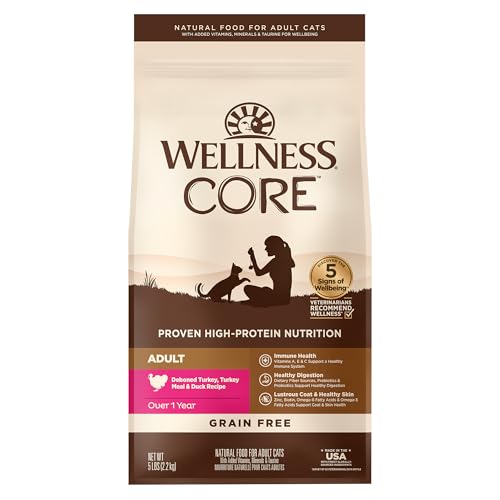
Wellness CORE Grain-Free Dehydrated Turkey & Duck Recipe
Best Grain-Inclusive

Wellness CORE Grain-Free Dehydrated Turkey & Duck Recipe

View on Amazon

This recipe combines turkey and duck for novel proteins and includes chia seeds for omega-3s. It is grain-free, but the brand also offers grain-inclusive options. The limitation is that it contains multiple protein sources, which may not suit dogs with single-protein needs.

#5
Nulo Freeze-Dried Raw Turkey & Salmon Recipe
Best for Puppies

Nulo Freeze-Dried Raw Turkey & Salmon Recipe

View on Amazon

Formulated for all life stages, this recipe provides DHA from salmon for brain development and turkey as a single novel protein. It's suitable for puppies with sensitive skin. However, the high protein content (38%) may be too rich for some puppies; monitor stool consistency.

Before You Buy

Key Buying Factors

01

Novel Protein Source

Dogs with sensitive skin often react to common proteins like chicken or beef. Look for novel proteins such as rabbit, venison, duck, or lamb to reduce the risk of allergic reactions.

02

Omega Fatty Acid Content

Omega-3 and omega-6 fatty acids help maintain a healthy skin barrier and reduce inflammation. Check for ingredients like flaxseed, fish oil, or chia seeds.

03

Limited Ingredient List

Fewer ingredients mean fewer potential allergens. A limited ingredient diet (LID) with a single protein and single carbohydrate source is ideal for sensitive skin.

04

AAFCO Nutritional Adequacy

Ensure the food is labeled as complete and balanced for your dog's life stage (adult, puppy, or all life stages). This guarantees it meets minimum nutrient requirements.

05

Rehydration Ratio

Dehydrated foods require water to rehydrate. Follow package instructions carefully; improper rehydration can lead to digestive issues or inadequate hydration.

Living With It

Care, Cost and Maintenance

How to Transition to Dehydrated Food

Start by mixing 25% new food with 75% old food for 2 to 3 days, then 50/50 for 2 to 3 days, then 75/25 for 2 to 3 days, and finally 100% new food. Monitor for any signs of digestive upset or skin reactions during the transition.

Proper Rehydration Technique

Use warm (not hot) water to rehydrate the food according to package directions. Let it sit for 5 to 10 minutes until fully softened. Stir well and ensure no dry pockets remain. Serve at room temperature. Discard any uneaten food after 30 minutes to prevent bacterial growth.

Storing Dehydrated Dog Food

Keep the original bag tightly sealed in a cool, dry place. Once opened, use within 30 days for optimal freshness. Do not refrigerate dehydrated food as moisture can cause spoilage. Store rehydrated food in the refrigerator for up to 24 hours.

Pro tip

When rehydrating, use warm water (not hot) to better release nutrients and improve palatability. Let the food sit for 5 to 10 minutes, then stir to ensure even moisture distribution.

Frequently asked questions

How much dehydrated dog food should I feed my dog with sensitive skin?
Feeding amounts vary by brand and your dog's weight, age, and activity level. As a general guideline, most dehydrated foods recommend 1 to 2 cups (rehydrated) per 20 to 30 pounds of body weight per day, divided into two meals. Always follow the feeding chart on the package and adjust based on your dog's condition. If your dog has sensitive skin, start with the lower end of the range to avoid overfeeding, which can worsen skin issues. Consult your veterinarian for a tailored feeding plan.
How many calories are in dehydrated dog food for sensitive skin?
Calorie content varies by brand and recipe, but most dehydrated dog foods provide around 350 to 450 kcal per cup when rehydrated. For example, The Honest Kitchen Chicken Recipe has about 380 kcal per cup. Check the product label for exact calorie density. Dogs with sensitive skin may need fewer calories if they are less active due to discomfort. Use a kitchen scale to measure portions accurately, and consult your vet to determine your dog's daily caloric needs based on ideal body weight.
Is grain-free dehydrated dog food safe for dogs with sensitive skin?
Grain-free diets are not inherently unsafe, but the FDA is investigating a potential link between grain-free, legume-heavy diets and canine dilated cardiomyopathy (DCM). For dogs with sensitive skin, a grain-free diet may be beneficial if they have a confirmed grain allergy. However, unless your vet recommends grain-free, grain-inclusive options are generally safer. If you choose grain-free, ensure it is not high in legumes like peas or lentils. Always discuss with your veterinarian before making dietary changes.
Can I feed dehydrated dog food to my puppy with sensitive skin?
Yes, but only if the product is labeled as complete and balanced for growth or all life stages. Puppies have higher protein, fat, and calcium needs. Choose a formula with DHA for brain development and a novel protein to avoid allergens. Avoid all-life-stages foods for large-breed puppies, as they may have improper calcium levels. Always transition slowly and monitor for any adverse reactions. Consult your veterinarian for a puppy-specific feeding plan.
Is dehydrated dog food suitable for overweight dogs with sensitive skin?
Dehydrated dog food can be suitable for overweight dogs if you control portions. Many dehydrated foods are nutrient-dense, so you may need to feed less volume compared to kibble. Look for formulas with lower fat content (around 10 to 12%) and moderate protein. Avoid recipes with added fats or high-calorie ingredients. Measure food accurately and consider using a food scale. Combine with regular exercise and consult your vet for a weight management plan.
Can senior dogs eat dehydrated dog food for sensitive skin?
Yes, dehydrated dog food can be beneficial for senior dogs, especially those with dental issues, as rehydrated food is softer. Look for formulas with added joint support like glucosamine and chondroitin, and lower phosphorus for kidney health. Ensure the protein content is moderate (around 25 to 30%) to support muscle mass without stressing kidneys. Always check the AAFCO statement for adult maintenance. Consult your veterinarian to address age-specific health concerns.
What size or breed is dehydrated dog food best for?
Dehydrated dog food is suitable for all breeds and sizes, but the kibble size and shape vary by brand. For small breeds, choose formulas with smaller pieces or crumble the food. Large breeds may benefit from larger nuggets to encourage chewing. Always ensure the food is rehydrated to an appropriate texture to prevent choking. For giant breeds, avoid all-life-stages formulas unless specifically formulated for large-breed growth. Adjust feeding amounts based on your dog's size and activity level.
What is the difference between dehydrated and freeze-dried dog food for sensitive skin?
Dehydrated food is cooked at low temperatures to remove moisture, while freeze-dried food is frozen and then dried under vacuum. Both preserve nutrients, but freeze-dried retains more raw enzymes and probiotics. Dehydrated food typically requires rehydration with warm water, whereas freeze-dried can be fed as is or rehydrated. For sensitive skin, both can be good options, but freeze-dried may be more palatable. However, freeze-dried raw carries a higher risk of bacterial contamination; handle with care.
Can dehydrated dog food help with my dog's itchy skin?
Dehydrated dog food may help reduce itching if it contains novel proteins and omega fatty acids that support skin health. However, it is not a cure. Itching can have many causes, including environmental allergies, parasites, or infections. A diet change should be done under veterinary guidance. If your dog's itching persists, consult your vet for allergy testing or other treatments. Dehydrated food is a tool, not a guaranteed solution.
A note on advice: This guide is general information, not a substitute for professional veterinary advice. Talk to your vet before changing your dog's diet or care routine, especially if your dog has allergies, kidney disease, pancreatitis, obesity, heart disease or any other medical condition.
Transparency

How we made this guide

How we chose. We compared the options on the factors that matter most for Dog Food, using manufacturer specifications, aggregated verified owner reviews and editorial comparison. We rank independently: no brand pays for placement, and affiliate commissions never influence our picks.

How it was written. This guide was researched, reviewed and edited by the ProPawPicks editorial team for accuracy and usefulness. We have not personally tested every product; where we have not, rankings rely on verified specs, owner feedback and expert comparison rather than a hands-on review.

Affiliate disclosure. ProPawPicks is reader-supported. If you buy through links on our site, we may earn a commission at no extra cost to you. See our affiliate disclosure.

Keep Reading

More Dog Food guides

Insulated Dog Jackets: 4 Best Picks Reviewed for 2026View picks โ†’Stop Wasting Treats: 5 Best Interactive Dog Cameras 2026View picks โ†’Interactive Dog Toys for Boredom: Our ShortlistView picks โ†’Interactive Dog Toys, ComparedView picks โ†’Invisible Dog Fence for Sensitive Stomachs: 2026 Top Pick ReviewedView picks โ†’Contain Your Dog Reliably: 5 Best Invisible Fence Picks for 2026View picks โ†’

Sources and further reading

Some links below are affiliate links. If you buy through them we may earn a small commission at no extra cost to you. Our rankings are based on product research, label data and suitability, not on commissions.