๐Ÿ† Complete Buyer's Guide ยท Dog Care Products

Dog Backpack for Medium Dogs That Deliver

Medium dogs need a backpack that adjusts to their unique shape. We researched top picks including the Ruffwear Approach Pack to find the best fit for your pup.

Some links below are affiliate links. If you buy through them we may earn a small commission at no extra cost to you. Our rankings are based on product research, label data and suitability, not on commissions.

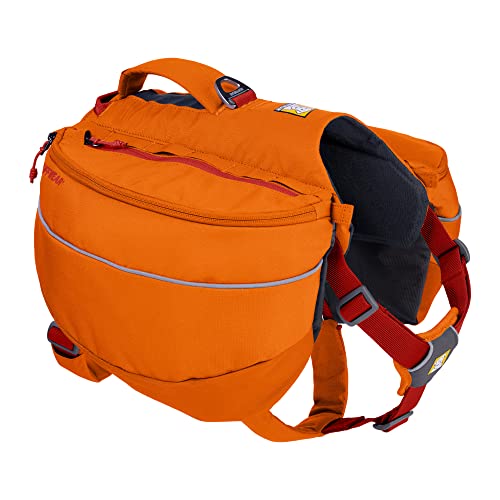
Ruffwear Approach Pack โ˜… Top Pick: Ruffwear Approach Pack Check Price on Amazon →
25 to 50 lbs
Recommended dog weight range
10 to 15%
Max load of dog's body weight
2 to 5 liters
Typical saddlebag capacity
Reflective
Safety feature standard
โšก Key takeaways
  • Best Overall: Ruffwear Approach Pack. The Ruffwear Approach Pack offers a balanced, low-profile design with two removable saddle.
  • Best Budget: Kurgo Baxter Backpack. The Kurgo Baxter Backpack is an affordable option that includes a no-pull front chest clip.
  • Best for Heavy Loads: OneTigris Dog Backpack. The OneTigris Dog Backpack is built with heavy-duty 600D nylon and MOLLE webbing for attac.
  • Best Lightweight: Outward Hound DayPak. The Outward Hound DayPak is a lightweight, simple backpack with two removable saddlebags a.
  • Best for Long Treks: Ruffwear Palisades Pack. The Ruffwear Palisades Pack is a premium backpack with removable saddlebags that double as.
At a Glance

Quick Comparison

Quick answer

The Ruffwear Approach Pack is our top pick for medium dogs. It offers balanced saddlebags, a secure harness fit, and reflective trim for visibility. For budget-conscious owners, the Kurgo Baxter Backpack provides good value with a no-pull front clip. If your dog needs extra padding, the OneTigris Dog Backpack combines comfort with military-style durability.

What to consider for Dog Backpack For Medium Dogs

Medium dogs (typically 25 to 50 pounds) have a wide range of body shapes, so adjustability is key. Look for a backpack that distributes weight evenly across the shoulders and chest, not just the back. The pack should sit snugly without restricting movement or breathing. Consider the terrain: if you hike in low light, reflective strips are important. Also, think about the weight your dog will carry: a good rule is no more than 10 to 15 percent of their body weight. Finally, check that the pack is easy to put on and take off, especially if your dog is wiggly.

What to look for in a gear item (harness, collar, leash or muzzle)

When choosing a dog backpack, treat it like a harness with storage. Correct fit and sizing are critical: measure your dog’s girth (around the chest behind the front legs) and neck, and check the manufacturer’s size chart. Durable hardware and materials include reinforced stitching, heavy-duty zippers, and strong buckles that won’t break on a pull. Safety features like reflective piping, a handle for control, and escape-proof design (no gaps where a dog can slip out) are must-haves. Comfort and padding on the chest and belly straps prevent chafing during long hikes. No-pull design is a bonus: a front chest clip can help discourage pulling, though a backpack alone is not a training tool.

How we chose these picks

  • Evaluated fit and adjustability for medium-sized breeds like Border Collies, Beagles, and Corgis.
  • Assessed weight distribution and balance of saddlebags to avoid shifting.
  • Checked material quality: ripstop nylon, reinforced seams, and corrosion-resistant zippers.
  • Prioritized safety features: reflective elements, secure buckles, and a top handle.
  • Considered ease of cleaning and maintenance for muddy adventures.
  • Read verified buyer feedback on comfort and durability over months of use.
  • Compared price points to offer options for different budgets.
  • Never ranked a product higher just because it pays a commission.

What to avoid

  • Ill-fitting sizes: A backpack that is too loose can shift and cause discomfort; too tight can restrict breathing. Always measure your dog before buying.
  • Flimsy clips that fail on strong dogs: Plastic buckles may break under load. Look for metal or heavy-duty plastic hardware.
  • Aversive tools used without professional guidance: Do not use a backpack as a training tool for pulling without consulting a certified trainer.
  • Retractable leashes near traffic: Never attach a retractable leash to a backpack; use a standard 4 to 6 foot leash for control.

For more tips, check our dog guides and explore dog care products or dog health.

Why this matters

Medium dogs have a wide range of chest depths and neck lengths, so a backpack with multiple adjustment points is essential to prevent chafing and ensure even weight distribution.

The Options

Types Explained

Saddlebag Backpack

Two pouches on either side of the dog, balanced for even weight distribution. Ideal for day hikes and carrying small essentials.

Best for: Active dogs on moderate to long hikes

Harness Backpack Combo

A harness with integrated storage, often with a front clip for no-pull training. Combines control and carrying capacity.

Best for: Dogs that need both a harness and carrying gear

MOLLE Backpack

Features webbing straps to attach additional pouches or gear. Highly customizable but can be bulky.

Best for: Dogs carrying specialized equipment or for tactical use

Lightweight Daypack

Minimalist design with small saddlebags, often made of mesh or thin nylon. Best for short walks or carrying a water bottle.

Best for: Casual walks or dogs new to backpacking
The Rankings

Top 5 Picks

#1
Ruffwear Approach Pack
Best Overall

Ruffwear Approach Pack

View on Amazon

The Ruffwear Approach Pack offers a balanced, low-profile design with two removable saddlebags. It features a padded harness, reflective trim, and a handle for control. The fit is adjustable for medium dogs, and the pack stays secure during active hikes. One limitation is the price, which is higher than some alternatives, and the saddlebags may be small for longer trips.

#2
Kurgo Baxter Backpack
Best Budget

Kurgo Baxter Backpack

View on Amazon

The Kurgo Baxter Backpack is an affordable option that includes a no-pull front chest clip and a top handle. It has two side pockets and reflective stitching for visibility. The padding is adequate for medium dogs, but the material is less durable than premium packs. Some users report the straps can slip over time, requiring readjustment.

#3
OneTigris Dog Backpack
Best for Heavy Loads

OneTigris Dog Backpack

View on Amazon

The OneTigris Dog Backpack is built with heavy-duty 600D nylon and MOLLE webbing for attaching extra gear. It has thick padding on the chest and belly for comfort. The pack fits medium dogs well, but the multiple straps can be confusing to adjust. Also, the pack is bulkier, which may not suit dogs who prefer a minimalist design.

#4
Outward Hound DayPak
Best Lightweight

Outward Hound DayPak

View on Amazon

The Outward Hound DayPak is a lightweight, simple backpack with two removable saddlebags and a handle. It has reflective trim and a breathable mesh lining. The pack is easy to put on and take off, but the padding is minimal, so it is best for short hikes. The zippers are not waterproof, so contents may get wet in rain.

#5
Ruffwear Palisades Pack
Best for Long Treks

Ruffwear Palisades Pack

View on Amazon

The Ruffwear Palisades Pack is a premium backpack with removable saddlebags that double as a daypack. It has a built-in harness, padded handle, and reflective accents. The pack distributes weight well for medium dogs, but it is expensive and may be overkill for casual walks. The saddlebags can be detached for lighter use.

Before You Buy

Key Buying Factors

01

Fit and Adjustability

Measure your dog's girth and neck, and check the size chart. Look for multiple adjustment points on the chest and belly straps to ensure a snug fit without chafing.

02

Weight Distribution

The pack should sit close to the dog's body and distribute weight evenly across the shoulders and chest. Avoid packs that put all weight on the back, as this can cause strain.

03

Durability and Materials

Choose ripstop nylon or polyester with reinforced stitching. Check that zippers are corrosion-resistant and buckles are strong plastic or metal. The pack should withstand rough terrain.

04

Safety Features

Reflective strips or piping improve visibility in low light. A top handle gives you control. Ensure the pack has no loose parts that could snag on branches.

05

Ease of Cleaning

Look for machine-washable packs or those that can be hosed off. Removable saddlebags make cleaning easier. Avoid packs with absorbent foam that traps odors.

Living With It

Care, Cost and Maintenance

Cleaning

Most backpacks can be hand washed with mild soap and water. Remove saddlebags and scrub straps. Air dry completely before storing. Avoid machine washing unless specified, as it may damage padding.

Storage

Store the backpack in a dry, cool place away from direct sunlight. Hang it or lay flat to prevent creases. Check for mildew if stored damp.

Inspection

Before each use, check buckles, zippers, and stitching for wear. Replace any damaged parts immediately. Pay attention to strap adjusters that may loosen over time.

Pro tip

Before a long hike, have your dog wear the empty backpack around the house to get used to the feel. Gradually add weight over several walks to build comfort and confidence.

Frequently asked questions

How do I measure my dog for a backpack?
Measure your dog's girth (circumference of the chest behind the front legs) and neck circumference. Also measure the length from the base of the neck to the base of the tail. Compare these measurements to the manufacturer's size chart. A well-fitting backpack should allow two fingers to slide under the straps without being too tight.
Are dog backpacks effective for no-pull training?
Some backpacks have a front chest clip that can help discourage pulling by redirecting the dog's forward motion. However, a backpack alone is not a training tool. For persistent pulling, consider a dedicated no-pull harness with a front clip and consult a certified trainer. The added weight of a backpack may also encourage calm walking.
Can a dog escape from a backpack?
Most backpacks are designed to be escape-proof when fitted correctly. Look for designs with a secure belly strap and neck opening that cannot be slipped. Avoid packs with large gaps or flimsy buckles. Always test the fit before a hike, and never leave a dog unattended while wearing a backpack.
Is a backpack better than a collar for hiking?
Yes, a backpack distributes weight across the body and reduces strain on the neck compared to a collar. It also provides storage for your dog's own supplies. However, for control, always attach the leash to a separate harness or collar, not to the backpack itself, to avoid pulling the pack off balance.
What materials are most durable for dog backpacks?
Ripstop nylon and polyester are common and offer good tear resistance. Look for reinforced stitching at stress points, especially where straps attach. Corrosion-resistant zippers (like YKK) and heavy-duty plastic or metal buckles add longevity. Avoid packs with thin fabric that can puncture easily.
How do I wash a dog backpack?
Most backpacks can be hand washed with mild detergent and warm water. Remove any removable parts and scrub with a soft brush. Rinse thoroughly and air dry away from direct heat. Machine washing may damage padding or cause straps to tangle. Check the care label for specific instructions.
Can a small dog use a medium dog backpack?
No, a backpack designed for medium dogs will likely be too large and heavy for a small dog. Small dogs have different body proportions and weight limits. Always choose a backpack sized for your dog's specific weight range. Overloading a small dog can cause injury.
How much weight can a medium dog carry in a backpack?
A general guideline is no more than 10 to 15 percent of your dog's body weight. For a 40-pound dog, that is 4 to 6 pounds. Start with a light load and gradually increase as your dog builds strength. Monitor for signs of fatigue or discomfort, and never exceed the manufacturer's recommended weight limit.
Are reflective elements important on a dog backpack?
Yes, reflective stitching or piping greatly improves visibility in low-light conditions such as dawn, dusk, or fog. This is a key safety feature for hiking near roads or in areas with limited lighting. Many backpacks include reflective trim, but if not, consider adding a reflective vest or light.
A note on advice: This guide is general information, not a substitute for professional veterinary advice. Talk to your vet before changing your pet's diet or care routine, especially if your pet has allergies, kidney disease, pancreatitis, obesity, heart disease or any other medical condition.
Transparency

How we made this guide

How we chose. We compared the options on the factors that matter most for Dog Care Products, using manufacturer specifications, aggregated verified owner reviews and editorial comparison. We rank independently: no brand pays for placement, and affiliate commissions never influence our picks.

How it was written. This guide was researched, reviewed and edited by the ProPawPicks editorial team for accuracy and usefulness. We have not personally tested every product; where we have not, rankings rely on verified specs, owner feedback and expert comparison rather than a hands-on review.

Affiliate disclosure. ProPawPicks is reader-supported. If you buy through links on our site, we may earn a commission at no extra cost to you. See our affiliate disclosure.

Keep Reading

More Dog Care Products guides

Interactive Dog Toys for Boredom: Our ShortlistView picks โ†’Picking Invisible Dog Fence for AllergiesView picks โ†’2026 Puppy Fence Guide: 5 Top Invisible Dog Fences ReviewedView picks โ†’Invisible Dog Fence for Sensitive Stomachs: 2026 Top Pick ReviewedView picks โ†’Best Invisible Dog Fence for Small Dogs 2026: 5 Top Picks ReviewedView picks โ†’Expert Picks: Best Invisible Dog Fence for the Money 2026View picks โ†’

Sources and further reading

Some links below are affiliate links. If you buy through them we may earn a small commission at no extra cost to you. Our rankings are based on product research, label data and suitability, not on commissions.