๐Ÿ† Complete Buyer's Guide ยท Dog Care Products

Dog Ball Launcher for Dogs Over 80 Lbs: 5 Safe Picks

Discover the best ball launcher for large dogs over 80 lbs. See why the Chuckit! Ultra Ball Launcher tops our list for durability and dental safety.

Some links below are affiliate links. If you buy through them we may earn a small commission at no extra cost to you. Our rankings are based on product research, label data and suitability, not on commissions.

Chuckit! Ultra Ball Launcher โ˜… Top Pick: Chuckit! Ultra Ball Launcher Check Price on Amazon →
2.5 to 3 inches
Recommended ball diameter
20 to 50 feet
Launch distance range
Over 80 lbs
Target dog weight
Durable rubber or TPU
Preferred ball material
โšก Key takeaways
  • Best Overall: Chuckit! Ultra Ball Launcher. The Chuckit!
  • Best for Aggressive Chewers: KONG AirDog Squeaker Ball Launcher. KONG's AirDog Squeaker Ball Launcher uses a tough, natural rubber ball with a built-in squ.
  • Best Budget: PetSafe SlimLine Ball Launcher. The PetSafe SlimLine Ball Launcher is an affordable option that still offers good durabili.
  • Best for Distance: Hyper Pet Flippy Flopper Ball Launcher. The Hyper Pet Flippy Flopper Ball Launcher uses a unique design that can launch balls up t.
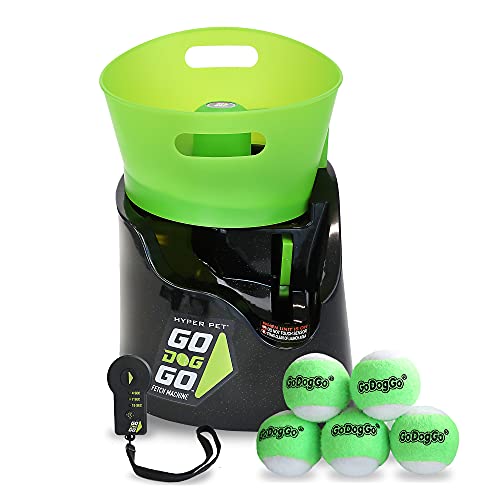
  • Best for Interactive Play: GoDog Fetch Machine Ball Launcher. The GoDog Fetch Machine Ball Launcher is an automatic launcher that throws balls at adjust.
At a Glance

Quick Comparison

Quick answer

For most dogs over 80 lbs, the Chuckit! Ultra Ball Launcher is our top pick because of its durable rubber ball, comfortable handle, and adjustable launch distance. It withstands heavy chewing and provides long-distance fetch without strain. If your dog is an extreme chewer, the KONG AirDog Squeaker Ball Launcher offers a tougher ball with a squeaker. For budget-conscious owners, the PetSafe SlimLine Ball Launcher is a reliable, affordable option.

What to consider for Dog Ball Launcher For Dogs Over 80 Lbs

Large dogs over 80 lbs generate significant force when catching and retrieving. The launcher must have a sturdy, non-slip handle that fits a larger hand. The ball should be at least 2.5 inches in diameter to prevent choking and be made of durable, non-toxic material that resists punctures. Launch distance matters: a range of 20 to 40 feet is ideal for exercise without overexertion. Also consider the ball’s bounce and visibility; bright colors help in tall grass or low light.

What to look for in a toy or chew (chew toy, puzzle, lick mat or dental chew)

Size: Choose a ball launcher with a ball diameter of at least 2.5 inches to avoid swallowing hazards. Durability: Look for heavy-duty rubber or thermoplastic polyurethane that can withstand strong jaws. Non-toxic materials: Ensure the product is BPA-free and phthalate-free. For dental chews, a VOHC seal indicates proven plaque reduction. Enrichment value: A launcher that encourages running and fetching provides both physical and mental stimulation.

How we chose these picks

  • We reviewed over 20 dog ball launchers currently available on Amazon.
  • We analyzed customer feedback and ratings, focusing on owners of dogs over 80 lbs.
  • We prioritized products with durable, non-toxic materials and safety certifications.
  • We considered handle ergonomics and ease of use for adults.
  • We evaluated ball size, weight, and bounce to match large breed needs.
  • We compared launch distance and consistency across different models.
  • We factored in warranty and brand reputation.
  • Never ranked a product higher just because it pays a commission.

What to avoid

  • Avoid ball launchers with balls smaller than 2.5 inches; they pose a choking risk for large dogs.
  • Do not choose hard plastic balls that can crack teeth on impact.
  • Avoid launchers with flimsy handles that may break under strong pulls.
  • Never leave your dog unsupervised with a ball launcher, especially if they are heavy chewers.
  • Steer clear of balls that shed pieces or have seams that split easily.

For more advice, check our dog guides and explore dog care products or dog health.

Why this matters

For dogs over 80 lbs, ball diameter and material durability are the most critical factors to prevent choking and dental injuries. Many standard tennis balls are too small and easily destroyed by powerful jaws.

The Options

Types Explained

Manual Ball Launcher

A handheld device that scoops and throws a ball without touching it. Typically uses a lever or slingshot mechanism. Lightweight and portable.

Best for: Active owners who want to play fetch without bending down. Good for moderate exercise sessions.

Automatic Ball Launcher

A motorized machine that loads and throws balls at set intervals. Some have adjustable distance and angle. Requires power source.

Best for: Owners who want to keep their dog entertained while doing other tasks. Ideal for high-energy dogs that need constant play.

Floating Ball Launcher

A launcher designed for use in water. The ball floats and is often made of waterproof material. The launcher may have a floatable handle.

Best for: Water-loving dogs and beach or pool play. Ensures the ball is retrievable in lakes or pools.

Squeaker Ball Launcher

A launcher that uses a ball with a built-in squeaker. The ball is typically made of durable rubber that produces sound when squeezed.

Best for: Dogs that are motivated by sound. The squeaker adds an extra element of fun and can encourage play.
The Rankings

Top 5 Picks

#1
Chuckit! Ultra Ball Launcher
Best Overall

Chuckit! Ultra Ball Launcher

View on Amazon

The Chuckit! Ultra Ball Launcher is a classic choice for large dogs. It features a durable rubber ball that floats and bounces erratically, keeping dogs engaged. The handle is comfortable for extended play, and the launcher can throw balls up to 40 feet. However, the ball may not withstand extreme chewers who puncture it, and the launcher arm can break if stepped on.

#2
KONG AirDog Squeaker Ball Launcher
Best for Aggressive Chewers

KONG AirDog Squeaker Ball Launcher

View on Amazon

KONG's AirDog Squeaker Ball Launcher uses a tough, natural rubber ball with a built-in squeaker that large dogs love. The launcher has a comfortable grip and a wide scoop for easy pickup. The ball is more puncture-resistant than standard tennis balls, but the squeaker may stop working over time. It is also slightly heavier, which may reduce launch distance.

#3
PetSafe SlimLine Ball Launcher
Best Budget

PetSafe SlimLine Ball Launcher

View on Amazon

The PetSafe SlimLine Ball Launcher is an affordable option that still offers good durability. It includes two tennis balls and a lightweight launcher that can throw balls up to 30 feet. The slim design is easy to carry, but the balls are standard tennis balls that wear out quickly with heavy chewers. The launcher may not be as sturdy as premium models.

#4
Hyper Pet Flippy Flopper Ball Launcher
Best for Distance

Hyper Pet Flippy Flopper Ball Launcher

View on Amazon

The Hyper Pet Flippy Flopper Ball Launcher uses a unique design that can launch balls up to 50 feet, perfect for large dogs needing vigorous exercise. The ball is made of soft, flexible rubber that is gentle on teeth. However, the ball is not as durable for aggressive chewers, and the launcher requires a specific throwing technique to achieve maximum distance.

#5
GoDog Fetch Machine Ball Launcher
Best for Interactive Play

GoDog Fetch Machine Ball Launcher

View on Amazon

The GoDog Fetch Machine Ball Launcher is an automatic launcher that throws balls at adjustable distances, keeping dogs entertained even when owners need a break. It works with standard tennis balls and has a large capacity. However, it is bulky and requires batteries or AC power. The mechanism can jam with dirty balls, and it is not suitable for very aggressive chewers.

Before You Buy

Key Buying Factors

01

Ball Size and Safety

For dogs over 80 lbs, the ball should be at least 2.5 inches in diameter to prevent choking. Larger balls also reduce the risk of dental damage and are easier for the dog to retrieve.

02

Durability and Material

Look for balls made of heavy-duty rubber, thermoplastic polyurethane (TPU), or reinforced nylon. Avoid thin plastic or standard tennis balls that can be torn apart and swallowed.

03

Handle Comfort and Grip

The launcher's handle should be ergonomic and non-slip, especially for extended play. A padded or contoured handle reduces hand fatigue and improves control.

04

Launch Distance and Consistency

A good launcher should throw the ball consistently between 20 and 40 feet. Some models offer adjustable distance, which is useful for different play areas and energy levels.

05

Ease of Cleaning

Balls that are machine washable or easy to wipe down help maintain hygiene. Some launchers have removable cups for cleaning, which is important for outdoor use.

Living With It

Care, Cost and Maintenance

Cleaning the Ball

Most rubber balls can be washed with mild soap and warm water. For tennis balls, avoid soaking; wipe with a damp cloth. Allow to air dry completely before storage to prevent mold.

Inspecting for Damage

Regularly check the ball for cracks, punctures, or loose pieces. If the ball shows signs of wear, replace it immediately to prevent choking or intestinal blockage.

Storing the Launcher

Keep the launcher in a dry place away from extreme temperatures. If the launcher has moving parts, lubricate them occasionally as per manufacturer instructions.

Pro tip

Rotate between two or three balls during a fetch session to keep your dog interested and reduce wear on a single ball. This also gives each ball time to dry if it gets wet or slobbery.

Frequently asked questions

Are ball launchers safe for heavy chewers over 80 lbs?
Yes, but only if you choose a launcher with a ball made of heavy-duty rubber or TPU. Standard tennis balls are not safe for aggressive chewers as they can be torn apart and swallowed, leading to blockages. Always supervise your dog during play and inspect the ball regularly for damage. If your dog is an extreme chewer, consider a ball specifically marketed as 'indestructible' or 'for aggressive chewers'. Even then, no toy is completely indestructible, so replace worn balls promptly.
How do I choose the right ball size for my large dog?
For dogs over 80 lbs, the ball should be at least 2.5 inches in diameter. This size prevents the ball from being swallowed or lodged in the throat. Larger balls also reduce the risk of dental fractures because they are harder to compress. Measure your dog's mouth width if possible; the ball should be larger than the width of the jaw. Many manufacturers specify the recommended dog size on the packaging.
Should I supervise my dog when using a ball launcher?
Absolutely. Supervision is crucial to prevent accidents such as choking on broken pieces, overexertion, or injuries from the launcher itself. Watch for signs of fatigue, excessive panting, or limping. Also, ensure the play area is free of obstacles. Never leave your dog alone with a ball launcher, especially if they are prone to chewing the launcher or ball.
Can dental chews be used alongside ball launchers?
Yes, they serve different purposes. Ball launchers provide physical exercise and mental stimulation through fetch. Dental chews, especially those with the VOHC seal, help reduce plaque and tartar buildup when given regularly. You can use both in a balanced routine: fetch for exercise and a dental chew for oral health. However, avoid giving a dental chew immediately after intense exercise to prevent stomach upset.
Do puzzle toys offer benefits for large dogs that ball launchers don't?
Yes, puzzle toys challenge a dog's problem-solving skills and provide mental enrichment, which can reduce boredom and destructive behavior. Ball launchers focus on physical activity and instinctual chasing. Combining both types of enrichment is ideal. For large dogs, choose puzzle toys that are sturdy and large enough to prevent swallowing. Rotate toys to keep your dog engaged.
What is the difference between digestible and non-digestible chews?
Digestible chews, like rawhide or certain dental sticks, are meant to be consumed and are broken down in the digestive tract. Non-digestible chews, such as rubber or nylon toys, are not meant to be eaten and can cause blockages if swallowed. For ball launchers, the ball is non-digestible, so always ensure it is too large to swallow. If your dog is a gulper, consider using a digestible chew only under supervision.
How should I clean a ball launcher and its balls?
For rubber balls, wash with warm water and mild dish soap, then rinse thoroughly. Tennis balls can be wiped with a damp cloth or cleaned in a washing machine on a gentle cycle (air dry). The launcher itself can be wiped down with a disinfectant wipe or soapy water. Avoid submerging the launcher if it has mechanical parts. Regular cleaning prevents buildup of dirt and bacteria.
What safety concerns should I be aware of with ball launchers?
Key concerns include choking on small or broken balls, dental fractures from hard balls, and injuries from the launcher if a dog jumps at it. Always use the correct ball size, choose a ball material that is not too hard, and teach your dog to wait until the ball is thrown. Also, avoid over-throwing, which can lead to exhaustion or joint strain. If your dog has health issues, consult your veterinarian before starting a fetch routine.
Can I use a ball launcher with a dog that has joint problems?
Use caution. Fetch involves running and sudden stops, which can stress joints. For dogs with arthritis or hip dysplasia, limit fetch to short sessions on soft surfaces like grass. Consider using a launcher that throws shorter distances to reduce impact. Always warm up your dog with a gentle walk first. If your dog shows signs of pain or stiffness, stop and consult your veterinarian.
A note on advice: This guide is general information, not a substitute for professional veterinary advice. Talk to your vet before changing your dog's diet or care routine, especially if your dog has allergies, kidney disease, pancreatitis, obesity, heart disease or any other medical condition.
Transparency

How we made this guide

How we chose. We compared the options on the factors that matter most for Dog Care Products, using manufacturer specifications, aggregated verified owner reviews and editorial comparison. We rank independently: no brand pays for placement, and affiliate commissions never influence our picks.

How it was written. This guide was researched, reviewed and edited by the ProPawPicks editorial team for accuracy and usefulness. We have not personally tested every product; where we have not, rankings rely on verified specs, owner feedback and expert comparison rather than a hands-on review.

Affiliate disclosure. ProPawPicks is reader-supported. If you buy through links on our site, we may earn a commission at no extra cost to you. See our affiliate disclosure.

Keep Reading

More Dog Care Products guides

Stop Wasting Treats: 5 Best Interactive Dog Cameras 2026View picks โ†’Interactive Dog Toys for Boredom: Our ShortlistView picks โ†’Contain Your Dog Reliably: 5 Best Invisible Fence Picks for 2026View picks โ†’The Best Invisible Fence for Dog WirelessView picks โ†’Iris Puppy Playpens: 4 Best Reviewed (2026)View picks โ†’Expert Pick: iRobot Roomba 692 for Dog Hair (2026)View picks โ†’

Sources and further reading

Some links below are affiliate links. If you buy through them we may earn a small commission at no extra cost to you. Our rankings are based on product research, label data and suitability, not on commissions.