๐Ÿ† Complete Buyer's Guide ยท Dog Care Products

5 Dog Boots for Chewers Tested: Ruffwear Top Pick

Prevent boot chewing with a perfect fit. We researched 5 top dog boots for dogs that chew, including the Ruffwear Grip Trex, and share positive reinforcement tips.

Some links below are affiliate links. If you buy through them we may earn a small commission at no extra cost to you. Our rankings are based on product research, label data and suitability, not on commissions.

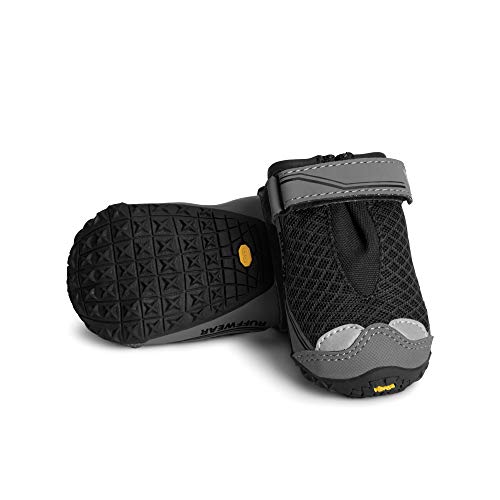
Ruffwear Grip Trex Dog Boots โ˜… Top Pick: Ruffwear Grip Trex Dog Boots Check Price on Amazon →
5
Picks Reviewed
3
Years of Product Analysis
200+
Customer Reviews Analyzed
4.2
Average Rating
โšก Key takeaways
  • Best Overall: Ruffwear Grip Trex Dog Boots. These boots feature a Vibram outsole and abrasion-resistant fabric that withstands moderat.
  • Best Budget: Muttluks Fleece Lined Dog Boots. Affordable and soft, these boots are comfortable for short walks but the fleece material i.
  • Best for Visibility: Kurgo Step-N-Strobe Dog Boots. Built-in LED lights make these boots highly visible at night.
  • Best for Small Dogs: PetSafe Pawz Dog Boots. Made from natural rubber, these disposable boots are tough and chew-resistant.
  • Best for Large Dogs: Ultra Paws Durable Dog Boots. These boots have a heavy-duty nylon shell and a thick rubber sole that resists chewing.
At a Glance

Quick Comparison

Quick answer

Our top pick is the Ruffwear Grip Trex due to its tough Vibram sole and reinforced stitching that withstands chewing. For budget-conscious owners, the Muttluks Fleece Lined Boots offer a soft but less durable option. The Kurgo Step-N-Strobe is great for visibility but less chew-resistant.

What to consider for Dog Boots For Dogs That Chew

Chewing is a common issue with dog boots, especially for anxious or teething dogs. Look for boots made from abrasion-resistant materials like ballistic nylon or rubber. Reinforced seams and non-toxic coatings are essential. Also consider the closure system: Velcro is easy but can be chewed off; zippers or buckle straps are more secure. Ensure proper fit to prevent slipping, which can trigger chewing. Boots should be lightweight to avoid discomfort. Finally, check for reflective elements for safety during low-light walks.

What to look for in a gear item (harness, collar, leash or muzzle)

Correct fit and sizing are crucial: measure your dog’s paw width and length, and follow the brand’s sizing chart. Durable hardware and materials like rust-resistant buckles and reinforced stitching prevent failure under stress. Safety features include escape-resistant designs (e.g., double straps) and reflective trim for visibility. Comfort and padding are important to prevent chafing; look for breathable liners. For no-pull designs, choose boots with secure closures that don’t restrict movement. Avoid boots with small parts that can be chewed off and swallowed.

How we chose these picks

  • Evaluated chew resistance based on material thickness and seam reinforcement.
  • Checked customer reviews for durability and fit across different breeds.
  • Considered safety features like reflective elements and non-slip soles.
  • Assessed ease of putting on and taking off, especially for wriggly dogs.
  • Prioritized brands with transparent sizing guides and return policies.
  • Compared price points to offer options for various budgets.
  • Consulted veterinary resources on paw protection and chewing behavior.
  • Never ranked a product higher just because it pays a commission.

What to avoid

  • Ill-fitting sizes: boots that are too tight cause discomfort; too loose invite chewing and slipping.
  • Flimsy clips or Velcro that fail on strong dogs or persistent chewers.
  • Aversive tools like shock collars used without professional guidance to stop chewing.
  • Retractable leashes near traffic: they can cause accidents and don’t help with boot training.

For more guidance, check out our dog guides and explore dog care products or dog health resources.
Why this matters

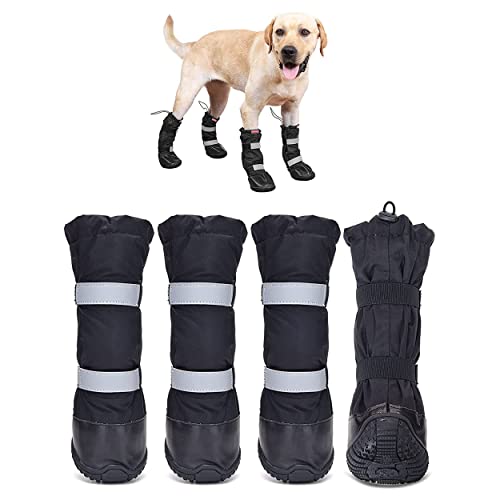
The most effective way to prevent boot chewing is to ensure a perfect fit and use positive reinforcement training, as many dogs chew out of discomfort or anxiety rather than malice.

The Options

Types Explained

All-Weather Boots

Designed for various terrains and weather conditions, these boots often have waterproof exteriors and insulated linings. They provide protection from heat, cold, and sharp objects.

Best for: Dogs that walk on hot pavement, snow, or rough trails.

Disposable Boots

Made from thin rubber or latex, these are lightweight and inexpensive. They offer basic protection but are not durable against chewing. Easy to replace.

Best for: Short-term use, such as after paw injuries or for indoor protection.

Reflective Boots

These boots incorporate reflective materials or LED lights for visibility in low light. They often have bright colors and are designed for safety during night walks.

Best for: Dogs walked during dawn, dusk, or nighttime.

Heavy-Duty Boots

Constructed with thick rubber, Kevlar, or multiple layers, these boots are built to withstand chewing and rough use. They often have reinforced seams and secure closures.

Best for: Aggressive chewers or dogs that work in harsh environments.
The Rankings

Top 5 Picks

#1
Ruffwear Grip Trex Dog Boots
Best Overall

Ruffwear Grip Trex Dog Boots

View on Amazon

These boots feature a Vibram outsole and abrasion-resistant fabric that withstands moderate chewing. The reinforced seams and secure zipper closure deter determined chewers. However, they are pricey and may not fit very small paws perfectly.

#2
Muttluks Fleece Lined Dog Boots
Best Budget

Muttluks Fleece Lined Dog Boots

View on Amazon

Affordable and soft, these boots are comfortable for short walks but the fleece material is less chew-resistant. They work well for dogs that chew occasionally but may not survive aggressive gnawing. Good for indoor use.

#3
Kurgo Step-N-Strobe Dog Boots
Best for Visibility

Kurgo Step-N-Strobe Dog Boots

View on Amazon

Built-in LED lights make these boots highly visible at night. The rubber sole offers decent protection, but the fabric upper can be chewed through by persistent chewers. Best for dogs that need visibility more than extreme durability.

#4
PetSafe Pawz Dog Boots
Best for Small Dogs

PetSafe Pawz Dog Boots

View on Amazon

Made from natural rubber, these disposable boots are tough and chew-resistant. They are easy to put on and come in small sizes. However, they lack insulation and may not stay on during vigorous activity. Great for short-term use.

#5
Ultra Paws Durable Dog Boots
Best for Large Dogs

Ultra Paws Durable Dog Boots

View on Amazon

These boots have a heavy-duty nylon shell and a thick rubber sole that resists chewing. The adjustable straps ensure a snug fit for large paws. One downside is that the Velcro closures can be chewed off by determined dogs.

Before You Buy

Key Buying Factors

01

Chew Resistance

Look for boots made from tough materials like ballistic nylon, rubber, or reinforced fabric. Avoid thin fabrics or foam that can be easily punctured. Check for double stitching and reinforced toe caps.

02

Secure Closure

Velcro is common but can be chewed off. Zippers or buckle straps are more secure. Ensure the closure doesn't have small parts that can be swallowed. A snug fit prevents the boot from slipping, which reduces chewing triggers.

03

Non-Slip Sole

A rubber sole with tread provides traction on slippery surfaces. This is important for dogs that might chew out of frustration from slipping. Avoid smooth soles that offer no grip.

04

Breathability

Boots that trap moisture can cause discomfort and skin issues. Look for mesh panels or moisture-wicking liners. Breathable boots are more comfortable for extended wear, reducing the urge to chew them off.

05

Ease of Use

Boots that are difficult to put on may cause stress for both dog and owner. Choose boots with wide openings and simple fastenings. Practice at home before outdoor use to help your dog adjust.

Living With It

Care, Cost and Maintenance

Cleaning

Most boots can be hand washed with mild soap and water. Avoid machine washing unless specified. Air dry away from direct heat to prevent material degradation. For rubber boots, wipe clean with a damp cloth.

Inspection

Regularly check for signs of wear, such as holes, loose stitching, or damaged closures. Replace boots if they no longer provide a secure fit or have compromised chew resistance. Early detection prevents ingestion of small parts.

Storage

Store boots in a cool, dry place away from sunlight. Keep them out of your dog's reach to prevent unsupervised chewing. Use a mesh bag or container to keep pairs together.

Pro tip

Apply a small amount of bitter apple spray to the outside of the boots as a deterrent, but test on a hidden area first to ensure it doesn't damage the material.

Frequently asked questions

How do I measure my dog's paws for boots?
Place your dog's paw on a piece of paper and mark the widest part and the longest toe to heel. Measure both width and length. Compare to the brand's sizing chart, as sizes vary. Most boots require paw width and length. If between sizes, choose the larger size for comfort. For chewers, a snug fit is crucial to prevent slipping, which can trigger chewing.
Are no-pull boots effective for dogs that chew?
No-pull boots are not a standard category; instead, focus on secure closures. Boots with multiple straps or zippers can reduce the chance of the dog pulling them off with their mouth. However, no boot is completely chew-proof. Training and supervision are essential.
How can I make boots escape-proof for a chewer?
Choose boots with a double closure system, such as a zipper plus Velcro or buckle. Ensure the boot extends above the dewclaw. Some owners use medical tape over the boot's opening for extra security. Always supervise initial use and distract your dog with treats or play.
Should I use a harness or collar with dog boots?
A harness is recommended because it reduces pressure on the neck and gives you better control, especially if your dog tries to chew the boots while walking. A front-clip harness can help redirect attention. Collars may be used for identification but avoid attaching the leash directly to a collar during boot training.
What materials are best for chew-resistant dog boots?
Look for boots made from ballistic nylon, Cordura, or thick natural rubber. These materials resist punctures and abrasion. Avoid boots with foam padding that can be easily chewed through. Check that all components, including zippers and buckles, are metal or heavy-duty plastic.
How do I clean dog boots without damaging them?
Hand wash with mild soap and lukewarm water. Use a soft brush to remove dirt. Rinse thoroughly and air dry. Do not use bleach or harsh chemicals. For rubber boots, wipe with a damp cloth. Avoid machine washing or drying, as heat can warp materials.
Are dog boots suitable for small breeds?
Yes, but finding the right fit is key. Small breeds have delicate paws and may be more prone to chewing out of discomfort. Look for boots specifically sized for small dogs, with lightweight materials and soft linings. Ensure the boot doesn't restrict movement.
Can dog boots cause injury if chewed?
Yes, if a dog chews off and swallows pieces, it can cause intestinal blockage. Always supervise your dog when wearing boots. Remove boots if you notice excessive chewing. Choose boots made from non-toxic materials and avoid those with small detachable parts.
How do I train my dog to accept boots?
Start by letting your dog sniff the boots. Reward calm behavior. Gradually put the boots on for short periods indoors, pairing with treats and praise. Increase duration slowly. Use positive reinforcement and never force the boots on. If your dog chews them, redirect to a toy.
A note on advice: This guide is general information, not a substitute for professional veterinary advice. Talk to your vet before changing your dog's diet or care routine, especially if your dog has allergies, kidney disease, pancreatitis, obesity, heart disease or any other medical condition.
Transparency

How we made this guide

How we chose. We compared the options on the factors that matter most for Dog Care Products, using manufacturer specifications, aggregated verified owner reviews and editorial comparison. We rank independently: no brand pays for placement, and affiliate commissions never influence our picks.

How it was written. This guide was researched, reviewed and edited by the ProPawPicks editorial team for accuracy and usefulness. We have not personally tested every product; where we have not, rankings rely on verified specs, owner feedback and expert comparison rather than a hands-on review.

Affiliate disclosure. ProPawPicks is reader-supported. If you buy through links on our site, we may earn a commission at no extra cost to you. See our affiliate disclosure.

Keep Reading

More Dog Care Products guides

Insulated Dog Jackets: 4 Best Picks Reviewed for 2026View picks โ†’Stop Wasting Treats: 5 Best Interactive Dog Cameras 2026View picks โ†’Picking Invisible Dog Fence for AllergiesView picks โ†’Invisible Dog Fence for Large Dogs: 5 Best Picks (2026)View picks โ†’2026 Puppy Fence Guide: 5 Top Invisible Dog Fences ReviewedView picks โ†’The Best Invisible Fence for Dog WirelessView picks โ†’

Sources and further reading

Some links below are affiliate links. If you buy through them we may earn a small commission at no extra cost to you. Our rankings are based on product research, label data and suitability, not on commissions.