๐Ÿ† Complete Buyer's Guide ยท Dog Care Products

Dog Boots for First-Time Owners: 5 Value Picks for Every Budget

Properly fitted dog boots prevent paw injuries from hot pavement, ice, and rough terrain. We compared 5 top picks including Ruffwear Grip Trex for easy introduction.

Some links below are affiliate links. If you buy through them we may earn a small commission at no extra cost to you. Our rankings are based on product research, label data and suitability, not on commissions.

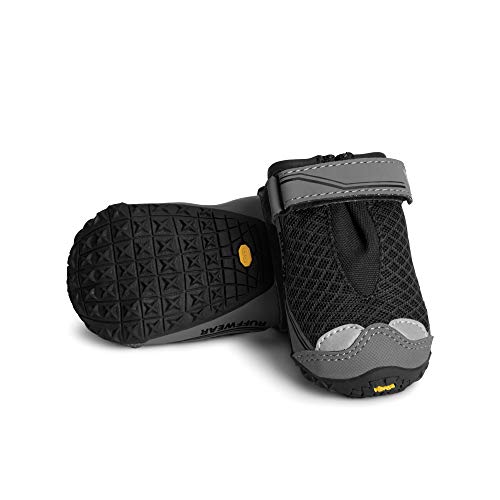
Ruffwear Grip Trex Dog Boots โ˜… Top Pick: Ruffwear Grip Trex Dog Boots Check Price on Amazon →
5
Picks Compared
10 to 20
Minutes to Fit
4
Sizes Per Model
2
Closure Types (Velcro, Buckle)
โšก Key takeaways
  • Best Overall: Ruffwear Grip Trex Dog Boots. With Vibram outsole and a secure buckle closure, these boots offer superior traction and s.
  • Best Budget: Rabbitgoo Dog Boots for Small and Large Dogs. These affordable boots feature a reflective strip and a simple velcro strap for easy on/of.
  • Best for Traction: Kurgo Blaze Cross Dog Boots. Designed with a rugged rubber sole and a neoprene upper, these boots offer excellent grip.
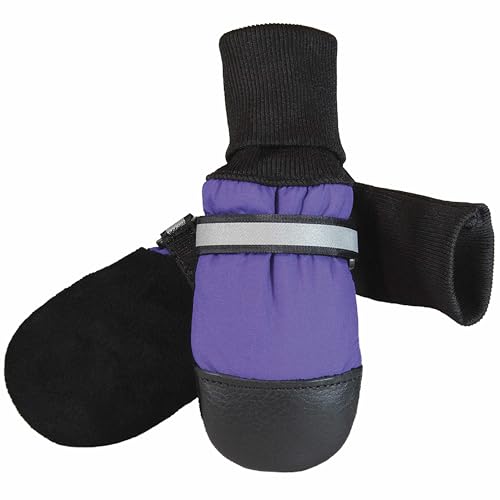
  • Best for Cold Weather: Muttluks Original Fleece-Lined Dog Boots. Featuring a fleece lining and a waterproof nylon outer, these boots keep paws warm in snow.
  • Best for Minimalist Fit: Pawz Dog Boots. Made from natural rubber, these disposable-like boots provide a barefoot feel while protec.
At a Glance

Quick Comparison

Quick answer

For most first-time owners, the Ruffwear Grip Trex is the best choice. Its Vibram sole provides excellent traction, and the secure buckle system keeps boots on during active outings. If you need a budget-friendly option, the Rabbitgoo Dog Boots offer good protection at a lower price, though they may wear faster on rough terrain.

What to consider for Dog Boots For First Time Owners

First-time owners should prioritize easy on/off, secure fit, and traction. Boots that are too loose can cause chafing or fall off, while overly tight ones restrict circulation. Look for adjustable straps, breathable fabric, and soles that grip wet or icy surfaces. Consider your dog’s typical walking surfaces: pavement, snow, or rocky trails each require different tread patterns.

What to look for in a gear item (harness, collar, leash or muzzle)

For dog boots, correct fit and sizing are critical. Measure your dog’s paw width and length while standing. Durable hardware includes rust-resistant buckles or velcro that won’t fail. Safety features include reflective trim for visibility and a non-slip sole. Comfort and padding are important to prevent blisters; look for a soft inner lining. A no-pull design isn’t relevant for boots, but ensure the boot doesn’t impede natural gait.

How we chose these picks

  • Evaluated product specifications from manufacturer websites and major retailers.
  • Compared customer reviews focusing on fit, durability, and ease of use for first-time owners.
  • Considered price range to include budget and premium options.
  • Checked for safety features like reflective elements and non-slip soles.
  • Assessed materials for breathability and weather resistance.
  • Ensured availability from reputable sellers with good return policies.
  • Never ranked a product higher just because it pays a commission.

What to avoid

  • Ill-fitting sizes: always measure paws and check sizing charts; avoid guessing.
  • Flimsy clips or velcro that may fail on active dogs or in wet conditions.
  • Boots with hard, non-flexible soles that restrict natural movement.
  • Materials that are not breathable, leading to moisture buildup and irritation.

For more guidance, visit our dog guides and dog care products or dog health sections.
Why this matters

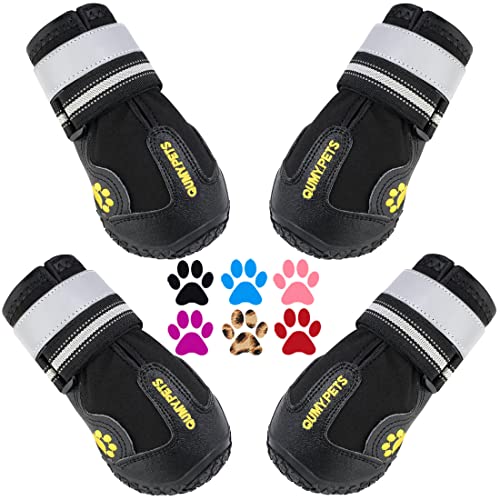
Properly fitted dog boots can prevent paw pad injuries from hot pavement, ice, and rough terrain, but they require gradual introduction to ensure your dog accepts them.

The Options

Types Explained

All-Weather Boots

Designed for rain, snow, and mud, these boots often have waterproof membranes and thermal lining.

Best for: Dogs that walk in wet or cold conditions regularly.

Trail Boots

Built with aggressive tread and reinforced uppers for rocky or rough terrain.

Best for: Active dogs that hike or run on uneven surfaces.

Protective Boots

Lightweight boots for short-term protection against hot pavement, salt, or sharp debris.

Best for: Urban walks and seasonal paw protection.

Therapeutic Boots

Soft, padded boots that protect injured paws or provide traction for dogs with mobility issues.

Best for: Senior dogs or those recovering from paw injuries.
The Rankings

Top 5 Picks

#1
Ruffwear Grip Trex Dog Boots
Best Overall

Ruffwear Grip Trex Dog Boots

View on Amazon

With Vibram outsole and a secure buckle closure, these boots offer superior traction and stay on during active play. The breathable mesh upper keeps paws cool. However, they are pricier than alternatives and may require a break-in period for some dogs.

#2
Rabbitgoo Dog Boots for Small and Large Dogs
Best Budget

Rabbitgoo Dog Boots for Small and Large Dogs

View on Amazon

These affordable boots feature a reflective strip and a simple velcro strap for easy on/off. They provide decent protection for casual walks on pavement or light snow. The main trade-off is less durability on rough terrain compared to premium models.

#3
Kurgo Blaze Cross Dog Boots
Best for Traction

Kurgo Blaze Cross Dog Boots

View on Amazon

Designed with a rugged rubber sole and a neoprene upper, these boots offer excellent grip on slippery surfaces. The reflective piping enhances visibility. One limitation is that the sizing can be tricky for dogs with very wide paws.

#4
Muttluks Original Fleece-Lined Dog Boots
Best for Cold Weather

Muttluks Original Fleece-Lined Dog Boots

View on Amazon

Featuring a fleece lining and a waterproof nylon outer, these boots keep paws warm in snow and ice. The stretchy fabric allows a snug fit. However, they lack aggressive tread and may not be ideal for rocky trails.

#5
Pawz Dog Boots
Best for Minimalist Fit

Pawz Dog Boots

View on Amazon

Made from natural rubber, these disposable-like boots provide a barefoot feel while protecting against salt and hot pavement. They are inexpensive and easy to put on. The downside is they can tear easily and are not reusable for many wears.

Before You Buy

Key Buying Factors

01

Fit and Sizing

Measure your dog's paw width and length while standing. Boots should be snug but not tight, with no excess space at the toes. Check the manufacturer's size chart and consider your dog's activity level.

02

Sole Traction

Look for rubber or textured soles that provide grip on wet, icy, or uneven surfaces. Deeper treads are better for off-road use, while flat soles suit pavement.

03

Material and Durability

Choose breathable, water-resistant materials like nylon or neoprene. Reinforced stitching and sturdy straps or buckles extend the life of the boots.

04

Ease of Use

First-time owners should consider boots with wide openings and simple closures like velcro or quick-release buckles. Practice putting them on before heading out.

05

Safety Features

Reflective elements improve visibility in low light. Non-slip soles prevent falls. Ensure the boot does not restrict circulation or cause chafing.

Living With It

Care, Cost and Maintenance

Cleaning

Hand wash with mild soap and warm water. Avoid machine washing as it can damage materials. Air dry away from direct heat.

Storage

Store in a cool, dry place. Keep away from sunlight to prevent fading and material degradation.

Inspection

Regularly check for wear, loose stitching, or damaged soles. Replace boots if they show signs of failure to maintain protection.

Pro tip

Before a long walk, have your dog wear the boots indoors for short periods to get accustomed to the feel, rewarding with treats to create a positive association.

Frequently asked questions

How do I measure my dog's paws for boots?
Place your dog's paw on a piece of paper and mark the widest point and the longest toe to heel. Measure both length and width. Use the manufacturer's size chart, as sizing varies by brand. If your dog is between sizes, choose the larger size for comfort.
Are dog boots effective for no-pull walking?
Dog boots are not designed for no-pull training. They protect paws but do not discourage pulling. For pulling issues, consider a no-pull harness or consult a trainer. Boots alone won't change walking behavior.
How can I make sure the boots stay on my dog?
Ensure a snug fit by tightening straps or velcro without cutting off circulation. Boots with a secure buckle or double velcro are more escape-resistant. Practice indoors first and reward your dog for wearing them.
Should I use a harness or collar with boots?
Boots are worn on the paws, so they don't replace a harness or collar. Use your regular walking gear. Boots can be used with any harness or collar; just ensure the boots don't interfere with the fit of the harness.
What materials are best for durability?
Nylon and neoprene uppers with rubber soles offer good durability. Look for reinforced stitching and rust-resistant hardware. Avoid cheap plastics that crack in cold weather. Premium brands like Ruffwear use abrasion-resistant fabrics.
How do I clean dog boots?
Hand wash with mild soap and warm water. Rinse thoroughly and air dry. Do not machine wash or dry, as heat can damage adhesives and materials. For muddy boots, let mud dry then brush off before washing.
Are there boots specifically for small dogs?
Yes, many brands offer sizes for small breeds. Look for boots with narrower openings and lighter materials. Small dogs may have more sensitive paws, so choose boots with soft lining and flexible soles.
Can boots help with paw injuries?
Yes, boots can protect injured paws from dirt and licking, and provide traction on slippery floors. For serious injuries, consult your vet. Boots are not a substitute for medical treatment but can aid recovery.
Are dog boots safe for all dogs?
Generally yes, but monitor your dog for signs of discomfort, such as excessive licking or chewing at the boots. Ensure proper fit to avoid blisters. Introduce boots gradually and never leave them on for extended periods without supervision.
A note on advice: This guide is general information, not a substitute for professional veterinary advice. Talk to your vet before changing your pet's diet or care routine, especially if your pet has allergies, kidney disease, pancreatitis, obesity, heart disease or any other medical condition.
Transparency

How we made this guide

How we chose. We compared the options on the factors that matter most for Dog Care Products, using manufacturer specifications, aggregated verified owner reviews and editorial comparison. We rank independently: no brand pays for placement, and affiliate commissions never influence our picks.

How it was written. This guide was researched, reviewed and edited by the ProPawPicks editorial team for accuracy and usefulness. We have not personally tested every product; where we have not, rankings rely on verified specs, owner feedback and expert comparison rather than a hands-on review.

Affiliate disclosure. ProPawPicks is reader-supported. If you buy through links on our site, we may earn a commission at no extra cost to you. See our affiliate disclosure.

Keep Reading

More Dog Care Products guides

Insulated Dog Jackets: 4 Best Picks Reviewed for 2026View picks โ†’Stop Wasting Treats: 5 Best Interactive Dog Cameras 2026View picks โ†’Interactive Dog Toys for Boredom: Our ShortlistView picks โ†’Interactive Dog Toys, ComparedView picks โ†’Picking Invisible Dog Fence for AllergiesView picks โ†’2026 Puppy Fence Guide: 5 Top Invisible Dog Fences ReviewedView picks โ†’

Sources and further reading

Some links below are affiliate links. If you buy through them we may earn a small commission at no extra cost to you. Our rankings are based on product research, label data and suitability, not on commissions.