๐Ÿ† Complete Buyer's Guide ยท Dog Care Products

Gentle Brushing for Your German Shepherd Puppy: 5 Best Dog Brushes

Keep your German Shepherd puppy's double coat mat-free with the FURminator deShedding Tool for Puppies. Discover our top 5 brush picks for gentle grooming and reduced shedding.

Some links below are affiliate links. If you buy through them we may earn a small commission at no extra cost to you. Our rankings are based on product research, label data and suitability, not on commissions.

๐ŸพNew to the breed? Read our full German Shepherd breed guide for temperament, care, health and lifespan. FURminator deShedding Tool for Puppies โ˜… Top Pick: FURminator deShedding Tool for Puppies Check Price on Amazon →
2-3 times per week
Recommended brushing frequency
12-14 weeks
Age to start brushing
5-10 minutes
Average brushing session
70-80%
Shedding reduction with regular brushing
โšก Key takeaways
  • Best Overall: FURminator deShedding Tool for Puppies. This tool is designed specifically for puppies with a gentle edge that removes loose under.
  • Best for Sensitive Skin: Hertzko Self-Cleaning Slicker Brush. The fine bent wires are gentle on a puppy's sensitive skin and effectively remove loose ha.
  • Best Budget: Pet Neat Slicker Brush. This affordable slicker brush has soft pins that are safe for puppy skin.
  • Best for Double Coats: Andis Premium Large Pin Brush. The rounded-tip pins glide through the thick double coat of a German Shepherd puppy withou.
  • Best Deshedding: Chris Christensen Big G Slicker Brush. This professional-grade slicker brush has extra-long pins that penetrate the dense underco.
At a Glance

Quick Comparison

Quick answer

The best dog brush for German Shepherd puppies is the FURminator deShedding Tool for Puppies. It safely removes loose undercoat without damaging the topcoat. For daily maintenance, the Hertzko Self-Cleaning Slicker Brush is a great runner-up, especially for sensitive skin. If you’re on a budget, the Pet Neat Slicker Brush offers good performance at a lower price.

What to consider for Dog Brush For German Shepherd Puppies

German Shepherd puppies have a dense double coat that starts developing around 8 weeks. Their puppy coat is softer and more delicate than an adult’s, so you need a brush with gentle bristles or pins. A slicker brush or a soft undercoat rake works well. Avoid metal combs with sharp teeth that can scratch their skin. Brushing should be a positive experience; start slowly and reward your puppy. Focus on the areas prone to matting: behind the ears, under the legs, and the tail. Regular brushing also helps distribute natural oils and keeps the coat healthy.

What to look for in a grooming product (shampoo, brush, clipper or wipe)

For a brush, look for rounded-tip pins or bristles to avoid scratching. A self-cleaning feature saves time. For clippers, choose low-noise models with ceramic blades to stay cool. Shampoos should be pH-balanced for dogs (around 7.0) and free of parabens and sulfates. Wipes should be alcohol-free and gentle for sensitive skin. Always match the product to your puppy’s coat type: slicker brushes for fine coats, undercoat rakes for dense double coats. Ease of use matters: ergonomic handles reduce hand fatigue during long grooming sessions.

How we chose these picks

  • Evaluated bristle softness and pin tip safety for puppy skin
  • Checked customer reviews for durability and effectiveness on double coats
  • Considered brush design for ease of cleaning and comfort
  • Compared price points to include options for different budgets
  • Ensured all picks are from reputable brands known for pet safety
  • Focused on brushes specifically recommended for German Shepherd puppies
  • Never ranked a product higher just because it pays a commission

What to avoid

  • Human shampoo: wrong pH (5.5) for dogs, can dry out skin
  • Harsh fragrances: can irritate a puppy’s sensitive skin
  • Dull clipper blades: pull hair and cause pain
  • Brushing a matted coat without detangling first: causes pain and skin damage

For more grooming tips, check out our dog guides and dog care products and dog health sections.

Why this matters

German Shepherd puppies have a double coat that begins developing around 8 weeks, making early brushing essential to prevent matting and reduce shedding. Using a brush with rounded pins and a gentle touch helps maintain coat health and builds positive grooming habits.

The Options

Types Explained

Slicker Brush

A brush with fine, closely spaced wires that remove loose hair and tangles. Ideal for daily brushing on short to medium coats.

Best for: German Shepherd puppies with sensitive skin and for regular maintenance.

Undercoat Rake

A tool with rotating or fixed teeth that penetrate the undercoat to remove dead hair. Effective for heavy shedders.

Best for: Thick double coats during shedding season.

Pin Brush

A brush with rounded pins set in a cushioned base. Gentle on skin and good for detangling.

Best for: Puppies with longer fur or for finishing touches after using a slicker brush.

DeShedding Tool

A specialized tool with a stainless steel edge that cuts through undercoat without damaging topcoat. Reduces shedding significantly.

Best for: Heavy shedding periods, but use sparingly to avoid skin irritation.
The Rankings

Top 5 Picks

#1
FURminator deShedding Tool for Puppies
Best Overall

FURminator deShedding Tool for Puppies

View on Amazon

This tool is designed specifically for puppies with a gentle edge that removes loose undercoat without cutting the topcoat. It works well on German Shepherd puppy double coats. The ergonomic handle makes brushing comfortable. However, it is not ideal for daily use as over-brushing can irritate skin. Use once or twice a week.

#2
Hertzko Self-Cleaning Slicker Brush
Best for Sensitive Skin

Hertzko Self-Cleaning Slicker Brush

View on Amazon

The fine bent wires are gentle on a puppy's sensitive skin and effectively remove loose hair and tangles. The self-cleaning button makes cleanup easy. It is great for daily brushing. One limitation is that it may not reach the dense undercoat as well as a rake, so occasional deeper brushing may be needed.

#3
Pet Neat Slicker Brush
Best Budget

Pet Neat Slicker Brush

View on Amazon

This affordable slicker brush has soft pins that are safe for puppy skin. It effectively removes loose fur and prevents mats. The non-slip handle is comfortable. However, the bristles may bend over time with heavy use, and it lacks a self-cleaning feature, so you need to manually remove hair.

#4
Andis Premium Large Pin Brush
Best for Double Coats

Andis Premium Large Pin Brush

View on Amazon

The rounded-tip pins glide through the thick double coat of a German Shepherd puppy without scratching. The cushioned base reduces pressure on the skin. It is excellent for daily brushing and detangling. A drawback is that it does not remove as much undercoat as a deshedding tool, so it is best for maintenance.

#5
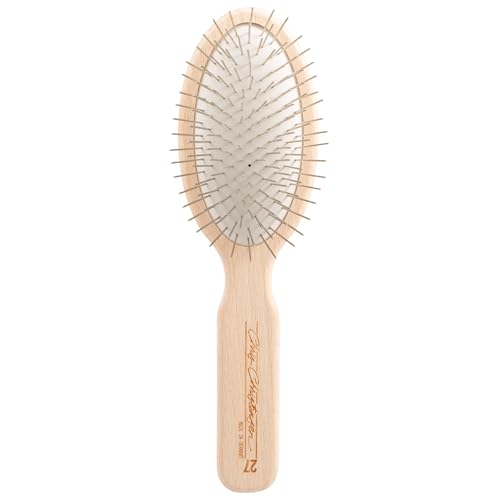
Chris Christensen Big G Slicker Brush
Best Deshedding

Chris Christensen Big G Slicker Brush

View on Amazon

This professional-grade slicker brush has extra-long pins that penetrate the dense undercoat, removing loose hair efficiently. It is gentle on the skin and reduces shedding. The downside is its higher price point, and it may be too large for very small puppies, but it works well for medium to large German Shepherd pups.

Before You Buy

Key Buying Factors

01

Bristle Softness

Puppy skin is delicate, so choose brushes with soft, rounded-tip bristles or pins. Avoid stiff metal combs that can scratch.

02

Coat Type Compatibility

German Shepherd puppies have a double coat. A slicker brush or undercoat rake is ideal. Ensure the brush can reach the undercoat without irritating the topcoat.

03

Ease of Cleaning

Self-cleaning brushes save time and effort. If not, look for brushes with easy-to-remove hair mechanisms.

04

Handle Comfort

An ergonomic, non-slip handle reduces hand fatigue during grooming sessions. Rubber grips are a plus.

05

Size and Weight

The brush should be appropriately sized for your puppy. A large brush may be unwieldy for small pups, while a small brush may take too long for larger areas.

Living With It

Care, Cost and Maintenance

Brushing Routine

Start brushing your German Shepherd puppy at 12-14 weeks old. Brush 2-3 times per week for 5-10 minutes. Use gentle strokes in the direction of hair growth. Reward with treats to create a positive association.

Bathing Schedule

Bathe your puppy every 4-6 weeks using a dog-specific shampoo with a pH of 7.0. Over-bathing can strip natural oils. Always brush before a bath to remove loose hair and mats.

Dealing with Mats

If you find mats, use a detangling spray and gently work them out with a slicker brush or your fingers. Never cut mats close to the skin. For severe mats, consult a professional groomer.

Pro tip

Always brush your puppy before a bath to remove loose hair and mats. Wet mats tighten and become harder to remove, potentially causing skin irritation.

Frequently asked questions

How often should I brush my German Shepherd puppy?
Brush your German Shepherd puppy 2 to 3 times per week. During heavy shedding seasons (spring and fall), you may need to brush daily. Regular brushing prevents mats and reduces loose hair around the house. Start with short sessions and gradually increase as your puppy gets used to it.
What type of brush is best for a German Shepherd puppy's double coat?
A slicker brush with fine, bent wires is excellent for daily grooming as it removes loose hair and tangles gently. An undercoat rake is also effective for reaching the dense undercoat. For heavy shedding, a deshedding tool like the FURminator can be used once a week. Always choose brushes with rounded tips to protect your puppy's sensitive skin.
Can I use a human brush on my German Shepherd puppy?
No, human brushes are not designed for dog coats. They often have stiff bristles that can scratch the skin and fail to penetrate the double coat. Dog-specific brushes have features like rounded pins, appropriate spacing, and ergonomic handles that make grooming safer and more effective.
What is the correct pH for dog shampoo?
Dogs have a skin pH of about 7.0 (neutral), while human skin is more acidic at 5.5. Using human shampoo can disrupt a dog's skin barrier, leading to dryness and irritation. Always choose a shampoo labeled as pH-balanced for dogs, ideally around 7.0, to maintain healthy skin and coat.
Are deshedding tools safe for puppies?
Yes, when used correctly. Deshedding tools like the FURminator have a gentle edge designed for puppies. However, overuse can cause skin irritation. Limit use to once a week and avoid pressing too hard. Always brush in the direction of hair growth. If you notice redness or discomfort, stop and consult your veterinarian.
How do I choose a clipper for my German Shepherd puppy?
Look for clippers with low noise and vibration to avoid scaring your puppy. Ceramic blades stay cooler and are safer for sensitive skin. Adjustable blade lengths allow you to trim different areas. Start with a longer guard comb to avoid cutting too close. Brands like Wahl and Andis offer reliable puppy clippers.
What should I do if my puppy has mats?
First, use a detangling spray to soften the mat. Gently work through it with a slicker brush or your fingers, starting from the edges. Never pull or cut the mat close to the skin, as you may injure your puppy. For tight mats, consult a professional groomer. Regular brushing prevents mats from forming.
What ingredients should I avoid in dog grooming products?
Avoid products with parabens, sulfates, phthalates, and artificial fragrances, as these can irritate sensitive skin. Also avoid alcohol in wipes or sprays, which can dry out the skin. Look for natural ingredients like oatmeal, aloe vera, and chamomile that are soothing and gentle.
My puppy hates being brushed. What can I do?
Start by associating brushing with positive experiences. Let your puppy sniff the brush, then give a treat. Brush for just a minute at first, rewarding calm behavior. Use a soft brush and gentle strokes. Gradually increase the time. If your puppy remains fearful, consult a certified trainer for desensitization techniques.
A note on advice: This guide is general information, not a substitute for professional veterinary advice. Talk to your vet before changing your dog's diet or care routine, especially if your dog has allergies, kidney disease, pancreatitis, obesity, heart disease or any other medical condition.
Transparency

How we made this guide

How we chose. We compared the options on the factors that matter most for Dog Care Products, using manufacturer specifications, aggregated verified owner reviews and editorial comparison. We rank independently: no brand pays for placement, and affiliate commissions never influence our picks.

How it was written. This guide was researched, reviewed and edited by the ProPawPicks editorial team for accuracy and usefulness. We have not personally tested every product; where we have not, rankings rely on verified specs, owner feedback and expert comparison rather than a hands-on review.

Affiliate disclosure. ProPawPicks is reader-supported. If you buy through links on our site, we may earn a commission at no extra cost to you. See our affiliate disclosure.

Keep Reading

More Dog Care Products guides

Insulated Dog Jackets: 4 Best Picks Reviewed for 2026View picks โ†’Stop Wasting Treats: 5 Best Interactive Dog Cameras 2026View picks โ†’Interactive Dog Toys, ComparedView picks โ†’Picking Invisible Dog Fence for AllergiesView picks โ†’Invisible Dog Fence for Sensitive Stomachs: 2026 Top Pick ReviewedView picks โ†’Best Invisible Dog Fence for Small Dogs 2026: 5 Top Picks ReviewedView picks โ†’

Sources and further reading

Some links below are affiliate links. If you buy through them we may earn a small commission at no extra cost to you. Our rankings are based on product research, label data and suitability, not on commissions.