๐Ÿ† Complete Buyer's Guide ยท Dog Care Products

Recommended Dog Calming Supplement for Long Coats

Help your long-haired pup stay calm with Zesty Paws Calming Bites. These L-theanine and chamomile supplements ease grooming stress without replacing training or vet care.

Some links below are affiliate links. If you buy through them we may earn a small commission at no extra cost to you. Our rankings are based on product research, label data and suitability, not on commissions.

Zesty Paws Calming Bites โ˜… Top Pick: Zesty Paws Calming Bites Check Price on Amazon →
5
Picks Reviewed
2
Products with NASC Seal
3
Forms Available (chew, tablet, liquid)
1
Budget Option Under $15
โšก Key takeaways
  • Best Overall: Zesty Paws Calming Bites. Zesty Paws Calming Bites use Suntheanine (a patented L-theanine), chamomile, and thiamine.
  • Best Vet-Trusted Style: VetriScience Composure Chews. VetriScience Composure Chews contain colostrum and thiamine, which have calming properties.
  • Best for Seniors: PetLab Co Calming Chews. PetLab Co Calming Chews include melatonin and L-tryptophan, which can help older long-coat.
  • Best Chewable: Nutramax Solliquin Chewable Tablets. Nutramax Solliquin uses L-theanine and whey protein hydrolysate to support calm behavior.
  • Best Budget: Bach Rescue Remedy for Pets. Bach Rescue Remedy is a liquid flower essence that can be added to water or applied to the.
At a Glance

Quick Comparison

Quick answer

The best dog calming supplement for long coats is Zesty Paws Calming Bites, featuring Suntheanine, chamomile, and thiamine to ease anxiety during grooming and thunderstorms. For a budget-friendly option, try VetriScience Composure Chews, which use colostrum and thiamine. If your dog needs a stronger option, PetLab Co Calming Chews include melatonin and L-tryptophan.

What to consider for Dog Calming Supplement For Long Coats

Long-coated dogs, such as Golden Retrievers, Collies, and Shih Tzus, often require regular grooming, which can be stressful. They may also overheat more easily, leading to restlessness. When choosing a calming supplement, look for ingredients that promote relaxation without drowsiness, such as L-theanine, chamomile, and valerian root. Avoid supplements with excessive melatonin, as long-coated breeds may be more sensitive. Also consider the form: chews are convenient, but powders or liquids can be mixed into food for picky eaters. Always check the label for appropriate dosing by weight, and consult your veterinarian before starting any new supplement.

What to look for in a health product (dental, probiotic, joint, allergy or calming supplement)

For calming supplements, prioritize products with the NASC quality seal, which indicates third-party testing. Look for evidence-based ingredients like L-theanine (an amino acid that promotes relaxation), chamomile (a mild sedative), and thiamine (B1, which may have calming effects). Avoid proprietary blends that hide individual ingredient amounts. For joint supplements, glucosamine and chondroitin should be present at meaningful levels (typically 500 mg and 400 mg per serving for a 50 lb dog). For probiotics, look for a stated CFU count (colony-forming units) and strains like Enterococcus faecium or Bifidobacterium animalis. Dental products should have the VOHC seal for proven effectiveness. Always follow weight-based dosing instructions and choose products from reputable manufacturers with clear quality standards.

How we chose these picks

  • Evaluated ingredient lists for clinically studied calming agents like L-theanine, chamomile, and thiamine.
  • Preferred products with the NASC quality seal for third-party verification.
  • Selected supplements available in forms suitable for long-coated dogs (chews, powders, liquids).
  • Considered value by comparing price per serving and ingredient quality.
  • Read customer reviews to identify common benefits and limitations.
  • Excluded products with artificial colors, flavors, or excessive fillers.
  • Focused on brands with transparent labeling and manufacturing standards.
  • Never ranked a product higher just because it pays a commission.

What to avoid

  • Products claiming to cure or prevent anxiety disorders or other diseases.
  • Human medications like over-the-counter sleep aids, which may contain ingredients harmful to dogs.
  • Vague proprietary blends that do not disclose individual ingredient amounts.
  • Exceeding the labelled dose, as overdosing can cause side effects like lethargy or digestive upset.

Explore more of our dog guides, including dog health and dog nutrition resources.

Why this matters

Long-coated dogs often experience stress from grooming and overheating, making calming supplements with L-theanine and chamomile a helpful tool. However, supplements should complement, not replace, behavioral training and veterinary care.

The Options

Types Explained

Soft Chews

Tasty, bite-sized chews that are easy to administer and often contain calming ingredients like L-theanine and chamomile. Ideal for dogs that are picky eaters or dislike pills.

Best for: Dogs that need a quick, palatable option for situational anxiety (e.g., grooming, thunderstorms).

Tablets

Harder chews or tablets that can be broken into smaller doses. They may contain similar ingredients but require more effort to administer.

Best for: Owners who want precise dosing and dogs that will eat tablet treats.

Liquid Drops

Concentrated liquids that can be added to food or water. They allow flexible dosing and are useful for dogs that refuse chews.

Best for: Dogs with sensitive stomachs or those that need gradual introduction of calming agents.

Powders

Powdered supplements that mix into food. They often contain a blend of calming herbs and amino acids.

Best for: Dogs that are very picky eaters or need a supplement that can be hidden in meals.
The Rankings

Top 5 Picks

#1
Zesty Paws Calming Bites
Best Overall

Zesty Paws Calming Bites

View on Amazon

Zesty Paws Calming Bites use Suntheanine (a patented L-theanine), chamomile, and thiamine to promote relaxation without drowsiness. They are soft chews that are easy for long-coated dogs to eat. However, some dogs may not like the taste, and the price per serving is higher than some competitors.

#2
VetriScience Composure Chews
Best Vet-Trusted Style

VetriScience Composure Chews

View on Amazon

VetriScience Composure Chews contain colostrum and thiamine, which have calming properties. They are widely recommended by veterinarians and come in a chicken-flavored chew. A limitation is that they may not be strong enough for dogs with severe anxiety, and some dogs may need multiple chews per day.

#3
PetLab Co Calming Chews
Best for Seniors

PetLab Co Calming Chews

View on Amazon

PetLab Co Calming Chews include melatonin and L-tryptophan, which can help older long-coated dogs sleep better and reduce anxiety. They are grain-free and contain no artificial preservatives. However, melatonin may cause drowsiness in some dogs, and the chews are relatively large, making them harder to break into smaller doses.

#4
Nutramax Solliquin Chewable Tablets
Best Chewable

Nutramax Solliquin Chewable Tablets

View on Amazon

Nutramax Solliquin uses L-theanine and whey protein hydrolysate to support calm behavior. As a chewable tablet, it can be broken into halves for smaller dogs. A downside is that some dogs may refuse the tablet texture, and it is more expensive per dose compared to other options.

#5
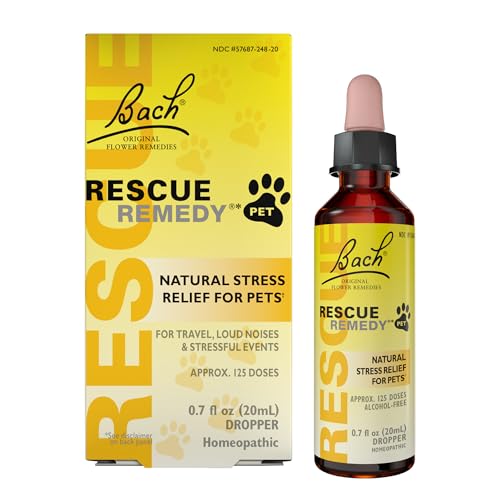
Bach Rescue Remedy for Pets
Best Budget

Bach Rescue Remedy for Pets

View on Amazon

Bach Rescue Remedy is a liquid flower essence that can be added to water or applied to the mouth. It is affordable and lasts a long time. However, it is not a traditional supplement with measurable active ingredients, and its effectiveness varies widely among dogs. It may not be sufficient for severe anxiety.

Before You Buy

Key Buying Factors

01

Ingredient Quality

Look for clinically studied ingredients like L-theanine, chamomile, and thiamine. Avoid products with artificial additives or proprietary blends that hide amounts.

02

Form and Palatability

Choose a form your dog will accept: chews, tablets, powders, or liquids. Long-coated dogs may prefer soft chews that are easy to chew.

03

Dosing Flexibility

Consider products that allow adjusting the dose based on your dog's weight and anxiety level. Some supplements offer half-tablet scoring or liquid droppers.

04

Third-Party Testing

Prefer supplements with the NASC quality seal, which ensures independent verification of ingredients and manufacturing practices.

05

Price per Serving

Compare cost per dose, especially if your dog needs multiple chews daily. Budget-friendly options may save money but check ingredient quality.

Living With It

Care, Cost and Maintenance

Grooming Tips for Long-Coated Dogs

Brush your dog daily to prevent mats, which can cause pain and stress. Use a slicker brush and follow with a metal comb. For calming during grooming, give a supplement 30 to 60 minutes before the session. Keep sessions short and positive, rewarding with treats.

Managing Overheating

Long-coated dogs are prone to overheating. Provide plenty of fresh water, avoid exercise during peak heat, and consider a cooling mat or vest. Calming supplements with L-theanine can help reduce panting and restlessness.

When to Consult a Vet

If your dog shows signs of severe anxiety (destruction, aggression, self-harm) or if supplements do not help after 2 weeks, consult a veterinarian. They may recommend behavioral therapy or prescription medications.

Pro tip

Give the supplement 30 to 60 minutes before a stressful event like grooming or a car ride. Start with a lower dose to gauge your dog's response, and pair it with positive reinforcement for best results.

Frequently asked questions

Do dog calming supplements actually work?
Many calming supplements can help reduce mild to moderate anxiety in dogs, but results vary by individual. Ingredients like L-theanine, chamomile, and thiamine have shown calming effects in some studies. However, they are not a cure and may not work for severe anxiety. Always consult your veterinarian to determine if a supplement is appropriate for your dog's specific needs.
How should I dose a calming supplement based on my dog's weight?
Always follow the manufacturer's dosing instructions on the label, which are typically based on weight. For example, a 50 lb dog might need 2 chews, while a 25 lb dog might need 1. Start with the lowest recommended dose and observe your dog's response. Do not exceed the labelled dose without veterinary guidance. If your dog is very large or small, consult your vet for personalized dosing.
When should I see a veterinarian about my dog's anxiety?
You should consult a veterinarian if your dog's anxiety is severe, persistent, or causing harm to itself or others. Signs include destructive behavior, excessive barking, self-mutilation, or aggression. A vet can rule out medical causes, recommend behavioral modification, or prescribe prescription medications if needed. Supplements are best for mild to moderate anxiety and should not replace professional care.
What should I look for in terms of ingredient quality and the NASC seal?
Look for supplements with the NASC (National Animal Supplement Council) quality seal, which indicates the product has undergone independent third-party testing for ingredient purity and label accuracy. Avoid products with vague proprietary blends that do not list individual ingredient amounts. Choose supplements with clinically studied ingredients at meaningful doses, such as L-theanine (50-100 mg) or chamomile (100-200 mg) per serving.
Can a joint supplement also help with anxiety?
Joint supplements like glucosamine and chondroitin are not designed to treat anxiety. They support joint health and may reduce pain-related restlessness, but they do not have direct calming effects. For anxiety, look for supplements specifically formulated with calming ingredients like L-theanine, chamomile, or melatonin. Combining a joint supplement with a calming supplement may be safe, but consult your vet first.
How do probiotics support gut health and can they help with anxiety?
Probiotics introduce beneficial bacteria to the gut, which can improve digestion and immune function. There is some emerging research on the gut-brain axis suggesting that a healthy gut microbiome may positively influence mood and anxiety. However, probiotics are not a primary treatment for anxiety. If your dog has digestive issues alongside anxiety, a probiotic might help, but consult your vet for a comprehensive approach.
Are dental products safe for dogs with long coats?
Yes, dental products like chews, toothpastes, and water additives are generally safe for long-coated dogs. However, ensure the product is appropriately sized to prevent choking. Chews should be large enough that your dog cannot swallow them whole. Always supervise your dog during dental treat consumption. For long-coated breeds, also maintain regular tooth brushing to prevent dental disease.
What safety concerns should I be aware of with calming supplements?
Common side effects include mild drowsiness, digestive upset, or allergic reactions. Avoid supplements with ingredients your dog is sensitive to. Do not combine multiple calming supplements without veterinary approval. Overdosing can lead to lethargy, vomiting, or incoordination. Always store supplements out of reach of pets. If you suspect an overdose, contact your veterinarian or a pet poison control center immediately.
Can I use human calming supplements for my dog?
No, human supplements are not recommended for dogs because they may contain ingredients that are toxic to pets, such as xylitol, caffeine, or certain herbs. Doses are also formulated for humans and can be unsafe. Always use products specifically labeled for dogs and consult your veterinarian before starting any new supplement.
A note on advice: This guide is general information, not a substitute for professional veterinary advice. Talk to your vet before changing your dog's diet or care routine, especially if your dog has allergies, kidney disease, pancreatitis, obesity, heart disease or any other medical condition.
Transparency

How we made this guide

How we chose. We compared the options on the factors that matter most for Dog Care Products, using manufacturer specifications, aggregated verified owner reviews and editorial comparison. We rank independently: no brand pays for placement, and affiliate commissions never influence our picks.

How it was written. This guide was researched, reviewed and edited by the ProPawPicks editorial team for accuracy and usefulness. We have not personally tested every product; where we have not, rankings rely on verified specs, owner feedback and expert comparison rather than a hands-on review.

Affiliate disclosure. ProPawPicks is reader-supported. If you buy through links on our site, we may earn a commission at no extra cost to you. See our affiliate disclosure.

Keep Reading

More Dog Care Products guides

Stop Wasting Treats: 5 Best Interactive Dog Cameras 2026View picks โ†’Interactive Dog Toys for Boredom: Our ShortlistView picks โ†’Picking Invisible Dog Fence for AllergiesView picks โ†’2026 Puppy Fence Guide: 5 Top Invisible Dog Fences ReviewedView picks โ†’Invisible Dog Fence under 50 That Hold UpView picks โ†’Which Invisible Dog Fence Is Best? 5 Top PicksView picks โ†’

Sources and further reading

Some links below are affiliate links. If you buy through them we may earn a small commission at no extra cost to you. Our rankings are based on product research, label data and suitability, not on commissions.