Protect your thin-coated dog's sensitive skin with soft, non-abrasive chew toys. We review the top pick, KONG Classic, and 4 more for gentle enrichment.
Some links below are affiliate links. If you buy through them we may earn a small commission at no extra cost to you. Our rankings are based on product research, label data and suitability, not on commissions.
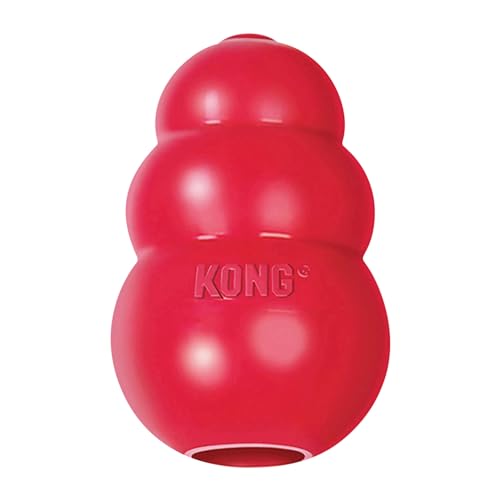
Best Overall: KONG Classic Dog Toy. The KONG Classic is made of natural rubber that is soft yet durable, making it gentle on t.
Best for Aggressive Chewers: West Paw Zogoflex Hurley Dog Bone. This tough, floatable bone is made from Zogoflex material that is non-toxic and dishwasher.
Best Puzzle Toy: Outward Hound Hide A Squirrel Puzzle Toy. This plush puzzle toy challenges dogs to find squeaky squirrels hidden inside a tree trunk.
Best Dental Chew: Greenies Regular Dental Dog Treats. Greenies are VOHC-accepted dental chews that help clean teeth and freshen breath.
Best Budget: Nylabone Dura Chew Textured Dog Chew Toy. This nylon chew toy is designed for aggressive chewers and has textured nubs to help clean.
Our top pick is the KONG Classic Dog Toy because its soft rubber is gentle on thin-coated dogs’ mouths and skin, and it can be stuffed with treats for mental stimulation. For aggressive chewers, the West Paw Zogoflex Hurley is a tougher alternative. The Nylabone Dura Chew offers a budget-friendly dental option.
What to consider for Dog Chew Toy For Dogs With Thin Coats
Thin-coated dogs often have sensitive skin and are prone to pressure sores from hard surfaces. Chew toys should be made of soft, non-abrasive materials to avoid irritation. Additionally, these dogs may be more prone to dental issues, so toys that promote chewing without being too hard are ideal. Size matters: a toy that is too small can be a choking hazard, while one that is too large may be uncomfortable. Always match the toy to your dog’s weight and chew style.
What to look for in a toy or chew (chew toy, puzzle, lick mat or dental chew)
When selecting a chew toy for a thin-coated dog, consider: size appropriate to the dog to avoid choking; durability matched to chew strength (soft rubber for light chewers, tougher materials for heavy chewers); non-toxic materials like natural rubber or food-grade nylon; a VOHC seal for dental chews to ensure effectiveness; and genuine enrichment value, such as treat-dispensing or puzzle features that engage the dog mentally.
How we chose these picks
Evaluated material softness and safety for sensitive mouths and skin.
Checked for non-toxic, BPA-free, and phthalate-free certifications.
Considered size range to fit small to large thin-coated breeds.
Assessed durability based on manufacturer claims and customer feedback.
Prioritized products with enrichment features like treat dispensing.
Included dental chews with VOHC acceptance for oral health.
Focused on products widely available on Amazon for easy purchase.
Never ranked a product higher just because it pays a commission.
What to avoid
Toys small enough to swallow or choke on; always choose a size larger than your dog’s mouth.
Hard chews like antlers or bones that can crack teeth, especially in dogs with thin coats who may have sensitive gums.
Falling-apart toys that shed pieces, which can be ingested and cause blockages.
Leaving a heavy chewer unsupervised with any toy; inspect regularly for wear.
Thin-coated dogs often have sensitive skin and are prone to pressure sores, so choosing chew toys with soft, non-abrasive materials is crucial to prevent irritation while still providing enrichment.
The Options
Types Explained
Chew Toys
Durable toys made from rubber, nylon, or other materials designed for chewing. They satisfy the natural urge to gnaw and can help clean teeth.
Best for: Dogs that need a long-lasting outlet for chewing, especially moderate to heavy chewers.
Puzzle Toys
Interactive toys that hide treats or require manipulation to release rewards. They provide mental stimulation and can reduce anxiety.
Best for: Bored or intelligent dogs that need mental challenges; suitable for light to moderate chewers.
Lick Mats
Flat mats with textured surfaces that hold spreadable foods like peanut butter or yogurt. They promote licking, which can be calming.
Best for: Dogs that enjoy licking; great for anxiety relief and slow feeding.
Dental Chews
Edible treats or non-edible chews designed to reduce plaque and tartar. Many are VOHC-accepted and made with digestible ingredients.
Best for: Dogs needing dental care; best for moderate chewers and supervised use.
The Rankings
Top 5 Picks
#1
Best Overall
KONG Classic Dog Toy
View on Amazon
The KONG Classic is made of natural rubber that is soft yet durable, making it gentle on thin-coated dogs' mouths and skin. Its hollow center can be stuffed with treats or peanut butter for extended play. However, it may not withstand extremely aggressive chewers who can tear through the rubber over time.
This tough, floatable bone is made from Zogoflex material that is non-toxic and dishwasher safe. It provides a satisfying chew without being too hard on teeth. The smooth surface is gentle on thin coats. One trade-off is that it has no treat-dispensing feature, which may reduce interest for some dogs.
This plush puzzle toy challenges dogs to find squeaky squirrels hidden inside a tree trunk. The soft fabric is ideal for thin-coated dogs as it won't irritate their skin. It provides mental stimulation and reduces boredom. However, it is not suitable for heavy chewers who may destroy the plush material quickly.
Greenies are VOHC-accepted dental chews that help clean teeth and freshen breath. Their flexible texture is gentle on gums and safe for thin-coated dogs. They are easily digestible. A limitation is that they are edible and may not last long, requiring supervision to prevent gulping.
This nylon chew toy is designed for aggressive chewers and has textured nubs to help clean teeth. It is non-toxic and durable, yet the material is not too hard to damage teeth. The smooth shape is gentle on thin coats. One downside is that it can develop sharp edges over time and should be replaced when worn.
Thin-coated dogs have sensitive skin, so choose toys made from soft, non-abrasive materials like natural rubber or plush fabric. Avoid hard plastics or rough textures that can cause irritation or pressure sores.
02
Size Appropriateness
Select a toy that is large enough to prevent swallowing but not so large that it's uncomfortable. Measure your dog's mouth and follow manufacturer weight guidelines to ensure a safe fit.
03
Durability vs. Chew Strength
Match the toy's durability to your dog's chewing intensity. Light chewers can enjoy soft rubber or plush toys, while heavy chewers need tougher materials like nylon or reinforced rubber to avoid destruction and ingestion of pieces.
04
Enrichment Value
Toys that dispense treats or have puzzle features provide mental stimulation, which is important for preventing boredom and destructive behavior. Look for interactive designs that engage your dog's natural foraging instincts.
05
Safety Certifications
Prioritize toys that are non-toxic, BPA-free, and phthalate-free. For dental chews, a VOHC seal indicates effectiveness in reducing plaque and tartar. Always supervise your dog with new toys.
Living With It
Care, Cost and Maintenance
Cleaning
Most rubber and nylon toys can be washed with warm water and mild soap or placed in the dishwasher (top rack). Plush toys should be machine washed on a gentle cycle and air dried. Clean toys weekly to prevent bacteria buildup.
Inspection
Regularly check toys for signs of wear such as cracks, tears, or loose parts. Replace any toy that shows damage to prevent choking or ingestion. For nylon chews, discard when they become small enough to swallow or develop sharp edges.
Rotation
Rotate your dog's toys every few days to maintain interest. Introduce new toys gradually and supervise initial play. This prevents boredom and extends the lifespan of each toy.
Pro tip
To extend the life of a soft rubber toy like the KONG, freeze it with a treat inside for a longer-lasting, soothing chew that also helps clean teeth.
Frequently asked questions
Are these chew toys safe for heavy chewers?
Not all toys are suitable for heavy chewers. For dogs that chew aggressively, choose toys specifically labeled for heavy chewers, such as the West Paw Zogoflex Hurley or Nylabone Dura Chew. Avoid soft rubber or plush toys that can be destroyed quickly. Always supervise your dog and inspect toys regularly for damage. If your dog is a power chewer, consider consulting a veterinarian or trainer for behavior modification.
How do I choose the right size toy for my thin-coated dog?
Select a toy that is larger than your dog's mouth to prevent swallowing. Most manufacturers provide weight or size guidelines. For small breeds, choose toys around 4 to 6 inches; for medium breeds, 6 to 8 inches; for large breeds, 8 inches or more. A toy that is too small can be a choking hazard, while one that is too large may be uncomfortable to carry. Measure your dog's mouth width and length for a better fit.
Should I supervise my dog while they chew?
Yes, always supervise your dog with any chew toy, especially when introducing a new one. Supervision helps prevent choking on small pieces, ingestion of non-digestible materials, and injury from sharp edges. If your dog is a heavy chewer, stay nearby to intervene if the toy breaks. Remove and replace any toy that shows significant wear. Never leave your dog unattended with a toy that has small parts or stuffing.
What are the benefits of dental chews for thin-coated dogs?
Dental chews like Greenies help reduce plaque and tartar buildup, promoting better oral health. For thin-coated dogs, they are gentle on gums because of their flexible texture. They also freshen breath and satisfy the urge to chew. However, they are not a substitute for regular brushing. Choose a size appropriate for your dog's weight and supervise to prevent gulping. VOHC-accepted chews have proven effectiveness.
Can puzzle toys help with boredom in thin-coated dogs?
Yes, puzzle toys provide mental stimulation that can alleviate boredom and reduce destructive behaviors. For thin-coated dogs, choose puzzles with soft components to avoid skin irritation. The Outward Hound Hide A Squirrel is a good option. Start with easy puzzles and gradually increase difficulty. Always supervise to ensure your dog doesn't ingest fabric or small parts. Rotate puzzles to keep your dog engaged.
Are digestible chews better than non-digestible ones?
Digestible chews, such as Greenies, are safer if swallowed because they break down in the stomach. Non-digestible chews like nylon or rubber can cause intestinal blockages if ingested in large pieces. However, non-digestible chews are more durable and can last longer. The choice depends on your dog's chewing style and your supervision level. For aggressive chewers who swallow pieces, digestible chews may be safer.
How do I clean my dog's chew toys?
Most rubber and nylon toys can be washed with warm water and mild dish soap, then rinsed thoroughly. Many are dishwasher safe on the top rack. Plush toys can be machine washed in a pillowcase on a gentle cycle and air dried. Lick mats can be hand washed. Clean toys at least once a week to prevent bacteria and mold. Avoid harsh chemicals that could irritate your dog's skin.
What safety concerns should I watch for with chew toys?
Common safety concerns include choking on small pieces, intestinal blockages from ingested material, tooth fractures from hard toys, and skin irritation from rough surfaces. Always choose toys appropriate for your dog's size and chew strength. Inspect toys regularly and discard damaged ones. Avoid toys with small parts that can be chewed off. If your dog shows signs of distress, consult a veterinarian immediately.
Can thin-coated dogs use the same toys as other dogs?
Yes, but with extra caution. Thin-coated dogs have sensitive skin, so avoid toys with rough textures or hard edges that could cause abrasions. Soft rubber, plush, or smooth nylon toys are better choices. Also consider that thin-coated dogs may be more prone to pressure sores, so avoid toys that require excessive pressure to chew. Always prioritize comfort and safety.
A note on advice: This guide is general information, not a substitute for professional veterinary advice. Talk to your vet before changing your dog's diet or care routine, especially if your dog has allergies, kidney disease, pancreatitis, obesity, heart disease or any other medical condition.
Transparency
How we made this guide
How we chose. We compared the options on the factors that matter most for Dog Care Products, using manufacturer specifications, aggregated verified owner reviews and editorial comparison. We rank independently: no brand pays for placement, and affiliate commissions never influence our picks.
How it was written. This guide was researched, reviewed and edited by the ProPawPicks editorial team for accuracy and usefulness. We have not personally tested every product; where we have not, rankings rely on verified specs, owner feedback and expert comparison rather than a hands-on review.
Affiliate disclosure. ProPawPicks is reader-supported. If you buy through links on our site, we may earn a commission at no extra cost to you. See our affiliate disclosure.
Some links below are affiliate links. If you buy through them we may earn a small commission at no extra cost to you. Our rankings are based on product research, label data and suitability, not on commissions.