๐Ÿ† Complete Buyer's Guide ยท Dog Care Products

Puppy Chew Toys for Teething: 2026 Guide

Puppies have 28 baby teeth that fall out around 12 weeks. The KONG Puppy Toy soothes teething pain and helps loosen baby teeth. See our top picks.

Some links below are affiliate links. If you buy through them we may earn a small commission at no extra cost to you. Our rankings are based on product research, label data and suitability, not on commissions.

KONG Puppy Toy โ˜… Top Pick: KONG Puppy Toy Check Price on Amazon →
6 to 8 weeks
Age to start offering chew toys
5 to 10 minutes
Recommended initial supervised play session
3 to 6 months
Peak teething period
1 to 2 toys
Number of chew toys to rotate at a time
โšก Key takeaways
  • Best Overall: KONG Puppy Toy. The KONG Puppy Toy is made from softer rubber than the classic KONG, making it gentle on t.
  • Best for Aggressive Chewers: Nylabone Puppy Teething Pacifier. This textured nylon chew is designed specifically for puppies with aggressive chewing tend.
  • Best Puzzle Toy: Outward Hound Hide A Squirrel Puzzle Toy. This plush puzzle toy hides squeaky squirrels inside a tree trunk, encouraging your puppy.
  • Best Dental Chew: Greenies Teenie Dental Dog Treats. Greenies Teenie are VOHC-accepted dental chews that help reduce tartar and freshen breath.
  • Best Budget: West Paw Zogoflex Tux. The West Paw Zogoflex Tux is a durable, BPA-free rubber chew toy that floats in water and.
At a Glance

Quick Comparison

Quick answer

The KONG Puppy Toy is our top pick for most puppies because its soft rubber soothes sore gums, can be stuffed with treats, and bounces unpredictably for interactive play. For aggressive chewers, the Nylabone Puppy Teething Pacifier offers a tougher surface. The Outward Hound Hide A Squirrel is best for puzzle-loving pups, while Greenies Teenie dental chews support oral health. The West Paw Zogoflex Tux is a budget-friendly, durable option.

What to consider for Dog Chew Toy For Puppies

Puppies explore the world with their mouths, so chew toys are essential for teething relief, mental stimulation, and preventing destructive chewing. The right toy should match your puppy’s size, breed, and chewing intensity. Safety is paramount: avoid toys with small parts that can be swallowed, and choose materials that are non-toxic and appropriately soft for developing teeth. Consider whether your puppy needs a soothing teether, a durable chewer, or an interactive puzzle to prevent boredom. Always supervise first play sessions and inspect toys regularly for wear.

What to look for in a toy or chew (chew toy, puzzle, lick mat or dental chew)

When selecting a chew toy for your puppy, prioritize size appropriate to your dog to prevent choking. Durability should match your puppy’s chew strength: soft rubber for teething, tougher nylon for aggressive chewers. Materials must be non-toxic, BPA-free, and free from harmful chemicals. For dental chews, look for the Veterinary Oral Health Council (VOHC) seal of acceptance. Genuine enrichment value comes from toys that can be stuffed, hidden, or manipulated to engage your puppy’s mind and satisfy natural instincts.

How we chose these picks

  • Evaluated product safety and material quality based on manufacturer specifications.
  • Considered puppy-specific design features like softness, size, and teething relief.
  • Reviewed customer feedback for durability and engagement across different breeds.
  • Checked for endorsements from veterinary organizations like VOHC for dental chews.
  • Assessed value for money by comparing price, longevity, and versatility.
  • Included a range of toy types to cover different needs (teething, chewing, puzzle, dental).
  • Never ranked a product higher just because it pays a commission.

What to avoid

  • Toys small enough to be swallowed or lodged in the throat.
  • Hard chews (like antlers or hard nylon) that can crack puppy teeth.
  • Toys that shed pieces or have easily detached parts.
  • Leaving a heavy chewer unsupervised with any toy until you are confident in its durability.

For more tips, check out our dog guides and dog care products and dog nutrition resources.

Why this matters

Puppies have 28 baby teeth that start falling out around 12 weeks, so chew toys not only soothe teething pain but also help loosen baby teeth and make way for adult teeth.

The Options

Types Explained

Teething Toys

Soft rubber or silicone toys designed to soothe sore gums. Often have nubs or ridges for massage and can be frozen for extra relief.

Best for: Puppies under 6 months experiencing teething pain.

Durable Chew Toys

Made from tough nylon or hard rubber, these withstand aggressive chewing. They help satisfy the urge to chew without damaging teeth.

Best for: Puppies with strong jaws or those who destroy soft toys quickly.

Puzzle Toys

Interactive toys that hide treats or have moving parts. They challenge the puppy mentally and encourage problem-solving.

Best for: Bored puppies or those needing mental stimulation and slow feeding.

Dental Chews

Edible treats or textured chews that reduce plaque and tartar. Look for VOHC-accepted products for proven efficacy.

Best for: Puppies needing oral care and fresh breath, as a supplement to brushing.
The Rankings

Top 5 Picks

#1
KONG Puppy Toy
Best Overall

KONG Puppy Toy

View on Amazon

The KONG Puppy Toy is made from softer rubber than the classic KONG, making it gentle on teething gums. Its unpredictable bounce adds play value, and you can stuff it with treats or peanut butter to extend engagement. The hollow center also allows freezing for extra soothing relief. However, it may not withstand heavy chewing from determined puppies, so inspect regularly for damage.

#2
Nylabone Puppy Teething Pacifier
Best for Aggressive Chewers

Nylabone Puppy Teething Pacifier

View on Amazon

This textured nylon chew is designed specifically for puppies with aggressive chewing tendencies. The raised nubs massage gums and clean teeth, while the durable material resists shredding. It comes in different sizes and flavors to entice your pup. A limitation is that some puppies may lose interest if not flavored strongly enough, and it does not provide treat-dispensing enrichment.

#3
Outward Hound Hide A Squirrel Puzzle Toy
Best Puzzle Toy

Outward Hound Hide A Squirrel Puzzle Toy

View on Amazon

This plush puzzle toy hides squeaky squirrels inside a tree trunk, encouraging your puppy to use their nose and paws to retrieve them. It satisfies natural foraging instincts and provides mental stimulation. The squeakers add excitement. However, the plush material may not hold up to aggressive chewers, and the squirrels can be a choking hazard if the fabric tears, so supervise play.

#4
Greenies Teenie Dental Dog Treats
Best Dental Chew

Greenies Teenie Dental Dog Treats

View on Amazon

Greenies Teenie are VOHC-accepted dental chews that help reduce tartar and freshen breath. Their unique texture is gentle on puppy teeth while effectively cleaning. They are easily digestible and made with natural ingredients. A trade-off is that they are consumable and not a long-lasting toy, so they are best used as a supplement to other chew toys.

#5
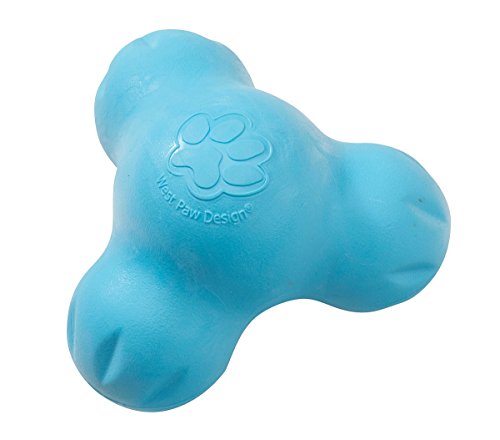
West Paw Zogoflex Tux
Best Budget

West Paw Zogoflex Tux

View on Amazon

The West Paw Zogoflex Tux is a durable, BPA-free rubber chew toy that floats in water and is dishwasher-safe for easy cleaning. It can be stuffed with treats and is made in the USA. Its unique shape provides varied chewing angles. On the downside, it is slightly firmer than some teething toys, and very small puppies may find it too large for their mouths initially.

Before You Buy

Key Buying Factors

01

Size and Safety

Choose a toy that is too large to swallow or get stuck in the throat. For puppies, the toy should be bigger than their mouth opening. Avoid toys with small parts that can break off.

02

Material and Durability

Soft rubber is ideal for teething, while nylon or tougher rubber suits aggressive chewers. Ensure materials are non-toxic and free from BPA, phthalates, and lead.

03

Chew Strength

Match the toy to your puppy's chewing intensity. Light chewers can use plush or soft rubber; heavy chewers need durable nylon or hard rubber. Monitor for wear and replace when damaged.

04

Enrichment Value

Toys that can be stuffed with treats, have hidden compartments, or make sounds provide mental stimulation. Puzzle toys reduce boredom and destructive behavior.

05

Ease of Cleaning

Dishwasher-safe toys are convenient. Regular cleaning prevents bacteria buildup. Avoid toys with crevices that trap dirt and are hard to sanitize.

Living With It

Care, Cost and Maintenance

Inspect Regularly

Check toys for cracks, tears, or loose parts after each use. Discard any toy that shows significant wear to prevent ingestion of pieces.

Clean Frequently

Wash rubber toys with warm soapy water or in the dishwasher (top rack). For plush toys, follow manufacturer instructions. Dry thoroughly to prevent mold.

Rotate Toys

Offer 2 to 3 toys at a time and rotate them every few days to keep your puppy interested. This also extends the life of each toy.

Pro tip

Freeze a wet washcloth or a KONG stuffed with plain yogurt for a soothing, homemade teething toy that is safe and inexpensive.

Frequently asked questions

Are these chew toys safe for heavy chewers?
Some are designed for heavy chewers, like the Nylabone Puppy Teething Pacifier, but no toy is indestructible. Always supervise your puppy and replace the toy if it shows signs of damage. For extremely aggressive chewers, consider toys labeled 'power chewer' or consult your vet. Avoid hard chews like antlers that can fracture teeth.
How do I size a chew toy for my puppy?
The toy should be larger than your puppy's mouth to prevent swallowing. A good rule is that the toy should not fit entirely inside the mouth. Check the manufacturer's size recommendations based on breed and weight. As your puppy grows, upgrade to larger sizes. When in doubt, choose a larger size.
Should I supervise my puppy with chew toys?
Yes, always supervise your puppy during the first few play sessions to ensure they are using the toy safely. Watch for any pieces breaking off or signs of choking. Once you are confident the toy is durable and your puppy chews appropriately, you can allow limited unsupervised time, but regular checks are still recommended.
What are the benefits of dental chews for puppies?
Dental chews help reduce plaque and tartar buildup, freshen breath, and promote healthy gums. VOHC-accepted products have proven efficacy. They also satisfy the natural urge to chew. However, they should not replace regular brushing. Choose chews appropriate for your puppy's size and age to avoid choking.
Can puzzle toys help with boredom?
Yes, puzzle toys provide mental stimulation that can reduce destructive behaviors caused by boredom. They encourage problem-solving and can be used to dispense treats or kibble, making mealtime more engaging. Start with easier puzzles and gradually increase difficulty as your puppy learns.
What is the difference between digestible and non-digestible chews?
Digestible chews, like Greenies, are meant to be consumed and are broken down in the stomach. Non-digestible chews, like rubber or nylon toys, are not meant to be eaten and should only be chewed. Ingesting pieces of non-digestible toys can cause intestinal blockages. Always supervise and discard damaged toys.
How often should I clean my puppy's chew toys?
Clean chew toys at least once a week, or more often if they become dirty or slimy. Rubber toys can be washed in the dishwasher or with hot soapy water. Plush toys may be machine washable. Regular cleaning prevents bacteria and mold buildup, keeping your puppy healthy.
What should I do if my puppy swallows a piece of a toy?
If you suspect your puppy has swallowed a piece of a toy, monitor for symptoms like vomiting, lethargy, loss of appetite, or difficulty defecating. Contact your veterinarian immediately for advice. To prevent this, always supervise chewing and discard toys that are worn or damaged.
Are there any toys I should avoid for puppies?
Avoid toys that are too small (choking hazard), have small parts that can be chewed off, or are made of hard materials like antlers or bones that can crack teeth. Also avoid toys with strings or ribbons that can cause intestinal issues. Stick to puppy-specific toys from reputable brands.
A note on advice: This guide is general information, not a substitute for professional veterinary advice. Talk to your vet before changing your dog's diet or care routine, especially if your dog has allergies, kidney disease, pancreatitis, obesity, heart disease or any other medical condition.
Transparency

How we made this guide

How we chose. We compared the options on the factors that matter most for Dog Care Products, using manufacturer specifications, aggregated verified owner reviews and editorial comparison. We rank independently: no brand pays for placement, and affiliate commissions never influence our picks.

How it was written. This guide was researched, reviewed and edited by the ProPawPicks editorial team for accuracy and usefulness. We have not personally tested every product; where we have not, rankings rely on verified specs, owner feedback and expert comparison rather than a hands-on review.

Affiliate disclosure. ProPawPicks is reader-supported. If you buy through links on our site, we may earn a commission at no extra cost to you. See our affiliate disclosure.

Keep Reading

More Dog Care Products guides

Interactive Dog Toys, ComparedView picks โ†’Picking Invisible Dog Fence for AllergiesView picks โ†’Invisible Dog Fence for Large Dogs: 5 Best Picks (2026)View picks โ†’2026 Puppy Fence Guide: 5 Top Invisible Dog Fences ReviewedView picks โ†’Expert Picks: Best Invisible Dog Fence for the Money 2026View picks โ†’Invisible Dog Fence under 50 That Hold UpView picks โ†’

Sources and further reading

Some links below are affiliate links. If you buy through them we may earn a small commission at no extra cost to you. Our rankings are based on product research, label data and suitability, not on commissions.