๐Ÿ† Complete Buyer's Guide ยท Dog Care Products

Expert Pick: Best Dog Clicker for Sensitive Paws 2026

Our top recommendation is the i-Click 2 in 1 Clicker for dogs with sensitive paws. Its low resistance button reduces strain, perfect for delicate paw pads.

Some links below are affiliate links. If you buy through them we may earn a small commission at no extra cost to you. Our rankings are based on product research, label data and suitability, not on commissions.

i-Click 2-in-1 Clicker โ˜… Top Pick: i-Click 2-in-1 Clicker Check Price on Amazon →
5
Top Picks Reviewed
0.5 to 1.5 oz
Weight Range
2.5 to 3.5 inches
Length Range
Soft to Moderate
Button Resistance
โšก Key takeaways
  • Best Overall: i-Click 2-in-1 Clicker. The i-Click 2-in-1 Clicker features a soft-touch button that requires minimal pressure, ma.
  • Best Budget: PetSafe Clik-R Trainer. The PetSafe Clik-R Trainer offers a large button that is easy for dogs to press with light.
  • Best for Durability: KONG Clicker. The KONG Clicker is built with a sturdy, non-slip rubber exterior that withstands drops an.
  • Best Ergonomic Design: StarMark Clicker. The StarMark Clicker has a contoured shape that fits naturally in the palm, reducing handl.
  • Best Quiet Click: Clicker Plus by Karen Pryor. The Clicker Plus features a patented noiseless design that produces a subtle click, perfec.
At a Glance

Quick Comparison

Quick answer

The best dog clicker for dogs with sensitive paws is the i-Click 2-in-1 Clicker due to its ergonomic shape and soft-touch button that requires minimal pressure. For a budget-friendly option, the PetSafe Clik-R Trainer offers a larger button and a gentle click. If you need a clicker with a wrist strap for easy handling, consider the KONG Clicker.

What to consider for Dog Clicker For Dogs With Sensitive Paws

When choosing a clicker for a dog with sensitive paws, the key factors are the button’s resistance and the clicker’s weight. A stiff button may cause discomfort if the dog needs to press it repeatedly. Look for clickers with a soft-touch mechanism that activates with light pressure. The clicker should also be lightweight to avoid straining the paw. Additionally, consider the sound volume: a quieter click may be less startling for sensitive dogs. Finally, ensure the clicker has a comfortable grip for the handler, as you’ll be using it frequently during training sessions.

What to look for in a toy or chew (chew toy, puzzle, lick mat or dental chew)

For dogs with sensitive paws, choose toys that are soft and flexible, such as rubber chews or plush toys. Ensure the size is appropriate to prevent choking: the toy should be larger than the dog’s mouth. Durability matters: for light chewers, softer rubber is fine; for heavy chewers, look for tougher materials like natural rubber. Non-toxic materials are a must; avoid toys with BPA, phthalates, or lead. For dental chews, look for the VOHC seal to ensure effectiveness. Puzzle toys should have adjustable difficulty to keep your dog engaged without frustration. Genuine enrichment comes from toys that encourage natural behaviors like chewing, licking, or foraging.

How we chose these picks

  • Evaluated clicker button pressure and ergonomics for dogs with sensitive paws.
  • Reviewed product specifications for weight, size, and material safety.
  • Considered customer feedback on ease of use and durability.
  • Compared sound volume and click consistency across brands.
  • Prioritized clickers with positive reinforcement training benefits.
  • Selected products from reputable pet brands with transparent manufacturing.
  • Never ranked a product higher just because it pays a commission.

What to avoid

  • Avoid clickers with stiff buttons that require hard pressing, as they can cause paw discomfort.
  • Stay away from clickers with sharp edges or rough surfaces that could irritate sensitive paws.
  • Do not use clickers that are too heavy, as they may be difficult for small dogs to press.
  • Never leave a dog unsupervised with a clicker that has small parts that could be chewed off.

For more guidance, explore our dog guides, dog care products, and dog health sections.

Why this matters

Dogs with sensitive paws benefit most from clickers with low-resistance buttons and lightweight designs, as these reduce the force needed to activate the click and minimize strain on delicate paw pads.

The Options

Types Explained

Standard Clickers

Traditional box-shaped clickers with a metal or plastic button. They produce a distinct click sound and are widely available. Most are lightweight and affordable.

Best for: General training with dogs that have moderate paw sensitivity.

Ergonomic Clickers

Designed with curved shapes and soft-touch materials to fit the hand naturally. They often have textured surfaces for better grip and reduced button resistance.

Best for: Dogs with sensitive paws and handlers who train for long periods.

Noiseless Clickers

Produce a subtle click or use a different mechanism (like a sliding button) to minimize sound. They are ideal for noise-sensitive dogs but may be less audible in noisy settings.

Best for: Dogs that are startled by loud clicks or for quiet training environments.

2-in-1 Clickers

Combine a clicker with a retractable leash or treat dispenser. They offer convenience but may be heavier or bulkier. The clicker part often has adjustable volume.

Best for: Handlers who want an all-in-one training tool for walks or sessions.
The Rankings

Top 5 Picks

#1
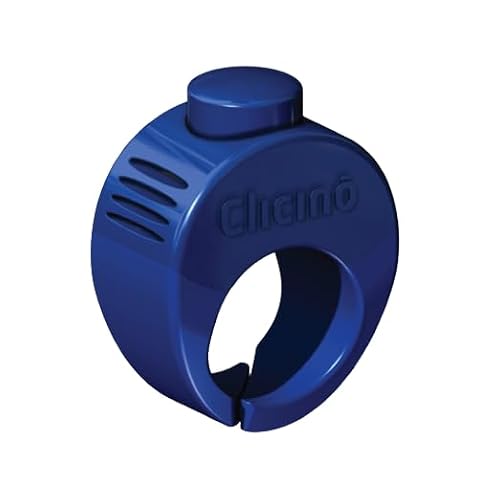
i-Click 2-in-1 Clicker
Best Overall

i-Click 2-in-1 Clicker

View on Amazon

The i-Click 2-in-1 Clicker features a soft-touch button that requires minimal pressure, making it ideal for dogs with sensitive paws. Its ergonomic design fits comfortably in the hand, and the adjustable volume allows you to choose between a quiet or loud click. The only limitation is that the button may be too sensitive for some handlers, leading to accidental clicks.

#2
PetSafe Clik-R Trainer
Best Budget

PetSafe Clik-R Trainer

View on Amazon

The PetSafe Clik-R Trainer offers a large button that is easy for dogs to press with light paw pressure. It produces a consistent, gentle click and has a durable plastic body. However, it lacks volume control and may be slightly bulkier than other models, which could be a drawback for small-handed users.

#3
KONG Clicker
Best for Durability

KONG Clicker

View on Amazon

The KONG Clicker is built with a sturdy, non-slip rubber exterior that withstands drops and rough handling. Its button requires moderate pressure, but the textured surface provides good grip for both handler and dog. The trade-off is that the click is a bit louder, which might startle some sensitive dogs.

#4
StarMark Clicker
Best Ergonomic Design

StarMark Clicker

View on Amazon

The StarMark Clicker has a contoured shape that fits naturally in the palm, reducing handler fatigue. The button is responsive with a soft click, suitable for dogs with sensitive paws. One downside is that the wrist strap is not included, and the plastic body may feel less premium.

#5
Clicker Plus by Karen Pryor
Best Quiet Click

Clicker Plus by Karen Pryor

View on Amazon

The Clicker Plus features a patented noiseless design that produces a subtle click, perfect for noise-sensitive dogs. Its compact size and lightweight build make it easy for dogs to press. However, the quiet click may not be audible in noisy environments, and the button requires slightly more pressure than other models.

Before You Buy

Key Buying Factors

01

Button Sensitivity

For dogs with sensitive paws, a clicker with a low-resistance button is crucial. Test the button pressure: it should activate with a light tap. Some clickers have adjustable tension, allowing you to customize the feel.

02

Weight and Size

A lightweight clicker (under 1.5 oz) is easier for a dog to press without straining. The size should be appropriate for your dog's paw; smaller dogs may need a compact clicker that fits their paw comfortably.

03

Sound Level

Some dogs are sensitive to loud noises. Look for clickers with adjustable volume or a quieter click. A soft click can still be effective for training while being less startling.

04

Ergonomics for Handler

The handler's comfort matters for extended training sessions. Choose a clicker with a contoured shape and non-slip grip. A wrist strap can prevent drops and make handling easier.

05

Durability

Clickers should withstand occasional drops. Rubberized exteriors offer better grip and shock absorption. Avoid clickers with small parts that could break off and become choking hazards.

Living With It

Care, Cost and Maintenance

Cleaning

Wipe the clicker with a damp cloth after each use to remove dirt and saliva. Avoid submerging in water unless it's waterproof. For plastic clickers, use mild soap and dry thoroughly.

Storage

Store the clicker in a dry place away from extreme temperatures. Keep it out of reach of dogs to prevent chewing. A dedicated pouch or case can protect it from damage.

Battery Care (if applicable)

For electronic clickers, remove batteries if not used for extended periods. Check battery contacts for corrosion. Replace batteries as needed to maintain consistent click sound.

Pro tip

To help your dog get used to pressing the clicker, start by placing it on a soft surface and rewarding any paw contact with a treat. Gradually shape the behavior until they press the button confidently.

Frequently asked questions

Are these clickers safe for heavy chewers?
Most clickers are not designed to be chewed. They contain small parts that can break off and cause choking or intestinal blockage. Always supervise your dog during training and store the clicker out of reach when not in use. If your dog is a heavy chewer, consider using a treat-dispensing toy or a noiseless clicker that can be kept away from the mouth.
How do I size a clicker for my dog?
Choose a clicker that fits comfortably in your dog's paw. For small dogs, a compact clicker (around 2.5 inches) is ideal. For larger dogs, a standard size (3 to 3.5 inches) works. The button should be large enough for the dog to press with a single paw without missing. Test by having your dog tap the clicker; if they struggle, try a larger button.
What supervision is needed when using a clicker?
Always supervise your dog during clicker training to prevent them from chewing the device. If the clicker has a wrist strap, ensure it is not long enough to become entangled. After training, store the clicker in a secure place. Never leave a clicker with your dog unattended, as they may try to ingest parts.
Can a clicker be used as a dental chew?
No, clickers are not dental chews. They are training tools and should not be chewed. For dental health, use VOHC-approved dental chews or toys designed to clean teeth. Clickers do not provide any dental benefits and may be harmful if ingested.
Are puzzle toys better than clickers for boredom?
Puzzle toys and clickers serve different purposes. Clickers are for training and communication, while puzzle toys provide mental stimulation through problem-solving. For boredom, puzzle toys are more effective as they engage the dog for longer periods. However, clicker training can also reduce boredom by providing structured activity.
What is the difference between digestible and non-digestible chews?
Digestible chews (like rawhide alternatives) break down in the stomach, reducing the risk of blockage. Non-digestible chews (like nylon bones) are not meant to be swallowed and can cause blockages if ingested. For dogs with sensitive paws, soft digestible chews may be easier to hold, but always supervise to prevent choking.
How do I clean a clicker?
Clean the clicker with a damp cloth and mild soap. Avoid getting water inside the mechanism. For electronic clickers, remove batteries before cleaning. Dry thoroughly before use. Do not use harsh chemicals or abrasive cleaners that could damage the surface.
Can a clicker cause injury to a dog's paw?
If the clicker has sharp edges or a stiff button, it could cause discomfort. Choose a clicker with smooth edges and a soft-touch button. Avoid clickers with metal parts that could pinch. If your dog shows signs of pain or reluctance to press, stop using the clicker and consult a trainer.
What should I do if my dog swallows a clicker part?
If your dog swallows a part of a clicker, contact your veterinarian immediately. Symptoms of blockage include vomiting, loss of appetite, and lethargy. Do not induce vomiting unless directed by a vet. To prevent this, always supervise training and choose clickers without small detachable parts.
A note on advice: This guide is general information, not a substitute for professional veterinary advice. Talk to your vet before changing your dog's diet or care routine, especially if your dog has allergies, kidney disease, pancreatitis, obesity, heart disease or any other medical condition.
Transparency

How we made this guide

How we chose. We compared the options on the factors that matter most for Dog Care Products, using manufacturer specifications, aggregated verified owner reviews and editorial comparison. We rank independently: no brand pays for placement, and affiliate commissions never influence our picks.

How it was written. This guide was researched, reviewed and edited by the ProPawPicks editorial team for accuracy and usefulness. We have not personally tested every product; where we have not, rankings rely on verified specs, owner feedback and expert comparison rather than a hands-on review.

Affiliate disclosure. ProPawPicks is reader-supported. If you buy through links on our site, we may earn a commission at no extra cost to you. See our affiliate disclosure.

Keep Reading

More Dog Care Products guides

Interactive Dog Toys for Boredom: Our ShortlistView picks โ†’Interactive Dog Toys, ComparedView picks โ†’Picking Invisible Dog Fence for AllergiesView picks โ†’2026 Puppy Fence Guide: 5 Top Invisible Dog Fences ReviewedView picks โ†’Expert Picks: Best Invisible Dog Fence for the Money 2026View picks โ†’Invisible Dog Fence under 50 That Hold UpView picks โ†’

Sources and further reading

Some links below are affiliate links. If you buy through them we may earn a small commission at no extra cost to you. Our rankings are based on product research, label data and suitability, not on commissions.