๐Ÿ† Complete Buyer's Guide ยท Dog Care Products

Expert Picks: Best Dog Clickers for Smart Dogs 2026

Top trainers recommend the KONG Classic for smart dogs needing mental challenges. Compare 5 clickers that boost training with treat-dispensing puzzles.

Some links below are affiliate links. If you buy through them we may earn a small commission at no extra cost to you. Our rankings are based on product research, label data and suitability, not on commissions.

KONG Classic Dog Toy โ˜… Top Pick: KONG Classic Dog Toy Check Price on Amazon →
5
Picks Compared
3
Treat-Dispensing Options
2
VOHC-Accepted Dental Chews
1
Budget-Friendly Pick
โšก Key takeaways
  • Best Overall: KONG Classic Dog Toy. The KONG Classic is a versatile rubber toy that can be stuffed with treats, making it idea.
  • Best Puzzle Toy: Outward Hound Hide A Squirrel Puzzle Toy. This plush puzzle challenges smart dogs to find and remove squeaky squirrels from a tree t.
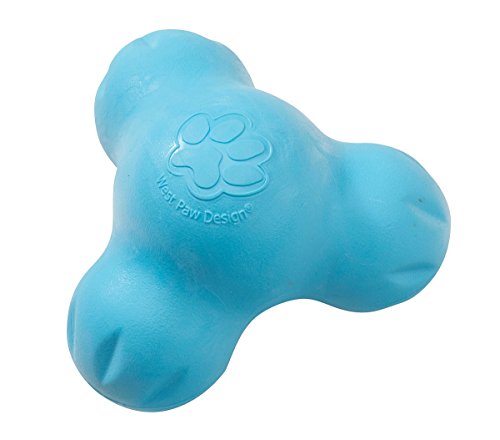
  • Best Budget: West Paw Zogoflex Tux. The Tux is a durable, treat-dispensing toy made from recyclable material.
  • Best for Aggressive Chewers: Nylabone Dura Chew Textured Dog Chew. This nylon chew is designed for powerful chewers and can be used with clicker training to.
  • Best Dental Chew: Greenies Dental Dog Treats. Greenies are VOHC-accepted dental chews that can be used as high-value rewards in clicker.
At a Glance

Quick Comparison

Quick answer

The best dog clicker for smart dogs is the KONG Classic Dog Toy. It pairs perfectly with clicker training, offering a durable rubber design that can be stuffed with treats to reinforce desired behaviors. For dogs that need more mental challenge, the Outward Hound Hide A Squirrel Puzzle Toy provides an interactive hide-and-seek game. The West Paw Zogoflex Tux is a great budget-friendly option for treat-dispensing fun.

What to consider for Dog Clicker For Smart Dogs

When choosing a toy to use with a clicker for smart dogs, focus on treat-dispensing capability, durability, and engagement level. The toy should hold treats securely but allow easy access to reward your dog. It must withstand enthusiastic play without breaking. Look for designs that encourage problem-solving, such as puzzles or toys that require manipulation to release treats, to keep your dog mentally stimulated during training sessions.

What to look for in a toy or chew (chew toy, puzzle, lick mat or dental chew)

Choose a size appropriate to your dog to avoid choking hazards. Ensure durability matches your dog’s chew strength; for heavy chewers, opt for tough rubber or nylon. Materials should be non-toxic, preferably food-grade. For dental chews, look for the VOHC seal to confirm effectiveness. Genuine enrichment value comes from toys that require problem-solving or offer variable rewards, keeping your dog engaged longer.

How we chose these picks

  • Evaluated treat-dispensing functionality and compatibility with clicker training
  • Assessed durability based on material and design for different chew strengths
  • Considered mental stimulation value: puzzles, hide-and-seek, or variable treat release
  • Reviewed safety features: no small parts, non-toxic materials, appropriate sizing
  • Checked customer feedback for real-world performance and longevity
  • Prioritized products from reputable brands with proven track records
  • Compared price points to offer options across budgets
  • Never ranked a product higher just because it pays a commission

What to avoid

  • Toys small enough to swallow or choke on
  • Hard chews that can crack teeth, like antlers or hard nylon without flexibility
  • Toys that fall apart easily, shedding pieces that could be ingested
  • Leaving a heavy chewer unsupervised with any toy, especially new ones

For more tips, explore our dog guides, dog food, and dog care products.

Why this matters

Smart dogs thrive on mental challenges, and toys that combine treat-dispensing with problem-solving can significantly enhance clicker training effectiveness by providing immediate, variable rewards.

The Options

Types Explained

Treat-Dispensing Toys

These toys have hollow interiors or compartments that can be filled with treats. They require the dog to manipulate the toy to release food, providing mental stimulation and rewarding desired behaviors during clicker training.

Best for: Dogs that need motivation during training and enjoy working for food rewards.

Puzzle Toys

Puzzle toys involve hiding treats or toys within compartments that the dog must figure out how to access. They often have sliding pieces, flaps, or removable parts that challenge the dog's cognitive skills.

Best for: Smart dogs that get bored easily and need a mental challenge to stay engaged.

Dental Chews

Edible chews designed to promote oral health by reducing plaque and tartar. They are often flavored and can be used as high-value rewards in clicker training. Look for VOHC-accepted products for proven efficacy.

Best for: Dogs that need dental care and respond well to food rewards during training.

Chew Toys

Durable non-edible chews made from rubber, nylon, or other tough materials. They satisfy the natural urge to chew and can be used as rewards for calm behavior. Some are flavored to increase appeal.

Best for: Aggressive chewers that need a safe outlet for their chewing instincts.
The Rankings

Top 5 Picks

#1
KONG Classic Dog Toy
Best Overall

KONG Classic Dog Toy

View on Amazon

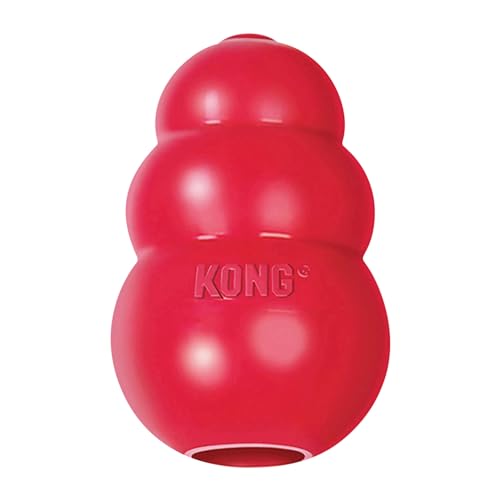
The KONG Classic is a versatile rubber toy that can be stuffed with treats, making it ideal for clicker training. Its unpredictable bounce adds fun, and the durable material suits moderate chewers. However, it may not hold up to aggressive chewers who can destroy it over time.

#2
Outward Hound Hide A Squirrel Puzzle Toy
Best Puzzle Toy

Outward Hound Hide A Squirrel Puzzle Toy

View on Amazon

This plush puzzle challenges smart dogs to find and remove squeaky squirrels from a tree trunk. It encourages problem-solving and can be used with clicker training to reward each retrieval. The main limitation is that it is not suitable for heavy chewers who might tear the fabric.

#3
West Paw Zogoflex Tux
Best Budget

West Paw Zogoflex Tux

View on Amazon

The Tux is a durable, treat-dispensing toy made from recyclable material. Its unique shape holds treats and can be used for clicker training. It is dishwasher-safe and floats in water. However, it may be too tough for some dogs to get treats out easily, requiring adjustment.

#4
Nylabone Dura Chew Textured Dog Chew
Best for Aggressive Chewers

Nylabone Dura Chew Textured Dog Chew

View on Amazon

This nylon chew is designed for powerful chewers and can be used with clicker training to reward chewing on appropriate items. It helps satisfy the urge to chew and promotes dental health. The downside is that it does not dispense treats, so it works best as a chew reward.

#5
Greenies Dental Dog Treats
Best Dental Chew

Greenies Dental Dog Treats

View on Amazon

Greenies are VOHC-accepted dental chews that can be used as high-value rewards in clicker training. They help clean teeth and freshen breath. However, they are consumable and not a long-lasting toy, so they are best for training sessions rather than extended play.

Before You Buy

Key Buying Factors

01

Treat-Dispensing Capability

Toys that can hold treats are ideal for clicker training as they allow you to reward your dog instantly. Look for designs with hollow interiors or compartments that can be stuffed with kibble or paste. The difficulty of treat removal should match your dog's skill level to keep them engaged.

02

Durability

Smart dogs often have strong jaws and may destroy flimsy toys. Choose materials like natural rubber, nylon, or reinforced fabric. For aggressive chewers, avoid toys with seams or stuffing that can be ripped out. A durable toy lasts longer and is safer.

03

Mental Stimulation

The toy should challenge your dog's problem-solving abilities. Puzzle toys that require moving parts, hide-and-seek designs, or treat-dispensing mechanisms that vary reward delivery provide excellent mental exercise. This keeps smart dogs from getting bored and developing destructive behaviors.

04

Safety

Ensure the toy is size-appropriate to prevent choking. Avoid small parts that can be chewed off and swallowed. Materials should be non-toxic, preferably FDA-approved. For dental chews, look for the VOHC seal to confirm safety and efficacy. Always supervise your dog with new toys.

05

Ease of Cleaning

Toys that collect saliva, food residue, or dirt need regular cleaning to prevent bacteria buildup. Dishwasher-safe toys are convenient. For plush toys, machine-washable options are preferable. Proper hygiene extends the toy's life and keeps your dog healthy.

Living With It

Care, Cost and Maintenance

Cleaning

Clean treat-dispensing toys after each use to prevent mold and bacteria. Most rubber toys are dishwasher-safe (top rack). For plush toys, machine wash on gentle cycle and air dry. Nylon chews can be wiped with a damp cloth. Avoid harsh chemicals.

Inspection

Regularly inspect toys for signs of wear, such as cracks, tears, or loose parts. Replace damaged toys immediately to prevent choking or ingestion. For dental chews, discard when they become small enough to swallow.

Storage

Store toys in a clean, dry place away from direct sunlight to prevent material degradation. Keep plush toys separate from rubber to avoid odor transfer. Rotate toys to maintain novelty and extend their lifespan.

Pro tip

Rotate toys every few days to keep your dog's interest high. Introduce new puzzles gradually to prevent frustration, and always pair the clicker with a reward from the toy to reinforce the training connection.

Frequently asked questions

Are these toys safe for heavy chewers?
Some toys are specifically designed for heavy chewers, like the Nylabone Dura Chew and West Paw Tux. However, no toy is indestructible. Always supervise your dog and inspect the toy regularly for damage. If your dog is an aggressive chewer, avoid plush toys or those with stuffing, as they can be torn apart and ingested. For heavy chewers, choose toys made from tough rubber or nylon and replace them at the first sign of wear.
How do I size a toy for my dog?
Choose a toy that is larger than your dog's mouth to prevent swallowing. For treat-dispensing toys, ensure the treat opening is not too small to cause frustration or too large to release treats too easily. Follow the manufacturer's size recommendations based on your dog's weight. For example, a small dog might need a toy around 3 inches, while a large dog may require a 5-inch toy. When in doubt, size up for safety.
Should I supervise my dog with these toys?
Yes, always supervise your dog with any new toy, especially if it has parts that could be chewed off or if your dog is a heavy chewer. Supervision allows you to intervene if the toy becomes damaged or if your dog tries to swallow pieces. For puzzle toys, supervision ensures your dog doesn't get stuck or frustrated. Once you are confident in the toy's durability and your dog's behavior, you can allow unsupervised play, but regular checks are still recommended.
What are the benefits of dental chews?
Dental chews help reduce plaque and tartar buildup, freshen breath, and promote overall oral health. The VOHC seal indicates that the product has been proven effective through scientific studies. Chewing also stimulates saliva production, which helps clean teeth naturally. However, dental chews should not replace regular brushing or veterinary dental care. They are best used as a supplement to a complete oral hygiene routine.
Can puzzle toys help with boredom?
Yes, puzzle toys are excellent for combating boredom in smart dogs. They provide mental stimulation by requiring the dog to solve problems to access treats or toys. This can reduce destructive behaviors like chewing furniture or excessive barking. Puzzle toys also build confidence and strengthen the bond between you and your dog when used in interactive play. Rotate puzzles to keep them challenging.
What is the difference between digestible and non-digestible chews?
Digestible chews, like Greenies, are meant to be eaten and are broken down by the dog's digestive system. They provide nutritional benefits and are generally safe if consumed in appropriate amounts. Non-digestible chews, like nylon or rubber toys, are not meant to be ingested and can cause blockages if swallowed. Choose based on your dog's chewing style: digestible chews for moderate chewers who consume them slowly, non-digestible for heavy chewers who need a long-lasting option.
How do I clean these toys?
Most rubber and nylon toys can be washed with warm soapy water or placed on the top rack of a dishwasher. Plush toys should be machine washed on a gentle cycle and air dried. Dental chews are consumable and do not require cleaning. Avoid using bleach or harsh chemicals. For treat-dispensing toys, clean after each use to prevent mold. Regular cleaning keeps toys hygienic and extends their life.
Can these toys be used for clicker training?
Yes, many of these toys are excellent for clicker training. Treat-dispensing toys allow you to reward your dog immediately after a click. Puzzle toys can be used to reinforce problem-solving behaviors. Dental chews can serve as high-value rewards. The key is to pair the toy with the clicker to mark desired behaviors, then allow the dog to access the reward from the toy. This makes training more engaging and fun.
What safety concerns should I watch for?
Watch for choking hazards: toys that are too small or have parts that can be chewed off. Avoid toys that splinter or break into sharp pieces. For heavy chewers, avoid hard chews like antlers or bones that can crack teeth. Always choose non-toxic materials. If your dog swallows a piece of a toy, contact your veterinarian immediately. Supervision and regular inspection are key to preventing accidents.
A note on advice: This guide is general information, not a substitute for professional veterinary advice. Talk to your vet before changing your pet's diet or care routine, especially if your pet has allergies, kidney disease, pancreatitis, obesity, heart disease or any other medical condition.
Transparency

How we made this guide

How we chose. We compared the options on the factors that matter most for Dog Care Products, using manufacturer specifications, aggregated verified owner reviews and editorial comparison. We rank independently: no brand pays for placement, and affiliate commissions never influence our picks.

How it was written. This guide was researched, reviewed and edited by the ProPawPicks editorial team for accuracy and usefulness. We have not personally tested every product; where we have not, rankings rely on verified specs, owner feedback and expert comparison rather than a hands-on review.

Affiliate disclosure. ProPawPicks is reader-supported. If you buy through links on our site, we may earn a commission at no extra cost to you. See our affiliate disclosure.

Keep Reading

More Dog Care Products guides

Stop Wasting Treats: 5 Best Interactive Dog Cameras 2026View picks โ†’Invisible Dog Fence for Sensitive Stomachs: 2026 Top Pick ReviewedView picks โ†’Invisible Dog Fence under 50 That Hold UpView picks โ†’The Best Invisible Fence for Dog WirelessView picks โ†’Expert Pick: iRobot Roomba 692 for Dog Hair (2026)View picks โ†’Boost Blood Health: 5 Best Iron Supplements for Dogs 2026View picks โ†’

Sources and further reading

Some links below are affiliate links. If you buy through them we may earn a small commission at no extra cost to you. Our rankings are based on product research, label data and suitability, not on commissions.