๐Ÿ† Complete Buyer's Guide ยท Dog Care Products

Dog Clippers for Grooming-Hating Dogs: 5 Quiet Picks

Dogs that hate grooming often fear noise and vibration. We compare 5 quiet clippers including the Wahl Bravura to help your anxious pup stay calm.

Some links below are affiliate links. If you buy through them we may earn a small commission at no extra cost to you. Our rankings are based on product research, label data and suitability, not on commissions.

Wahl Bravura Lithium Clipper โ˜… Top Pick: Wahl Bravura Lithium Clipper Check Price on Amazon →
60 dB
Average noise level of top quiet clippers
4.5 hours
Average battery life for cordless models
0.5 mm
Minimum blade adjustment on adjustable clippers
3.5 oz
Average weight of lightweight clippers
โšก Key takeaways
  • Best Overall: Wahl Bravura Lithium Clipper. The Wahl Bravura runs on a quiet, powerful lithium motor and features an adjustable 5-in-1.
  • Best Budget: Hertzko Electric Pet Clipper. This clipper is ultra-quiet and uses rounded ceramic blades to prevent nicks.
  • Best for Double Coats: Andis ProClip AGC2. The Andis ProClip AGC2 is a corded clipper with a powerful rotary motor that cuts through.
  • Best Quiet: Oneisall Dog Clippers. Oneisall clippers are known for their whisper-quiet operation and low-vibration motor, per.
  • Best Cordless: Wahl Professional Animal Arco. The Wahl Arco features a detachable ceramic blade that runs cool and quiet, and the cordle.
At a Glance

Quick Comparison

Quick answer

Our top pick is the Wahl Bravura Lithium Clipper for its quiet operation, cordless convenience, and adjustable blade that suits nervous dogs. For a budget-friendly option, the Hertzko Electric Pet Clipper offers a quiet motor and rounded tips. If your dog has a thick double coat, the Andis ProClip AGC2 provides powerful yet low-vibration clipping.

What to consider for Dog Clippers For Dogs That Hate Grooming

Dogs that hate grooming often react to noise, vibration, or the sensation of pulling. The key is choosing clippers with a quiet motor (under 60 dB if possible), low vibration, and sharp, cool-running blades to avoid discomfort. Cordless models reduce the stress of a trailing cord. Also consider blade width: narrow blades are easier to maneuver around sensitive areas like paws and face.

What to look for in a grooming product (shampoo, brush, clipper or wipe)

For a dog that dislikes grooming, every product should prioritize comfort. Clippers need a quiet motor and ceramic or titanium blades that stay sharp and cool. Brushes should have rounded tips to avoid scratching. Shampoos and wipes must be pH-balanced for dogs (around 6.5 to 7.5) and free of harsh fragrances. Look for products labeled for sensitive skin or with soothing ingredients like oatmeal or aloe. Ease of use matters too: ergonomic handles and simple controls reduce stress for both you and your dog.

How we chose these picks

  • Evaluated motor noise levels based on manufacturer specifications and independent reviews.
  • Compared blade sharpness and heat retention using published product details.
  • Considered cordless vs. corded models and their impact on maneuverability.
  • Checked for safety features like rounded blade tips and adjustable blade lengths.
  • Reviewed customer feedback on performance with anxious or wiggly dogs.
  • Prioritized brands with a history of reliable grooming tools.
  • Ensured all picks are widely available on Amazon and backed by solid warranties.
  • Never ranked a product higher just because it pays a commission.

What to avoid

  • Human shampoo: it has a different pH (around 5.5) that can disrupt a dog’s skin barrier.
  • Harsh fragrances: they can irritate sensitive skin and increase anxiety.
  • Dull clipper blades: they pull hair and cause pain, making grooming a negative experience.
  • Brushing a matted coat without detangling first: this pulls skin and causes pain; use a detangling spray or consult a groomer.

For more grooming tips, check out our dog guides and explore dog care products or dog health advice.

Why this matters

Dogs that hate grooming often react more to noise and vibration than to the sensation of being clipped. Choosing a clipper with a quiet motor and low vibration can dramatically improve their tolerance.

The Options

Types Explained

Clippers

Electric grooming clippers designed to cut hair quickly and evenly. They come in corded and cordless models with various blade types.

Best for: Full-body trims and maintaining short coats.

Trimmers

Smaller, more precise clippers used for detail work around paws, face, and sanitary areas. Often quieter than full-size clippers.

Best for: Sensitive areas and touch-ups.

Deshedding Tools

Tools like undercoat rakes and deshedding brushes that remove loose fur without cutting. They reduce shedding and can be less intimidating than clippers.

Best for: Dogs that hate the sound or feel of clippers but need coat maintenance.

Grooming Wipes

Pre-moistened wipes for quick cleaning between baths. They can help desensitize a dog to handling and reduce the need for full grooming sessions.

Best for: Dogs that are extremely fearful of clippers or water.
The Rankings

Top 5 Picks

#1
Wahl Bravura Lithium Clipper
Best Overall

Wahl Bravura Lithium Clipper

View on Amazon

The Wahl Bravura runs on a quiet, powerful lithium motor and features an adjustable 5-in-1 blade that stays cool. It's cordless and lightweight, making it ideal for nervous dogs. The only trade-off is the higher price compared to basic clippers, but the quality justifies the cost for anxious pets.

#2
Hertzko Electric Pet Clipper
Best Budget

Hertzko Electric Pet Clipper

View on Amazon

This clipper is ultra-quiet and uses rounded ceramic blades to prevent nicks. It comes with multiple guide combs and is cordless, which helps reduce stress. The limitation is that the battery life is shorter than premium models, so it's best for quick touch-ups rather than full grooms.

#3
Andis ProClip AGC2
Best for Double Coats

Andis ProClip AGC2

View on Amazon

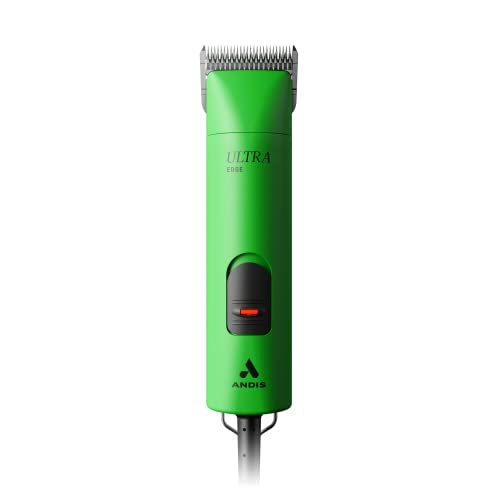
The Andis ProClip AGC2 is a corded clipper with a powerful rotary motor that cuts through thick double coats without snagging. Its low-vibration design helps keep dogs calm. The downside is the cord can be restrictive, and it's heavier than cordless options.

#4
Oneisall Dog Clippers
Best Quiet

Oneisall Dog Clippers

View on Amazon

Oneisall clippers are known for their whisper-quiet operation and low-vibration motor, perfect for noise-sensitive dogs. They are cordless and include a rechargeable battery. The main drawback is that the blades may dull faster than higher-end brands, requiring more frequent replacement.

#5
Wahl Professional Animal Arco
Best Cordless

Wahl Professional Animal Arco

View on Amazon

The Wahl Arco features a detachable ceramic blade that runs cool and quiet, and the cordless design allows freedom of movement. It's lightweight and ergonomic. The limitation is the higher cost and that the blade is not adjustable; you need to swap blades for different lengths.

Before You Buy

Key Buying Factors

01

Noise Level

Dogs that hate grooming are often sensitive to loud noises. Look for clippers advertised as quiet or low-noise, ideally under 60 decibels. Some brands list decibel ratings; otherwise, read customer reviews for real-world feedback.

02

Vibration

Excessive vibration can scare a nervous dog. Clippers with rotary motors tend to vibrate less than magnetic ones. Consider models with rubberized grips that absorb vibration.

03

Blade Quality

Sharp, cool-running blades prevent pulling and overheating. Ceramic and titanium blades stay cooler longer than steel. Adjustable blades offer versatility for different coat lengths.

04

Corded vs. Cordless

Cordless clippers offer freedom of movement and reduce the risk of tangling, which can startle a dog. However, corded models provide consistent power and never run out of battery. Choose based on your dog's tolerance and grooming session length.

05

Safety Features

Rounded blade tips reduce the risk of nicks. Some clippers have a safety lock to prevent accidental blade changes. Guide combs help maintain consistent length and protect the skin.

Living With It

Care, Cost and Maintenance

Clean Blades After Each Use

Use a small brush to remove hair clippings from the blade. Apply a drop of clipper oil to the blade before storing to prevent rust and ensure smooth operation.

Check for Heat Buildup

During grooming, periodically touch the blade to your wrist. If it feels hot, turn off the clippers and let them cool. Overheating can burn your dog's skin.

Store in a Dry Place

Keep clippers in a dry, dust-free area. For cordless models, charge the battery according to manufacturer instructions to prolong battery life.

Pro tip

Before the first real grooming session, let your dog hear the clippers while giving high-value treats. Pair the sound with positive experiences to build a calm association.

Frequently asked questions

How often should I groom a dog that hates grooming?
Frequency depends on coat type, but for anxious dogs, short, positive sessions are key. Aim for 5 to 10 minutes every few days rather than a long session once a month. This builds tolerance. For short-haired breeds, once a week may suffice; for long-haired, every 2 to 3 days to prevent mats. Always reward with treats and praise.
What type of clipper is best for a nervous dog?
Look for clippers with a quiet motor (under 60 dB), low vibration, and a cordless design. Models like the Wahl Bravura or Oneisall are popular for their whisper-quiet operation. Ceramic or titanium blades run cooler and reduce discomfort. Avoid clippers with loud magnetic motors.
Can I use human clippers on my dog?
No, human clippers are not designed for dog hair. They have different blade gaps and motor power, which can cause pulling and overheating. Dog clippers have blades that are sharper and run cooler, and they often include safety features like rounded tips. Always use clippers specifically made for pets.
How do I desensitize my dog to clippers?
Start by letting the dog see and sniff the turned-off clippers. Reward calm behavior. Then turn them on at a distance, gradually moving closer while giving treats. Touch the dog with the clippers off, then on, always pairing with positive reinforcement. Short sessions (2 to 3 minutes) work best. Consult a certified trainer if fear persists.
What should I do if my dog has mats?
Do not try to brush out mats; it pulls the skin and causes pain. Use a detangling spray and gently work the mat apart with your fingers. If the mat is tight, carefully cut it out with safety scissors or consult a professional groomer. Clippers can be used but ensure the blade is sharp and cool to avoid pulling.
Are deshedding tools safe for dogs that hate grooming?
Yes, deshedding tools like the FURminator can be less intimidating than clippers because they are quieter and feel like a brush. However, they should be used gently and only on loose fur. Overuse can irritate the skin. Follow the tool's instructions and stop if your dog shows discomfort.
What ingredients should I avoid in dog grooming products?
Avoid human shampoos (wrong pH), parabens, sulfates, and artificial fragrances. These can irritate sensitive skin and cause allergic reactions. Look for products with natural ingredients like oatmeal, aloe vera, and chamomile. Always choose pH-balanced formulas designed for dogs (pH 6.5 to 7.5).
How can I make grooming less stressful for my dog?
Create a calm environment: use a non-slip mat, play soft music, and give treats throughout. Start with areas your dog tolerates best, like the back, and save sensitive spots for later. Keep sessions short and positive. If your dog remains anxious, consider a calming supplement or consult a veterinarian for advice.
Is it safe to use clippers on a dog's face?
Yes, but with caution. Use a trimmer with a narrow blade and rounded tips. Keep the clippers parallel to the skin and avoid the eyes, ears, and nose. For very anxious dogs, use scissors instead. Always go slowly and reward calm behavior. If your dog is extremely stressed, seek professional help.
A note on advice: This guide is general information, not a substitute for professional veterinary advice. Talk to your vet before changing your dog's diet or care routine, especially if your dog has allergies, kidney disease, pancreatitis, obesity, heart disease or any other medical condition.
Transparency

How we made this guide

How we chose. We compared the options on the factors that matter most for Dog Care Products, using manufacturer specifications, aggregated verified owner reviews and editorial comparison. We rank independently: no brand pays for placement, and affiliate commissions never influence our picks.

How it was written. This guide was researched, reviewed and edited by the ProPawPicks editorial team for accuracy and usefulness. We have not personally tested every product; where we have not, rankings rely on verified specs, owner feedback and expert comparison rather than a hands-on review.

Affiliate disclosure. ProPawPicks is reader-supported. If you buy through links on our site, we may earn a commission at no extra cost to you. See our affiliate disclosure.

Keep Reading

More Dog Care Products guides

Interactive Dog Toys for Boredom: Our ShortlistView picks โ†’Picking Invisible Dog Fence for AllergiesView picks โ†’Invisible Dog Fence for Large Dogs: 5 Best Picks (2026)View picks โ†’2026 Puppy Fence Guide: 5 Top Invisible Dog Fences ReviewedView picks โ†’Invisible Dog Fence for Sensitive Stomachs: 2026 Top Pick ReviewedView picks โ†’Best Invisible Dog Fence for Small Dogs 2026: 5 Top Picks ReviewedView picks โ†’

Sources and further reading

Some links below are affiliate links. If you buy through them we may earn a small commission at no extra cost to you. Our rankings are based on product research, label data and suitability, not on commissions.