๐Ÿ† Complete Buyer's Guide ยท Dog Care Products

Medium Dog Collars: 5 Top Picks for Every Budget

Find the best collar for your medium dog, from the top-rated Ruffwear Front Range to budget-friendly options. Avoid slipping or discomfort with our precise measurement guide.

Some links below are affiliate links. If you buy through them we may earn a small commission at no extra cost to you. Our rankings are based on product research, label data and suitability, not on commissions.

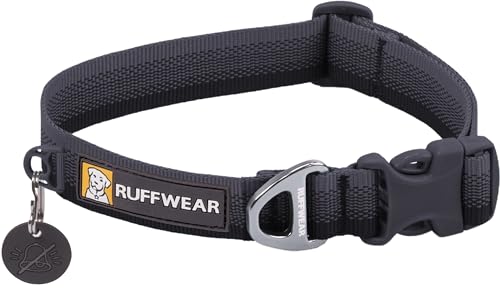
Ruffwear Front Range Dog Collar โ˜… Top Pick: Ruffwear Front Range Dog Collar Check Price on Amazon →
14 to 20 inches
Typical Neck Size Range
20 to 60 pounds
Common Weight Range
3/4 to 1 inch
Recommended Collar Width
5 to 10 years
Average Collar Lifespan
โšก Key takeaways
  • Best Overall: Ruffwear Front Range Dog Collar. This collar combines durability, comfort, and safety.
  • Best Budget: PetSafe Nylon Dog Collar. A simple, affordable collar that gets the job done.
  • Best for Training: Blue-9 Multi-Sport Dog Collar. Designed for active dogs, this collar has a martingale feature that prevents slipping with.
  • Best No-Pull: Kurgo Tru-Fit Smart Dog Collar. This collar has a front D-ring that helps discourage pulling by redirecting your dog's att.
  • Best for Escape Artists: 2 Hounds Design Freedom No-Pull Dog Collar. A martingale-style collar with a patented design that tightens gently to prevent slipping.
At a Glance

Quick Comparison

Quick answer

For most medium dogs, the Ruffwear Front Range Dog Collar is our top pick. It offers a comfortable padded design, reflective trim for visibility, and a sturdy buckle that holds up to daily wear. If you need a budget-friendly option, the PetSafe Nylon Collar is a solid choice. For training, the Blue-9 Multi-Sport Collar provides versatility.

What to consider for Dog Collar For Medium Dogs

Medium dogs, typically weighing 20 to 60 pounds, have neck sizes ranging from 12 to 20 inches. Their activity level varies from casual walks to active hikes, so the collar must withstand moderate pulling without causing discomfort. Consider your dog’s coat type: short-haired breeds may need a padded collar to prevent chafing, while long-haired dogs benefit from a rolled collar to avoid matting. Also, think about whether you’ll use the collar for ID tags only or for leash walking, as that affects hardware strength.

What to look for in a gear item (harness, collar, leash or muzzle)

When choosing a collar for your medium dog, focus on these key features:

  • Correct fit and sizing: Measure your dog’s neck snugly and allow two fingers of space. Most collars have adjustable ranges; ensure the size matches your dog’s measurements.
  • Durable hardware and materials: Look for solid metal D-rings and buckles (stainless steel or zinc alloy) and strong nylon or leather webbing that resists fraying.
  • Safety features: Reflective stitching or trim for low-light visibility, quick-release buckle for emergency removal, and breakaway options for unattended wear.
  • Comfort and padding: Padded collars distribute pressure evenly, reducing neck strain. Neoprene or foam padding is ideal for dogs with sensitive skin.
  • No-pull design: Martingale collars or front-clip harnesses are better for dogs that pull, but for standard collars, ensure the D-ring is centered to avoid twisting.

How we chose these picks

  • Evaluated product specifications and materials for durability and safety.
  • Reviewed customer feedback on fit, comfort, and longevity from verified purchasers.
  • Considered brand reputation and adherence to safety standards.
  • Compared price points to offer options for different budgets.
  • Assessed ease of cleaning and maintenance.
  • Checked for reflective or high-visibility features.
  • Consulted professional dog trainer guidelines on collar types.
  • Never ranked a product higher just because it pays a commission.

What to avoid

  • Ill-fitting sizes: A collar that is too loose can slip off, while one that is too tight can cause choking or skin irritation. Always measure your dog’s neck before buying.
  • Flimsy clips that fail on strong dogs: Plastic buckles or thin metal rings can break under pressure. Choose collars with heavy-duty hardware rated for your dog’s weight.
  • Aversive tools used without professional guidance: Prong collars, shock collars, and choke chains can cause physical and behavioral harm. Use only under the supervision of a certified trainer.
  • Retractable leashes near traffic: Retractable leashes can lead to accidents if the dog darts into the road. Use a standard 4 to 6 foot leash for walks in urban areas.

For more advice, explore our dog guides and check out dog care products and dog nutrition tips.

Why this matters

Medium dogs often have neck sizes that fall between standard small and large collar ranges, so precise measurement is crucial to avoid slipping or discomfort.

The Options

Types Explained

Flat Collar

A standard collar made of nylon or leather with a buckle and D-ring. It is suitable for everyday wear and ID tags but not for dogs that pull heavily.

Best for: Well-behaved dogs on walks and for holding identification tags.

Martingale Collar

A limited-slip collar that tightens slightly when the dog pulls, preventing escape without choking. It has a loop that tightens around the neck.

Best for: Dogs with narrow heads (like Greyhounds) that can slip out of flat collars.

Rolled Collar

A round, rope-like collar that reduces matting in long-haired breeds. It is less likely to cause hair breakage around the neck.

Best for: Long-haired medium dogs such as Golden Retrievers or Collies.

Breakaway Collar

A safety collar with a buckle that releases under pressure, preventing strangulation if the collar gets caught on an object. It is not intended for leash walking.

Best for: Dogs that play off-leash in areas with branches or fences.
The Rankings

Top 5 Picks

#1
Ruffwear Front Range Dog Collar
Best Overall

Ruffwear Front Range Dog Collar

View on Amazon

This collar combines durability, comfort, and safety. It features a padded interior, reflective trim, and a strong buckle. The webbing resists wear, and the ID ring is a nice touch. However, it is pricier than basic nylon collars and may be too bulky for very small medium dogs.

#2
PetSafe Nylon Dog Collar
Best Budget

PetSafe Nylon Dog Collar

View on Amazon

A simple, affordable collar that gets the job done. It comes in many colors and sizes, with a quick-release buckle and a sturdy D-ring. The nylon is durable but not padded, so it may not be comfortable for dogs with sensitive skin or heavy pulling.

#3
Blue-9 Multi-Sport Dog Collar
Best for Training

Blue-9 Multi-Sport Dog Collar

View on Amazon

Designed for active dogs, this collar has a martingale feature that prevents slipping without choking. It is lightweight and comes with a removable buckle for quick release. The trade-off is that it requires proper adjustment to work effectively, and the martingale loop can get caught on objects.

#4
Kurgo Tru-Fit Smart Dog Collar
Best No-Pull

Kurgo Tru-Fit Smart Dog Collar

View on Amazon

This collar has a front D-ring that helps discourage pulling by redirecting your dog's attention. It is padded for comfort and includes reflective stitching. However, the no-pull effect is mild compared to a harness, and the collar may twist if not fitted correctly.

#5
2 Hounds Design Freedom No-Pull Dog Collar
Best for Escape Artists

2 Hounds Design Freedom No-Pull Dog Collar

View on Amazon

A martingale-style collar with a patented design that tightens gently to prevent slipping. It is lined with soft fleece for comfort and has a reflective trim. The main limitation is that it is not intended for use with a leash attached to the back D-ring alone, as it can cause choking.

Before You Buy

Key Buying Factors

01

Material and Durability

Nylon is lightweight and easy to clean, while leather is more durable but requires maintenance. For medium dogs, nylon with reinforced stitching is a good balance of strength and comfort.

02

Buckle Type

Quick-release plastic buckles are convenient but can break under stress. Metal buckles are more secure but heavier. Choose based on your dog's pulling strength.

03

Reflectivity

Reflective stitching or trim improves visibility during low-light walks. This is especially important for medium dogs that may be harder to see than larger breeds.

04

Padding

Padded collars reduce pressure on the neck and are ideal for dogs that pull or have thin coats. However, padding can trap moisture and require more frequent cleaning.

05

Hardware Quality

Look for solid stainless steel or zinc alloy D-rings and rivets. Avoid nickel-plated hardware that may corrode. The D-ring should be wide enough to accommodate a leash clip easily.

Living With It

Care, Cost and Maintenance

Cleaning

Nylon collars can be hand washed with mild soap and warm water, then air dried. Leather collars require a damp cloth and leather conditioner. Avoid machine washing as it can damage hardware.

Inspection

Check the collar weekly for signs of wear, such as frayed edges, loose stitching, or rusted hardware. Replace immediately if any part is compromised to prevent failure.

Storage

Store collars in a dry place away from direct sunlight to prevent fading and material degradation. Hang or lay flat to maintain shape.

Pro tip

To test collar fit, you should be able to slide two fingers easily between the collar and your dog's neck. If you can fit more than two fingers, it is too loose.

Frequently asked questions

How do I measure my medium dog's neck for a collar?
Use a flexible measuring tape around the middle of your dog's neck, where the collar would sit. Add two fingers of space for comfort, which is about 2 inches. If your dog is between sizes, choose the larger size for adjustability. Most collars have a range; ensure your dog's measurement falls within that range.
Are no-pull collars effective for medium dogs?
No-pull collars like martingales can reduce pulling by applying gentle pressure, but they are less effective than front-clip harnesses. For strong pullers, a harness is safer. No-pull collars should not be used for extended periods without supervision, as they can cause neck strain if the dog continues to pull hard.
How can I prevent my medium dog from escaping its collar?
Use a martingale collar that tightens slightly when the dog pulls, or ensure the flat collar is snug enough that you cannot pull it over the dog's head. Check the fit regularly, as dogs can lose weight. For escape artists, a harness may be a better choice.
Should I use a collar or a harness for my medium dog?
Collars are fine for calm dogs and for holding ID tags. Harnesses are better for dogs that pull, have respiratory issues, or are prone to neck injuries. For medium dogs, a harness distributes pressure across the chest, reducing strain on the neck. Use a collar for tags and a harness for walks.
What materials are best for a durable dog collar?
Nylon webbing is strong, lightweight, and easy to clean. Leather is durable but requires maintenance and can become stiff. Biothane is a synthetic alternative that is waterproof and easy to wipe clean. For medium dogs, nylon with reinforced stitching offers a good balance of durability and comfort.
How often should I wash my dog's collar?
Wash the collar every 1 to 2 months, or more frequently if it gets dirty or smelly. Nylon collars can be hand washed with mild soap. Leather collars should be wiped with a damp cloth and conditioned. Always dry thoroughly to prevent mildew.
Can a collar designed for small dogs fit a medium dog?
No, small dog collars are typically too narrow and short for medium dogs. They may not have enough strength to withstand pulling. Always choose a collar specifically sized for your dog's weight and neck measurement. Medium dog collars are usually 3/4 to 1 inch wide.
What safety features should I look for in a dog collar?
Look for reflective stitching or trim for visibility, a quick-release buckle for emergency removal, and a breakaway option if the dog is left unattended. Ensure the D-ring is securely attached and the hardware is rust-resistant. Avoid collars with sharp edges or loose parts.
Is it safe to leave a collar on my medium dog all the time?
It is generally safe if the collar fits properly and has a breakaway or quick-release buckle. However, collars can get caught on objects, posing a strangulation risk. Remove the collar during crate time or when the dog is unsupervised. For ID purposes, consider a microchip.
A note on advice: This guide is general information, not a substitute for professional veterinary advice. Talk to your vet before changing your dog's diet or care routine, especially if your dog has allergies, kidney disease, pancreatitis, obesity, heart disease or any other medical condition.
Transparency

How we made this guide

How we chose. We compared the options on the factors that matter most for Dog Care Products, using manufacturer specifications, aggregated verified owner reviews and editorial comparison. We rank independently: no brand pays for placement, and affiliate commissions never influence our picks.

How it was written. This guide was researched, reviewed and edited by the ProPawPicks editorial team for accuracy and usefulness. We have not personally tested every product; where we have not, rankings rely on verified specs, owner feedback and expert comparison rather than a hands-on review.

Affiliate disclosure. ProPawPicks is reader-supported. If you buy through links on our site, we may earn a commission at no extra cost to you. See our affiliate disclosure.

Keep Reading

More Dog Care Products guides

Expert Picks: Best Invisible Dog Fence for the Money 2026View picks โ†’Which Invisible Dog Fence Is Best? 5 Top Picks (2026)View picks โ†’The Best Invisible Fence for Dog WirelessView picks โ†’Expert Pick: iRobot Roomba 692 for Dog Hair (2026)View picks โ†’Itching Cream for Dogs Made SimpleView picks โ†’Best Jewelry Monster Friend Necklace for Dogs: Top 5 Picks ReviewedView picks โ†’

Sources and further reading

Some links below are affiliate links. If you buy through them we may earn a small commission at no extra cost to you. Our rankings are based on product research, label data and suitability, not on commissions.