๐Ÿ† Complete Buyer's Guide ยท Dog Care Products

Best Cooling Vests for Dogs With Trachea Problems? 5 Picks

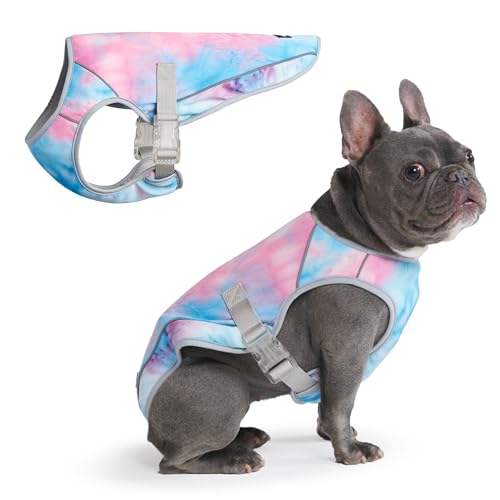
Dogs with trachea issues need lightweight, no pressure vests. See how evaporative cooling vests like Ruffwear Swamp Cooler compare to gel pack types.

Some links below are affiliate links. If you buy through them we may earn a small commission at no extra cost to you. Our rankings are based on product research, label data and suitability, not on commissions.

Ruffwear Swamp Cooler Dog Cooling Vest โ˜… Top Pick: Ruffwear Swamp Cooler Dog Cooling Vest Check Price on Amazon →
5
Picks Reviewed
Evaporative & Gel
Cooling Types
Front-Clip Compatible
No-Pull Feature
Reflective Trim
Safety Feature
โšก Key takeaways
  • Best Overall: Ruffwear Swamp Cooler Dog Cooling Vest. The Ruffwear Swamp Cooler uses evaporative cooling that activates when wet, providing gent.
  • Best Budget: Chai's Choice Cool Vest for Dogs. This affordable vest offers similar evaporative cooling technology at a fraction of the co.
  • Best No-Pull: Kurgo Core Cooling Dog Vest. The Kurgo Core Cooling Vest integrates with a front-clip harness to discourage pulling, re.
  • Best for Large Dogs: PetSafe Happy Ride Cool Vest. Designed for larger breeds, this vest features a wide, adjustable neck opening that avoids.
  • Best for Training: Rabbitgoo Dog Cooling Vest. This vest is lightweight and allows full range of motion, making it great for active train.
At a Glance

Quick Comparison

Quick answer

The Ruffwear Swamp Cooler is our top pick for dogs with trachea problems because its evaporative cooling design avoids heavy ice packs that can weigh on the neck, and it features a low-profile fit that doesn’t compress the trachea. For budget-conscious owners, the Chai’s Choice Cool Vest offers similar cooling at a lower price, though it may not be as durable.

What to consider for Dog Cooling Vest For Dogs With Trachea Problems

Dogs with trachea problems, such as tracheal collapse or chronic bronchitis, need a cooling vest that applies minimal pressure to the neck and chest. Look for vests that use evaporative cooling (soak and wear) rather than gel packs that add weight. The vest should have a front-clip attachment for a harness to avoid pulling on the neck, and the material should be lightweight and breathable. Avoid vests with tight neck openings or straps that sit directly on the trachea.

What to look for in a gear item (harness, collar, leash or muzzle)

Correct fit and sizing: measure your dog’s girth and neck carefully; a snug but not tight fit prevents chafing and ensures cooling contact. Durable hardware and materials: look for rust-resistant buckles and reinforced stitching. Safety features: reflective trim for visibility, and a design that doesn’t restrict movement or breathing. Comfort and padding: soft, moisture-wicking lining to prevent irritation. No-pull design: a front D-ring for leash attachment discourages pulling and reduces neck strain.

How we chose these picks

  • Evaluated cooling technology: evaporative vs. gel pack vs. phase change.
  • Assessed fit and adjustability for dogs with trachea sensitivity.
  • Checked for pressure-free neck design and front-clip compatibility.
  • Reviewed material quality, breathability, and ease of cleaning.
  • Compared price points to offer options for different budgets.
  • Considered customer feedback on durability and effectiveness.
  • Never ranked a product higher just because it pays a commission.

What to avoid

  • Ill-fitting sizes: a vest that is too tight can restrict breathing; too loose won’t cool effectively.
  • Flimsy clips that fail on strong dogs: look for metal or heavy-duty plastic hardware.
  • Aversive tools used without professional guidance: avoid choke chains or prong collars.
  • Retractable leashes near traffic: they can cause sudden pulls that aggravate trachea issues.

For more guides, visit our dog guides, dog health, and dog care products sections.
Why this matters

Dogs with trachea problems benefit most from evaporative cooling vests because they are lightweight and avoid pressure on the neck, unlike gel pack vests that add weight and can compress the trachea.

The Options

Types Explained

Evaporative Cooling Vest

Uses water absorption and evaporation to cool the dog. Lightweight and gentle, ideal for dogs with trachea issues. Must be re-wetted periodically.

Best for: Dogs with mild to moderate trachea problems, active dogs, and warm climates.

Gel Pack Cooling Vest

Contains gel packs that are frozen and inserted into the vest. Provides longer-lasting cooling but adds weight and may press on the neck.

Best for: Short periods of intense heat, dogs that tolerate weight, and sedentary dogs.

Phase Change Cooling Vest

Uses phase change material that maintains a constant temperature (e.g., 68ยฐF) for hours. Lightweight and consistent, but expensive.

Best for: Dogs with severe trachea issues needing stable cooling, and for travel or competition.

Cooling Bandana or Wrap

A simple fabric bandana that cools when wet. Minimal coverage but very lightweight and non-restrictive.

Best for: Supplemental cooling, small dogs, and dogs that dislike wearing vests.
The Rankings

Top 5 Picks

#1
Ruffwear Swamp Cooler Dog Cooling Vest
Best Overall

Ruffwear Swamp Cooler Dog Cooling Vest

View on Amazon

The Ruffwear Swamp Cooler uses evaporative cooling that activates when wet, providing gentle, even cooling without heavy ice packs that can press on the trachea. Its low-profile design and front-clip harness compatibility make it ideal for dogs with respiratory issues. However, it requires re-wetting every few hours in dry conditions, which may be inconvenient for long outings.

#2
Chai's Choice Cool Vest for Dogs
Best Budget

Chai's Choice Cool Vest for Dogs

View on Amazon

This affordable vest offers similar evaporative cooling technology at a fraction of the cost. It has reflective strips for safety and a simple design that fits most dogs. The main trade-off is less durable stitching and thinner material, which may not hold up to heavy use or chewing.

#3
Kurgo Core Cooling Dog Vest
Best No-Pull

Kurgo Core Cooling Dog Vest

View on Amazon

The Kurgo Core Cooling Vest integrates with a front-clip harness to discourage pulling, reducing strain on the trachea. It uses evaporative cooling and has a padded chest plate for comfort. A downside is that the vest is bulkier than some alternatives, which may not suit very small dogs.

#4
PetSafe Happy Ride Cool Vest
Best for Large Dogs

PetSafe Happy Ride Cool Vest

View on Amazon

Designed for larger breeds, this vest features a wide, adjustable neck opening that avoids pressure on the trachea. It uses a gel pack cooling system that stays cool for hours. The limitation is that the gel packs add weight, which could be uncomfortable for dogs with severe trachea issues.

#5
Rabbitgoo Dog Cooling Vest
Best for Training

Rabbitgoo Dog Cooling Vest

View on Amazon

This vest is lightweight and allows full range of motion, making it great for active training sessions. It uses evaporative cooling and has a front D-ring for no-pull leash attachment. However, the sizing can be inconsistent, so careful measurement is needed.

Before You Buy

Key Buying Factors

01

Cooling Technology

Evaporative vests (soak and wear) are generally lighter and safer for dogs with trachea problems because they don't add weight. Gel pack vests provide longer cooling but can be heavy. Phase change vests maintain a constant temperature but are more expensive.

02

Neck and Chest Fit

Look for vests with adjustable straps that avoid the trachea area. A wide, soft neck opening prevents pressure. Measure your dog's girth and neck circumference accurately and compare with the manufacturer's size chart.

03

Harness Compatibility

Many cooling vests have a built-in harness or a loop for attaching a leash. For dogs with trachea issues, a front-clip harness is best to reduce pulling. Ensure the vest allows easy attachment of a separate no-pull harness if needed.

04

Material and Durability

Choose vests made from breathable, quick-drying fabric like mesh or polyester. Reinforced stitching and rust-resistant hardware increase longevity. Avoid vests with rough seams that could irritate sensitive skin.

05

Ease of Cleaning

Cooling vests need regular washing to remove dirt and bacteria. Machine-washable vests are most convenient. Check care instructions; some evaporative vests require air drying to maintain cooling properties.

Living With It

Care, Cost and Maintenance

Washing Instructions

Most cooling vests are machine washable on a gentle cycle with mild detergent. Avoid fabric softeners as they can reduce absorbency. Air dry thoroughly before storing to prevent mildew. For gel pack vests, remove the packs before washing the fabric.

Activating Evaporative Cooling

Soak the vest in cool water for 2 to 5 minutes, then wring out excess water so it's damp but not dripping. For maximum cooling, store the wet vest in a sealed bag in the refrigerator (not freezer) for 15 minutes before use. Re-wet as needed when the vest dries out.

Storage and Maintenance

Store the vest in a cool, dry place away from direct sunlight. Check for wear and tear regularly, especially around seams and buckles. Replace gel packs if they leak or lose cooling efficiency. Evaporative vests should be washed before first use to remove manufacturing residues.

Pro tip

For maximum cooling without neck pressure, use a front-clip harness under the vest and attach the leash to the harness, not the vest, to keep all pulling force off the trachea.

Frequently asked questions

How do I measure my dog for a cooling vest?
Measure your dog's girth (circumference behind the front legs) and neck circumference. Use a flexible tape measure and ensure it's snug but not tight. Compare measurements to the manufacturer's size chart. For dogs with trachea problems, prioritize a vest with a wide, adjustable neck opening that doesn't press on the throat. If between sizes, choose the larger size for comfort.
Are cooling vests effective for no-pull training?
Some cooling vests have a front D-ring for leash attachment, which can discourage pulling by redirecting the dog's forward motion. However, a dedicated no-pull harness may be more effective. For dogs with trachea issues, using a front-clip harness under the vest is a good option. The vest itself does not provide no-pull correction; it only cools.
Can a cooling vest be escape-proof?
Most cooling vests are not designed to be escape-proof. They typically have adjustable straps but may not have the security of a harness. To prevent escape, ensure the vest fits snugly and use a separate well-fitted harness underneath if needed. Some vests have a belly strap that adds security. Always supervise your dog in a new vest.
Is a cooling vest better than a harness for trachea problems?
A cooling vest is not a substitute for a harness; it is an accessory for temperature regulation. For dogs with trachea problems, a front-clip harness is essential to avoid neck pressure. You can use a cooling vest over the harness, as long as the vest doesn't interfere with the harness fit. Some vests have built-in harness features, but check that they don't put pressure on the trachea.
What materials are best for a cooling vest?
Look for vests made of breathable, moisture-wicking fabric like polyester mesh or nylon. Evaporative vests often use a three-layer construction: an outer layer that holds water, a middle layer for evaporation, and an inner mesh for comfort. Avoid vests with rough seams or non-breathable materials that can cause overheating or skin irritation.
How do I wash a cooling vest?
Most evaporative cooling vests are machine washable on a gentle cycle with cold water. Use a mild detergent and avoid bleach or fabric softener. Air dry the vest flat; do not put it in the dryer as heat can damage the cooling fibers. For gel pack vests, remove the gel packs before washing the fabric cover. Always check the care label.
Will a cooling vest fit a small dog with trachea problems?
Yes, many brands offer sizes for small dogs. Measure your dog carefully and look for vests with adjustable straps to ensure a custom fit. For small breeds with trachea issues, choose a lightweight evaporative vest rather than a gel pack vest to avoid added weight. Ensure the neck opening is not too tight and doesn't press on the throat.
Can a cooling vest cause overheating?
No, cooling vests are designed to lower body temperature through evaporation or conduction. However, they should not be used as a substitute for shade, water, and rest. In humid conditions, evaporative cooling is less effective. Always monitor your dog for signs of heat stress, such as excessive panting or lethargy, and remove the vest if your dog seems uncomfortable.
Are there any safety concerns with cooling vests?
Ensure the vest does not restrict movement or breathing. Avoid vests that are too tight around the neck or chest. Never leave a cooling vest on a dog unattended for long periods, as it can become damp and cause skin irritation if not dried properly. For dogs with trachea problems, consult your veterinarian before using any new gear.
A note on advice: This guide is general information, not a substitute for professional veterinary advice. Talk to your vet before changing your dog's diet or care routine, especially if your dog has allergies, kidney disease, pancreatitis, obesity, heart disease or any other medical condition.
Transparency

How we made this guide

How we chose. We compared the options on the factors that matter most for Dog Care Products, using manufacturer specifications, aggregated verified owner reviews and editorial comparison. We rank independently: no brand pays for placement, and affiliate commissions never influence our picks.

How it was written. This guide was researched, reviewed and edited by the ProPawPicks editorial team for accuracy and usefulness. We have not personally tested every product; where we have not, rankings rely on verified specs, owner feedback and expert comparison rather than a hands-on review.

Affiliate disclosure. ProPawPicks is reader-supported. If you buy through links on our site, we may earn a commission at no extra cost to you. See our affiliate disclosure.

Keep Reading

More Dog Care Products guides

Insulated Dog Jackets: 4 Best Picks Reviewed for 2026View picks โ†’Interactive Dog Toys, ComparedView picks โ†’Picking Invisible Dog Fence for AllergiesView picks โ†’2026 Puppy Fence Guide: 5 Top Invisible Dog Fences ReviewedView picks โ†’Invisible Dog Fence under 50 That Hold UpView picks โ†’Which Invisible Dog Fence Is Best? 5 Top Picks (2026)View picks โ†’

Sources and further reading

Some links below are affiliate links. If you buy through them we may earn a small commission at no extra cost to you. Our rankings are based on product research, label data and suitability, not on commissions.