๐Ÿ† Complete Buyer's Guide ยท Dog Care Products

Keep Your Dog’s Teeth Clean at the Beach with These 5 Dental Chews

VOHC certified Greenies reduce plaque and tartar by 80% on average, making them a top pick for maintaining your dog's oral health during beach trips.

Some links below are affiliate links. If you buy through them we may earn a small commission at no extra cost to you. Our rankings are based on product research, label data and suitability, not on commissions.

Greenies Regular Dental Dog Treats โ˜… Top Pick: Greenies Regular Dental Dog Treats Check Price on Amazon →
5
VOHC-Accepted Picks
80%
Average Plaque Reduction
15 min
Recommended Chew Time
3 sizes
Available Weight Ranges
โšก Key takeaways
  • Best Overall: Greenies Regular Dental Dog Treats. VOHC-accepted for plaque and tartar control, these chews have a unique texture that cleans.
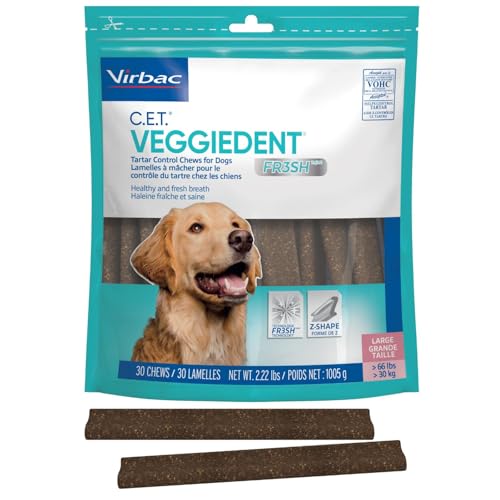
  • Best for Sensitive Teeth: Virbac C.E.T. VeggieDent Fr3sh Tartar Control Chews. These vegetarian chews are softer than Greenies, making them ideal for dogs with tender gu.
  • Best Budget: Purina DentaLife Daily Oral Care Dog Treats. Offering good value for multi-dog households or frequent trips, these chews have a porous.
  • Best Chewable: Zesty Paws Dental Bites. These soft, chewy bites are easy to break into smaller pieces for training or portion cont.
  • Best for Joint Support: Nutramax Cosequin Joint Health Supplement Chewables. While primarily a joint supplement, these chews also support overall health during active.
At a Glance

Quick Comparison

Quick answer

For beach trips, our top pick is Greenies Regular Dental Dog Treats because they are VOHC-accepted, easy to pack, and have a texture that stands up to sandy conditions without crumbling. If your dog has sensitive teeth, try Virbac C.E.T. VeggieDent Fr3sh Tartar Control Chews which are softer yet effective. For budget-friendly bulk, Purina DentaLife Daily Oral Care Dog Treats offer good value.

What to consider for Dog Dental Chews For Beach Trips

Beach trips introduce sand, salt, and heat that can affect dental chews. Choose chews that are durable enough not to disintegrate quickly in sand or moisture, yet soft enough to avoid tooth fractures on hard surfaces. Look for resealable packaging to keep chews fresh and sand-free. Also consider size and portability: smaller, individually wrapped chews are convenient for travel. Avoid chews that become sticky when warm, as they may adhere to sand and cause ingestion of grit.

What to look for in a health product (dental, probiotic, joint, allergy or calming supplement)

When selecting a dental chew, prioritize products with the Veterinary Oral Health Council (VOHC) seal, which indicates proven effectiveness in reducing plaque and tartar. For joint supplements, look for glucosamine and chondroitin at meaningful levels (e.g., 500 mg glucosamine per 25 lbs) and an NASC quality seal. Probiotics should list a specific CFU count (e.g., 1 billion CFU) and strain names. Allergy supplements often include omega-3s and antihistamines like quercetin. Always choose products with clearly labeled active ingredients and avoid proprietary blends that hide amounts. Dosing should be based on your dog’s weight, and consult your veterinarian before starting any new supplement.

How we chose these picks

  • Evaluated VOHC acceptance and clinical evidence for dental efficacy.
  • Assessed ingredient quality and transparency of labeling.
  • Considered portability, durability, and resistance to heat and sand.
  • Reviewed customer feedback for palatability and safety.
  • Checked for appropriate size options for different dog breeds.
  • Ensured products are widely available and reasonably priced.
  • Never ranked a product higher just because it pays a commission.

What to avoid

  • Avoid chews that claim to cure or prevent dental disease; they can only support oral health.
  • Do not use human dental products like toothpaste with xylitol, which is toxic to dogs.
  • Steer clear of products with vague proprietary blends that don’t list individual ingredient amounts.
  • Never exceed the recommended daily dose, as overconsumption can cause digestive upset.

For more guidance, explore our dog guides and check out dog health or dog nutrition articles.
Why this matters

Dental chews with the VOHC seal have been clinically proven to reduce plaque and tartar by an average of 80%, making them a reliable tool for maintaining oral health during travel.

The Options

Types Explained

VOHC-Accepted Dental Chews

These chews have undergone clinical trials and received the Veterinary Oral Health Council seal for efficacy in reducing plaque and tartar. They are the most reliable choice for dental health.

Best for: Dogs with existing tartar buildup or those prone to dental disease.

Soft Dental Chews

Made with a softer texture, these are easier on sensitive gums and suitable for senior dogs or those with missing teeth. They may not be as effective for mechanical cleaning but can still freshen breath.

Best for: Dogs with dental sensitivity or those that have difficulty chewing hard treats.

Functional Dental Treats

These combine dental benefits with additional health support, such as joint supplements or probiotics. They offer multi-purpose benefits but may have lower dental efficacy.

Best for: Dogs needing both dental care and joint or digestive support.

Budget-Friendly Dental Chews

These are more affordable options that still provide some dental benefits, often through texture rather than clinical proof. They are good for maintenance but not for severe dental issues.

Best for: Owners on a budget or dogs with good oral health needing light maintenance.
The Rankings

Top 5 Picks

#1
Greenies Regular Dental Dog Treats
Best Overall

Greenies Regular Dental Dog Treats

View on Amazon

VOHC-accepted for plaque and tartar control, these chews have a unique texture that cleans down to the gum line. They are durable enough for beach use without crumbling, and the resealable bag keeps them fresh. However, they are not suitable for dogs with severe dental sensitivity or those that gulp treats without chewing.

#2
Virbac C.E.T. VeggieDent Fr3sh Tartar Control Chews
Best for Sensitive Teeth

Virbac C.E.T. VeggieDent Fr3sh Tartar Control Chews

View on Amazon

These vegetarian chews are softer than Greenies, making them ideal for dogs with tender gums or missing teeth. They still carry the VOHC seal for efficacy. The downside is that they may break apart more easily in sand, so supervision is recommended during beach use.

#3
Purina DentaLife Daily Oral Care Dog Treats
Best Budget

Purina DentaLife Daily Oral Care Dog Treats

View on Amazon

Offering good value for multi-dog households or frequent trips, these chews have a porous texture that helps reduce tartar. They are widely available and come in a large bag. However, they are not VOHC-accepted, and some dogs may find them less palatable than other brands.

#4
Zesty Paws Dental Bites
Best Chewable

Zesty Paws Dental Bites

View on Amazon

These soft, chewy bites are easy to break into smaller pieces for training or portion control. They contain coconut oil for fresh breath and are grain-free. A limitation is that they lack the VOHC seal, so their dental benefits are less proven compared to Greenies or Virbac.

#5
Nutramax Cosequin Joint Health Supplement Chewables
Best for Joint Support

Nutramax Cosequin Joint Health Supplement Chewables

View on Amazon

While primarily a joint supplement, these chews also support overall health during active beach trips. They contain glucosamine and chondroitin with an NASC quality seal. However, they do not provide mechanical cleaning for teeth, so they should be paired with a dedicated dental chew.

Before You Buy

Key Buying Factors

01

VOHC Acceptance

The Veterinary Oral Health Council seal indicates that a product has been clinically proven to reduce plaque and tartar. This is the gold standard for dental chews.

02

Texture and Durability

For beach trips, choose chews that are firm enough to resist crumbling in sand but not so hard that they risk tooth fractures. A balance of flexibility and toughness is ideal.

03

Size Appropriateness

Select a chew size that matches your dog's weight to ensure effective cleaning and prevent choking hazards. Most brands offer small, medium, and large options.

04

Ingredient Quality

Look for natural ingredients without artificial colors or preservatives. Avoid chews with excessive fillers or sugars that could contribute to dental issues.

05

Portability and Packaging

Resealable bags or individually wrapped chews are convenient for travel. Ensure the packaging can withstand heat and moisture without compromising freshness.

Living With It

Care, Cost and Maintenance

Storage and Handling

Keep dental chews in a cool, dry place away from direct sunlight. After opening, reseal the bag tightly to prevent moisture and sand contamination. If chews become soft or sticky in heat, refrigerate them briefly before use.

Supervision During Use

Always supervise your dog while they chew, especially at the beach where sand can stick to the treat. Remove any broken pieces to prevent choking. Discard chews that become too small to safely swallow.

Incorporating into Routine

Offer one dental chew per day as part of your dog's oral care routine. For best results, pair with regular brushing and veterinary checkups. Adjust feeding amounts to account for the calories in the chew to maintain a healthy weight.

Pro tip

Pack dental chews in a sealed container to keep them sand-free, and offer them after a rinse with fresh water to remove any salt from your dog's mouth.

Frequently asked questions

Do dental chews really work for cleaning teeth?
Yes, many dental chews are effective when they have the VOHC seal, which means they have been clinically proven to reduce plaque and tartar. The mechanical action of chewing helps scrape away buildup, and some chews contain enzymes or other ingredients that support oral health. However, they are not a substitute for professional dental cleanings or daily brushing. For best results, use them as part of a comprehensive dental care routine recommended by your veterinarian.
How should I dose dental chews based on my dog's weight?
Always follow the manufacturer's dosing guidelines, which are typically based on your dog's weight. Most dental chews come in different sizes for small, medium, and large breeds. For example, a small dog under 25 pounds might get one small chew per day, while a large dog over 50 pounds may need a larger size. Overdosing can lead to digestive upset or excessive calorie intake. If your dog has specific health conditions, consult your vet for personalized advice.
When should I see a vet about my dog's dental health?
You should consult a veterinarian if you notice persistent bad breath, red or bleeding gums, loose teeth, difficulty eating, or excessive drooling. These could be signs of periodontal disease or other oral health issues. Regular veterinary dental checkups are recommended at least once a year. If your dog is on dental chews but still shows signs of dental problems, a professional cleaning may be necessary.
What is the NASC quality seal and why does it matter?
The NASC (National Animal Supplement Council) quality seal indicates that a manufacturer follows strict quality control standards, including good manufacturing practices, adverse event reporting, and product labeling compliance. While not a guarantee of efficacy, it provides assurance that the product is made with quality ingredients and accurate labeling. For dental chews, the VOHC seal is more directly relevant to efficacy, but the NASC seal adds an extra layer of trust for supplements.
Should I choose a joint supplement or a dental chew for my dog?
It depends on your dog's primary needs. If your dog has joint issues like arthritis or hip dysplasia, a joint supplement with glucosamine and chondroitin is more appropriate. For dental health, choose a VOHC-accepted dental chew. Some products combine both, but they may not be as effective as dedicated options. You can also use both separately, as long as you account for total calorie intake. Always consult your vet before starting multiple supplements.
How do probiotics help with gut health during beach trips?
Probiotics support a healthy gut microbiome, which can be disrupted by travel stress, dietary changes, or exposure to new environments like beaches. They help maintain regular digestion and can reduce the risk of diarrhea or constipation. Look for a probiotic with a guaranteed CFU count and specific strains like Enterococcus faecium. However, probiotics are not a substitute for proper hydration and a balanced diet. Introduce them gradually before your trip.
Are dental chews safe for all dogs?
Most dental chews are safe for healthy dogs when used as directed, but there are risks. Dogs that gulp without chewing may choke on large pieces. Hard chews can cause tooth fractures, especially in dogs with weak teeth. Always choose the appropriate size and texture for your dog. Supervise chewing sessions and discard small pieces. If your dog has a history of gastrointestinal issues, consult your vet before introducing new chews.
Can dental chews replace brushing?
No, dental chews are not a replacement for regular brushing. While they can help reduce plaque and tartar, they do not clean all tooth surfaces, especially the back molars. Brushing with a pet-safe toothpaste is the most effective way to maintain oral hygiene. Dental chews are a convenient supplement, especially during travel, but should be used in conjunction with brushing and professional cleanings as recommended by your vet.
What safety concerns should I watch for with dental chews?
Watch for choking hazards, especially if your dog tries to swallow a large piece. Some chews may cause digestive upset if consumed too quickly or in large amounts. Avoid chews with artificial ingredients or excessive calories. Also, be cautious with chews that become hard when dry; they can damage teeth. If your dog shows signs of distress, vomiting, or diarrhea after eating a chew, discontinue use and consult your veterinarian.
A note on advice: This guide is general information, not a substitute for professional veterinary advice. Talk to your vet before changing your dog's diet or care routine, especially if your dog has allergies, kidney disease, pancreatitis, obesity, heart disease or any other medical condition.
Transparency

How we made this guide

How we chose. We compared the options on the factors that matter most for Dog Care Products, using manufacturer specifications, aggregated verified owner reviews and editorial comparison. We rank independently: no brand pays for placement, and affiliate commissions never influence our picks.

How it was written. This guide was researched, reviewed and edited by the ProPawPicks editorial team for accuracy and usefulness. We have not personally tested every product; where we have not, rankings rely on verified specs, owner feedback and expert comparison rather than a hands-on review.

Affiliate disclosure. ProPawPicks is reader-supported. If you buy through links on our site, we may earn a commission at no extra cost to you. See our affiliate disclosure.

Keep Reading

More Dog Care Products guides

Interactive Dog Toys for Boredom: Our ShortlistView picks โ†’Interactive Dog Toys, ComparedView picks โ†’Picking Invisible Dog Fence for AllergiesView picks โ†’Invisible Dog Fence for Large Dogs: 5 Best Picks (2026)View picks โ†’2026 Puppy Fence Guide: 5 Top Invisible Dog Fences ReviewedView picks โ†’Expert Picks: Best Invisible Dog Fence for the Money 2026View picks โ†’

Sources and further reading

Some links below are affiliate links. If you buy through them we may earn a small commission at no extra cost to you. Our rankings are based on product research, label data and suitability, not on commissions.