๐Ÿ† Complete Buyer's Guide ยท Dog Food

Can dogs with sensitive stomachs safely chew Greenies?

Discover why VOHC-sealed Greenies dental chews top our list for dogs with sensitive stomachs, balancing plaque control with simple ingredients for gentle digestion.

Some links below are affiliate links. If you buy through them we may earn a small commission at no extra cost to you. Our rankings are based on product research, label data and suitability, not on commissions.

Greenies Regular Dental Dog Treats โ˜… Top Pick: Greenies Regular Dental Dog Treats Check Price on Amazon →
5
VOHC-Accepted Picks
3
Grain-Free Options
2
Enzymatic Formulas
4
Natural Preservatives
โšก Key takeaways
  • Best Overall: Greenies Regular Dental Dog Treats. Greenies are the most well-known dental chew with the VOHC Seal.
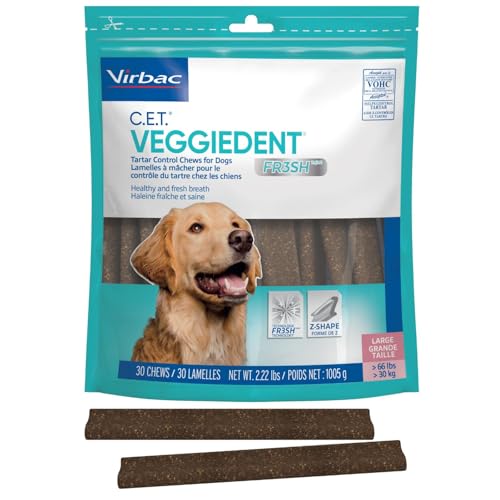
  • Best Vet-Trusted Style: Virbac C.E.T. VeggieDent Fr3sh Tartar Control Chews. These chews are grain-free and use an enzymatic system (glucose oxidase) to help control p.
  • Best Budget: Milk-Bone Brushing Chews. Milk-Bone Brushing Chews are affordable and widely available.
  • Best for Seniors: Blue Buffalo Dental Bones. These chews are softer than many others, making them ideal for senior dogs with sensitive.
  • Best Chewable: Whimzees by Wellness Natural Grain-Free Dental Dog Treats. Whimzees are vegetable-based, grain-free, and highly digestible, making them excellent for.
At a Glance

Quick Comparison

Quick answer

For most dogs with a sensitive stomach, Greenies Regular Dental Dog Treats are our top pick because they are made with natural, easily digestible ingredients and carry the VOHC Seal of Acceptance for plaque and tartar control. If your dog needs a grain-free option, Virbac C.E.T. VeggieDent Fr3sh Tartar Control Chews are excellent. For a budget-friendly alternative, Milk-Bone Brushing Chews offer gentle cleaning with simple ingredients.

What to consider for Dog Dental Chews For Sensitive Stomach

When choosing a dental chew for a dog with a sensitive stomach, prioritize limited ingredient lists and novel proteins. Avoid chews with artificial colors, flavors, or preservatives. The texture should be firm enough to scrub teeth but not so hard that it causes digestive upset. Chews that are too hard can break into sharp pieces, while overly soft ones may not clean effectively. Look for the VOHC Seal of Acceptance, which ensures the product meets standards for plaque and tartar reduction. Also consider your dog’s size and chewing style; smaller or senior dogs may benefit from softer chews that are easier to digest.

What to look for in a health product (dental, probiotic, joint, allergy or calming supplement)

For any health product, look for an NASC Quality Seal on supplements, which indicates third-party auditing. For dental chews, the VOHC Seal is key. Ingredients should be evidence-based and present at meaningful amounts: for joint health, glucosamine and chondroitin; for probiotics, a stated CFU count (colony-forming units); for dental, enzymes like glucose oxidase or mechanical abrasion. Always follow dosing by weight as directed on the label. Choose products from manufacturers with clear quality standards and avoid those with vague proprietary blends. Consult your veterinarian before starting any new supplement or chew regimen.

How we chose these picks

  • Evaluated ingredient lists for simplicity and digestibility, favoring limited ingredient formulas.
  • Checked for the VOHC Seal of Acceptance to ensure proven dental efficacy.
  • Considered texture and size appropriateness for dogs with sensitive stomachs.
  • Reviewed customer feedback for reports of digestive upset or intolerance.
  • Assessed brand reputation and manufacturing standards.
  • Compared price per chew to offer options across budgets.
  • Prioritized products with natural preservatives and no artificial additives.
  • Never ranked a product higher just because it pays a commission.

What to avoid

  • Avoid chews that claim to cure or prevent dental disease without scientific backing.
  • Do not give human dental products or medicines to dogs.
  • Stay away from products with vague proprietary blends that do not list ingredient amounts.
  • Never exceed the recommended dose or feeding frequency.

For more guidance, browse our dog guides, dog health, and dog nutrition sections.
Why this matters

Dental chews with the VOHC Seal of Acceptance are proven to reduce plaque and tartar, but for dogs with sensitive stomachs, ingredient simplicity is just as important as the seal.

The Options

Types Explained

Edible Dental Chews

These are digestible treats designed to be chewed and consumed. They often contain enzymes or abrasive textures to clean teeth while being gentle on the stomach.

Best for: Dogs with mild to moderate dental needs and sensitive stomachs.

Non-Edible Dental Chews

Rubber or nylon chews that are not meant to be eaten. They provide mechanical cleaning but may be too hard for sensitive stomachs if ingested.

Best for: Aggressive chewers without digestive issues.

Enzymatic Dental Chews

These contain enzymes like glucose oxidase that help break down plaque. They are often grain-free and highly digestible.

Best for: Dogs needing extra plaque control with a sensitive stomach.

Dental Chews with Added Supplements

Chews that combine dental care with joint supplements (e.g., glucosamine) or probiotics. They offer dual benefits but may have more ingredients.

Best for: Senior dogs or those needing joint support alongside dental care.
The Rankings

Top 5 Picks

#1
Greenies Regular Dental Dog Treats
Best Overall

Greenies Regular Dental Dog Treats

View on Amazon

Greenies are the most well-known dental chew with the VOHC Seal. They are made with natural ingredients including wheat gluten, glycerin, and added vitamins, and their unique texture helps scrub teeth. However, they contain wheat, which may not suit dogs with grain sensitivities, and some dogs may still experience mild digestive upset.

#2
Virbac C.E.T. VeggieDent Fr3sh Tartar Control Chews
Best Vet-Trusted Style

Virbac C.E.T. VeggieDent Fr3sh Tartar Control Chews

View on Amazon

These chews are grain-free and use an enzymatic system (glucose oxidase) to help control plaque. They are highly digestible and recommended by many veterinarians. The main limitation is the price, as they are more expensive per chew than many alternatives, and the texture is softer, which may not satisfy aggressive chewers.

#3
Milk-Bone Brushing Chews
Best Budget

Milk-Bone Brushing Chews

View on Amazon

Milk-Bone Brushing Chews are affordable and widely available. They have a simple ingredient list with no artificial flavors, and the ridged shape helps clean teeth. The downside is that they are not VOHC-accepted, so their dental efficacy is less proven, and they contain wheat and soy, which could be issues for some dogs.

#4
Blue Buffalo Dental Bones
Best for Seniors

Blue Buffalo Dental Bones

View on Amazon

These chews are softer than many others, making them ideal for senior dogs with sensitive teeth or gums. They include glucosamine for joint support and are made with natural ingredients. However, they are not VOHC-accepted, and the softer texture may not be as effective at removing tartar for dogs with heavy buildup.

#5
Whimzees by Wellness Natural Grain-Free Dental Dog Treats
Best Chewable

Whimzees by Wellness Natural Grain-Free Dental Dog Treats

View on Amazon

Whimzees are vegetable-based, grain-free, and highly digestible, making them excellent for dogs with sensitive stomachs. They have a unique shape that helps clean teeth, and they are VOHC-accepted. The trade-off is that they can be hard for very small dogs or those with dental issues, and some dogs may not like the earthy taste.

Before You Buy

Key Buying Factors

01

Digestibility

Choose chews with limited, easily digestible ingredients. Avoid artificial colors, flavors, and preservatives that can trigger stomach upset.

02

VOHC Seal

The Veterinary Oral Health Council seal indicates the product has been proven to reduce plaque or tartar. Prioritize chews with this seal for guaranteed efficacy.

03

Texture and Size

Select a texture that matches your dog's chewing style. Softer chews are better for seniors or sensitive mouths, while firmer chews may clean better but could be harder to digest.

04

Ingredient Transparency

Look for clear labeling of all ingredients and their amounts. Avoid vague terms like 'proprietary blend' without specific quantities.

05

Life Stage Appropriateness

Ensure the chew is suitable for your dog's age and size. Puppies and seniors may require softer, smaller chews to prevent digestive issues.

Living With It

Care, Cost and Maintenance

Introduce Gradually

Start with half a chew to see how your dog's stomach reacts. Increase to a full chew over several days if no digestive upset occurs.

Monitor Chewing Time

Supervise your dog while chewing to ensure they don't swallow large pieces. Remove any small or sharp fragments to prevent choking or stomach irritation.

Adjust Frequency

Most dental chews are designed for daily use, but if your dog has a sensitive stomach, consider every other day. Always follow the manufacturer's feeding guidelines.

Pro tip

To minimize digestive upset, break the chew into smaller pieces and offer it after a meal rather than on an empty stomach.

Frequently asked questions

Do dental chews really work for cleaning dogs' teeth?
Yes, many dental chews are effective when they carry the VOHC Seal of Acceptance, which means they have been tested and shown to reduce plaque or tartar. However, they are not a substitute for regular brushing. For dogs with sensitive stomachs, choose chews with simple ingredients to avoid digestive upset. Always consult your veterinarian for a complete dental care plan.
How should I dose dental chews by weight?
Always follow the manufacturer's dosing chart on the package. Typically, small dogs under 25 pounds get one small chew per day, medium dogs (25 to 50 pounds) get one medium chew, and large dogs (over 50 pounds) get one large chew. Overfeeding can cause gastrointestinal issues, especially in sensitive dogs. If your dog has a history of stomach problems, start with a half dose.
When should I see a vet about my dog's dental health?
You should see a vet if your dog has persistent bad breath, red or bleeding gums, loose teeth, difficulty eating, or excessive drooling. These can be signs of dental disease. Additionally, if your dog experiences vomiting or diarrhea after eating dental chews, consult your vet to rule out food sensitivities or other issues.
What is the NASC seal and why is it important?
The NASC (National Animal Supplement Council) Quality Seal indicates that a product manufacturer has passed a third-party audit for quality and consistency. While the seal is more common for supplements than chews, it's a good sign of manufacturing standards. For dental chews, the VOHC seal is more relevant, but NASC certification adds an extra layer of trust.
Can dental chews also support joint health?
Some dental chews are formulated with added joint-supporting ingredients like glucosamine and chondroitin. These can be beneficial for senior dogs or those with arthritis. However, the amounts may be lower than in dedicated joint supplements. If your dog needs significant joint support, consider a separate supplement recommended by your vet.
How do probiotics in dental chews help gut health?
Probiotics are beneficial bacteria that support a healthy gut microbiome. Some dental chews include probiotics to aid digestion, which can be helpful for dogs with sensitive stomachs. However, the probiotic strains and CFU counts vary. Look for chews with specific strains like Enterococcus faecium or Lactobacillus acidophilus, and ensure the product has a guaranteed CFU count.
Are dental chews safe for dogs with food allergies?
It depends on the ingredients. Many dental chews contain common allergens like wheat, chicken, or beef. For dogs with food allergies, choose limited-ingredient chews with novel proteins (e.g., salmon, duck) or grain-free options. Always read the label carefully and consult your vet if you're unsure about potential allergens.
Can dental chews cause blockages in dogs?
There is a risk of blockage if a dog swallows large pieces of a chew. To minimize risk, choose chews that are appropriately sized for your dog and supervise chewing. Avoid chews that become hard or sharp when bitten. If your dog is an aggressive chewer, consider softer, digestible options. Signs of blockage include vomiting, lethargy, and loss of appetite; seek veterinary care immediately.
What should I do if my dog vomits after eating a dental chew?
Stop giving that chew and consult your veterinarian. Vomiting could indicate a food intolerance, allergy, or that the chew was too large or hard for your dog. Your vet may recommend an alternative brand or a different type of dental care. Keep a record of the ingredients to identify potential triggers.
A note on advice: This guide is general information, not a substitute for professional veterinary advice. Talk to your vet before changing your pet's diet or care routine, especially if your pet has allergies, kidney disease, pancreatitis, obesity, heart disease or any other medical condition.
Transparency

How we made this guide

How we chose. We compared the options on the factors that matter most for Dog Food, using manufacturer specifications, aggregated verified owner reviews and editorial comparison. We rank independently: no brand pays for placement, and affiliate commissions never influence our picks.

How it was written. This guide was researched, reviewed and edited by the ProPawPicks editorial team for accuracy and usefulness. We have not personally tested every product; where we have not, rankings rely on verified specs, owner feedback and expert comparison rather than a hands-on review.

Affiliate disclosure. ProPawPicks is reader-supported. If you buy through links on our site, we may earn a commission at no extra cost to you. See our affiliate disclosure.

Keep Reading

More Dog Food guides

Insulated Dog Jackets: 4 Best Picks Reviewed for 2026View picks โ†’Stop Wasting Treats: 5 Best Interactive Dog Cameras 2026View picks โ†’Interactive Dog Toys, ComparedView picks โ†’Invisible Dog Fence for Large Dogs: 5 Best Picks (2026)View picks โ†’2026 Puppy Fence Guide: 5 Top Invisible Dog Fences ReviewedView picks โ†’Best Invisible Dog Fence for Small Dogs 2026: 5 Top Picks ReviewedView picks โ†’

Sources and further reading

Some links below are affiliate links. If you buy through them we may earn a small commission at no extra cost to you. Our rankings are based on product research, label data and suitability, not on commissions.