๐Ÿ† Complete Buyer's Guide ยท Dog Care Products

Can Dog Fish Oil Ease Allergies? Top 5 in 2026

Fish oil's EPA and DHA reduce inflammation that triggers allergy symptoms. We compare 5 brands including Zesty Paws Wild Alaskan Salmon Oil to find the best quality and dosage for your dog.

Some links below are affiliate links. If you buy through them we may earn a small commission at no extra cost to you. Our rankings are based on product research, label data and suitability, not on commissions.

Zesty Paws Wild Alaskan Salmon Oil for Dogs โ˜… Top Pick: Zesty Paws Wild Alaskan Salmon Oil for Dogs Check Price on Amazon →
30 to 50 mg/kg
Recommended daily EPA/DHA dose for dogs with allergies
Wild-caught
Preferred source for higher omega-3 content and fewer contaminants
Molecular distillation
Process to remove mercury, PCBs, and other toxins
2 to 4 weeks
Typical time to see improvement in skin and coat
โšก Key takeaways
  • Best Overall: Zesty Paws Wild Alaskan Salmon Oil for Dogs. This liquid salmon oil is rich in EPA and DHA, sourced from wild-caught Alaskan salmon.
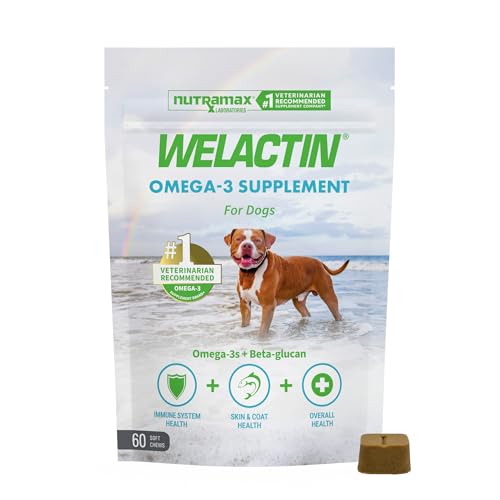
  • Best Vet-Trusted Style: Nutramax Welactin Omega-3 Soft Chews for Dogs. Nutramax is a trusted brand among vets.
  • Best Budget: Pure Wild Alaskan Salmon Oil by Vital Pet Life. This affordable salmon oil provides a good amount of omega-3s per serving.
  • Best for Seniors: Nordic Naturals Omega-3 Pet Soft Gels. Nordic Naturals offers high-quality fish oil with excellent purity.
  • Best Chewable: VetriScience Omega 3-6-9 Select Chews. These chews combine fish oil with flaxseed and borage oil for a balanced omega profile.
At a Glance

Quick Comparison

Quick answer

Our top pick is Zesty Paws Wild Alaskan Salmon Oil for its high EPA/DHA content and purity. It supports skin health and reduces allergy-related itching. For dogs with sensitive stomachs, Nutramax Welactin offers a molecularly distilled option. Budget-conscious owners can consider Pure Wild Alaskan Salmon Oil by Vital Pet Life.

What to consider for Dog Fish Oil For Allergies

When choosing fish oil for dogs with allergies, look for a product that provides a high concentration of EPA and DHA, ideally from wild-caught fish like salmon or anchovies. The oil should be molecularly distilled to remove toxins like mercury and PCBs. Consider the form: liquid oils are easy to dose and absorb, while capsules may be less messy. Always check the omega-3 content per serving and adjust dosage based on your dog’s weight. Consult your vet to determine the right amount for your dog’s specific allergy needs.

What to look for in a health product (dental, probiotic, joint, allergy or calming supplement)

For any pet supplement, look for an NASC quality seal, which indicates the product meets strict manufacturing standards. Choose products with evidence-based ingredients at meaningful amounts: for fish oil, that means a guaranteed level of EPA and DHA. Ensure the product is labeled for dogs and dosing is clear by weight. Avoid vague proprietary blends. For dental products, a VOHC seal is key. For probiotics, look for a stated CFU count. Always follow label directions and consult your vet.

How we chose these picks

  • Evaluated omega-3 content (EPA and DHA) per serving
  • Checked for purity: molecular distillation and third-party testing
  • Reviewed ingredient sourcing: wild-caught vs farmed fish
  • Considered form: liquid, capsule, or chewable
  • Assessed value: cost per mg of combined EPA and DHA
  • Read customer feedback on palatability and effectiveness
  • Never ranked a product higher just because it pays a commission

What to avoid

  • Products claiming to cure or prevent diseases like cancer or kidney failure
  • Human fish oil supplements, which may contain additives harmful to dogs
  • Vague proprietary blends that don’t disclose exact amounts of EPA and DHA
  • Exceeding the recommended dose, which can cause side effects like diarrhea or pancreatitis

For more guidance, explore our dog guides, dog health, and dog nutrition sections.
Why this matters

Fish oil's anti-inflammatory effects come from EPA and DHA, which can reduce the production of inflammatory compounds that trigger allergy symptoms. However, the quality and dosage matter significantly; not all fish oils are created equal.

The Options

Types Explained

Liquid Fish Oil

Pure oil in a bottle, often with a pump or dropper. Easy to adjust dosage and mix into food. Typically has the highest omega-3 concentration per serving.

Best for: Owners who want precise dosing and maximum omega-3 intake. Best for dogs that don't mind the taste.

Fish Oil Soft Gels

Gelatin capsules filled with fish oil. No mess and easy to store. Some are enteric-coated to reduce fishy burps.

Best for: Dogs that refuse liquid oil or for travel. May require multiple capsules for large dogs.

Omega-3 Chews

Soft chews that contain fish oil along with other ingredients like flaxseed or vitamins. Palatable and convenient.

Best for: Picky dogs that won't take liquids or capsules. Lower omega-3 content may require more chews.

Omega-3 Treats

Biscuit-style treats infused with fish oil. Easy to give as a reward but often have lower omega-3 levels.

Best for: Dogs that need a treat-based supplement. Not ideal for therapeutic doses.
The Rankings

Top 5 Picks

#1
Zesty Paws Wild Alaskan Salmon Oil for Dogs
Best Overall

Zesty Paws Wild Alaskan Salmon Oil for Dogs

View on Amazon

This liquid salmon oil is rich in EPA and DHA, sourced from wild-caught Alaskan salmon. It supports skin health and reduces itching from allergies. The pump makes dosing easy, though some dogs may not like the fishy taste. It lacks molecular distillation, but third-party testing ensures purity.

#2
Nutramax Welactin Omega-3 Soft Chews for Dogs
Best Vet-Trusted Style

Nutramax Welactin Omega-3 Soft Chews for Dogs

View on Amazon

Nutramax is a trusted brand among vets. Welactin uses molecularly distilled fish oil to remove contaminants. The soft chews are convenient and palatable, but they contain fewer omega-3s per chew compared to liquids, so larger dogs may need multiple chews daily.

#3
Pure Wild Alaskan Salmon Oil by Vital Pet Life
Best Budget

Pure Wild Alaskan Salmon Oil by Vital Pet Life

View on Amazon

This affordable salmon oil provides a good amount of omega-3s per serving. It's made from wild-caught fish and is free of additives. The downside is that it lacks molecular distillation, and the bottle can be messy to pour. Still, it's a solid value for allergy support.

#4
Nordic Naturals Omega-3 Pet Soft Gels
Best for Seniors

Nordic Naturals Omega-3 Pet Soft Gels

View on Amazon

Nordic Naturals offers high-quality fish oil with excellent purity. The soft gels are easy to administer to older dogs, and the oil is molecularly distilled. However, some dogs may need to take multiple gels, and the cost is higher per serving than liquids.

#5
VetriScience Omega 3-6-9 Select Chews
Best Chewable

VetriScience Omega 3-6-9 Select Chews

View on Amazon

These chews combine fish oil with flaxseed and borage oil for a balanced omega profile. They are easy to give as a treat and support skin health. The downside is that the omega-3 content is lower than pure fish oil, and they contain added ingredients that may not suit all dogs.

Before You Buy

Key Buying Factors

01

Omega-3 Content

Look for a product that specifies the amount of EPA and DHA per serving. Higher concentrations mean fewer doses needed. For allergies, aim for a combined EPA and DHA of at least 300 mg per teaspoon for a 50-pound dog.

02

Purity and Sourcing

Choose fish oil from wild-caught, small fish like salmon, anchovies, or sardines. These have lower toxin levels. Molecular distillation further ensures removal of heavy metals and PCBs. Check for third-party testing seals.

03

Form and Palatability

Liquid oils are easiest to dose and mix with food, but can be messy. Capsules and chews are convenient but may have lower omega-3 content. Some dogs dislike the fishy taste; look for natural flavorings or enteric coatings.

04

Manufacturing Standards

Look for the NASC quality seal, which indicates the product meets strict quality control standards. Avoid products from companies that don't disclose their sourcing or testing practices.

05

Cost per Serving

Compare the cost per mg of combined EPA and DHA. Some products seem cheap but require large doses. Calculate the daily cost to find the best value for your budget.

Living With It

Care, Cost and Maintenance

Proper Storage

Store fish oil in a cool, dark place to prevent rancidity. Refrigeration after opening can extend shelf life. Check the expiration date and discard if the oil smells off.

Dosing Guidelines

Start with the recommended dose on the label based on your dog's weight. For allergies, vets often suggest 30 to 50 mg of combined EPA and DHA per kg of body weight daily. Monitor your dog's response and adjust with vet guidance.

Monitoring for Side Effects

Watch for signs like diarrhea, vomiting, or a fishy odor on breath. If these occur, reduce the dose or switch to a different form. Prolonged high doses can affect blood clotting, so consult your vet before use if your dog is on medication.

Pro tip

To minimize fishy burps, refrigerate liquid fish oil and give it with a meal. For capsules, poke a hole and squeeze the oil onto food if your dog won't swallow them whole.

Frequently asked questions

Do fish oil supplements really help dogs with allergies?
Fish oil can help reduce inflammation associated with allergies, which may alleviate itching and improve skin health. The omega-3 fatty acids EPA and DHA are known to modulate the immune response. However, results vary by dog, and fish oil is not a cure for allergies. It works best as part of a comprehensive plan that may include other treatments like antihistamines or hypoallergenic diets. Always consult your veterinarian before starting any supplement.
How do I determine the right dose of fish oil for my dog?
Dosing is typically based on your dog's weight. A common guideline is 30 to 50 mg of combined EPA and DHA per kilogram of body weight daily. Check the product label for the amount of EPA and DHA per serving. For example, a 50-pound dog (about 23 kg) would need 690 to 1150 mg of combined EPA and DHA per day. Start at the lower end and increase gradually. Your vet can provide personalized advice.
When should I see a vet about my dog's allergies?
You should consult a vet if your dog shows persistent itching, hair loss, skin infections, ear inflammation, or gastrointestinal issues. A vet can diagnose the underlying cause of allergies, which may be environmental, food-related, or flea-related. They can also recommend appropriate treatments, including fish oil, and rule out other conditions. Do not rely solely on supplements without professional guidance.
What is the NASC seal and why is it important?
The NASC (National Animal Supplement Council) seal indicates that a pet supplement manufacturer has passed a third-party audit for quality and consistency. It means the product meets strict standards for ingredient sourcing, manufacturing, and labeling. Choosing a product with the NASC seal helps ensure you are giving your dog a safe and accurately labeled supplement. Not all quality products have the seal, but it is a reliable indicator.
Can fish oil replace joint supplements for dogs?
Fish oil provides anti-inflammatory benefits that may support joint health, but it does not contain glucosamine or chondroitin, which are key for cartilage repair. For dogs with arthritis or joint issues, a dedicated joint supplement with those ingredients is often recommended. Fish oil can be used alongside joint supplements for added anti-inflammatory support. Consult your vet for a tailored approach.
How do probiotics and fish oil work together for allergies?
Probiotics support gut health, which is linked to immune function and can influence allergic responses. Fish oil reduces systemic inflammation. Together, they may provide complementary benefits for dogs with allergies. However, they target different pathways. Always introduce one supplement at a time to monitor effects. Your vet can advise on combining them safely.
Are dental chews safe for dogs with allergies?
Dental chews can be safe, but check the ingredients for potential allergens like beef, chicken, or grains. Some chews contain additives that might trigger allergies. Look for limited-ingredient or hypoallergenic options. The VOHC seal indicates the product is effective for dental health. If your dog has food allergies, consult your vet before introducing new chews.
Can too much fish oil be harmful to my dog?
Yes, excessive fish oil can cause side effects such as diarrhea, vomiting, weight gain, and a fishy odor. Long-term high doses may impair blood clotting and immune function. Vitamin E deficiency is also possible because fish oil can deplete vitamin E. Stick to recommended doses and consult your vet, especially if your dog is on medications like blood thinners.
How long does it take to see results from fish oil for allergies?
It typically takes 2 to 4 weeks of consistent use to notice improvements in skin and coat condition, such as reduced itching and flakiness. Some dogs may respond sooner, while others may take up to 8 weeks. If no improvement is seen after 8 weeks, reassess with your vet. Results depend on the severity of allergies and the dosage.
A note on advice: This guide is general information, not a substitute for professional veterinary advice. Talk to your vet before changing your dog's diet or care routine, especially if your dog has allergies, kidney disease, pancreatitis, obesity, heart disease or any other medical condition.
Transparency

How we made this guide

How we chose. We compared the options on the factors that matter most for Dog Care Products, using manufacturer specifications, aggregated verified owner reviews and editorial comparison. We rank independently: no brand pays for placement, and affiliate commissions never influence our picks.

How it was written. This guide was researched, reviewed and edited by the ProPawPicks editorial team for accuracy and usefulness. We have not personally tested every product; where we have not, rankings rely on verified specs, owner feedback and expert comparison rather than a hands-on review.

Affiliate disclosure. ProPawPicks is reader-supported. If you buy through links on our site, we may earn a commission at no extra cost to you. See our affiliate disclosure.

Keep Reading

More Dog Care Products guides

Insulated Dog Jackets: 4 Best Picks Reviewed for 2026View picks โ†’Interactive Dog Toys, ComparedView picks โ†’Picking Invisible Dog Fence for AllergiesView picks โ†’Invisible Dog Fence for Large Dogs: 5 Best Picks (2026)View picks โ†’Expert Picks: Best Invisible Dog Fence for the Money 2026View picks โ†’Invisible Dog Fence under 50 That Hold UpView picks โ†’

Sources and further reading

Some links below are affiliate links. If you buy through them we may earn a small commission at no extra cost to you. Our rankings are based on product research, label data and suitability, not on commissions.