Small dogs need precise omega-3 dosing. We compared top picks like Zesty Paws wild salmon oil for skin, coat, and joint health in dogs under 20 pounds.
Some links below are affiliate links. If you buy through them we may earn a small commission at no extra cost to you. Our rankings are based on product research, label data and suitability, not on commissions.
Best Overall: Zesty Paws Pure Wild Alaskan Salmon Oil for Dogs. Rich in omega-3s from wild-caught Alaskan salmon, this oil supports skin, coat, and joint.
Best for Sensitive Stomachs: Nordic Naturals Omega-3 Pet Soft Gels. These soft gels are made from wild anchovy and sardine oil, providing high EPA/DHA without.
Best Liquid: Grizzly Salmon Oil for Dogs. Made from wild Pacific salmon, this liquid oil is easy to pour over food.
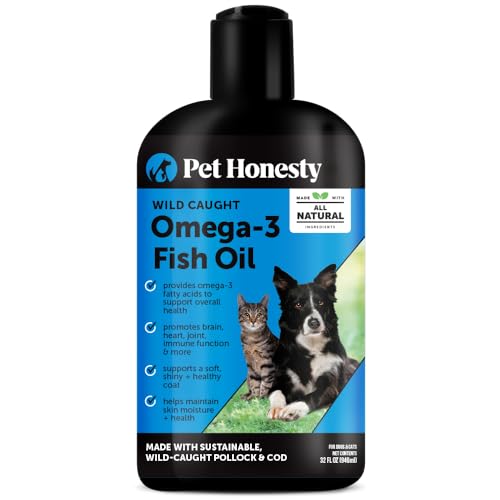
Best Budget: PetHonesty Omega-3 Fish Oil. This affordable option provides a good balance of EPA and DHA from wild-caught fish.
Best for Skin and Coat: Vet's Best Omega-3 Fish Oil for Dogs. Formulated with a high concentration of omega-3s, this oil is designed to improve dry skin.
The best dog fish oil for dogs under 20 lbs is Zesty Paws Pure Wild Alaskan Salmon Oil. It’s rich in omega-3s, easy to dose for small breeds, and highly palatable. For dogs with sensitive stomachs, consider Nordic Naturals Omega-3 Pet Soft Gels. If you prefer a liquid option with added vitamin E, Grizzly Salmon Oil is a solid runner-up.
What to consider for Dog Fish Oil For Dogs Under 20 Lbs
Small dogs have faster metabolisms and may need higher omega-3 concentrations per pound. Look for oils sourced from wild-caught fish to avoid contaminants. The form (liquid vs. soft gels) matters: liquids are easier to mix into food but may spoil faster. Check the EPA and DHA levels per serving to ensure adequate dosing for a small dog’s weight. Also consider any added preservatives or flavorings that could upset a sensitive stomach.
What to look for in a grooming product (shampoo, brush, clipper or wipe)
For small dogs under 20 lbs, choose a gentle shampoo with a pH balanced for dogs (around 6.5 to 7.5) to avoid skin irritation. A soft slicker brush works well for fine coats, while a pin brush suits longer hair. Clippers should have a quiet motor and a small blade (size #10 or #15) for precise trimming around paws and face. Wipes should be alcohol-free and hypoallergenic for sensitive skin. Always test a small area first.
How we chose these picks
Evaluated omega-3 content (EPA and DHA) per serving relative to small dog weight.
Checked sourcing: wild-caught vs. farmed, and sustainability certifications.
Reviewed purity testing for heavy metals and contaminants.
Assessed palatability based on customer feedback and ingredient simplicity.
Considered dosing ease for small dogs (dropper, pump, or small soft gels).
Compared price per serving to ensure value.
Never ranked a product higher just because it pays a commission.
What to avoid
Fish oils with added artificial flavors or colors that may cause allergies.
Products with low EPA/DHA levels that require large doses for small dogs.
Oils sourced from farmed fish, which may have lower nutrient density.
Soft gels that are too large for small dogs to swallow (opt for liquids or mini capsules).
Oils without a clear expiration date or storage instructions, as they can go rancid.
Small dogs under 20 lbs require a higher concentration of omega-3s per pound than larger dogs, making dosing precision critical. Wild-caught salmon oil offers the best balance of EPA and DHA for skin, coat, and joint benefits.
The Options
Types Explained
Liquid Fish Oil
Oil in a bottle with a pump or dropper, easy to mix into food. Best for dogs that eat wet food or have no trouble with new tastes.
Best for: Small dogs that need flexible dosing and owners who want to adjust amount daily.
Soft Gel Capsules
Gelatin capsules filled with oil. Can be given whole or pierced. Less messy but may be harder to dose precisely.
Best for: Dogs that swallow pills easily or owners who prefer pre-measured doses.
Chewable Fish Oil Treats
Soft chews infused with fish oil. Convenient and palatable, but often contain lower omega-3 levels.
Best for: Picky dogs that refuse liquid or capsules, and owners who want a treat-like supplement.
Fish Oil Spray
Oil in a spray bottle for direct application on food or as a topical coat spray. Less common but easy to use.
Best for: Dogs that dislike the taste of oil in food, or for topical use on dry skin spots.
The Rankings
Top 5 Picks
#1
Best Overall
Zesty Paws Pure Wild Alaskan Salmon Oil for Dogs
View on Amazon
Rich in omega-3s from wild-caught Alaskan salmon, this oil supports skin, coat, and joint health. The pump bottle makes dosing easy for small dogs. However, some dogs may not like the strong fishy smell, and the oil can be messy if over-pumped.
These soft gels are made from wild anchovy and sardine oil, providing high EPA/DHA without fishy burps. They are small enough for dogs under 20 lbs to swallow. The downside is that some dogs may refuse to eat them whole, and they are pricier per serving.
Made from wild Pacific salmon, this liquid oil is easy to pour over food. It contains natural vitamin E as a preservative. The main limitation is that it can go rancid quickly if not refrigerated after opening, and the large bottle may be too much for a single small dog.
This affordable option provides a good balance of EPA and DHA from wild-caught fish. It comes in a pump bottle for easy dosing. However, some users report a stronger odor compared to premium brands, and the oil may separate if not shaken well.
Formulated with a high concentration of omega-3s, this oil is designed to improve dry skin and dull coats. It's made from wild-caught fish and includes vitamin E. The drawback is that the dropper bottle can be imprecise for tiny doses, and it's slightly more expensive per ounce.
Look for oils that specify EPA and DHA amounts per serving. Small dogs need a higher concentration per drop to avoid large volumes.
02
Source and Purity
Wild-caught fish from cold waters (salmon, anchovy, sardine) are less likely to contain contaminants. Third-party testing for heavy metals is a plus.
03
Form and Ease of Use
Liquids with a pump or dropper allow precise dosing for small dogs. Soft gels should be small enough to swallow or easily pierced.
04
Palatability
Most dogs love fish oil, but some are picky. Natural flavors or added vitamin E can improve taste. Avoid artificial additives.
05
Shelf Life and Storage
Oils can go rancid. Check expiration dates and storage instructions. Refrigeration after opening extends freshness.
Living With It
Care, Cost and Maintenance
How to Introduce Fish Oil
Start with a quarter of the recommended dose for the first few days to allow your dog's digestive system to adjust. Gradually increase to the full dose over a week. Monitor for loose stools or vomiting, which may indicate too much oil.
Proper Storage
Store fish oil in a cool, dark place. Refrigerate after opening to slow oxidation. Use within the recommended time frame (usually 60 to 90 days). Discard if the oil smells rancid or changes color.
Dosing for Small Dogs
For dogs under 20 lbs, a typical dose is 500 to 1000 mg of combined EPA and DHA per day. Check the product label for specific dosing based on weight. Use a measuring dropper or pump for accuracy.
Pro tip
To minimize fishy breath, give fish oil directly with a meal rather than on an empty stomach. If using liquid, you can freeze it in ice cube trays for easy portioning and less mess.
Frequently asked questions
How often should I give my dog fish oil?
Fish oil is typically given once daily with a meal. Consistency is key for seeing benefits like improved coat and joint health. Follow the dosing instructions on the product label based on your dog's weight. If your dog has a sensitive stomach, you can split the dose into two smaller servings per day. Always consult your veterinarian before starting any new supplement, especially if your dog has health conditions or is on medication.
Can I give my dog fish oil every day?
Yes, daily supplementation is safe for most dogs when given at the recommended dosage. Fish oil provides essential omega-3 fatty acids that dogs cannot produce on their own. However, too much can lead to side effects like diarrhea, vomiting, or delayed blood clotting. Stick to the dosage guidelines and monitor your dog's response. If you notice any adverse effects, reduce the dose or stop and consult your vet.
What is the best form of fish oil for small dogs?
Liquid fish oil is often easiest for small dogs because you can adjust the dose precisely and mix it into food. Soft gels are also convenient but may be too large for some small dogs to swallow. Chewable treats are palatable but typically have lower omega-3 content. Choose a form that your dog will accept and that allows accurate dosing for their weight.
How long does it take for fish oil to work on a dog's coat?
You may start to see improvements in your dog's coat within 2 to 4 weeks of daily supplementation. The omega-3 fatty acids help reduce inflammation and nourish skin cells, leading to a shinier, softer coat and less shedding. For dogs with severe skin issues, it may take 8 to 12 weeks to see full benefits. Consistency is important, and results can vary based on the dog's overall health and diet.
Can fish oil help with my dog's joint health?
Yes, the omega-3 fatty acids in fish oil have anti-inflammatory properties that can support joint health and reduce stiffness, especially in older dogs or breeds prone to arthritis. While fish oil is not a cure, it can be a helpful part of a joint care regimen. For best results, combine it with a balanced diet, appropriate exercise, and any medications prescribed by your veterinarian.
Are there any side effects of fish oil for dogs?
Side effects are rare when fish oil is given at recommended doses. The most common issues are gastrointestinal, such as loose stools, diarrhea, or vomiting. These often resolve when the dose is reduced or the oil is given with food. High doses can also affect blood clotting, so dogs with bleeding disorders or those about to have surgery should only use fish oil under veterinary supervision.
Can I use human fish oil for my dog?
While human fish oil is not toxic to dogs, it is not recommended because dosing is designed for humans and may contain additives like artificial flavors or high levels of vitamins A and D, which can be harmful to dogs. Dog-specific fish oils are formulated with appropriate omega-3 levels and purity standards for pets. Always choose a product made for dogs to ensure safety and correct dosing.
How should I store fish oil to keep it fresh?
Store fish oil in a cool, dark place away from direct sunlight and heat. Once opened, refrigeration is recommended to slow oxidation and prevent rancidity. Keep the bottle tightly sealed when not in use. Most liquid fish oils should be used within 60 to 90 days after opening. Check the expiration date and discard if the oil develops a strong, unpleasant odor or changes in color.
What should I look for in a quality fish oil supplement?
Look for a product that specifies the amounts of EPA and DHA per serving, as these are the active omega-3s. Choose oils from wild-caught fish (like salmon, anchovy, or sardine) to minimize contaminants. Third-party testing for purity and potency is a plus. Avoid products with artificial additives, and check for a clear expiration date. Also consider the form (liquid, soft gel, or chew) that best suits your dog.
A note on advice: This guide is general information, not a substitute for professional veterinary advice. Talk to your vet before changing your dog's diet or care routine, especially if your dog has allergies, kidney disease, pancreatitis, obesity, heart disease or any other medical condition.
Transparency
How we made this guide
How we chose. We compared the options on the factors that matter most for Dog Care Products, using manufacturer specifications, aggregated verified owner reviews and editorial comparison. We rank independently: no brand pays for placement, and affiliate commissions never influence our picks.
How it was written. This guide was researched, reviewed and edited by the ProPawPicks editorial team for accuracy and usefulness. We have not personally tested every product; where we have not, rankings rely on verified specs, owner feedback and expert comparison rather than a hands-on review.
Affiliate disclosure. ProPawPicks is reader-supported. If you buy through links on our site, we may earn a commission at no extra cost to you. See our affiliate disclosure.
Some links below are affiliate links. If you buy through them we may earn a small commission at no extra cost to you. Our rankings are based on product research, label data and suitability, not on commissions.