🏆 Complete Buyer's Guide · Dog Care Products

2026 Guide: Best Dog Fish Oil for First Owners | 5 Picks

Discover the top 5 dog fish oils for first-time owners in 2026. Our guide highlights wild-caught options like Zesty Paws Pure Alaskan Salmon Oil for high omega-3s and low contaminants.

Some links below are affiliate links. If you buy through them we may earn a small commission at no extra cost to you. Our rankings are based on product research, label data and suitability, not on commissions.

Zesty Paws Pure Wild Alaskan Salmon Oil ★ Top Pick: Zesty Paws Pure Wild Alaskan Salmon Oil Check Price on Amazon →
500 to 1000 mg
Recommended daily EPA+DHA for medium dogs
Cold-pressed
Processing method to preserve nutrients
Wild-caught
Preferred source for lower contaminants
Refrigerate after opening
Storage tip to prevent rancidity
⚡ Key takeaways
  • Best Overall: Zesty Paws Pure Wild Alaskan Salmon Oil. This single-ingredient oil is cold-pressed from wild Alaskan salmon, providing high levels.
  • Best for Precise Dosing: Nordic Naturals Omega-3 Pet Soft Gels. These soft gels deliver a measured dose of omega-3s from wild anchovy and sardine oil.
  • Best for Sensitive Stomachs: Grizzly Salmon Oil Plus. This salmon oil includes probiotics and astaxanthin to support digestion and immune health.
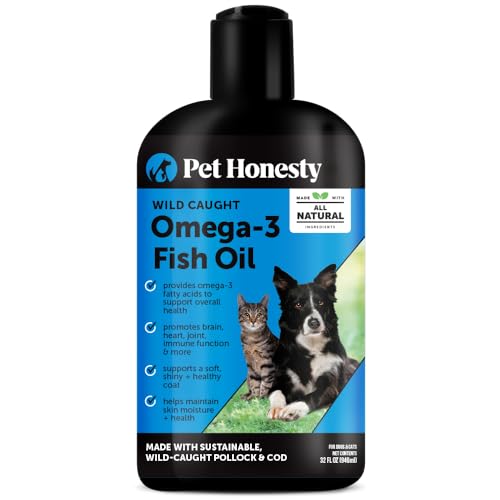
  • Best Budget: PetHonesty Omega-3 Fish Oil. An affordable option with 100% wild-caught anchovy and sardine oil.
  • Best Value Size: Vet’s Best Omega-3 Fish Oil. This liquid oil is sourced from wild-caught fish and is processed to remove heavy metals.
At a Glance

Quick Comparison

Quick answer

Our top pick is Zesty Paws Pure Wild Alaskan Salmon Oil. It’s a single-ingredient, cold-pressed oil with high omega-3s, easy to pump onto food, and comes in a BPA-free bottle. For owners on a budget, Nordic Naturals Omega-3 Pet Soft Gels offer excellent quality in a chewable form. If your dog has a sensitive stomach, try Grizzly Salmon Oil Plus, which includes probiotics.

What to consider for Dog Fish Oil For First Time Owners

First-time owners should focus on the source and purity of the fish oil. Wild-caught fish from cold waters (like salmon, anchovy, or sardine) are less likely to contain toxins. Look for oils that are molecularly distilled to remove heavy metals and PCBs. The form matters: liquid oils are easy to mix into food, but soft gels offer precise dosing. Check the omega-3 concentration (EPA and DHA) per serving; a typical daily dose for a medium dog is 500 to 1000 mg combined EPA and DHA. Avoid oils with added fillers or artificial flavors. Also consider the bottle size and shelf life; refrigerating after opening helps maintain freshness.

What to look for in a grooming product (shampoo, brush, clipper or wipe)

While fish oil is not a grooming product, first-time owners should still consider coat health. A good fish oil can improve skin and coat condition, reducing shedding and dandruff. When choosing a shampoo, look for a pH balanced formula (around 7) for dogs, with gentle, natural ingredients like oatmeal or aloe vera. Avoid harsh sulfates and parabens. For brushes, choose one suited to your dog’s coat type: a slicker brush for long hair, a bristle brush for short hair. Clippers should have ceramic or stainless steel blades that stay sharp and run quietly to avoid scaring nervous dogs. Wipes are convenient for quick cleanups between baths; choose alcohol-free, hypoallergenic wipes.

How we chose these picks

  • Evaluated omega-3 content per serving to ensure effective dosing
  • Checked sourcing: wild-caught fish from reputable fisheries
  • Verified purity through third-party testing for heavy metals and contaminants
  • Considered form (liquid, soft gel, chewable) for ease of use
  • Read customer reviews for palatability and digestive tolerance
  • Assessed value for money based on cost per dose
  • Preferred brands with clear labeling and no artificial additives
  • Never ranked a product higher just because it pays a commission

What to avoid

  • Human fish oil supplements: they may contain ingredients toxic to dogs, such as xylitol, and have different dosing
  • Oils from farmed fish: they often have lower omega-3 levels and higher contaminants
  • Products with added flavors or preservatives: these can cause stomach upset
  • Opaque bottles: light can degrade the oil; choose dark glass or opaque plastic
  • Expired oil: always check the expiration date; rancid oil is harmful

For more guidance, explore our dog guides and related topics: dog nutrition and dog health.

Why this matters

Wild-caught fish oils from cold-water species like salmon and anchovy typically have higher omega-3 concentrations and lower contaminant levels compared to farmed fish oils.

The Options

Types Explained

Liquid Fish Oil

Oil in a bottle with a pump or dropper. Easy to mix into food. Often more cost-effective per dose. Requires refrigeration after opening to maintain freshness.

Best for: Owners who want flexibility in dosing and have dogs that readily eat food with oil mixed in.

Soft Gel Capsules

Pre-measured gelatin capsules containing fish oil. No mess, no smell, and easy to store. Can be given whole or punctured to squeeze onto food.

Best for: Owners who prefer precise dosing and have dogs that accept pills hidden in treats.

Chewable Treats

Soft chews infused with fish oil and often other supplements like glucosamine. Convenient and palatable. Usually have lower omega-3 content per chew.

Best for: Picky dogs who refuse oil or pills, and owners who want a treat-like supplement.

Fish Oil with Added Probiotics

Combines omega-3s with probiotics to support gut health. May help reduce digestive upset. Often includes additional ingredients like vitamin E as a preservative.

Best for: Dogs with sensitive stomachs or those needing extra digestive support.
The Rankings

Top 5 Picks

#1
Zesty Paws Pure Wild Alaskan Salmon Oil
Best Overall

Zesty Paws Pure Wild Alaskan Salmon Oil

View on Amazon

This single-ingredient oil is cold-pressed from wild Alaskan salmon, providing high levels of EPA and DHA. The pump bottle makes dosing easy for first-time owners. However, it has a strong fishy smell that some dogs may dislike, and it requires refrigeration after opening.

#2
Nordic Naturals Omega-3 Pet Soft Gels
Best for Precise Dosing

Nordic Naturals Omega-3 Pet Soft Gels

View on Amazon

These soft gels deliver a measured dose of omega-3s from wild anchovy and sardine oil. They are ideal for owners who want to avoid messy liquids. The downside is that some dogs may refuse to eat the gels, and they are more expensive per dose than liquid oils.

#3
Grizzly Salmon Oil Plus
Best for Sensitive Stomachs

Grizzly Salmon Oil Plus

View on Amazon

This salmon oil includes probiotics and astaxanthin to support digestion and immune health. It's made from wild-caught Alaskan salmon. A limitation is that the added probiotics may not be necessary for all dogs, and the bottle size is smaller compared to others.

#4
PetHonesty Omega-3 Fish Oil
Best Budget

PetHonesty Omega-3 Fish Oil

View on Amazon

An affordable option with 100% wild-caught anchovy and sardine oil. It is molecularly distilled for purity and comes in a large bottle. However, the oil is less concentrated than some competitors, requiring a larger dose per serving, and the pump can be messy.

#5
Vet’s Best Omega-3 Fish Oil
Best Value Size

Vet’s Best Omega-3 Fish Oil

View on Amazon

This liquid oil is sourced from wild-caught fish and is processed to remove heavy metals. It offers a generous 32-ounce bottle at a competitive price. One trade-off is that it contains a natural lemon flavor to reduce odor, which some dogs may not like.

Before You Buy

Key Buying Factors

01

Omega-3 Concentration

Check the label for EPA and DHA content per serving. Higher concentration means fewer pumps or capsules needed. Aim for at least 500 mg combined EPA and DHA per teaspoon for a medium dog.

02

Purity and Testing

Look for oils that are molecularly distilled and third-party tested for heavy metals, PCBs, and dioxins. Brands that publish certificates of analysis offer transparency.

03

Form and Ease of Use

Liquid oils are easy to mix into food but can be messy. Soft gels provide precise dosing but some dogs refuse them. Chewable treats are convenient but often contain lower omega-3 levels.

04

Source and Sustainability

Wild-caught fish from cold waters (salmon, anchovy, sardine) are preferable. Sustainably sourced oils help protect ocean ecosystems. Farmed fish may have lower omega-3 and higher contaminants.

05

Palatability and Digestibility

Some oils have a strong fishy smell that dogs love, but others may cause loose stools. Starting with a low dose and gradually increasing can help. Probiotic blends may aid digestion.

Living With It

Care, Cost and Maintenance

Dosage Guidelines

Start with the recommended dose on the label based on your dog's weight. For liquid oils, a typical dose is 1 teaspoon per 20 to 30 pounds of body weight. Adjust as needed and monitor for loose stools, which may indicate too high a dose.

Storage and Freshness

Store fish oil in a cool, dark place. Refrigerate after opening to slow oxidation. Check the expiration date and discard if the oil smells rancid or changes color. Use within 60 to 90 days after opening.

Introducing to Your Dog

Start with a small amount mixed into your dog's regular food. Gradually increase to the full dose over a week. If your dog refuses the food, try a different form like soft gels or chews. Monitor for any allergic reactions.

Pro tip

To minimize fishy breath and burping, refrigerate the oil and give it with a meal rather than on an empty stomach.

Frequently asked questions

How often should I give my dog fish oil?
Fish oil can be given daily as a supplement. Most labels recommend one dose per day. Consistency is key for benefits like improved coat and joint health. If your dog experiences digestive upset, you can split the dose into morning and evening meals. Always follow the dosage instructions on the product label based on your dog's weight.
Can I give my dog human fish oil?
It's not recommended. Human fish oil supplements may contain additives like xylitol, which is toxic to dogs, or have different concentrations of omega-3s. They also lack species-specific dosing guidelines. Dog-specific fish oils are formulated to be safe and palatable for canines. Always choose a product made for dogs.
What are the benefits of fish oil for dogs?
Fish oil is rich in omega-3 fatty acids (EPA and DHA), which support skin and coat health, reduce inflammation, and promote joint, heart, and brain health. It can help with dry, itchy skin, reduce shedding, and improve coat shine. Some studies suggest benefits for dogs with arthritis or kidney disease. Consult your vet for specific health concerns.
How long does it take to see results from fish oil?
Visible improvements in coat and skin often appear within 4 to 8 weeks of daily supplementation. For joint or inflammatory benefits, it may take 2 to 3 months. Consistency is important. Effects vary by dog and the severity of the condition. If no improvement is seen after 3 months, consult your veterinarian.
Can fish oil cause side effects in dogs?
Possible side effects include fishy breath, loose stools, or vomiting, especially if given too much. Starting with a low dose and gradually increasing can minimize these. Rarely, fish oil can slow blood clotting, so avoid high doses before surgery. If your dog has a medical condition or is on medication, consult your vet before starting supplements.
Is fish oil safe for puppies?
Yes, fish oil is generally safe for puppies, but dosing should be adjusted for their weight. Omega-3s support brain and vision development. Choose a product specifically labeled for puppies or all life stages. Start with a small dose and monitor for any digestive issues. Always consult your vet before adding supplements to a puppy's diet.
What is the best form of fish oil for dogs?
The best form depends on your dog's preferences and your convenience. Liquid oil is easy to mix into food and is often the most cost-effective. Soft gels allow precise dosing and minimal mess. Chewable treats are great for picky dogs but usually have lower omega-3 levels. Choose a form that your dog will accept consistently.
How should I store fish oil?
Store fish oil in a cool, dark place away from heat and light. After opening, refrigerate to slow oxidation and extend shelf life. Always close the bottle tightly. Check the expiration date and discard if the oil smells rancid or has changed color. Most oils should be used within 60 to 90 days after opening.
Can I mix fish oil with my dog's food?
Yes, mixing fish oil with food is the easiest way to give it. Add the recommended dose to your dog's wet or dry food and stir well. Some dogs may refuse food if the oil is too strong; start with a small amount and gradually increase. For soft gels, you can puncture the capsule and squeeze the oil onto food.
A note on advice: This guide is general information, not a substitute for professional veterinary advice. Talk to your vet before changing your pet's diet or care routine, especially if your pet has allergies, kidney disease, pancreatitis, obesity, heart disease or any other medical condition.
Transparency

How we made this guide

How we chose. We compared the options on the factors that matter most for Dog Care Products, using manufacturer specifications, aggregated verified owner reviews and editorial comparison. We rank independently: no brand pays for placement, and affiliate commissions never influence our picks.

How it was written. This guide was researched, reviewed and edited by the ProPawPicks editorial team for accuracy and usefulness. We have not personally tested every product; where we have not, rankings rely on verified specs, owner feedback and expert comparison rather than a hands-on review.

Affiliate disclosure. ProPawPicks is reader-supported. If you buy through links on our site, we may earn a commission at no extra cost to you. See our affiliate disclosure.

Keep Reading

More Dog Care Products guides

Stop Wasting Treats: 5 Best Interactive Dog Cameras 2026View picks →Interactive Dog Toys, ComparedView picks →Picking Invisible Dog Fence for AllergiesView picks →2026 Puppy Fence Guide: 5 Top Invisible Dog Fences ReviewedView picks →Invisible Dog Fence for Sensitive Stomachs: 2026 Top Pick ReviewedView picks →Best Invisible Dog Fence for Small Dogs 2026: 5 Top Picks ReviewedView picks →

Sources and further reading

Some links below are affiliate links. If you buy through them we may earn a small commission at no extra cost to you. Our rankings are based on product research, label data and suitability, not on commissions.