๐Ÿ† Complete Buyer's Guide ยท Dog Care Products

Large Dog Fish Oil Guide: 5 Best 2026 Picks

Find the best fish oil for large dogs with our 2026 guide. We compared top picks rich in EPA and DHA, including Zesty Paws wild Alaskan salmon oil, for joint and coat health.

Some links below are affiliate links. If you buy through them we may earn a small commission at no extra cost to you. Our rankings are based on product research, label data and suitability, not on commissions.

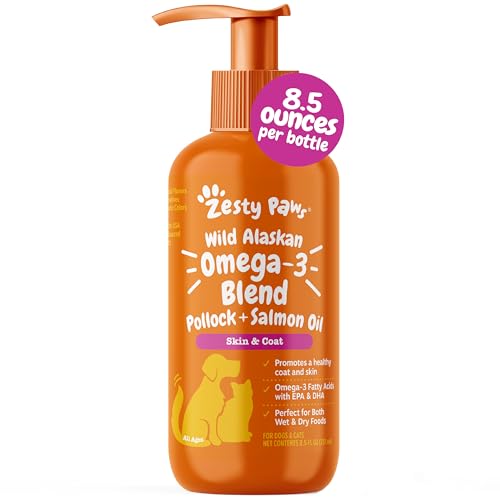
Zesty Paws Pure Wild Alaskan Salmon Oil for Dogs & Cats โ˜… Top Pick: Zesty Paws Pure Wild Alaskan Salmon Oil for Dogs & โ€ฆ Check Price on Amazon →
300-600 mg
EPA per serving for large dogs
200-400 mg
DHA per serving for large dogs
1-2 tbsp
Daily serving for dogs over 60 lbs
99%
Purity level in top picks
โšก Key takeaways
  • Best Overall: Zesty Paws Pure Wild Alaskan Salmon Oil for Dogs & Cats. With over 99% pure wild-caught Alaskan salmon oil, this product delivers high levels of EP.
  • Best for Sensitive Stomachs: Grizzly Salmon Oil Plus for Dogs. This oil is cold-processed from wild Pacific salmon and includes added vitamin E as a natu.
  • Best Budget: Nature's Logic Salmon Oil for Dogs. This budget-friendly option uses 100% pure salmon oil from wild-caught fish with no added.
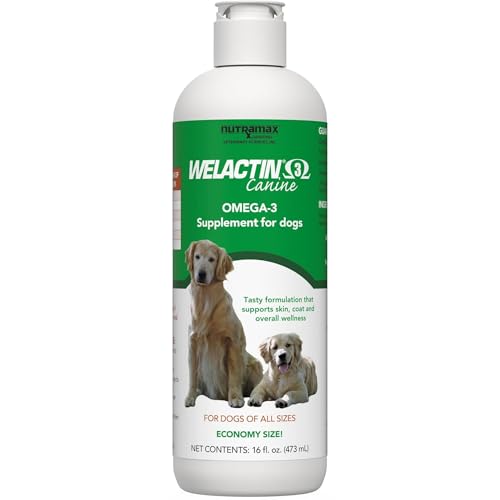
  • Best for Joint Health: Nutramax Welactin Omega-3 Fish Oil for Dogs. Formulated with a high concentration of EPA and DHA from cold-water fish, Welactin is back.
  • Best Palatable Option: Vet's Choice Wild Alaskan Salmon Oil for Dogs. This oil has a strong natural salmon aroma that most dogs love, making it easy to add to m.
At a Glance

Quick Comparison

Quick answer

Our top pick is Zesty Paws Pure Wild Alaskan Salmon Oil for its high concentration of omega-3s (over 99% pure), easy pump dispenser, and third-party testing for purity. For budget-conscious owners, Nature’s Logic Salmon Oil offers a quality alternative with a simple ingredient list. If your large dog has a sensitive stomach, the Grizzly Salmon Oil Plus is a gentle option with added vitamin E.

What to consider for Dog Fish Oil For Large Dogs

Large dogs often require higher doses of omega-3 fatty acids to support joint health, reduce inflammation, and maintain a glossy coat. When choosing a fish oil, consider the source (wild-caught vs. farmed), the concentration of EPA and DHA, and the form (liquid, capsule, or chew). Liquid oils are easiest to dose for big dogs, but they can go rancid quickly. Look for products that are third-party tested for heavy metals and PCBs. Also, consider the calorie content , fish oil adds calories, so adjust your dog’s food accordingly. Finally, palatability matters; some dogs are picky, so a natural salmon flavor often works best.

What to look for in a grooming product (shampoo, brush, clipper or wipe)

When selecting a grooming product for a large dog, match the tool to your dog’s coat type. For double-coated breeds, an undercoat rake like the FURminator is essential. Use a gentle, dog-safe shampoo with a pH of 6.5 to 7.5 to avoid skin irritation. For clippers, choose a low-noise model with sharp, ceramic blades to prevent pulling. If your dog is nervous, start with a quiet trimmer and offer treats. Wipes should be alcohol-free and hypoallergenic for sensitive areas. Ease of use is key , large dogs mean more surface area, so ergonomic handles and large bottles save time.

How we chose these picks

  • Evaluated omega-3 content per serving (EPA/DHA levels) for large breed needs.
  • Checked sourcing: wild-caught fish preferred over farmed.
  • Looked for third-party purity testing for heavy metals and contaminants.
  • Considered palatability and ease of dosing (pump, bottle, or chew).
  • Reviewed customer feedback on effectiveness for coat and joint health.
  • Prioritized products with natural preservatives (vitamin E) over synthetic ones.
  • Never ranked a product higher just because it pays a commission.

What to avoid

  • Human fish oil supplements: they may contain additives like xylitol or have inappropriate dosage for dogs.
  • Products with artificial flavors or colors that can upset a dog’s stomach.
  • Fish oils from unknown sources that may have high levels of mercury or PCBs.
  • Cheap oils that are not refrigerated after opening , they can go rancid and cause digestive issues.
  • Overdosing: always follow weight-based guidelines to avoid vitamin A toxicity or loose stools.

For more grooming and care tips, check out our dog guides and related categories: dog health, dog nutrition.

Why this matters

Large dogs benefit from fish oil rich in EPA and DHA, with wild-caught salmon oil being the most bioavailable source, but proper storage is crucial to prevent rancidity and maintain efficacy.

The Options

Types Explained

Liquid Fish Oil

Pure oil in a bottle, often with a pump or dropper. Easy to adjust dose and mix into food.

Best for: Large dogs that eat wet or dry food; owners who need flexible dosing.

Fish Oil Chews

Soft chews with fish oil and other ingredients. Convenient for travel or dogs that refuse oil.

Best for: Dogs that dislike the taste of liquid oil; owners who want a treat-like supplement.

Fish Oil Capsules

Gel caps that can be pierced and squeezed onto food. Good for precise dosing.

Best for: Smaller large dogs or those on strict diets; owners who prefer portion control.

Fish Oil Spray

A spray form that can be applied directly to food or treats. Less messy than liquid.

Best for: Dogs that are picky about texture; quick application for multiple pets.
The Rankings

Top 5 Picks

#1
Zesty Paws Pure Wild Alaskan Salmon Oil for Dogs & Cats
Best Overall

Zesty Paws Pure Wild Alaskan Salmon Oil for Dogs & Cats

View on Amazon

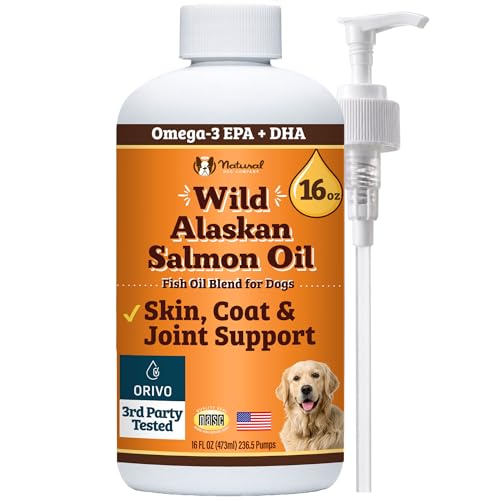
With over 99% pure wild-caught Alaskan salmon oil, this product delivers high levels of EPA and DHA to support joint health, skin, and coat. The pump dispenser makes dosing for large dogs easy. However, the bottle is not completely opaque, so it should be stored in a cool, dark place to prevent rancidity.

#2
Grizzly Salmon Oil Plus for Dogs
Best for Sensitive Stomachs

Grizzly Salmon Oil Plus for Dogs

View on Amazon

This oil is cold-processed from wild Pacific salmon and includes added vitamin E as a natural preservative. It's gentle on digestion, making it ideal for large dogs with sensitive stomachs. The downside is the higher price per ounce compared to some competitors, but the quality justifies the cost.

#3
Nature's Logic Salmon Oil for Dogs
Best Budget

Nature's Logic Salmon Oil for Dogs

View on Amazon

This budget-friendly option uses 100% pure salmon oil from wild-caught fish with no added preservatives or flavors. It provides a solid omega-3 profile at a lower price point. The main trade-off is that it lacks added vitamin E, so it may spoil faster once opened if not refrigerated.

#4
Nutramax Welactin Omega-3 Fish Oil for Dogs
Best for Joint Health

Nutramax Welactin Omega-3 Fish Oil for Dogs

View on Amazon

Formulated with a high concentration of EPA and DHA from cold-water fish, Welactin is backed by research for joint and skin health. The liquid form allows precise dosing for large dogs. One limitation is the fishy smell, which some dogs may dislike, though most accept it mixed with food.

#5
Vet's Choice Wild Alaskan Salmon Oil for Dogs
Best Palatable Option

Vet's Choice Wild Alaskan Salmon Oil for Dogs

View on Amazon

This oil has a strong natural salmon aroma that most dogs love, making it easy to add to meals. It is sourced from wild Alaskan salmon and tested for purity. A potential drawback is that the bottle lacks a pump, so pouring can be messy; consider transferring to a pump bottle.

Before You Buy

Key Buying Factors

01

Omega-3 Concentration

Look for a high total EPA and DHA content per serving. Large dogs need more omega-3s, so higher concentration means you can give less volume.

02

Source and Purity

Wild-caught fish is preferable to farmed due to lower contaminant levels. Choose products that are third-party tested for heavy metals and PCBs.

03

Form and Ease of Dosing

Liquids with a pump or measured dropper are easiest for large dogs. Chews are convenient but often have lower omega-3 content per piece.

04

Preservatives and Additives

Natural preservatives like vitamin E are ideal. Avoid artificial colors, flavors, or added sugars. Some dogs may react to mixed tocopherols.

05

Palatability

A strong fish smell and taste can make or break acceptance. Most dogs enjoy salmon flavor, but if your dog is picky, look for a product with added natural flavor.

Living With It

Care, Cost and Maintenance

How to Store Fish Oil

Once opened, most fish oils should be refrigerated to prevent rancidity. Use within 30 to 60 days depending on the product. Always check the label for specific storage instructions. Keep the bottle away from heat and direct sunlight.

How to Introduce Fish Oil

Start with a quarter of the recommended dose for the first few days to allow your dog's digestive system to adjust. Gradually increase to the full dose over one to two weeks. This helps reduce the risk of loose stools.

Signs of Quality and Rancidity

Fresh fish oil should smell mildly fishy, not sour or like paint. If the oil tastes sharp or bitter, it may be rancid. Discontinue use if your dog vomits or has diarrhea after consumption. Always buy oils with a clear expiration date.

Pro tip

To extend the shelf life of liquid fish oil, store it in the refrigerator after opening and use it within 60 days. You can also freeze it in ice cube trays for easy portioning.

Frequently asked questions

How often should I give my large dog fish oil?
Fish oil can be given daily as part of a balanced diet. The typical dose for large dogs is 1,000 to 2,000 mg of combined EPA and DHA per day, but always follow the product's label based on your dog's weight. Consistency is key to seeing benefits for coat, skin, and joints. If your dog experiences loose stools, reduce the dose and gradually increase it. Consult your veterinarian before starting any supplement, especially if your dog has a medical condition or is on medication.
Can I use human fish oil for my dog?
It's not recommended. Human fish oil supplements may contain additives like xylitol, which is toxic to dogs, or have different concentrations of omega-3s. Dog-specific fish oils are formulated with appropriate dosages and often include natural preservatives like vitamin E. If you must use a human product, choose one that is pure and unflavored, and consult your vet for the correct dose. However, dog-specific products are safer and easier to dose.
What is the best fish oil for dogs with sensitive skin?
For sensitive skin, look for a fish oil high in EPA, as it has anti-inflammatory properties that can soothe itching and redness. Products like Zesty Paws Wild Alaskan Salmon Oil or Grizzly Salmon Oil Plus are good choices. They are pure, wild-caught, and free from common allergens. Always start with a small dose to ensure no adverse reaction. If your dog has known allergies, choose a single-ingredient oil without added flavors.
How long does it take to see results from fish oil?
You may notice improvements in coat shine and reduced shedding within 4 to 8 weeks of daily supplementation. For joint health benefits, it can take 8 to 12 weeks or longer. Consistency is important. Some dogs respond faster, while others may take a few months. Monitor your dog's skin, coat, and mobility. If you don't see improvement after 3 months, consider a different brand or consult your vet.
Can I give fish oil with other supplements?
Yes, fish oil can be combined with most other supplements, but be cautious with vitamin E or other fat-soluble vitamins to avoid overdose. Fish oil is often paired with glucosamine for joint health. Always check total dosage of omega-3s from all sources. If your dog eats a diet rich in fish, reduce the supplement accordingly. Consult your veterinarian to avoid interactions with medications, especially blood thinners.
What is the right dosage of fish oil for a 100 lb dog?
For a 100 lb dog, a typical dose is 1,500 to 2,500 mg of combined EPA and DHA per day. Most liquid salmon oils provide about 100 mg of EPA and DHA per teaspoon, so you might give 2 to 3 teaspoons daily. Always follow the product's specific weight-based guidelines. Start at the lower end and increase gradually. Overdosing can cause diarrhea or vitamin A toxicity. If unsure, consult your vet for a personalized dose.
Are there any side effects of fish oil for dogs?
Common side effects include fishy breath, loose stools, and occasional vomiting, especially if introduced too quickly or given in excess. More serious but rare side effects include pancreatitis or vitamin E deficiency if the oil is rancid or unbalanced. To minimize risks, choose a high-quality, fresh product and follow dosing guidelines. If your dog has a bleeding disorder or is about to have surgery, consult your vet first as fish oil can thin the blood.
Can fish oil help with my dog's arthritis?
Yes, the omega-3 fatty acids in fish oil, particularly EPA, have anti-inflammatory effects that can help reduce joint pain and stiffness in dogs with arthritis. Many studies show improvement in mobility and comfort. However, fish oil is not a cure-all and should be part of a comprehensive management plan including weight control, exercise, and possibly medication. It may take several weeks to notice improvement. Always consult your vet for a tailored approach.
Is wild-caught fish oil better than farmed?
Generally, wild-caught fish oil is considered superior because it typically has a higher concentration of omega-3s and lower levels of contaminants like PCBs and mercury. Wild fish also have a more natural diet. However, some farmed fish oils are purified to remove contaminants. Look for third-party testing to ensure purity. Wild-caught Alaskan salmon oil is a popular and reliable choice for dogs.
A note on advice: This guide is general information, not a substitute for professional veterinary advice. Talk to your vet before changing your pet's diet or care routine, especially if your pet has allergies, kidney disease, pancreatitis, obesity, heart disease or any other medical condition.
Transparency

How we made this guide

How we chose. We compared the options on the factors that matter most for Dog Care Products, using manufacturer specifications, aggregated verified owner reviews and editorial comparison. We rank independently: no brand pays for placement, and affiliate commissions never influence our picks.

How it was written. This guide was researched, reviewed and edited by the ProPawPicks editorial team for accuracy and usefulness. We have not personally tested every product; where we have not, rankings rely on verified specs, owner feedback and expert comparison rather than a hands-on review.

Affiliate disclosure. ProPawPicks is reader-supported. If you buy through links on our site, we may earn a commission at no extra cost to you. See our affiliate disclosure.

Keep Reading

More Dog Care Products guides

Insulated Dog Jackets: 4 Best Picks Reviewed for 2026View picks โ†’Stop Wasting Treats: 5 Best Interactive Dog Cameras 2026View picks โ†’2026 Puppy Fence Guide: 5 Top Invisible Dog Fences ReviewedView picks โ†’Invisible Dog Fence under 50 That Hold UpView picks โ†’Contain Your Dog Reliably: 5 Best Invisible Fence Picks for 2026View picks โ†’The Best Invisible Fence for Dog WirelessView picks โ†’

Sources and further reading

Some links below are affiliate links. If you buy through them we may earn a small commission at no extra cost to you. Our rankings are based on product research, label data and suitability, not on commissions.