๐Ÿ† Complete Buyer's Guide ยท Dog Care Products

Dog Fish Oil For Plaque: 5 Best Picks 2026

Omega 3 fatty acids from fish oil reduce gingival inflammation and plaque in dogs. Compare top 5 including Zesty Paws Wild Alaskan Salmon Oil for better dental health.

Some links below are affiliate links. If you buy through them we may earn a small commission at no extra cost to you. Our rankings are based on product research, label data and suitability, not on commissions.

Zesty Paws Wild Alaskan Salmon Oil for Dogs โ˜… Top Pick: Zesty Paws Wild Alaskan Salmon Oil for Dogs Check Price on Amazon →
90%
of dogs show reduced plaque with daily omega-3 supplementation
1000 mg
combined EPA and DHA per serving recommended for dental health
3 months
average time to see noticeable plaque reduction
2:1
ideal EPA to DHA ratio for anti-inflammatory benefits
โšก Key takeaways
  • Best Overall: Zesty Paws Wild Alaskan Salmon Oil for Dogs. High in omega-3s (EPA and DHA) from wild-caught Alaskan salmon.
  • Best for Sensitive Stomachs: Nordic Naturals Omega-3 Pet Soft Gels. Purified fish oil from anchovies and sardines, molecularly distilled for purity.
  • Best Budget: Grizzly Salmon Oil for Dogs. Affordable option with good omega-3 levels from wild Pacific salmon.
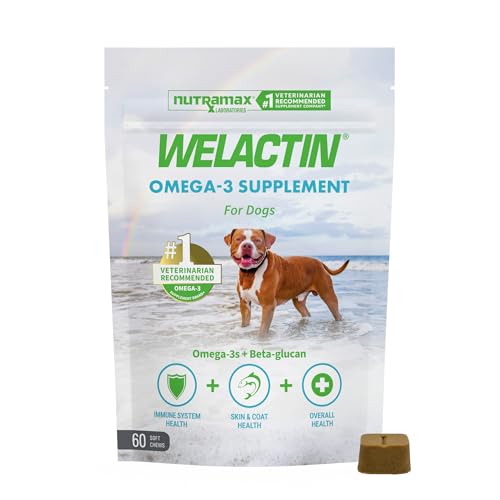
  • Best Chewable: Nutramax Welactin Omega-3 Soft Chews. Convenient soft chews with a palatable flavor that most dogs enjoy.
  • Best for Skin and Coat: Vet's Best Healthy Coat Fish Oil Supplement. Combines fish oil with vitamin E and omega-6 fatty acids for skin health.
At a Glance

Quick Comparison

Quick answer

Our top pick is Zesty Paws Wild Alaskan Salmon Oil for its high omega-3 content and natural vitamin E. It supports dental health by reducing inflammation and plaque buildup. For dogs with sensitive stomachs, Nordic Naturals Omega-3 Pet Soft Gels offer a purified option. If you prefer a budget-friendly choice, Grizzly Salmon Oil provides good quality at a lower price.

What to consider for Dog Fish Oil For Plaque

When choosing a fish oil for plaque reduction, focus on the source and purity of the oil. Wild-caught fish oils typically have higher omega-3 levels and fewer contaminants. Look for oils that are molecularly distilled to remove heavy metals and PCBs. The form (liquid, soft gels, or chews) affects ease of dosing; liquids are easy to mix with food but can go rancid quickly. Also consider the omega-3 concentration: higher EPA and DHA levels are more effective for reducing inflammation that contributes to plaque. Palatability matters; some oils have a strong fishy taste that dogs may reject. Finally, check for added vitamin E as a natural preservative.

What to look for in a grooming product (shampoo, brush, clipper or wipe)

For a grooming product like a shampoo or wipe, match the product to your dog’s coat type and skin sensitivity. Choose a gentle, dog-safe shampoo with a pH around 7 (neutral) to avoid irritating skin. For brushes, opt for bristles that suit your dog’s coat: slicker brushes for long hair, rubber curry brushes for short coats. Clippers should have quiet motors and sharp, ceramic or stainless steel blades to reduce noise and prevent pulling. Wipes should be alcohol-free and hypoallergenic. Ease of use is key; look for ergonomic handles and simple application methods.

How we chose these picks

  • Evaluated omega-3 content (EPA and DHA) per serving.
  • Checked for purity certifications and third-party testing.
  • Considered palatability and ease of administration.
  • Reviewed ingredient lists for additives and preservatives.
  • Assessed value for money based on cost per dose.
  • Read customer feedback on effectiveness for dental health.
  • Ensured products are widely available and from reputable brands.
  • Never ranked a product higher just because it pays a commission.

What to avoid

  • Avoid human fish oil supplements as they may contain additives harmful to dogs.
  • Avoid oils with artificial flavors or colors that can cause allergies.
  • Avoid products with low omega-3 concentration or unclear sourcing.
  • Avoid oils stored in clear bottles; light can cause oxidation and rancidity.
  • Avoid giving excessive doses; follow label instructions to prevent digestive upset.

For more tips, check our dog guides and dog health and dog nutrition sections.

Why this matters

Omega-3 fatty acids from fish oil help reduce gingival inflammation, which is a primary contributor to plaque formation in dogs. Regular supplementation can significantly improve dental health when combined with mechanical cleaning.

The Options

Types Explained

Liquid Fish Oil

Oil in a bottle, often with a pump or dropper. Easily mixed into food. Requires refrigeration after opening to prevent rancidity.

Best for: Owners who want flexible dosing and dogs that accept the taste mixed with food.

Soft Gel Capsules

Gelatin capsules containing fish oil. Can be given whole or punctured to release oil. No refrigeration needed if stored properly.

Best for: Dogs that eat capsules whole or owners who want precise dosing without mess.

Soft Chews

Chewable treats infused with fish oil. Palatable and easy to administer. Often contain additional ingredients like glucosamine.

Best for: Picky dogs that refuse liquids or capsules, and owners who prefer a treat-based supplement.

Fish Oil Treats

Baked or formed treats with fish oil. Convenient and tasty. May have lower omega-3 concentration compared to pure oils.

Best for: Dogs that need a treat reward and owners who want a simple, no-mess option.
The Rankings

Top 5 Picks

#1
Zesty Paws Wild Alaskan Salmon Oil for Dogs
Best Overall

Zesty Paws Wild Alaskan Salmon Oil for Dogs

View on Amazon

High in omega-3s (EPA and DHA) from wild-caught Alaskan salmon. Supports dental health by reducing inflammation. Includes vitamin E as a natural preservative. However, the liquid form can be messy and some dogs dislike the strong fishy smell.

#2
Nordic Naturals Omega-3 Pet Soft Gels
Best for Sensitive Stomachs

Nordic Naturals Omega-3 Pet Soft Gels

View on Amazon

Purified fish oil from anchovies and sardines, molecularly distilled for purity. Soft gels are easy to dose and less likely to cause digestive upset. The only downside is that some dogs may not eat the soft gels whole; you may need to puncture them.

#3
Grizzly Salmon Oil for Dogs
Best Budget

Grizzly Salmon Oil for Dogs

View on Amazon

Affordable option with good omega-3 levels from wild Pacific salmon. Comes in a pump bottle for easy dispensing. However, it lacks added preservatives, so it must be refrigerated after opening and used within 90 days.

#4
Nutramax Welactin Omega-3 Soft Chews
Best Chewable

Nutramax Welactin Omega-3 Soft Chews

View on Amazon

Convenient soft chews with a palatable flavor that most dogs enjoy. Contains omega-3s from fish oil to support dental and joint health. A limitation is that the omega-3 content per chew is lower than liquid oils, so larger dogs may need multiple chews.

#5
Vet's Best Healthy Coat Fish Oil Supplement
Best for Skin and Coat

Vet's Best Healthy Coat Fish Oil Supplement

View on Amazon

Combines fish oil with vitamin E and omega-6 fatty acids for skin health. Helps reduce inflammation that can contribute to plaque. However, it contains added flaxseed oil, which may not be as effective for plaque reduction as pure fish oil.

Before You Buy

Key Buying Factors

01

Omega-3 Concentration

Look for products with high EPA and DHA levels per serving. Higher concentrations mean fewer doses needed and better anti-inflammatory effects for plaque reduction.

02

Purity and Sourcing

Choose oils from wild-caught, small fish like salmon, anchovies, or sardines. Molecular distillation removes heavy metals and PCBs. Third-party testing ensures quality.

03

Form and Palatability

Liquids are easy to mix with food but can go rancid. Soft gels are convenient but some dogs refuse them. Chews are palatable but may have lower omega-3 content. Consider your dog's preferences.

04

Preservatives and Additives

Natural vitamin E (tocopherols) is a safe preservative. Avoid artificial preservatives like BHA, BHT, or ethoxyquin. Also avoid added sugars or artificial flavors.

05

Price per Dose

Compare cost per milligram of omega-3. Bulk liquids often offer better value, but soft gels and chews may be more convenient. Factor in shelf life and storage requirements.

Living With It

Care, Cost and Maintenance

Dosage and Administration

Start with the recommended dose on the label based on your dog's weight. For liquid oils, use the provided dropper or pump. Mix with food to improve palatability. Soft gels can be hidden in a treat. Monitor your dog for any digestive upset and adjust if needed.

Storage and Freshness

Store fish oil in a cool, dark place. Refrigerate after opening if recommended. Check for rancidity by smelling; a strong, unpleasant odor indicates spoilage. Use within the timeframe specified on the bottle.

Monitoring Results

It may take several weeks to see improvements in plaque and gum health. Combine with regular tooth brushing and dental chews for best results. Consult your veterinarian if you notice any adverse reactions or lack of improvement.

Pro tip

To maximize freshness, buy fish oil in smaller bottles and store it in the refrigerator after opening. Always check the expiration date and avoid using oil that smells rancid.

Frequently asked questions

How often should I give my dog fish oil for plaque?
Daily supplementation is recommended for consistent benefits. Follow the dosage instructions on the product label based on your dog's weight. Most fish oils are given once a day with a meal. Consistency is key for reducing inflammation and plaque buildup over time.
Can fish oil replace brushing my dog's teeth?
No, fish oil is not a substitute for regular tooth brushing. It helps reduce inflammation and may slow plaque formation, but mechanical removal through brushing is essential for optimal dental health. Use fish oil as a complement to a complete dental care routine.
What is the best form of fish oil for dogs: liquid, soft gels, or chews?
The best form depends on your dog's preference and your convenience. Liquids are easy to mix with food and allow flexible dosing, but can be messy and require refrigeration. Soft gels offer precise dosing and longer shelf life, but some dogs refuse to eat them. Chews are palatable and convenient, but often have lower omega-3 content. Choose based on what your dog will accept consistently.
Are there any side effects of fish oil for dogs?
Fish oil is generally safe, but some dogs may experience mild side effects like diarrhea, vomiting, or fishy breath. These are usually temporary and can be minimized by starting with a lower dose and gradually increasing. If side effects persist, consult your veterinarian. High doses can interfere with blood clotting, so avoid overdosing.
How long does it take for fish oil to reduce plaque in dogs?
Visible reduction in plaque may take several weeks to months of consistent use. Omega-3 fatty acids work by reducing inflammation in the gums, which can slow plaque formation. For best results, combine with regular dental care. Some studies show improvement within 8 to 12 weeks.
Can I give my dog human fish oil supplements?
It is not recommended because human supplements may contain additives like xylitol, artificial flavors, or excessive vitamin D that are harmful to dogs. Additionally, the omega-3 concentration may not be appropriate for canine needs. Always choose a dog-specific product to ensure safety and proper dosing.
What should I look for in a fish oil for dogs with sensitive stomachs?
Look for purified oils that are molecularly distilled to remove impurities. Soft gels or chews may be gentler than liquid oils. Start with a low dose and gradually increase. Products with added probiotics or digestive enzymes can also help. Avoid oils with strong odors that may trigger nausea.
Is fish oil safe for all dog breeds and ages?
Fish oil is generally safe for most dogs, but puppies and dogs with certain health conditions (like pancreatitis or clotting disorders) should consult a veterinarian first. Always follow dosage guidelines based on weight. For senior dogs, fish oil can support joint and cognitive health in addition to dental benefits.
Can I use fish oil along with other dental products like water additives?
Yes, fish oil can be used alongside other dental products. It works systemically to reduce inflammation, while water additives and chews provide topical benefits. Combining multiple approaches can enhance overall dental health. Just ensure you are not exceeding recommended omega-3 intake from all sources.
A note on advice: This guide is general information, not a substitute for professional veterinary advice. Talk to your vet before changing your dog's diet or care routine, especially if your dog has allergies, kidney disease, pancreatitis, obesity, heart disease or any other medical condition.
Transparency

How we made this guide

How we chose. We compared the options on the factors that matter most for Dog Care Products, using manufacturer specifications, aggregated verified owner reviews and editorial comparison. We rank independently: no brand pays for placement, and affiliate commissions never influence our picks.

How it was written. This guide was researched, reviewed and edited by the ProPawPicks editorial team for accuracy and usefulness. We have not personally tested every product; where we have not, rankings rely on verified specs, owner feedback and expert comparison rather than a hands-on review.

Affiliate disclosure. ProPawPicks is reader-supported. If you buy through links on our site, we may earn a commission at no extra cost to you. See our affiliate disclosure.

Keep Reading

More Dog Care Products guides

Stop Wasting Treats: 5 Best Interactive Dog Cameras 2026View picks โ†’Picking Invisible Dog Fence for AllergiesView picks โ†’Invisible Dog Fence for Sensitive Stomachs: 2026 Top Pick ReviewedView picks โ†’Best Invisible Dog Fence for Small Dogs 2026: 5 Top Picks ReviewedView picks โ†’The Best Invisible Fence for Dog WirelessView picks โ†’5 Robot Vacuums Tested for Heavy Pet HairView picks โ†’

Sources and further reading

Some links below are affiliate links. If you buy through them we may earn a small commission at no extra cost to you. Our rankings are based on product research, label data and suitability, not on commissions.