๐Ÿ† Complete Buyer's Guide ยท Dog Food

Finding the Best Dog Food for Cocker Spaniel

Cocker Spaniels gain weight easily. This shortlist compares top options like Royal Canin breed formula, plus portioning tips to keep your dog healthy.

Some links below are affiliate links. If you buy through them we may earn a small commission at no extra cost to you. Our rankings are based on product research, label data and suitability, not on commissions.

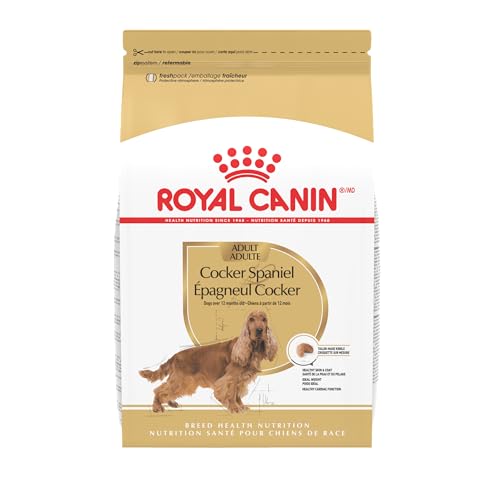
๐ŸพNew to the breed? Read our full Cocker Spaniel breed guide for temperament, care, health and lifespan. Royal Canin Cocker Spaniel Adult Dry Dog Food โ˜… Top Pick: Royal Canin Cocker Spaniel Adult Dry Dog Food Check Price on Amazon →
22 to 28%
Typical adult protein range (dry matter)
12 to 16%
Typical adult fat range (dry matter)
340 to 400
Calories per cup in common adult formulas
7 to 10 days
Recommended diet transition window
โšก Key takeaways
  • Best Overall: Royal Canin Cocker Spaniel Adult Dry Dog Food. This breed-specific adult formula is complete and balanced and uses a kibble shape designe.
  • Best for Sensitive Stomach: Hill's Science Diet Adult Sensitive Stomach & Skin Chicken. Built around chicken as a named first ingredient, this complete and balanced adult recipe.
  • Best Budget: Diamond Naturals Adult Real Meat Chicken & Rice. This grain-inclusive adult formula leads with real chicken as a named first ingredient and.
  • Best for Puppies: Royal Canin Medium Puppy Dry Dog Food. Formulated for the growth life stage of medium breed puppies, which suits a young Cocker,.
  • Best Grain-Inclusive: Purina Pro Plan Sensitive Skin & Stomach Salmon & Rice. This grain-inclusive adult formula leads with salmon, a named protein rich in natural omeg.
At a Glance

Quick Comparison

Quick answer

For most adult Cocker Spaniels, our editorial team rates Royal Canin Cocker Spaniel Adult Dry Dog Food as the top overall pick because it is formulated as a complete and balanced adult diet, uses a defined kibble shape that suits this breed’s jaw, and includes omega fatty acids that may help support the long ears and feathered coat Cockers are known for. If your dog has a sensitive stomach, Hill’s Science Diet Sensitive Stomach & Skin fits better. On a tighter budget, Diamond Naturals Adult delivers a named meat first ingredient for less. For puppies, choose Royal Canin Medium Puppy, and if you prefer a grain-inclusive whole-food style recipe, Purina Pro Plan Sensitive Skin & Stomach Salmon & Rice is a strong choice. Always confirm the right pick with your veterinarian for any dog with a medical condition.

What to consider for Dog Food For Cocker Spaniel

Cocker Spaniels are a medium sized breed that loves food, which means weight gain is a very real concern. Many Cockers will happily overeat, so calorie density and accurate portioning matter more than for some other breeds. Their long, low-hanging ears trap moisture and are prone to recurring ear issues, and they are also commonly associated with skin and coat sensitivities, so recipes with omega 3 and omega 6 fatty acids are worth prioritising. The breed can be predisposed to certain conditions, including some that affect the eyes, ears, and occasionally the heart, so steady, complete nutrition and a healthy body weight are practical goals. Their long feathered coat benefits from adequate quality protein and fat. Because food drive is high, measuring meals with a kitchen scale and limiting treats is often more important than the specific brand you pick. For any diagnosed condition, your veterinarian should guide the diet.

What to look for in a dog food

Start with an AAFCO complete and balanced statement for the correct life stage, either “adult maintenance” for grown Cockers or “growth” for puppies. Look for a named meat as the first ingredient, such as chicken, lamb, or salmon, rather than a vague “meat” or unnamed “meat meal.” For a typical adult Cocker, recipes in the range of roughly 22 to 28 percent protein and 12 to 16 percent fat on a dry matter basis are common and sensible for most healthy dogs, though your vet may advise different levels. Because Cockers gain weight easily, watch calorie density, often around 340 to 400 calories per cup, and portion to your dog’s actual body condition. Cockers are medium breed, so standard adult formulas usually suit them better than large or small breed specific lines. Recipes with omega fatty acids and sometimes glucosamine and chondroitin may help support skin, coat, and joints, though these are not guaranteed outcomes.

Find the right food for your dog’s needs

The picks above suit a healthy adult Cocker Spaniel. For a specific life stage or health need, use these focused guides.

Which food type is best?

Dry, wet, fresh, raw and dehydrated foods can all work for a Cocker Spaniel. The right one depends on your budget, your dog’s preferences and any health needs.

  • Dry: most economical and convenient, and the crunch helps clean teeth.
  • Wet: higher moisture and often more palatable, useful for fussy eaters or as a topper.
  • Fresh and gently cooked: minimally processed with recognisable ingredients, at a higher cost.
  • Raw and freeze-dried raw: high protein and minimally processed; handle safely and ask your vet first.

Getting the best value

The cheapest bag is not always the best value. A quality food that keeps your Cocker Spaniel lean, with a healthy coat and firm stools, often means fewer vet visits. Feed to a healthy body condition rather than the bag maximum, and choose a recipe built around quality animal protein.

How we chose these picks

  • We prioritised foods carrying an AAFCO complete and balanced statement for the correct life stage.
  • We favoured recipes that list a named animal protein, such as chicken, lamb, or salmon, as the first ingredient.
  • We checked protein, fat, and calorie levels against practical ranges suitable for a weight-prone medium breed.
  • We looked for established brands with consistent manufacturing and published nutritional information.
  • We reviewed publicly available FDA recall and advisory information for each brand before listing it.
  • We considered features relevant to Cockers specifically, such as omega fatty acids for skin, coat, and ear health.
  • We compared value across budget, mid range, and premium options so different households have a fit.
  • Never ranked a product higher just because it pays a commission.

What to avoid

  • Foods that list an unnamed “meat meal” as the only protein source, with no defined animal named.
  • Defaulting to grain-free or legume-heavy recipes by habit. The FDA investigation into a potential link between certain diets and canine dilated cardiomyopathy is ongoing, and grain-inclusive recipes are generally the safer default for most dogs unless your veterinarian advises otherwise.
  • Feeding an all-life-stages or large-breed puppy formula to the wrong dog. Match the life stage to your Cocker, and use a growth formula for puppies.
  • Abrupt diet switches. Transition over 7 to 10 days by gradually mixing in the new food to reduce the risk of stomach upset.

For more breed-specific feeding help, browse our dog guides, our dog food reviews, and our dog nutrition articles.

Why this matters

Cocker Spaniels are one of the more weight-prone breeds, and because they are highly food-motivated, accurate portioning and treat control often have a bigger impact on their health than the specific brand of food chosen.

The Options

Types Explained

Breed-specific adult dry food

Kibble formulated and shaped for the Cocker Spaniel, with nutrient profiles aimed at the breed's coat, ears, and weight tendencies.

Best for: Healthy adult Cockers whose owners want a tailored option and accept a premium price.

Sensitive stomach and skin formula

Gentler recipes built around easily digestible ingredients and added fatty acids to help support skin and coat.

Best for: Cockers with mild digestive upset or skin and coat concerns, confirmed with a vet.

Grain-inclusive everyday adult food

Standard complete and balanced adult recipes that use grains like rice and oatmeal alongside a named meat protein.

Best for: Most adult Cockers as a safe, budget-friendly default while DCM research is ongoing.

Medium breed puppy food

Growth life stage formulas with the calories and nutrients a young, developing Cocker needs.

Best for: Cocker puppies, transitioned to an adult food at the age your vet recommends.
The Rankings

Top 5 Picks

#1
Royal Canin Cocker Spaniel Adult Dry Dog Food
Best Overall

Royal Canin Cocker Spaniel Adult Dry Dog Food

View on Amazon

This breed-specific adult formula is complete and balanced and uses a kibble shape designed for the Cocker jaw, which can encourage chewing. It includes omega fatty acids that may help support the long ears and feathered coat this breed is known for, plus a calorie profile aimed at a weight-prone medium dog. The main trade-off is price, since this premium breed line costs more per pound than most general adult foods.

#2
Hill's Science Diet Adult Sensitive Stomach & Skin Chicken
Best for Sensitive Stomach

Hill's Science Diet Adult Sensitive Stomach & Skin Chicken

View on Amazon

Built around chicken as a named first ingredient, this complete and balanced adult recipe pairs easily digestible ingredients with vitamin E and omega 6 fatty acids that may help support skin and coat, a common Cocker concern. It is widely available and consistently formulated. The trade-off is that chicken is the primary protein, so it will not suit a Cocker with a confirmed chicken sensitivity, and you should confirm any food allergy with your veterinarian first.

#3
Diamond Naturals Adult Real Meat Chicken & Rice
Best Budget

Diamond Naturals Adult Real Meat Chicken & Rice

View on Amazon

This grain-inclusive adult formula leads with real chicken as a named first ingredient and carries a complete and balanced statement, offering solid everyday nutrition at a noticeably lower price per pound. It includes added omega fatty acids and probiotics. The trade-off is that it is a broad general-purpose adult food rather than a breed-tuned recipe, so portioning carefully matters even more for a food-motivated Cocker prone to weight gain.

#4
Royal Canin Medium Puppy Dry Dog Food
Best for Puppies

Royal Canin Medium Puppy Dry Dog Food

View on Amazon

Formulated for the growth life stage of medium breed puppies, which suits a young Cocker, this complete and balanced recipe supports developing immune health and digestion with an appropriate calorie and nutrient profile. The kibble size fits smaller puppy mouths. The trade-off is that it is a medium-breed growth food rather than a Cocker-specific line, and puppies must be transitioned to an adult formula at the right age on your veterinarian's guidance.

#5
Purina Pro Plan Sensitive Skin & Stomach Salmon & Rice
Best Grain-Inclusive

Purina Pro Plan Sensitive Skin & Stomach Salmon & Rice

View on Amazon

This grain-inclusive adult formula leads with salmon, a named protein rich in natural omega 3 fatty acids that may help support the skin and coat health Cockers often struggle with. It is complete and balanced and includes oatmeal and rice for easier digestion. The trade-off is that fish-based recipes have a stronger aroma some owners dislike, and the salmon base means it is not ideal if your dog reacts to fish proteins.

Before You Buy

Key Buying Factors

01

AAFCO life stage statement

Confirm the bag carries an AAFCO complete and balanced statement for the right life stage, adult maintenance for grown Cockers or growth for puppies, so the food can serve as a full diet.

02

Named meat first

Choose recipes that name a specific animal protein like chicken, lamb, or salmon as the first ingredient, rather than a vague meat or unnamed meat meal.

03

Calorie density and weight control

Cockers gain weight easily, so check calories per cup and portion to body condition. A food that is easy to over-serve can quietly push a food-loving Cocker into excess weight.

04

Skin, coat, and ear support

Omega 3 and omega 6 fatty acids may help support the skin, feathered coat, and ear health that this breed commonly struggles with, though they are not a guaranteed fix for medical issues.

05

Brand consistency and recalls

Favour established brands with published nutrition data and a clean recent record on the FDA recall and advisory pages, which adds a layer of trust for a primary daily diet.

Living With It

Care, Cost and Maintenance

Measure every meal

Use a kitchen scale or a proper measuring cup and follow the feeding chart for your dog's target weight, not their current weight, since Cockers gain weight quickly when meals are eyeballed.

Transition foods slowly

Switch diets over 7 to 10 days by gradually increasing the new food and decreasing the old, which reduces the chance of stomach upset and lets you watch for any reaction.

Keep ears and feeding area clean

Cockers' long ears can dip into food and water, so clean bowls daily and check ears regularly. Pair good nutrition with routine grooming, and see your vet for any persistent ear or skin issue.

Pro tip

Weigh your Cocker's food with a kitchen scale rather than scooping by eye, and base the amount on your dog's target healthy weight, since this breed adds pounds quickly when meals creep up.

Frequently asked questions

How much should I feed a Cocker Spaniel?
Most adult Cocker Spaniels weigh roughly 20 to 30 pounds and eat somewhere around 1 to 1.5 cups of dry food daily, split into two meals, but the right amount depends on the specific food's calorie density, your dog's activity, and body condition. Always start with the feeding chart on the bag for your dog's target weight, then adjust based on whether your dog gains or loses. Because Cockers are food-motivated and gain weight easily, measuring portions with a scale or measuring cup matters. For any weight or medical concern, ask your veterinarian to set a precise amount.
How many calories does a Cocker Spaniel need each day?
A typical adult Cocker Spaniel needs roughly 600 to 900 calories per day, but this varies widely with age, neuter status, activity level, and metabolism. Active younger dogs sit at the higher end, while older or less active dogs and easy keepers need fewer. Since many adult dry foods provide around 340 to 400 calories per cup, that often works out to about 1 to 1.5 cups daily. Treats should stay under roughly 10 percent of daily calories. These figures are general estimates only, so your veterinarian should calculate exact needs for a dog that is overweight, underweight, or managing a health condition.
Is grain-free food safe for Cocker Spaniels?
For most Cocker Spaniels, a grain-inclusive food is the sensible default. The FDA has an ongoing investigation into a potential link between certain diets, often grain-free and legume-heavy recipes, and canine dilated cardiomyopathy, a serious heart condition. The investigation has not established a definitive cause, but until more is known, our editorial team suggests grain-inclusive recipes with named meats unless your veterinarian specifically recommends grain-free for a diagnosed allergy or medical reason. Grains like rice and oatmeal are digestible for most dogs. If your Cocker shows signs of a food sensitivity, work with your vet rather than switching to grain-free on your own.
When should a Cocker Spaniel puppy switch to adult food?
Cocker Spaniel puppies should eat a food labelled for the growth life stage, ideally a medium breed puppy formula, until they reach adult size. Most Cockers approach their adult body size somewhere around 10 to 12 months of age, which is a common time to transition, but the exact timing depends on the individual dog. Switch gradually over 7 to 10 days to avoid stomach upset. Feeding a growth formula too long can add unwanted calories to a breed already prone to weight gain, while switching too early may shortchange a developing puppy. Your veterinarian can confirm the best timing for your specific puppy.
What food is best for an overweight Cocker Spaniel?
Cocker Spaniels are very prone to weight gain, so an overweight dog usually benefits from careful portion control first, then possibly a lower calorie or weight management formula. Look for a complete and balanced food with controlled calories and adequate protein to help maintain muscle while losing fat, and measure every meal precisely. Cutting back on treats and table scraps often matters more than the brand itself. Increase gentle exercise gradually. Because rapid or improper weight loss can be unsafe, and excess weight can worsen joint and other health issues, ask your veterinarian to set a target weight and a feeding plan before starting any diet change.
What is the best food for a senior Cocker Spaniel?
Senior Cocker Spaniels generally do well on a complete and balanced food formulated for older or mature dogs, which often has moderate calories to prevent weight gain as activity drops, plus quality protein to help maintain muscle. Some senior formulas add omega fatty acids and joint supporting ingredients like glucosamine, which may help, though they are not guaranteed to treat any condition. Watch for changes in appetite, weight, or stool, since these can signal health issues common in older dogs. Dental health also affects eating, so softer food or wet food may help some seniors. Have your veterinarian guide diet choices for any age-related medical condition.
Are breed-specific foods worth it for a Cocker Spaniel?
Cocker Spaniels are a medium sized breed, so a quality complete and balanced standard adult food usually meets their needs well. Breed-specific formulas, like dedicated Cocker Spaniel lines, add features such as a tailored kibble shape and fatty acid blends aimed at the breed's coat and ear tendencies, which some owners value. They tend to cost more per pound. They are a reasonable choice if you want a tailored option and accept the premium, but they are not strictly necessary. The most important factors are an AAFCO statement for the right life stage, a named meat first, and careful portioning to keep your Cocker at a healthy weight.
Is dry or wet food better for a Cocker Spaniel?
Both dry and wet foods can be appropriate for a Cocker Spaniel as long as they are complete and balanced for the right life stage. Dry kibble is convenient, more affordable, and may help reduce plaque slightly through chewing. Wet food has higher moisture, can be more palatable, and may suit dogs with dental issues or low water intake, though it tends to cost more and spoils faster once opened. Some owners mix the two. Be mindful that wet food can be calorie dense, and a Cocker's long ears may dip into it, so clean bowls and ears regularly. Choose based on your dog's preference, health, and your budget.
Can the right food help my Cocker Spaniel's ears and coat?
A complete and balanced diet with adequate quality protein and omega 3 and omega 6 fatty acids may help support the skin, the feathered coat, and overall ear health that Cocker Spaniels commonly struggle with, but food alone is not a cure. Cockers' long, low-hanging ears trap moisture and are prone to recurring ear issues, which often need routine cleaning and veterinary care rather than just a diet change. If your dog has chronic ear infections, itchy skin, or a dull coat, these can signal allergies, infections, or other conditions. See your veterinarian to find the cause, and treat diet as one supportive part of a fuller care routine.
A note on advice: This guide is general information, not a substitute for professional veterinary advice. Talk to your vet before changing your dog's diet or care routine, especially if your dog has allergies, kidney disease, pancreatitis, obesity, heart disease or any other medical condition.
Transparency

How we made this guide

How we chose. We compared the options on the factors that matter most for Dog Food, using manufacturer specifications, aggregated verified owner reviews and editorial comparison. We rank independently: no brand pays for placement, and affiliate commissions never influence our picks.

How it was written. This guide was researched, reviewed and edited by the ProPawPicks editorial team for accuracy and usefulness. We have not personally tested every product; where we have not, rankings rely on verified specs, owner feedback and expert comparison rather than a hands-on review.

Affiliate disclosure. ProPawPicks is reader-supported. If you buy through links on our site, we may earn a commission at no extra cost to you. See our affiliate disclosure.

Keep Reading

More Dog Food guides

Interactive Dog Toys for Boredom: Our ShortlistView picks โ†’Interactive Dog Toys, ComparedView picks โ†’Invisible Dog Fence for Large Dogs: 5 Best Picks (2026)View picks โ†’2026 Puppy Fence Guide: 5 Top Invisible Dog Fences ReviewedView picks โ†’Invisible Dog Fence for Sensitive Stomachs: 2026 Top Pick ReviewedView picks โ†’Which Invisible Dog Fence Is Best? 5 Top Picks (2026)View picks โ†’

Sources and further reading

Some links below are affiliate links. If you buy through them we may earn a small commission at no extra cost to you. Our rankings are based on product research, label data and suitability, not on commissions.