๐Ÿ† Complete Buyer's Guide ยท Dog Food

The Best Dog Food for Frenchton

Frenchtons need flat-faced friendly kibble. We compare 5 top picks including Royal Canin French Bulldog Adult, sized to slow eating and reduce gas.

Some links below are affiliate links. If you buy through them we may earn a small commission at no extra cost to you. Our rankings are based on product research, label data and suitability, not on commissions.

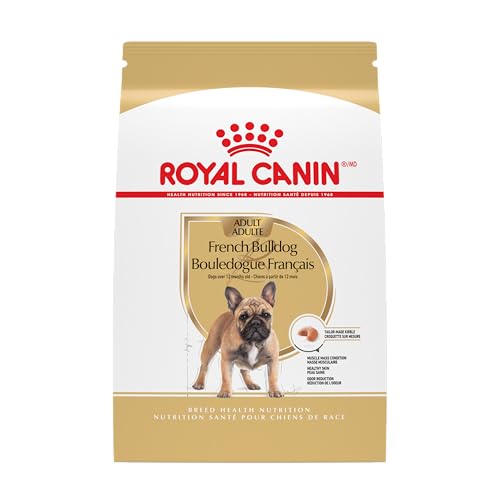
Royal Canin French Bulldog Adult Dry Dog Food โ˜… Top Pick: Royal Canin French Bulldog Adult Dry Dog Food Check Price on Amazon →
16 to 28 lb
Typical adult Frenchton weight
350 to 420
Sensible calories per cup for portion control
22 to 30%
General adult protein target (dry matter)
7 to 10 days
Recommended diet transition window
โšก Key takeaways
  • Best Overall: Royal Canin French Bulldog Adult Dry Dog Food. This breed-specific kibble uses a smaller, ridged shape designed for the short, undershot.
  • Best for Sensitive Stomach: Hill's Science Diet Adult Sensitive Stomach and Skin. Built around chicken as a named first ingredient, this recipe pairs an easily digestible f.
  • Best Budget: Diamond Naturals Small Breed Adult Chicken and Rice. This small breed recipe leads with real chicken, includes guaranteed probiotics, and offer.
  • Best for Puppies: Royal Canin French Bulldog Puppy Dry Dog Food. For a Frenchton under one year, this growth-stage formula provides the calorie and nutrien.
  • Best Grain-Inclusive: Merrick Real Texas Beef and Sweet Potato Recipe. This grain-inclusive recipe leads with deboned beef as a single named animal protein and a.
At a Glance

Quick Comparison

Quick answer

For most Frenchtons, our top pick is Royal Canin French Bulldog Adult Dry Dog Food, because its smaller, ridged kibble is shaped for the short, undershot jaw common to flat-faced breeds, it carries an AAFCO complete and balanced statement for adult maintenance, and its calorie density is moderate enough to help owners manage the weight gain Frenchtons are prone to. If your Frenchton has a sensitive stomach or recurring loose stools, Hill’s Science Diet Adult Sensitive Stomach and Skin fits better. On a tighter budget, Diamond Naturals Small Breed Adult delivers a named meat first ingredient at a lower cost per pound. For puppies under one year, choose Royal Canin French Bulldog Puppy, and if you want a grain-inclusive recipe with a single novel protein, Merrick Real Texas Beef and Sweet Potato is our pick. Always confirm any diet change with your veterinarian, especially if your dog has a medical condition.

What to consider for Dog Food For Frenchton

A Frenchton is a small, stocky crossbreed, usually 16 to 28 pounds, that inherits the brachycephalic (flat-faced) build of both parent breeds. That short muzzle changes how your dog picks up and chews kibble, so a smaller or specially shaped piece is often easier to eat and may reduce gulping, which in turn can reduce the air swallowing that contributes to gas and bloating. Frenchtons also tend to gain weight easily, and extra pounds put added strain on their breathing and joints, so portion control and a sensible calorie density matter more than for many breeds.

Skin and digestive sensitivity show up frequently in this line, so some owners do better with a limited or single named protein and an added omega source. Because Frenchtons are a small to medium breed rather than a giant one, large breed puppy formulas are not the right fit; a small breed or breed-specific recipe suits them better. None of this replaces individual veterinary guidance, since allergies, skin conditions, and stomach issues can have many causes that need a professional diagnosis.

What to look for in a dog food

Start with the label. Look for an AAFCO complete and balanced statement for the correct life stage, adult maintenance for grown dogs and growth for puppies, since that is your assurance the food can serve as a full diet rather than a topper. Check that the first ingredient is a named meat such as chicken, beef, lamb, or salmon, rather than a vague “meat” or an unnamed by-product as the sole protein.

For a typical adult Frenchton, a sensible target is roughly 22 to 30 percent protein and 12 to 18 percent fat on a dry matter basis, with calories in the area of 350 to 420 per cup so portions stay easy to manage; these are general planning ranges, not medical rules, and your vet may advise different numbers for your dog. Favor a recipe labeled for small breed or one with a smaller kibble, and look for joint and skin support such as added omega 3 fatty acids, glucosamine, or chondroitin, which may help support comfort in a stocky, compact dog. Treat any single food as one part of a plan you confirm with your veterinarian.

How we chose these picks

  • We compared products using publicly available manufacturer information, ingredient panels, and guaranteed analysis figures rather than personal or paid testing.
  • We confirmed each pick carries an AAFCO complete and balanced statement for a clearly stated life stage.
  • We prioritized recipes with a named meat as the first ingredient over vague protein sources.
  • We favored small breed or breed-specific kibble sizes suited to a brachycephalic mouth.
  • We checked calorie density and fat levels for suitability to a weight-prone small to medium dog.
  • We looked for added omega fatty acids or joint support where the recipe offered it.
  • We reviewed each brand for publicly reported recall history and current availability on Amazon.
  • Never ranked a product higher just because it pays a commission.

What to avoid

  • Foods that list only an unnamed “meat meal” as the protein, with no species named, since you cannot judge quality or allergen risk.
  • Defaulting to grain-free or legume-heavy recipes; the FDA investigation into a potential link between certain diets and canine dilated cardiomyopathy (DCM) is ongoing, and a grain-inclusive food is the safer default unless your veterinarian advises otherwise for a specific reason.
  • Feeding an all-life-stages or large-breed-puppy formula to a small to medium puppy, since the nutrient and calorie balance is not tailored to the right growth pattern.
  • Abrupt diet switches; transition over about 7 to 10 days by gradually mixing the new food in, which can help reduce stomach upset.

For more breed-fit and feeding help, see our dog guides, our dog food reviews, and our dog nutrition articles.

Why this matters

Frenchtons inherit a brachycephalic (flat-faced) jaw from both parent breeds, which is why kibble size and shape, not just ingredients, strongly affect how easily and slowly they eat, and slower eating can reduce the air swallowing that drives gas.

The Options

Types Explained

Breed-specific dry food

Kibble shaped and formulated for flat-faced breeds, with a smaller piece designed for a short jaw and a calorie profile aimed at compact dogs.

Best for: Owners who want a tailored everyday diet and whose Frenchton leans toward the French Bulldog build.

Sensitive stomach and skin formula

Easily digestible recipes with a named protein plus added omega fatty acids and often probiotics, aimed at dogs with loose stools or itchy skin.

Best for: Frenchtons with recurring digestive or coat sensitivity, used alongside veterinary guidance.

Small breed adult food

General small breed kibble with a smaller piece size and a named meat first, usually at a more accessible price than breed-specific lines.

Best for: Budget-conscious owners of a healthy adult Frenchton with no special dietary needs.

Grain-inclusive single-protein food

Recipes built on one named animal protein with whole grains rather than legume-heavy fillers, often with added joint support.

Best for: Owners who want to avoid legume-heavy diets during the ongoing DCM discussion or who are managing food trials with their vet.
The Rankings

Top 5 Picks

#1
Royal Canin French Bulldog Adult Dry Dog Food
Best Overall

Royal Canin French Bulldog Adult Dry Dog Food

View on Amazon

This breed-specific kibble uses a smaller, ridged shape designed for the short, undershot jaw shared by flat-faced breeds, which suits a Frenchton well. It carries an AAFCO adult maintenance statement and a moderate calorie density that helps owners manage a weight-prone dog. The trade-off is the premium price per pound, and because it is tailored to purebred French Bulldogs, the kibble shape fits best on Frenchtons that lean toward the Frenchie side.

#2
Hill's Science Diet Adult Sensitive Stomach and Skin
Best for Sensitive Stomach

Hill's Science Diet Adult Sensitive Stomach and Skin

View on Amazon

Built around chicken as a named first ingredient, this recipe pairs an easily digestible formula with added omega 6 and vitamin E aimed at supporting skin and coat, which can help Frenchtons prone to digestive and skin sensitivity. It meets AAFCO adult maintenance standards. The trade-off is that the standard kibble is not breed-shaped, so heavy gulpers may still need slower feeding, and it will not resolve an underlying medical issue your vet should diagnose.

#3
Diamond Naturals Small Breed Adult Chicken and Rice
Best Budget

Diamond Naturals Small Breed Adult Chicken and Rice

View on Amazon

This small breed recipe leads with real chicken, includes guaranteed probiotics, and offers a kibble size suited to a smaller mouth, all at a noticeably lower cost per pound than premium rivals. It carries an AAFCO adult maintenance statement. The trade-off is that quality control and consistency on value brands can vary batch to batch, so check the bag on opening and monitor your dog's stools when you first switch.

#4
Royal Canin French Bulldog Puppy Dry Dog Food
Best for Puppies

Royal Canin French Bulldog Puppy Dry Dog Food

View on Amazon

For a Frenchton under one year, this growth-stage formula provides the calorie and nutrient balance a small to medium puppy needs, with the same flat-faced kibble shape that makes pickup easier. It carries an AAFCO statement for growth. The trade-off is the higher price and the fact it is sized for French Bulldog growth, so confirm timing with your vet before moving your puppy onto an adult food, usually around 12 months.

#5
Merrick Real Texas Beef and Sweet Potato Recipe
Best Grain-Inclusive

Merrick Real Texas Beef and Sweet Potato Recipe

View on Amazon

This grain-inclusive recipe leads with deboned beef as a single named animal protein and adds glucosamine and chondroitin for joint support, a sensible choice for a stocky, compact dog. It meets AAFCO adult maintenance standards and avoids the legume-heavy profile tied to the ongoing DCM discussion. The trade-off is that the kibble is a standard size rather than breed-shaped, and beef is a more common allergen for some dogs, so introduce it gradually.

Before You Buy

Key Buying Factors

01

Kibble size and shape

A Frenchton's short, often undershot jaw makes large or round kibble harder to pick up and chew. A smaller piece or a breed-shaped kibble can ease eating and may reduce the gulping that leads to gas.

02

Calorie density and portioning

Frenchtons gain weight easily, and extra pounds strain their breathing and joints. A food around 350 to 420 calories per cup keeps portions manageable. Use a measuring cup and check your vet's recommended daily amount.

03

Named meat first

Look for chicken, beef, lamb, or salmon named as the first ingredient rather than a vague meat or unnamed meal. A named protein lets you judge quality and track allergens if your dog reacts.

04

Skin and digestion support

Sensitivity is common in this line. Recipes with a single or limited named protein, added omega fatty acids, and probiotics may help support coat and digestion, though a vet should diagnose any persistent issue.

05

Grain-inclusive default

Because the FDA's DCM investigation is ongoing, a grain-inclusive recipe is the safer default for most Frenchtons unless your veterinarian advises a grain-free or limited diet for a specific medical reason.

Living With It

Care, Cost and Maintenance

Measure every meal

Use a standard measuring cup or a kitchen scale rather than eyeballing scoops. Split the daily amount into two meals and adjust based on your dog's body condition and your vet's guidance, since a few extra calories add up fast on a small frame.

Transition foods slowly

When switching brands or formulas, mix the new food in over about 7 to 10 days, increasing its share gradually. A slow change can help reduce the loose stools and gas that Frenchtons are already prone to.

Use a slow feeder if your dog gulps

Flat-faced dogs often swallow air while eating fast, which can worsen gas. A slow feeder bowl or food puzzle spreads out the meal, encourages chewing, and can make eating more comfortable for a brachycephalic mouth.

Pro tip

Weigh your Frenchton's daily food on a kitchen scale instead of using a scoop. On a 16 to 28 pound dog, even a small daily overshoot adds up to noticeable weight gain over a few months, and excess weight directly strains a flat-faced dog's breathing.

Frequently asked questions

How much food should I feed my Frenchton?
Daily amount depends on weight, age, activity, and the food's calorie density, so always follow the feeding chart on the bag as a starting point and refine from there. A typical 16 to 28 pound adult Frenchton often eats somewhere around three quarters of a cup to one and a half cups a day, split into two meals, but this varies widely by product. Watch your dog's body condition over a few weeks, you should feel the ribs without pressing hard, and adjust up or down. Because this breed gains weight easily, confirm the target with your veterinarian, especially if your dog is spayed, neutered, or less active.
How many calories does a Frenchton need each day?
Most adult Frenchtons need roughly 400 to 700 calories per day, with smaller, less active, or neutered dogs at the lower end and younger, more active dogs higher. This is a general planning range, not a medical prescription, since metabolism varies between individuals. The simplest approach is to start with the calorie figure on your food's feeding guide for your dog's weight, then watch body condition over several weeks and adjust. Puppies and pregnant or nursing dogs have higher needs and should follow growth-stage guidance. For an overweight dog or one with a health condition, ask your veterinarian to calculate a specific calorie target rather than guessing.
Is grain-free food safe for a Frenchton?
For most Frenchtons, a grain-inclusive food is the safer default. The FDA has an ongoing investigation into a potential link between certain diets, many of them grain-free and legume-heavy, and canine dilated cardiomyopathy (DCM). The investigation has not established that grain-free foods cause DCM, and the relationship is still being studied, but until there is more clarity many owners choose grain-inclusive recipes with named proteins. Grains themselves are not a common allergen for dogs. If you believe your Frenchton needs a grain-free or limited diet because of a suspected allergy, do not switch on your own. Work with your veterinarian, who can run a proper food trial and rule out other causes.
When should a Frenchton puppy switch to adult food?
Most Frenchton puppies move from a growth or puppy formula to an adult maintenance food at around 12 months of age, since they are a small to medium breed that finishes growing earlier than giant breeds. Until then, feed a food carrying an AAFCO statement for growth so your puppy gets the right balance of calories, protein, and minerals for development. Avoid all-life-stages or large-breed-puppy formulas, which are not tuned for this size of dog. When you do transition, make the change gradually over 7 to 10 days to reduce stomach upset. Your veterinarian can confirm the right timing based on your individual puppy's growth and body condition.
What should I feed an overweight Frenchton?
Frenchtons gain weight easily, and excess pounds add strain to their breathing and joints, so weight management matters. Start by measuring every meal precisely and cutting back on treats, which often add hidden calories. A food with moderate calorie density and adequate protein can help your dog feel full while you reduce total intake. Some owners use a recipe formulated for weight management, but the bigger lever is usually portion control and consistent exercise within your dog's heat and breathing tolerance. Do not crash diet a dog. Ask your veterinarian to set a healthy target weight and a safe rate of loss, and to rule out medical causes such as thyroid issues before making major changes.
Is senior food better for an older Frenchton?
As Frenchtons age, typically around seven years and up, their activity and metabolism often slow, so a senior formula with controlled calories can help prevent weight gain. Many senior recipes also add omega fatty acids and joint support such as glucosamine and chondroitin, which may help support comfort in an aging, stocky dog. That said, senior food is not mandatory, and a healthy older dog may do fine on a quality adult diet with adjusted portions. The most important step is a regular veterinary check, since older dogs can develop kidney, heart, or dental issues that change dietary needs. Let your vet guide whether and when a senior or therapeutic diet is appropriate for your dog.
Does breed size matter when choosing food for a Frenchton?
Yes. A Frenchton is a small to medium dog, usually 16 to 28 pounds, so a small breed or breed-specific recipe generally suits it better than a large breed food. Small breed formulas use a smaller kibble that is easier for a short, flat-faced jaw to pick up and chew, and they account for the faster metabolism of compact dogs. Large breed and large-breed-puppy foods are formulated for slower-growing, heavier dogs and are not the right fit. Breed-specific French Bulldog recipes go a step further with a kibble shape made for an undershot jaw. Match the food to your dog's actual adult size and mouth shape rather than to a generic all-purpose label.
Is dry or wet food better for a Frenchton?
Both can work, and the choice depends on your dog and your goals. Dry kibble is convenient, more affordable per serving, and the chewing action offers mild dental benefit, though it does not replace tooth brushing. Wet food adds moisture and is often more palatable, which can help picky eaters or dogs that need encouragement, but it is more calorie dense by volume and pricier. Many owners feed mostly dry food and use a little wet as a topper. Whichever you choose, make sure it carries an AAFCO complete and balanced statement for the right life stage. If your Frenchton has dental disease or trouble chewing, ask your veterinarian which texture suits it best.
My Frenchton has gas and a sensitive stomach. What food helps?
Gas and loose stools are common in flat-faced breeds, partly because they swallow air while eating quickly. A food with a single or limited named protein, easily digestible ingredients, and added probiotics may help, and feeding from a slow feeder bowl can reduce the gulping that causes air swallowing. Transition any new food slowly over 7 to 10 days, since abrupt changes often trigger upset. Avoid frequent food switching, which keeps the gut from settling. Keep in mind that persistent gas, diarrhea, or vomiting can signal a food intolerance, parasites, or another medical issue, so if symptoms continue beyond a couple of weeks, see your veterinarian for a proper diagnosis rather than guessing at the food.
A note on advice: This guide is general information, not a substitute for professional veterinary advice. Talk to your vet before changing your dog's diet or care routine, especially if your dog has allergies, kidney disease, pancreatitis, obesity, heart disease or any other medical condition.
Transparency

How we made this guide

How we chose. We compared the options on the factors that matter most for Dog Food, using manufacturer specifications, aggregated verified owner reviews and editorial comparison. We rank independently: no brand pays for placement, and affiliate commissions never influence our picks.

How it was written. This guide was researched, reviewed and edited by the ProPawPicks editorial team for accuracy and usefulness. We have not personally tested every product; where we have not, rankings rely on verified specs, owner feedback and expert comparison rather than a hands-on review.

Affiliate disclosure. ProPawPicks is reader-supported. If you buy through links on our site, we may earn a commission at no extra cost to you. See our affiliate disclosure.

Keep Reading

More Dog Food guides

Insulated Dog Jackets: 4 Best Picks Reviewed for 2026View picks โ†’Interactive Dog Toys for Boredom: Our ShortlistView picks โ†’Picking Invisible Dog Fence for AllergiesView picks โ†’Invisible Dog Fence for Sensitive Stomachs: 2026 Top Pick ReviewedView picks โ†’Best Invisible Dog Fence for Small Dogs 2026: 5 Top Picks ReviewedView picks โ†’Expert Picks: Best Invisible Dog Fence for the Money 2026View picks โ†’

Sources and further reading

Some links below are affiliate links. If you buy through them we may earn a small commission at no extra cost to you. Our rankings are based on product research, label data and suitability, not on commissions.