๐Ÿ† Complete Buyer's Guide ยท Dog Food

Best Dog Food for Labradors

Labradors gain weight easily, so portion size and formula both matter. Compare five researched picks for 2026, led by Royal Canin Labrador Retriever Adult.

Some links below are affiliate links. If you buy through them we may earn a small commission at no extra cost to you. Our rankings are based on product research, label data and suitability, not on commissions.

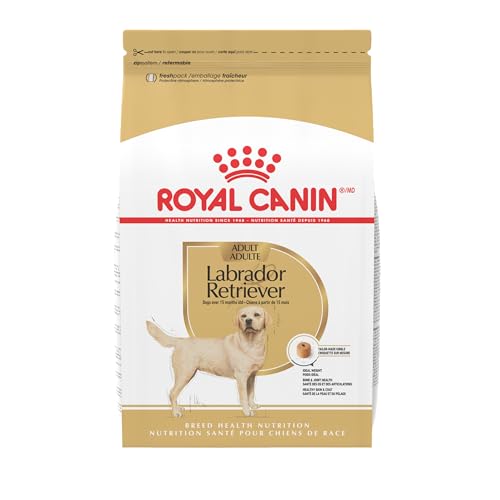
๐ŸพNew to the breed? Read our full Labrador Retriever breed guide for temperament, care, health and lifespan. Royal Canin Labrador Retriever Adult Dry Dog Food โ˜… Top Pick: Royal Canin Labrador Retriever Adult Dry Dog Food Check Price on Amazon →
5
Foods compared
22-26%
Practical protein range
1 in 4
Labs carry obesity gene
Large breed
Formula type
โšก Key takeaways
  • Best Overall: Royal Canin Labrador Retriever Adult Dry Dog Food. The only mainstream formula engineered specifically for the breed.
  • Best for Active & Working Labs: Purina Pro Plan Sport All Life Stages Performance 30/20 Formula. A 30 percent protein, 20 percent fat performance diet built for field, hunting and high-en.
  • Best for Joint Support: Hill's Science Diet Adult Large Breed Chicken & Barley Recipe Dry Dog Food. A clinically backed large-breed formula with naturally sourced glucosamine and chondroitin.
  • Best Budget: Diamond Naturals Large Breed Adult Chicken & Rice Formula Dry Dog Food. Real pasture-raised chicken, a large-breed calorie profile, guaranteed probiotics and a gl.
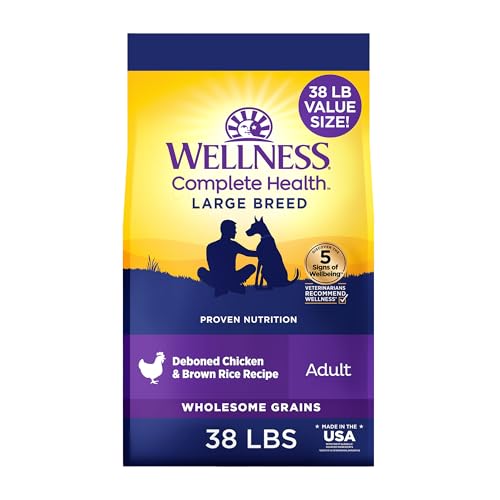
  • Best By-Product-Free Formula: Wellness Complete Health Large Breed Deboned Chicken & Brown Rice Dry Dog Food. No meat by-products, corn, wheat or artificial preservatives.
At a Glance

Quick Comparison

Quick answer

For most healthy adult Labradors, the right choice is a large-breed formula with controlled calories and built-in joint support. Our top pick is Royal Canin Labrador Retriever Adult, because its calorie-managed recipe and slow-feed kibble shape suit the breed’s big appetite and its hard-working joints. Active or working labs do better on the higher-energy Purina Pro Plan Sport 30/20, while budget-focused owners get strong value from Diamond Naturals Large Breed.

Why Labradors need different food

Labradors are a nutritionist’s paradox: one of the easiest breeds to feed and one of the easiest to overfeed. Research from the University of Cambridge found that roughly one in four Labradors carries a deletion in the POMC gene that blunts the sense of fullness, which helps explain why this breed is statistically among the most likely to become overweight. On top of that appetite, Labs are a large, athletic breed predisposed to hip and elbow dysplasia. So a good food does three jobs at once. It keeps calories in check, it delivers enough quality protein to hold lean muscle, and it supplies the glucosamine and omega-3 (EPA and DHA) that support aging joints.

What to look for in a Labrador food

Before you focus on brand or flavour, check four things: a named meat as the first ingredient, a moderate calorie density so an inactive lab does not pile on weight, guaranteed glucosamine and chondroitin plus omega-3s for the joints, and an AAFCO statement that matches your dog’s life stage. The detailed buying factors further down explain each of these. Puppies are a special case and need a large-breed puppy formula with controlled calcium to slow bone growth and protect developing joints.

Find the right food for your dog’s needs

The picks above suit a healthy adult Labrador. For a specific life stage or health need, use these focused guides.

Which food type is best?

Dry, wet, fresh, raw and dehydrated foods can all work for a Labrador. The right one depends on your budget, your dog’s preferences and any health needs.

  • Dry: most economical and convenient, and the crunch helps clean teeth.
  • Wet: higher moisture and often more palatable, useful for fussy eaters or as a topper.
  • Fresh and gently cooked: minimally processed with recognisable ingredients, at a higher cost.
  • Raw and freeze-dried raw: high protein and minimally processed; handle safely and ask your vet first.

Getting the best value

The cheapest bag is not always the best value. A quality food that keeps your Labrador lean, with a healthy coat and firm stools, often means fewer vet visits. Feed to a healthy body condition rather than the bag maximum, and choose a recipe built around quality animal protein.

How we chose these foods

We are an editorial team, not your dog’s veterinarian. Rather than testing foods in a lab, we compared formulas using publicly available label data and well-established large-breed nutrition principles. For each pick we:

  • Checked the AAFCO life-stage statement on the label (growth, adult maintenance or all life stages)
  • Confirmed the formula is suitable for a large-breed adult dog
  • Compared protein, fat and calorie density
  • Looked for joint-support nutrients: glucosamine, chondroitin and omega-3 (EPA and DHA)
  • Checked ingredient transparency and brand availability
  • Treated grain-free, legume-heavy recipes with extra caution
  • Read real owner feedback for recurring red flags
  • Never ranked a food higher just because it pays a commission

Recipes, formulations and prices change, so always read the current label before you buy.

Foods to avoid or feed with care

  • Formulas whose only protein is an unnamed “meat meal” with no species listed
  • Recipes loaded with peas, lentils and other legumes, given the FDA’s ongoing diet-associated DCM investigation
  • Generic “all life stages” foods fed to a fast-growing large-breed puppy that needs controlled calcium
  • Table scraps and high-fat human foods, which a food-motivated lab will happily overeat
  • Any food your vet has told you to avoid for a specific health reason

Want to go deeper? Browse our wider dog food guides, dog nutrition advice and dog health coverage.

Why this matters

Roughly one in four Labradors carries a deletion in the POMC gene that blunts the feeling of fullness. That is why portion control, not just food choice, is one of the biggest factors in keeping a lab at a healthy weight (Raffan et al., Cell Metabolism, 2016).

The Options

Types Explained

Breed-specific kibble

Shaped and calorie-tuned specifically for Labradors, like Royal Canin Labrador.

Best for: Owners who want a no-thinking default

Large-breed adult dry

Standard kibble formulated for dogs over 50 lb, usually with built-in joint support.

Best for: Most healthy adult labs

Performance and sport

Higher 30/20 protein-and-fat diets for working and field dogs.

Best for: Hunting, agility and very active labs

Weight-management

Lower-calorie, higher-fibre formulas that keep dogs full on fewer calories.

Best for: Neutered or senior labs gaining weight
The Rankings

Top 5 Picks

#1
Royal Canin Labrador Retriever Adult Dry Dog Food
Best Overall

Royal Canin Labrador Retriever Adult Dry Dog Food

View on Amazon

The only mainstream formula engineered specifically for the breed. Its donut-shaped kibble forces notoriously fast Labrador eaters to slow down, calories are moderated to suit the breed's weight tendency, and added EPA and DHA plus glucosamine target the hips and elbows labs commonly struggle with. The trade-off is that it uses chicken by-product meal and sits at a premium price, so by-product-conscious owners may prefer pick number five.

#2
Purina Pro Plan Sport All Life Stages Performance 30/20 Formula
Best for Active & Working Labs

Purina Pro Plan Sport All Life Stages Performance 30/20 Formula

View on Amazon

A 30 percent protein, 20 percent fat performance diet built for field, hunting and high-energy labs, with real chicken first, glucosamine for joints and guaranteed live probiotics for digestion. That same calorie density is its one catch. Portion it carefully for a couch-potato lab or it will add weight quickly.

#3
Hill's Science Diet Adult Large Breed Chicken & Barley Recipe Dry Dog Food
Best for Joint Support

Hill's Science Diet Adult Large Breed Chicken & Barley Recipe Dry Dog Food

View on Amazon

A clinically backed large-breed formula with naturally sourced glucosamine and chondroitin, plus omega-6 and vitamin E for skin and coat. It is the safe, widely vet-recommended default for a healthy adult lab with no special needs. Unremarkable, but consistently well tolerated.

#4
Diamond Naturals Large Breed Adult Chicken & Rice Formula Dry Dog Food
Best Budget

Diamond Naturals Large Breed Adult Chicken & Rice Formula Dry Dog Food

View on Amazon

Real pasture-raised chicken, a large-breed calorie profile, guaranteed probiotics and a glucosamine and chondroitin top-up, at roughly half the cost of premium breed formulas. The best value for multi-dog or big-lab households. Just note the recipe changes occasionally, so check the panel between bags.

#5
Wellness Complete Health Large Breed Deboned Chicken & Brown Rice Dry Dog Food
Best By-Product-Free Formula

Wellness Complete Health Large Breed Deboned Chicken & Brown Rice Dry Dog Food

View on Amazon

No meat by-products, corn, wheat or artificial preservatives. Deboned chicken leads, with glucosamine, taurine and an omega blend. The clear-label pick for owners who read every ingredient. Its higher fibre means you should transition over a full ten days to avoid loose stools.

Before You Buy

Key Buying Factors

01

Calorie control

Labs gain weight faster than almost any breed. Favour large-breed or weight-management formulas with moderate fat (around 12 to 16 percent) and feed measured cups twice a day rather than free-feeding.

02

Joint support

Look for guaranteed glucosamine and chondroitin plus omega-3 (EPA and DHA). Labradors are predisposed to hip and elbow dysplasia, and these nutrients support cartilage and help manage inflammation over the long term.

03

Protein quality and amount

A named meat such as chicken, lamb or salmon should be the first ingredient. For many healthy adult Labradors a moderate-to-high protein range of about 22 to 26 percent is a practical starting point, but activity level and body condition matter more than one fixed number.

04

Life stage and large-breed labelling

Puppies need a large-breed puppy formula with controlled calcium to slow bone growth. Confirm the AAFCO statement on the bag matches your dog's life stage: growth, adult maintenance or all life stages.

05

Grain and DCM caution

The FDA has investigated reports of canine dilated cardiomyopathy in dogs eating certain diets, especially some grain-free or legume-heavy formulas, and is still gathering information. Until there is more clarity, we treat grain-inclusive diets as the safer default unless your vet advises otherwise.

Living With It

Care, Cost and Maintenance

How much to feed

A typical 65 to 80 lb adult lab needs roughly 1,300 to 1,700 kcal a day, though this varies with activity and metabolism. Split it into two meals and adjust so you can easily feel the ribs but not see them.

Transitioning foods

Switch over seven to ten days, mixing in increasing amounts of the new food, to avoid the loose stools labs are prone to when their diet changes abruptly.

Storage and freshness

Keep kibble in its original bag inside an airtight bin. The bag liner is built to preserve the fats that turn rancid in cheap open tubs.

Pro tip

Run a weekly hands-on body check. You should feel your lab's ribs with light pressure and see a visible waist from above. If you cannot, trim portions by about 10 percent before you consider switching foods, and check in with your vet.

Frequently asked questions

How much should I feed my Labrador?
It depends on weight, age and how active your dog is, but a typical adult Labrador needs roughly 1,300 to 1,700 calories a day. Start with the feeding guide on the bag, then adjust by body condition rather than trusting the chart, because most charts overestimate. Split the daily amount into two measured meals using a proper cup or, better, a kitchen scale. Working and very active labs sit at the top of that range or above, while neutered, older or couch-potato dogs often need noticeably less. Recheck the amount every few weeks and after any change in exercise, and ask your vet if you are unsure.
How many calories does a Labrador need?
Most healthy adult Labradors need somewhere between 1,300 and 1,700 calories a day, but that is only a starting point. A lean, hard-working field dog or a young adult may need more, while a neutered, senior or less active lab often needs 10 to 20 percent less to avoid gaining weight. Puppies and pregnant or nursing females have higher and very different needs. Rather than fixate on one number, weigh your dog regularly and run a hands-on body check: you should feel the ribs easily and see a waist from above. Let body condition, not the calculator, have the final say, and confirm with your vet.
Is grain-free food bad for Labradors?
Not automatically, but it deserves caution. The FDA has investigated reports of canine dilated cardiomyopathy in dogs eating certain diets, especially some grain-free recipes high in peas, lentils and other legumes, and it is still gathering information rather than naming a single cause. For most Labradors there is no nutritional need to avoid grains, and whole grains like rice, oats and barley are perfectly digestible. Unless your vet has diagnosed a genuine grain allergy, which is uncommon, a complete and balanced grain-inclusive formula is the safer default. If you do prefer grain-free, choose an established brand and talk it through with your vet first.
What is the best food for a Labrador puppy?
Choose a large-breed puppy formula rather than a standard puppy food. Large-breed puppy recipes have controlled calcium and calories, which deliberately slow the rapid growth that can stress a Labrador's developing hips and elbows. Look for an AAFCO statement confirming the food is complete and balanced for growth, with a named meat first and added omega-3 (DHA) for brain and eye development. Feed measured meals two to three times a day and keep your puppy lean, because excess weight during growth raises the risk of joint problems later. Stay on a puppy formula until roughly 12 to 18 months, then transition gradually to adult food.
What is the best food for an overweight Labrador?
Excess weight is the most common health problem in the breed, so this matters. Switch to a weight-management or lower-calorie large-breed formula, which keeps your dog feeling full on fewer calories thanks to higher protein and fibre. Just as important is portion control: measure every meal, cut treats to under 10 percent of daily calories, and stop free-feeding. Add daily walks and gentle play to raise activity. Aim for slow, steady loss of about 1 to 2 percent of bodyweight per week rather than crash dieting. Because rapid weight loss can be unsafe, set a target weight and monitor progress with your vet.
What is the best food for a senior Labrador?
Older Labradors usually do best on a senior or large-breed formula with moderate calories, since metabolism slows with age and weight creeps on. Prioritise easily digestible, good-quality protein to preserve muscle, which many older dogs lose, and joint-support nutrients such as glucosamine, chondroitin and omega-3 for stiff hips and elbows. Some seniors also benefit from softer kibble or added moisture if their teeth are sore. Watch body condition closely and adjust portions, because an inactive senior needs fewer calories than they did as an adult. If your older lab has kidney, heart or other age-related conditions, ask your vet about a tailored diet.
Should Labradors eat large-breed food?
Yes, for most adult Labradors a large-breed formula is the better fit. These recipes are calorie-controlled to match the breed's tendency to gain weight, and they usually include joint-support nutrients like glucosamine and chondroitin that suit a dog predisposed to hip and elbow dysplasia. The kibble is often larger to encourage chewing rather than gulping. Large-breed puppy formulas go a step further with controlled calcium to slow growth and protect developing joints. A standard adult food will not harm a healthy lab, but a large-breed formula is designed around exactly the issues this breed faces, which makes it the more sensible default.
Dry food or wet food for a Labrador?
Both can work, and many owners use a mix. Dry food, or kibble, is practical, affordable, easy to measure and provides some dental abrasion, which is why it is the base most Labrador owners rely on. Wet food adds moisture and is very palatable, which helps fussy eaters, older dogs or those needing extra hydration, but it costs more per calorie and spoils faster once opened. The key with either is that the food is complete and balanced, suits your dog's life stage, and is portioned carefully, because a food-motivated lab will happily overeat wet food. Mixing a little wet into kibble is a common, sensible compromise.
How do I stop my Labrador overeating?
Start by accepting that the appetite is partly genetic: many Labradors carry a gene variant that blunts the feeling of fullness, so willpower alone will not fix it. Feed measured meals on a fixed schedule rather than leaving food down, and use a kitchen scale instead of eyeballing portions. A slow-feeder or puzzle bowl makes meals last longer and feel more satisfying. Keep treats within 10 percent of daily calories and switch to low-calorie options like carrot or green beans. Resist begging at the table, since every scrap adds up fast. A consistent routine and tight portion control matter far more than which brand you choose.
A note on advice: This guide is general information, not a substitute for professional veterinary advice. Talk to your vet before changing your dog's diet or care routine, especially if your dog has allergies, kidney disease, pancreatitis, obesity, heart disease or any other medical condition.
Transparency

How we made this guide

How we chose. We compared the options on the factors that matter most for Dog Food, using manufacturer specifications, aggregated verified owner reviews and editorial comparison. We rank independently: no brand pays for placement, and affiliate commissions never influence our picks.

How it was written. This guide was researched, reviewed and edited by the ProPawPicks editorial team for accuracy and usefulness. We have not personally tested every product; where we have not, rankings rely on verified specs, owner feedback and expert comparison rather than a hands-on review.

Affiliate disclosure. ProPawPicks is reader-supported. If you buy through links on our site, we may earn a commission at no extra cost to you. See our affiliate disclosure.

Keep Reading

More Dog Food guides

Interactive Dog Toys, ComparedView picks โ†’Picking Invisible Dog Fence for AllergiesView picks โ†’2026 Puppy Fence Guide: 5 Top Invisible Dog Fences ReviewedView picks โ†’Invisible Dog Fence for Sensitive Stomachs: 2026 Top Pick ReviewedView picks โ†’Best Invisible Dog Fence for Small Dogs 2026: 5 Top Picks ReviewedView picks โ†’Expert Picks: Best Invisible Dog Fence for the Money 2026View picks โ†’

Sources and further reading

Some links below are affiliate links. If you buy through them we may earn a small commission at no extra cost to you. Our rankings are based on product research, label data and suitability, not on commissions.