๐Ÿ† Complete Buyer's Guide ยท Dog Food

Maltipoo Dog Food Guide: 5 Small-Breed Picks for 2026

Maltipoos lack a breed-specific nutrient standard. Our guide explains why Royal Canin Small Breed Adult is the top pick, with 4 more small-breed formulas sized for tiny jaws.

Some links below are affiliate links. If you buy through them we may earn a small commission at no extra cost to you. Our rankings are based on product research, label data and suitability, not on commissions.

๐ŸพNew to the breed? Read our full Maltipoo breed guide for temperament, care, health and lifespan. Royal Canin Small Breed Adult Dry Dog Food โ˜… Top Pick: Royal Canin Small Breed Adult Dry Dog Food Check Price on Amazon →
5 to 20 lb
Typical adult Maltipoo weight
22 to 30%
Common adult small-breed protein range
350 to 450
Calories per cup in many small-breed kibbles
7 to 10 days
Recommended diet transition window
โšก Key takeaways
  • Best Overall: Royal Canin Small Breed Adult Dry Dog Food. Built for small dogs up to about 22 pounds, this food carries an AAFCO complete and balanc.
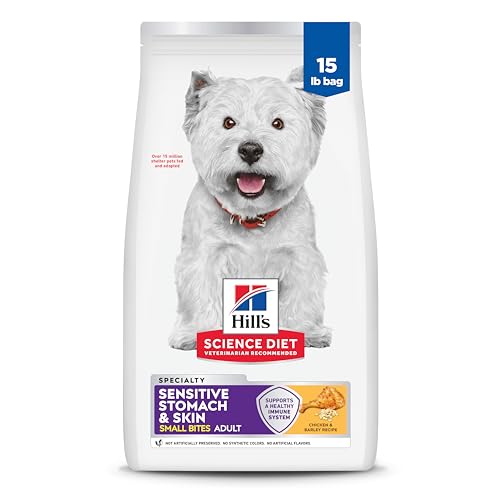
  • Best for Sensitive Stomach: Hill's Science Diet Adult Small Paws Sensitive Stomach and Skin. This small-breed recipe leads with chicken, carries an AAFCO adult maintenance statement,.
  • Best for Puppies: Purina Pro Plan Small Breed Puppy Chicken and Rice. For Maltipoo puppies under one year, this formula lists chicken first and carries an AAFCO.
  • Best Budget: Diamond Naturals Small Breed Adult Chicken and Rice. This small-breed recipe leads with real chicken, carries an AAFCO adult maintenance statem.
  • Best Grain-Inclusive: Wellness Complete Health Small Breed Adult Deboned Chicken and Oatmeal. A grain-inclusive small-breed recipe that leads with deboned chicken, carries an AAFCO adu.
At a Glance

Quick Comparison

Quick answer

For most adult Maltipoos, our top pick is Royal Canin Small Breed Adult Dry Dog Food because it carries an AAFCO complete and balanced statement for adult maintenance, leads with a named protein, and uses a small kibble shape that suits tiny mouths. If your Maltipoo has a sensitive stomach, Hill’s Science Diet Small Paws Sensitive Stomach and Skin is a better fit. For puppies under one year, choose Purina Pro Plan Small Breed Puppy. On a tighter budget, Diamond Naturals Small Breed Adult Chicken and Rice delivers a named meat first at a lower cost, and Wellness Complete Health Small Breed Adult is our pick when you want a grain-inclusive recipe with omega support. Always confirm the right choice with your veterinarian, especially if your dog has a medical condition.

What to consider for Dog Food For Maltipoo

A Maltipoo is a cross between a Maltese and a Toy or Miniature Poodle, so most adults weigh roughly 5 to 20 pounds. That small size shapes the food decision more than almost anything else. Tiny dogs have fast metabolisms and small stomachs, so they generally need a calorie-dense food in small, frequent portions rather than one big meal. Kibble size matters too, because large pieces can be hard for a small jaw to chew and may be swallowed whole.

Maltipoos can be prone to dental crowding common in toy breeds, so a small-breed kibble that the dog actually chews can help with mechanical cleaning, though it is not a substitute for brushing or veterinary dental care. Some Maltipoos also have sensitive skin or stomachs, and the curly Poodle-type coat does best when the diet supplies adequate fat and omega fatty acids. Because toy dogs can be at higher risk of low blood sugar when very young or very small, puppies in particular benefit from regular feeding and a food formulated for their life stage. If you ever see weakness, trembling, or collapse, contact your veterinarian promptly.

What to look for in a dog food

First, look for an AAFCO complete and balanced statement for the correct life stage, either adult maintenance or growth, printed on the bag. This statement signals the recipe is designed to be a full diet, not a topper. Second, look for a named meat as the first ingredient, such as chicken, turkey, lamb, or salmon, rather than a vague “meat meal” with no species named.

For practical nutrient ranges on a dry-matter or as-fed basis, many adult small-breed maintenance foods land around 22 to 30 percent protein and 12 to 18 percent fat, while puppy formulas often run a bit higher. Small breeds usually need calorie-dense food because portions are tiny, so many small-breed kibbles sit around 350 to 450 calories per cup. These are general ranges to help you compare labels, not medical rules, and your veterinarian can tailor targets to your individual dog. Because Maltipoos are small, choose a small-breed or toy formula rather than a large-breed one. Omega-3 and omega-6 fatty acids may support skin and coat condition, and added glucosamine or chondroitin may support joints, though individual results vary.

How we chose these picks

  • We confirmed each food carries an AAFCO complete and balanced statement for the relevant life stage.
  • We prioritized recipes that list a named meat, such as chicken or salmon, as the first ingredient.
  • We favored small-breed or toy formulas with appropriately small kibble for tiny jaws.
  • We compared protein, fat, and calorie levels against typical small-breed needs using publicly available product information.
  • We checked manufacturer information for sensitive-stomach and skin and coat support where relevant.
  • We weighed value across price tiers so budget-conscious owners have an honest option.
  • We reviewed widely reported owner feedback for recurring concerns rather than one-off complaints.
  • Never ranked a product higher just because it pays a commission.

What to avoid

  • Recipes that list only an unnamed “meat meal” as the protein source, with no species named.
  • Defaulting to grain-free or legume-heavy recipes without a reason. The FDA investigation into a potential link between certain diets and canine dilated cardiomyopathy is ongoing, and a grain-inclusive food is generally the safer default unless your veterinarian advises otherwise.
  • Feeding an all-life-stages food long term to a dog with special needs without checking with your vet. The opposite trap matters too for big dogs: never feed all-life-stages food to a large-breed puppy, since it can carry too much calcium for proper growth.
  • Abrupt diet switches. Transition over about 7 to 10 days by mixing increasing amounts of the new food to reduce the chance of stomach upset.

For more help choosing and feeding the right diet, browse our dog guides, our dog food reviews, and our dog nutrition articles.
Why this matters

Maltipoos are not a recognized purebred with a single nutrient standard, so the most reliable approach is to feed a small-breed or toy formula that carries an AAFCO complete and balanced statement for the correct life stage, sized small for tiny jaws.

The Options

Types Explained

Small-breed adult dry food

Calorie-dense kibble in small pieces designed for toy and small dogs, with an AAFCO adult maintenance statement.

Best for: Healthy adult Maltipoos one year and older as a daily main diet.

Small-breed puppy food

Growth-formulated kibble with higher protein, fat, and often DHA, sized small for young toy dogs.

Best for: Maltipoo puppies under about one year that are still developing.

Sensitive stomach and skin formula

Recipes with gentle, often limited ingredients plus prebiotics and added omegas to support digestion and coat.

Best for: Maltipoos with occasional digestive upset or itchy, flaky skin, after vet review.

Grain-inclusive small-breed food

Recipes that include grains like rice or oatmeal rather than legume-heavy grain-free formulas, aligning with the current safer default.

Best for: Owners who want to follow the cautious choice while the FDA DCM investigation continues.
The Rankings

Top 5 Picks

#1
Royal Canin Small Breed Adult Dry Dog Food
Best Overall

Royal Canin Small Breed Adult Dry Dog Food

View on Amazon

Built for small dogs up to about 22 pounds, this food carries an AAFCO complete and balanced statement for adult maintenance and uses a small, easy to chew kibble that suits a Maltipoo's tiny jaw. The recipe targets the calorie density small breeds typically need. The main trade-off is that the first ingredient is brewers rice rather than a named meat, and it sits at a mid to premium price point that some owners find high for the bag size.

#2
Hill's Science Diet Adult Small Paws Sensitive Stomach and Skin
Best for Sensitive Stomach

Hill's Science Diet Adult Small Paws Sensitive Stomach and Skin

View on Amazon

This small-breed recipe leads with chicken, carries an AAFCO adult maintenance statement, and is formulated with prebiotic fiber plus omega-6 and vitamin E that may support digestion and coat condition, though individual results vary. The small kibble fits toy mouths well. The trade-off is the premium price, and dogs with a true food allergy may still react, so check with your veterinarian if signs persist after switching.

#3
Purina Pro Plan Small Breed Puppy Chicken and Rice
Best for Puppies

Purina Pro Plan Small Breed Puppy Chicken and Rice

View on Amazon

For Maltipoo puppies under one year, this formula lists chicken first and carries an AAFCO statement for growth, with higher protein and fat to support development and small kibble for little mouths. It also includes DHA, an omega-3 that may support brain and vision development. The main trade-off is that it is a puppy-only food, so you will need to transition to an adult recipe around maturity, and it contains some grain that grain-free seekers may not want.

#4
Diamond Naturals Small Breed Adult Chicken and Rice
Best Budget

Diamond Naturals Small Breed Adult Chicken and Rice

View on Amazon

This small-breed recipe leads with real chicken, carries an AAFCO adult maintenance statement, and adds probiotics and omega fatty acids, all at a noticeably lower price per pound than premium rivals. Kibble size suits small dogs. The trade-off is that Diamond has had past recalls in its broader history, so owners who want the longest spotless record may prefer a different brand, and ingredient sourcing is less premium than top-tier options.

#5
Wellness Complete Health Small Breed Adult Deboned Chicken and Oatmeal
Best Grain-Inclusive

Wellness Complete Health Small Breed Adult Deboned Chicken and Oatmeal

View on Amazon

A grain-inclusive small-breed recipe that leads with deboned chicken, carries an AAFCO adult maintenance statement, and includes oatmeal plus omega fatty acids and glucosamine that may support coat and joints, results varying by dog. The grain-inclusive formula aligns with the safer default while the FDA DCM investigation continues. The trade-off is a premium price, and the kibble, while small, is slightly larger than some toy-specific options.

Before You Buy

Key Buying Factors

01

AAFCO life-stage statement

Confirm the bag says complete and balanced for the right life stage, adult maintenance for grown dogs or growth for puppies. This signals a full diet rather than a supplement or topper.

02

Named meat first

Choose recipes that list a specific protein like chicken, turkey, lamb, or salmon at the top of the ingredient list, rather than a vague unnamed meat meal.

03

Small-breed kibble size

Maltipoos have tiny jaws, so small or toy-breed kibble is easier to chew and less likely to be gulped whole, which can also encourage a little mechanical chewing.

04

Calorie density and portions

Small dogs have fast metabolisms and small stomachs, so a calorie-dense food fed in small, frequent portions usually fits better than large infrequent meals.

05

Skin, coat, and joint support

Omega-3 and omega-6 fatty acids may support the curly coat, and added glucosamine may support joints in some dogs, though individual results vary and are not guaranteed.

Living With It

Care, Cost and Maintenance

Measure every meal

Use a measuring cup or a kitchen scale and follow the bag's guidance for your dog's weight, then adjust with your vet. Tiny dogs gain weight fast, so eyeballing portions can easily overfeed.

Transition slowly

When changing foods, mix the new food in over about 7 to 10 days, increasing the new portion gradually. A slow switch reduces the chance of loose stools or stomach upset.

Store food properly

Keep kibble sealed in its original bag, ideally inside an airtight container, away from heat and humidity. This helps preserve fats and freshness, which matters more with a small bag a tiny dog finishes slowly.

Pro tip

Split your Maltipoo's daily food into two or three small meals rather than one, since tiny dogs with fast metabolisms tend to handle frequent, measured portions better than a single large bowl.

Frequently asked questions

How much should I feed my Maltipoo?
Start with the feeding chart on the bag, which lists amounts by body weight, then adjust based on your dog's body condition and your veterinarian's advice. A typical adult Maltipoo eats a small amount, often well under a cup a day, split into two or three meals because tiny stomachs do better with smaller, frequent portions. Weigh or measure each meal rather than eyeballing it, since small dogs gain weight quickly from even minor overfeeding. If your dog is gaining or losing weight, recheck portions and consult your vet before making major changes.
How many calories does a Maltipoo need each day?
Daily calorie needs depend on weight, age, activity, and whether the dog is spayed or neutered, so there is no single number. As a rough guide, many small adult dogs need somewhere in the low hundreds of calories per day, and the exact figure rises for active or growing dogs and falls for less active or senior ones. The most reliable approach is to ask your veterinarian to calculate your individual dog's target, then use the food's calories per cup to portion accordingly. Monitor body condition over time and adjust, since published charts are starting points, not precise prescriptions for every dog.
Is grain-free food safe for a Maltipoo?
Grain-free is not automatically healthier, and the FDA has an ongoing investigation into a potential link between certain diets, often grain-free or legume-heavy ones, and canine dilated cardiomyopathy. Because that work is not concluded, our editorial team treats a grain-inclusive food with grains like rice or oatmeal as the safer default for most Maltipoos unless your veterinarian advises otherwise for a specific medical reason. If your dog is currently on grain-free food and doing well, do not panic, but discuss it with your vet. They can weigh your dog's individual needs and the current evidence and recommend the most appropriate diet.
When should I switch my Maltipoo from puppy food to adult food?
Small and toy breeds like Maltipoos generally mature faster than large breeds, and many are ready to move to adult food around nine to twelve months of age, though your veterinarian may suggest a different timing for your individual dog. Puppy formulas provide extra calories, protein, and nutrients for growth, so staying on them too long can contribute to excess weight gain. When you do switch, transition gradually over about seven to ten days by mixing increasing amounts of the adult food. Confirm timing with your vet, especially if your puppy is very small, underweight, or has any health concerns that affect nutrition.
What should I feed an overweight Maltipoo?
Excess weight is common in small dogs and can strain joints and overall health, so the first step is a veterinary check to set a healthy target weight and rule out medical causes. Your vet may recommend reducing portions of the current food, switching to a formula designed for weight management, or cutting back on treats, which often add hidden calories. Measure every meal precisely and avoid free-feeding. Weigh your dog regularly and adjust slowly, since rapid weight loss is not safe. Gentle, consistent exercise suited to a small dog also helps, but diet changes should be guided by your veterinarian.
What is the best food for a senior Maltipoo?
Senior Maltipoos may benefit from a food that still carries an AAFCO complete and balanced statement and is appropriate for their changing needs, such as adjusted calories to prevent weight gain as activity drops. Some senior formulas add omega fatty acids or joint support like glucosamine, which may help some dogs, though results vary and are not guaranteed. Older dogs can also develop dental, kidney, or other conditions that affect diet, so this is where a veterinary conversation matters most. Ask your vet whether a standard adult small-breed food or a senior-specific or therapeutic diet is the better fit for your individual dog's health.
Does breed and size really matter when choosing Maltipoo food?
Yes, size matters a great deal for a Maltipoo. As a small toy cross typically weighing about five to twenty pounds, a Maltipoo usually does best on a small-breed or toy formula rather than a large-breed one. Small-breed foods are designed to be calorie-dense for fast metabolisms and use smaller kibble that tiny jaws can chew. Large-breed foods are formulated for slower growth and bigger mouths, so they are not an ideal match. While Maltipoos are not a single purebred standard, the small-breed guidance fits them well. When in doubt, pick a food labeled for small or toy breeds at the correct life stage.
Is dry or wet food better for a Maltipoo?
Both can work if the food carries an AAFCO complete and balanced statement for the right life stage, so the choice often comes down to your dog's needs and preferences. Dry kibble is convenient, more economical, and the chewing can offer some mechanical benefit, though it does not replace dental care. Wet food adds moisture and is often more palatable for picky or older dogs, but it spoils faster once opened and tends to cost more per calorie. Some owners mix the two. If your Maltipoo has dental issues or low appetite, ask your veterinarian which texture and approach suits your dog best.
What about sensitive stomach or skin issues in Maltipoos?
Some Maltipoos have sensitive digestion or itchy, flaky skin, and a small-breed sensitive stomach and skin formula with gentle ingredients, prebiotic fiber, and added omega fatty acids may help support comfort, though individual results vary. Before assuming food is the cause, see your veterinarian, since allergies, parasites, and medical conditions can produce similar signs and need different treatment. If your vet suspects a food sensitivity, they may suggest a controlled diet trial rather than repeated random food swaps, which can make things harder to interpret. Never start a supplement or make a major diet change for a health problem without checking with your veterinarian first.
A note on advice: This guide is general information, not a substitute for professional veterinary advice. Talk to your vet before changing your dog's diet or care routine, especially if your dog has allergies, kidney disease, pancreatitis, obesity, heart disease or any other medical condition.
Transparency

How we made this guide

How we chose. We compared the options on the factors that matter most for Dog Food, using manufacturer specifications, aggregated verified owner reviews and editorial comparison. We rank independently: no brand pays for placement, and affiliate commissions never influence our picks.

How it was written. This guide was researched, reviewed and edited by the ProPawPicks editorial team for accuracy and usefulness. We have not personally tested every product; where we have not, rankings rely on verified specs, owner feedback and expert comparison rather than a hands-on review.

Affiliate disclosure. ProPawPicks is reader-supported. If you buy through links on our site, we may earn a commission at no extra cost to you. See our affiliate disclosure.

Keep Reading

More Dog Food guides

Stop Wasting Treats: 5 Best Interactive Dog Cameras 2026View picks โ†’Interactive Dog Toys for Boredom: Our ShortlistView picks โ†’Best Invisible Dog Fence for Small Dogs 2026: 5 Top Picks ReviewedView picks โ†’Contain Your Dog Reliably: 5 Best Invisible Fence Picks for 2026View picks โ†’The Best Invisible Fence for Dog WirelessView picks โ†’Buying Guide: Best IP Cameras for Baby Pets (2026)View picks โ†’

Sources and further reading

Some links below are affiliate links. If you buy through them we may earn a small commission at no extra cost to you. Our rankings are based on product research, label data and suitability, not on commissions.