๐Ÿ† Complete Buyer's Guide ยท Dog Food

Keep Your Yorkie Safe: Best Dog Food for Hypoglycemia 2026

Yorkies have tiny fat reserves and fast metabolisms, making them prone to hypoglycemia. We compare 5 small-breed foods including Royal Canin Yorkshire Terrier Adult to keep your pup healthy.

Some links below are affiliate links. If you buy through them we may earn a small commission at no extra cost to you. Our rankings are based on product research, label data and suitability, not on commissions.

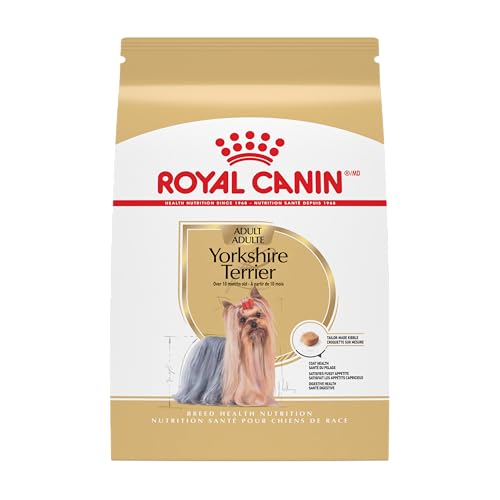
๐ŸพNew to the breed? Read our full Yorkshire Terrier breed guide for temperament, care, health and lifespan. Royal Canin Yorkshire Terrier Adult Dry Dog Food โ˜… Top Pick: Royal Canin Yorkshire Terrier Adult Dry Dog Food Check Price on Amazon →
4 to 7 lb
Typical adult Yorkie weight
~150 to 200
Calories per day for a small adult (a practical starting point)
3 to 4 meals
Daily meals often advised for Yorkie puppies
22%+
Protein many small-breed adult foods provide
โšก Key takeaways
  • Best Overall: Royal Canin Yorkshire Terrier Adult Dry Dog Food. This is a breed-specific recipe built around the Yorkie's real needs.
  • Best for Sensitive Stomach: Hill's Science Diet Small Paws Sensitive Stomach and Skin Adult Dry Dog Food. Made for small dogs with touchy digestion, this grain-inclusive recipe uses highly digesti.
  • Best Budget: Diamond Naturals Small Breed Adult Chicken and Rice Dry Dog Food. A grain-inclusive small-breed recipe led by real chicken, with added probiotics and omega.
  • Best for Puppies: Royal Canin Small Puppy Dry Dog Food. Formulated for small-breed puppies, this food has the higher calorie and nutrient density.
  • Best Small-Breed Recipe: Wellness Complete Health Toy Breed Adult Dry Dog Food. A grain-inclusive toy-breed recipe led by deboned chicken, with omega fatty acids, glucosa.
At a Glance

Quick Comparison

Quick answer

For most adult Yorkshire Terriers, our top overall pick is Royal Canin Yorkshire Terrier Adult Dry Dog Food. It is purpose-built for the breed with a tiny, easy-to-grab kibble shape, a calorie density that suits a toy dog’s fast metabolism, and a nutrient mix aimed at coat and skin support. If your Yorkie has a sensitive stomach, Hill’s Science Diet Small Paws Sensitive Stomach and Skin is a gentler choice. On a tighter budget, Diamond Naturals Small Breed Adult delivers a solid grain-inclusive recipe for less per pound, and for a Yorkie puppy, Royal Canin Small Puppy is formulated for the higher energy needs of small-breed growth.

Why Yorkies need the right food

The Yorkshire Terrier is a true toy breed, typically weighing around 4 to 7 pounds. That small size drives almost every feeding decision. Toy breeds have a fast metabolism relative to their body weight, so they need calorie-dense food in small portions, and very young or very small Yorkies can be prone to hypoglycemia (low blood sugar) if meals are skipped, which is why frequent small meals are often recommended for puppies.

Yorkies are also predisposed to dental disease. Their crowded little jaws trap plaque easily, so a kibble sized and shaped for a tiny mouth, fed alongside regular tooth brushing and veterinary dental care, helps. The breed is famous for its long, silky, hair-like coat, so diets that include named animal protein and omega fatty acids can support skin and coat condition. Some Yorkies have sensitive stomachs or food sensitivities, and the breed can be picky, so palatability and digestibility matter. Because they are small, even a little extra weight is a lot proportionally, making portion control and calorie awareness especially important for this breed.

What to look for in a Yorkie food

Start with a complete-and-balanced statement that the food meets AAFCO nutrient profiles for the right life stage (adult maintenance, growth, or all life stages). Look for a named animal protein as a leading ingredient, such as chicken, lamb, or salmon, rather than vague “meat” terms. Choose a small-breed or specifically Yorkie formula so the kibble size fits a toy mouth and the calorie density matches a small dog’s needs.

For coat and skin, omega-3 and omega-6 fatty acids (often from fish oil or named animal fats) are useful. If your Yorkie has a touchy stomach, look for a limited, highly digestible ingredient list, and consider added prebiotics. On the grain-free question, the FDA has investigated reports of canine DCM in dogs eating certain diets, especially some grain-free or legume-heavy formulas, and is still gathering information; we treat grain-inclusive diets as the safer default unless your vet advises otherwise. Finally, pick a brand with a transparent recall history and clear feeding guidance, and confirm the formula matches your dog’s life stage and body condition.

How we chose these foods

  • We focused on small-breed and breed-specific formulas with a kibble size suited to a toy mouth like a Yorkie’s.
  • We confirmed each food carries an AAFCO complete-and-balanced statement for the relevant life stage.
  • We favored recipes that lead with a named animal protein rather than unnamed meat sources.
  • We looked at calorie density, since toy breeds need concentrated nutrition in very small portions.
  • We treated grain-inclusive recipes as the safer default given the ongoing FDA DCM investigation, and flagged grain-free options as a vet-guided choice only.
  • We checked each brand’s public recall history and the clarity of its feeding and ingredient information.
  • We compared using public label data and established nutrition principles rather than any personal endorsement.
  • Never ranked a food higher just because it pays a commission.

Foods to avoid or feed with care

  • Oversized large-breed kibble: hard for a tiny Yorkie mouth to chew and can discourage eating.
  • Grain-free or legume-heavy diets fed by default: given the ongoing FDA DCM investigation, feed these only if your vet specifically advises it.
  • Recipes built on unnamed “meat meal” or heavy fillers with little named animal protein.
  • Foods loaded with added sugars, salt, or artificial dyes, which add no nutritional value for a small dog.
  • Generic “all life stages” food for a tiny puppy without confirming it is appropriate, since puppies and hypoglycemia-prone Yorkies need careful feeding.
  • Human foods that are toxic to dogs, including chocolate, grapes, raisins, onions, garlic, and xylitol-sweetened items.

For more, browse our dog food guides, our dog nutrition articles, and our dog health resources. Always confirm any major diet change with your own veterinarian, who knows your Yorkie’s history.

Why this matters

Yorkies are a toy breed with very little fat reserve and a fast metabolism, so young and very small Yorkies can be prone to hypoglycemia, which is why frequent small meals of calorie-appropriate food are often recommended, especially for puppies.

The Options

Types Explained

Breed-specific dry food

Formulas designed specifically for Yorkshire Terriers, with kibble shape, calorie density, and coat-focused nutrients tuned to the breed.

Best for: Owners who want a tailored everyday adult diet and do not mind paying a premium.

Small or toy breed dry food

General small-breed recipes with tiny kibble and concentrated calories suited to dogs under about 20 pounds.

Best for: Yorkies without special dietary needs, offering wide choice across price points.

Sensitive stomach and skin formulas

Highly digestible small-breed recipes with limited or gentle ingredients and added skin support.

Best for: Yorkies prone to loose stools, gas, or itchy skin, ideally chosen with your vet.

Small-breed puppy food

Higher-calorie growth recipes with very small kibble for developing toy-breed puppies.

Best for: Yorkie puppies up to adulthood, supporting growth and reducing hypoglycemia risk with frequent meals.
The Rankings

Top 5 Picks

#1
Royal Canin Yorkshire Terrier Adult Dry Dog Food
Best Overall

Royal Canin Yorkshire Terrier Adult Dry Dog Food

View on Amazon

This is a breed-specific recipe built around the Yorkie's real needs. The tiny kibble suits a toy mouth, the calorie density fits a fast small-breed metabolism, and the formula targets coat and skin support, which matters for the breed's silky hair. It is grain-inclusive, our safer default. The main trade-off is price, since breed-specific food costs more per pound than general small-breed options, and picky Yorkies may still need a slow introduction.

#2
Hill's Science Diet Small Paws Sensitive Stomach and Skin Adult Dry Dog Food
Best for Sensitive Stomach

Hill's Science Diet Small Paws Sensitive Stomach and Skin Adult Dry Dog Food

View on Amazon

Made for small dogs with touchy digestion, this grain-inclusive recipe uses highly digestible ingredients plus omega-6 and vitamin E for skin and coat. The small kibble suits a Yorkie, and it carries an AAFCO adult statement. It is a sensible pick if your Yorkie has loose stools or itchy skin, though as always check with your vet first. The trade-off is that some dogs find chicken-based recipes less appealing, and it costs more than budget brands.

#3
Diamond Naturals Small Breed Adult Chicken and Rice Dry Dog Food
Best Budget

Diamond Naturals Small Breed Adult Chicken and Rice Dry Dog Food

View on Amazon

A grain-inclusive small-breed recipe led by real chicken, with added probiotics and omega fatty acids for coat support, at a noticeably lower price per pound. The small kibble works for a Yorkie's mouth and it meets AAFCO adult standards. It is a strong value option for everyday feeding. The trade-off is that the brand has had past recalls in its broader history, so we suggest checking current recall status, and the ingredient quality is good rather than premium.

#4
Royal Canin Small Puppy Dry Dog Food
Best for Puppies

Royal Canin Small Puppy Dry Dog Food

View on Amazon

Formulated for small-breed puppies, this food has the higher calorie and nutrient density a growing Yorkie pup needs, with a very small kibble that tiny mouths can manage. Frequent small meals from this kind of food also help reduce the hypoglycemia risk young toy puppies face. It is grain-inclusive and carries an AAFCO growth statement. The trade-off is the premium price, and you will need to transition to an adult formula once growth finishes.

#5
Wellness Complete Health Toy Breed Adult Dry Dog Food
Best Small-Breed Recipe

Wellness Complete Health Toy Breed Adult Dry Dog Food

View on Amazon

A grain-inclusive toy-breed recipe led by deboned chicken, with omega fatty acids, glucosamine, and a kibble sized for the smallest mouths, making it a natural fit for a Yorkie. It meets AAFCO adult standards and emphasizes named animal protein. It is a well-rounded everyday option for adult Yorkies. The trade-off is the higher price point versus mainstream brands, and as with any switch, picky eaters may need a gradual transition to accept it.

Before You Buy

Key Buying Factors

01

Kibble size and shape

Yorkies have tiny mouths, so a small-breed or breed-specific kibble is far easier to pick up and chew than large-breed pieces. The right size also encourages picky eaters and reduces the chance of a dog swallowing pieces whole.

02

Calorie density

Toy breeds burn energy quickly relative to their size, so they need concentrated calories in small portions. Match the food's calories per cup to your Yorkie's weight, age, and activity, remembering activity and body condition matter more than one fixed number.

03

Named animal protein

Look for a specific protein such as chicken, lamb, or salmon as a leading ingredient rather than vague unnamed meat. Quality animal protein supports muscle and helps maintain the breed's coat and overall condition.

04

Coat and skin support

The Yorkie's long, silky coat benefits from omega-3 and omega-6 fatty acids, often from fish oil or named animal fats. Adequate fat and these fatty acids help keep skin healthy and coat soft.

05

AAFCO statement and recall record

Confirm the food meets AAFCO complete-and-balanced nutrient profiles for your dog's life stage, and choose a brand with transparent feeding guidance and a clear recall history you can check before buying.

Living With It

Care, Cost and Maintenance

How much to feed

A small adult Yorkie often eats roughly 150 to 200 calories a day, which is only a fraction of a cup of most dry foods. Treat this as a practical starting point, since activity and body condition matter more than one fixed number. Use the bag's chart for your dog's weight, then adjust to keep a trim waist, and ask your vet to confirm.

How to transition foods

Switch foods gradually over about 7 to 10 days to protect a Yorkie's sensitive stomach. Start with about 25 percent new food mixed with 75 percent old, then shift the ratio every few days until you reach 100 percent new food. If you see vomiting, diarrhea, or refusal, slow down and check with your vet.

Breed tip: meals and dental care

Feed young or very small Yorkies several small meals a day to help guard against hypoglycemia, and never let a tiny puppy go too long without food. Because the breed is prone to dental disease, pair kibble with regular tooth brushing and veterinary dental checks rather than relying on food alone for oral health.

Pro tip

Measure every meal with an actual measuring cup or a kitchen scale rather than eyeballing it, because on a 4 to 7 pound Yorkie even a small extra scoop or a few treats is a large share of the daily calories and can quietly lead to weight gain.

Frequently asked questions

How much food does a Yorkie need each day?
A small adult Yorkie weighing about 4 to 7 pounds usually needs in the range of 150 to 200 calories a day, which often works out to less than half a cup of dry food split into two meals. Treat that as a practical starting point only, because activity and body condition matter more than one fixed number. Use your food's feeding chart for your dog's weight, watch for a visible waist, and adjust up or down to keep your Yorkie trim. Your veterinarian can confirm the right amount for your individual dog and its life stage.
How many calories should a Yorkie eat?
Many small adult Yorkies do well around 150 to 200 calories per day, but this is just a practical starting point rather than a rule. A young, very active, or growing Yorkie may need more, while a calm or older dog may need less. Activity and body condition matter more than one fixed number, so the most reliable guide is keeping a trim waist and ribs you can feel without pressing hard. Because toy breeds are calorie-dense feeders in tiny portions, even small measuring errors add up quickly, so use a measuring cup or scale and check the calories per cup printed on your food.
Should a Yorkie eat grain-free food?
For most Yorkies we suggest a grain-inclusive food as the safer default. The FDA has investigated reports of canine DCM, a serious heart condition, in dogs eating certain diets, especially some grain-free or legume-heavy formulas, and is still gathering information. Because of that uncertainty, we treat grain-inclusive diets as the safer default unless your vet advises otherwise. Grains like rice and oats are perfectly digestible for most dogs and provide useful nutrients. If your Yorkie has a confirmed grain issue, work with your veterinarian to choose an appropriate diet rather than going grain-free on your own based on marketing claims.
Is puppy food necessary for a Yorkie puppy?
Yes, a Yorkie puppy generally benefits from a small-breed puppy formula until growth finishes. Puppy food is more calorie and nutrient dense to support rapid growth, and the very small kibble suits a tiny mouth. This matters extra for Yorkies because young toy puppies can be prone to hypoglycemia, so frequent small meals of appropriate food help keep blood sugar stable. Choose a formula with an AAFCO statement for growth, feed several small meals a day, and never let a very small puppy go too long without food. Transition to an adult formula once your vet confirms growth is complete, usually around 10 to 12 months.
What food is best for an overweight Yorkie?
For an overweight Yorkie, the priority is portion control and calories rather than any single magic food. Because the breed is so small, even an extra ounce of treats or food is a large proportion of daily intake. Start by measuring meals precisely, cutting back table scraps and treats, and choosing a small-breed food with moderate calories and quality protein to preserve muscle. Some owners use a small-breed weight-management formula. Activity and body condition matter more than one fixed number, so aim for a visible waist and gradual loss. Always plan a weight-loss diet with your veterinarian, since rapid loss can be unsafe for a tiny dog.
What should I feed a senior Yorkie?
A senior Yorkie often does well on a small-breed adult or senior formula with quality protein to maintain muscle, moderate calories to prevent weight gain as activity slows, and omega fatty acids for coat and joint support. Many older Yorkies have dental issues, so softening kibble with a little warm water or adding some wet food can make eating easier. Watch for changes in appetite, weight, or stool, since these can signal health concerns in older dogs. There is no single best senior diet, so let your veterinarian guide you based on your Yorkie's specific health, dental status, and any age-related conditions.
Can a Yorkie eat regular adult dog food or does it need small-breed food?
A Yorkie can technically eat many complete-and-balanced adult foods, but a small-breed or breed-specific formula is usually a better fit. The main reasons are kibble size and calorie density. Large-breed and even some standard kibbles are too big for a toy mouth and can be hard to chew or discourage eating, while small-breed recipes pack more calories into tiny pieces that suit a fast metabolism. So while regular food will not necessarily harm a Yorkie if it meets AAFCO standards, choosing a small-breed formula makes feeding easier and better matched to the breed's needs. Confirm any choice with your vet.
Is dry or wet food better for a Yorkie?
Both dry and wet food can work for a Yorkie, and the best choice depends on your dog. Dry kibble is convenient, cost effective, and may help slightly with chewing, though it should not replace tooth brushing for dental health. Wet food is more palatable for picky eaters, adds moisture, and is easier to chew for dogs with dental problems, but it can stick to teeth and is pricier per calorie. Many owners feed mostly dry food with a little wet mixed in. Whichever you choose, make sure it is complete and balanced to AAFCO standards, and watch portions closely since wet food calories add up.
What is a common food-related concern specific to Yorkies?
A key breed-specific concern is hypoglycemia, or low blood sugar, which is more common in young and very small Yorkies. Because they have little fat reserve and a fast metabolism, missing meals or going too long without food can cause weakness, trembling, or worse. Feeding frequent small meals of calorie-appropriate food, especially in puppies, helps reduce this risk. Yorkies are also prone to dental disease due to crowded tiny jaws, so a properly sized kibble fed alongside regular tooth brushing and veterinary dental care matters. If you ever see signs of low blood sugar or persistent appetite loss, contact your veterinarian promptly.
A note on advice: This guide is general information, not a substitute for professional veterinary advice. Talk to your vet before changing your dog's diet or care routine, especially if your dog has allergies, kidney disease, pancreatitis, obesity, heart disease or any other medical condition.
Transparency

How we made this guide

How we chose. We compared the options on the factors that matter most for Dog Food, using manufacturer specifications, aggregated verified owner reviews and editorial comparison. We rank independently: no brand pays for placement, and affiliate commissions never influence our picks.

How it was written. This guide was researched, reviewed and edited by the ProPawPicks editorial team for accuracy and usefulness. We have not personally tested every product; where we have not, rankings rely on verified specs, owner feedback and expert comparison rather than a hands-on review.

Affiliate disclosure. ProPawPicks is reader-supported. If you buy through links on our site, we may earn a commission at no extra cost to you. See our affiliate disclosure.

Keep Reading

More Dog Food guides

Interactive Dog Toys for Boredom: Our ShortlistView picks โ†’Picking Invisible Dog Fence for AllergiesView picks โ†’2026 Puppy Fence Guide: 5 Top Invisible Dog Fences ReviewedView picks โ†’Expert Picks: Best Invisible Dog Fence for the Money 2026View picks โ†’Invisible Dog Fence under 50 That Hold UpView picks โ†’Contain Your Dog Reliably: 5 Best Invisible Fence Picks for 2026View picks โ†’

Sources and further reading

Some links below are affiliate links. If you buy through them we may earn a small commission at no extra cost to you. Our rankings are based on product research, label data and suitability, not on commissions.