Quick answer
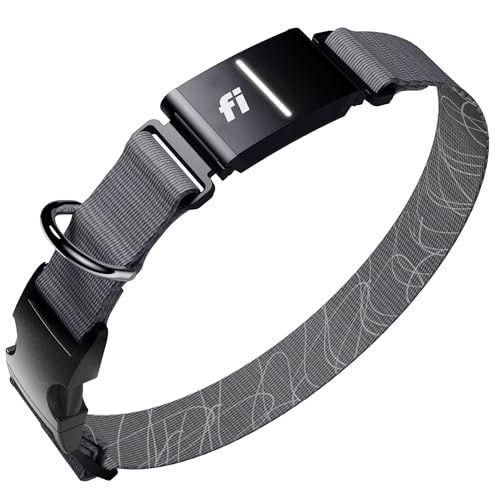
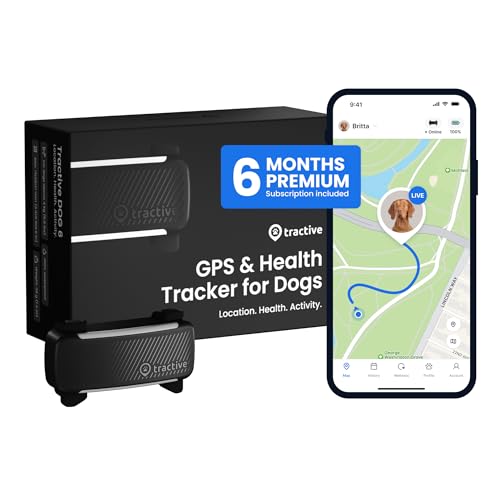
For an Australian Shepherd, the best pick is a rugged, waterproof real-time cellular (LTE) GPS tracker with live location, geofence escape alerts, and good battery life. Aussies are athletic herding dogs with real stamina and strong roaming and chasing instincts, so if one bolts a fence or takes off after wildlife it can cover ground fast. A live tracker tells you exactly where your dog is right now and pings you the moment it leaves a safe zone. Note that real-time GPS almost always needs a paid subscription, so budget for the monthly or annual plan.
What GPS tracker suits an Australian Shepherd
Choose a true cellular GPS tracker built for active outdoor dogs. It should survive mud, water, and brush, hold a charge through a full day of exercise, and clip securely to a sturdy collar or harness without snagging on that thick double coat. Activity and step tracking is a genuine bonus for a working breed that needs a lot of daily exercise, letting you confirm your dog is actually burning off energy. Rural and semi-rural owners should check the coverage map for their area before buying, since real-time tracking depends on cellular signal.
What to look for
Prioritise real-time LTE GPS with live location rather than a fixed ping interval. Look for geofence or virtual fence alerts that notify you instantly when your dog leaves home. Waterproofing of IP67 or better handles a swim or a muddy run. Battery life of several days to a few weeks means fewer dead-tracker moments. A secure clip or collar-integrated mount keeps the unit attached during running, jumping, and herding. Activity and step goals help you manage this high-energy breed and confirm it is getting enough exercise. Finally, weigh the subscription cost up front, because live tracking is an ongoing plan, not a one-time purchase, and a plan that fits your budget is one you will keep active.
How we chose
We focused on the traits that matter most for a fast, escape-prone herder: live cellular tracking, reliable geofence alerts, rugged waterproof builds, honest battery figures, and coverage that actually works in rural areas. We favoured trackers with secure collar or harness mounting and useful activity tracking, since a working breed benefits from exercise data. We also weighed how easy each app is to set up a safe zone in, and we flag subscription costs plainly so there are no surprises after purchase. Where a tag lacks true GPS, we say so rather than letting the marketing imply live tracking it cannot deliver.
What to avoid
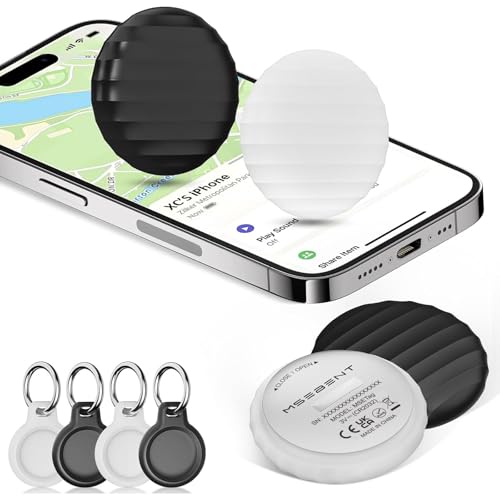
Avoid cheap Bluetooth or AirTag-style tags for a runner. These are not true GPS; they only help you find a dog nearby or through a crowd-finding network, which is useless if your Aussie sprints miles into the countryside. Skip trackers with weak or unclear coverage in your region, flimsy clips that pop off during rough play, and any listing that hides its subscription requirement. For a herding dog that can vanish over a hill, a real cellular GPS with escape alerts is worth the monthly fee.