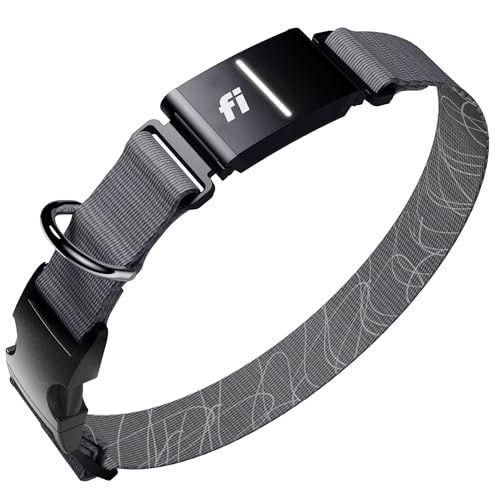
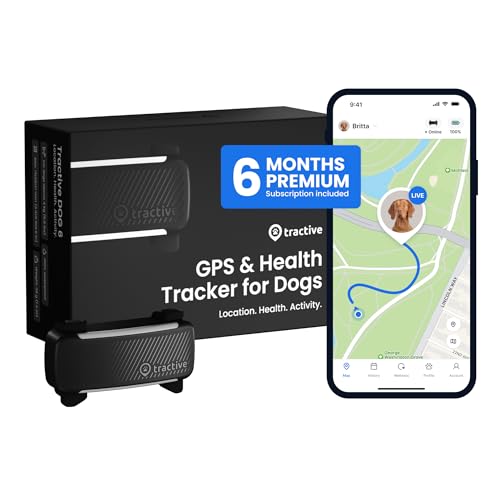
Quick answer
A real GPS tracker clips to your Labrador’s collar and shows live location on your phone over a cellular signal, so you can find a curious, scent driven Lab that slips the yard or bolts on a walk. Plan for two costs, not one, the device and a monthly or annual subscription for the cell data. Favor solid coverage, several days of battery, and a waterproof build for a dog that swims and rolls in mud. A tracker helps you find your dog fast, but it does not stop an escape, so pair it with a secure yard, recall training, and an up to date ID tag and microchip.
What a GPS tracker does (and does not do)
A cellular GPS tracker reports your Lab’s position in near real time over a phone network, which means the range is effectively unlimited as long as there is signal. Many add a virtual fence or geofence that alerts you the moment your dog leaves a safe zone. What it does not do is prevent the escape itself. It will not hold a boundary like a fence, and it is not a substitute for a microchip, the permanent ID a vet or shelter scans if the collar ever comes off. Think of the tracker as the tool that helps you act quickly, not one that keeps your dog home.
What to look for
First, confirm it is a true GPS unit, not a short range Bluetooth tag that only pings when your dog is near your phone. Check coverage in your area and the update rate, since faster live updates matter when a Lab is running. Battery life is key for an active breed, so favor several days between charges. Waterproofing to at least IP67 or IP68 handles swimming and mud. Weigh the subscription, since plans vary and longer commitments often cost less. Finally, make sure the unit sits securely on the collar without being heavy enough to bother your dog.
How we chose
We compared cellular GPS trackers built for medium to large dogs, then weighed live update speed, coverage, battery life, waterproof rating, subscription cost, and how securely each mounts on a collar. We favored models with a reliable geofence alert and a comfortable fit for a 55 to 80 pound Labrador. We also flagged where a device leans on a paid plan so the ongoing cost is clear before you buy, rather than a surprise after the box arrives.
What to avoid
Skip Bluetooth only tags if your real worry is a Lab that roams far, since they cannot find a dog beyond phone range. Avoid bulky units that strain the collar, and do not ignore the subscription in the total price. Most of all, do not treat any tracker as escape proofing. It finds your dog, it does not fence one, so keep the yard secure, keep recall training up, and keep that microchip registration current.