๐Ÿ† Complete Buyer's Guide ยท Dog Care Products

Best Dog Harness for Hip Dysplasia 2026: 5 Support Options

Hip dysplasia often affects large breeds. We compare 5 rear-support harnesses, including the Ruffwear Web Master, to help your dog walk comfortably.

Some links below are affiliate links. If you buy through them we may earn a small commission at no extra cost to you. Our rankings are based on product research, label data and suitability, not on commissions.

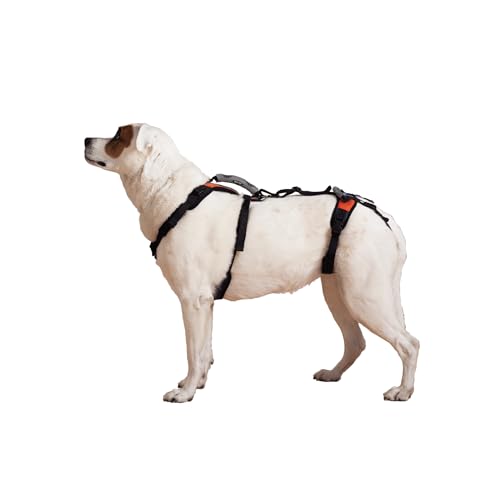
Ruffwear Web Master Dog Harness โ˜… Top Pick: Ruffwear Web Master Dog Harness Check Price on Amazon →
Hips
Joint most affected by dysplasia
2-finger
Ideal gap for a snug, safe fit
5
Real harnesses compared
Rear
Support area many dysplasia dogs need most
โšก Key takeaways
  • Best Overall: Ruffwear Web Master Dog Harness. This secure, multi-use harness has a padded chest and belly panel plus a reinforced top ha.
  • Best for Rear Support: GingerLead Dog Support and Rehabilitation Sling. Built specifically for hip and rear-leg weakness, this sling cradles the lower belly and h.
  • Best Full-Body Support: HELP EM UP Harness. This two-part harness has both a chest and a hip section, each with a sturdy padded handle.
  • Best Budget: Rabbitgoo No-Pull Dog Harness. An affordable, well-padded vest harness with four adjustment points, two leash attachment.
  • Best for Everyday and Car: Kurgo Tru-Fit Smart Harness. A durable five-point harness with a steel nesting buckle, padded chest plate, and an inclu.
At a Glance

Quick Comparison

Quick answer

For most dogs with hip dysplasia, our editorial team rates the Ruffwear Web Master Harness as the best overall choice. It has a padded chest and belly panel plus a sturdy reinforced handle, so you can assist your dog up stairs and into the car without putting load on the neck or front legs alone. If your dog needs dedicated rear-end lifting, the GingerLead Support Sling fits better because it cradles the hips and groin directly. For full-body mobility support on a senior or post-surgery dog, the HELP EM UP Harness is the stronger pick, and budget shoppers who only need gentle daily walks should look at the Rabbitgoo No-Pull Harness.

What to consider for Dog Harness For Dogs With Hip Dysplasia

Hip dysplasia means the hip joint is loose or malformed, which leads to pain, stiffness, and reduced rear-leg strength. The harness goal is not pulling control. It is load redistribution and safe lifting. A dog with sore hips often struggles to stand up, climb stairs, jump into a car, or walk on slick floors, and grabbing a collar or scruff to help can hurt the neck and spine.

Look for a harness that spreads weight across the chest and belly rather than yanking from the shoulders. A padded, reinforced top handle lets you gently guide your dog upward to take pressure off the hips during the hardest moments, such as rising from a lying position. For more advanced cases, a rear support sling or a two-part lift harness that supports the hips directly is far more useful than a standard walking harness. Avoid anything that compresses the abdomen near the groin or sits tightly over the hip joints. Because hip dysplasia is a medical condition, talk with your veterinarian about your dog’s specific stage and any post-surgery restrictions before choosing a support method, and ask a certified trainer or rehab professional how to lift safely.

What to look for in a gear item (harness, collar, leash or muzzle)

Correct fit and sizing. Measure your dog’s chest girth at the widest point behind the front legs and the neck base, then match the brand size chart. A snug two-finger gap is the target. Loose harnesses shift and chafe, and over-tight ones restrict an already uncomfortable gait.

Durable hardware and materials. For a support harness that bears real weight, look for reinforced stitching, wide nylon or polyester webbing, and metal load-bearing D-rings or handles rather than thin plastic clips.

Safety features. Escape resistance matters for anxious or stiff dogs, a no-choke chest design protects the trachea, and reflective trim helps on early or late walks when many senior dogs prefer to go out.

Comfort and padding. Soft foam or fleece padding across the chest, belly, and any lifting straps prevents pressure points, which is critical when a dog is already managing joint pain.

No-pull design where relevant. A front clip can reduce lunging, but for dysplasia dogs the priority is gentle support, so a back or top handle setup is usually more appropriate than aggressive no-pull steering.

How we chose these picks

  • We compared products using publicly available manufacturer specifications, size charts, and material details.
  • We prioritized rear-end and full-body support features genuinely useful for hip and mobility issues, not just walking control.
  • We checked that padded handles and lifting straps use reinforced stitching and metal or heavy-duty hardware.
  • We read large volumes of verified owner feedback to surface real, repeated complaints rather than one-off issues.
  • We confirmed each product is currently sold and available in a range of sizes from small to large dogs.
  • We favored escape-resistant, no-choke designs that protect the neck and spine during assisted movement.
  • We flagged honest trade-offs such as bulk, price, or difficulty putting the harness on a stiff dog.
  • Never ranked a product higher just because it pays a commission.

What to avoid

  • Ill-fitting sizes. A harness that is too loose slips and rubs sore areas, while one too tight restricts an already painful gait. Always measure and check the chart.
  • Flimsy clips that fail on strong dogs. Thin plastic buckles can crack or pop under lifting load, which is dangerous when you are supporting your dog’s weight on stairs.
  • Aversive tools used without professional guidance. Choke, prong, or shock collars are inappropriate for a dog in joint pain and should never be used without a qualified professional. The AVMA and APDT advise against aversive equipment.
  • Retractable leashes near traffic. They give a stiff or unsteady dog too much room to wander and offer almost no control if your dog stumbles near a road.

For more help choosing gear and caring for a senior or special-needs dog, browse our dog guides, our dog health resources, and our dog care products section.

Why this matters

Hip dysplasia is most common in large and giant breeds, so the harness that helps most is usually one that supports the rear or whole body, not a standard no-pull front-clip walking harness designed mainly for control.

The Options

Types Explained

Everyday support vest harness

A padded back or front-clip vest that distributes leash pressure across the chest instead of the neck, often with a light top handle.

Best for: Milder hip dysplasia where the dog still walks fairly comfortably and only needs a kinder, no-choke everyday harness.

Rear support sling

A padded strap that cradles the lower belly and hips with a handle, letting you bear some of the dog's rear weight.

Best for: Dogs with weak or painful hind ends who need help on stairs, slick floors, or short recovery walks.

Full-body lift harness

A two-part design with separate chest and hip sections, each with its own padded handle for front, rear, or combined lifting.

Best for: Senior dogs, advanced dysplasia, or post-surgery recovery where significant daily mobility assistance is needed.

Travel and car harness

A reinforced multi-point harness with a crash-tested or seat belt tether option and padded chest plate.

Best for: Dogs who ride frequently to vet or rehab appointments and need secure, comfortable restraint in the car.
The Rankings

Top 5 Picks

#1
Ruffwear Web Master Dog Harness
Best Overall

Ruffwear Web Master Dog Harness

View on Amazon

This secure, multi-use harness has a padded chest and belly panel plus a reinforced top handle, so you can steady your dog and assist short lifts without loading the neck. Five adjustment points give a snug, escape-resistant fit across many chest shapes. The trade-off is that it supports the chest and torso, not the hips directly, so dogs needing heavy rear-end lifting may need a dedicated sling instead.

#2
GingerLead Dog Support and Rehabilitation Sling
Best for Rear Support

GingerLead Dog Support and Rehabilitation Sling

View on Amazon

Built specifically for hip and rear-leg weakness, this sling cradles the lower belly and hips with padded fabric and an integrated leash handle, letting you bear some of your dog's weight on walks and stairs. It is excellent for recovery and dysplasia support. The downside is that it covers only the rear, so it is a supplement to a walking harness rather than an all-day everyday harness.

#3
HELP EM UP Harness
Best Full-Body Support

HELP EM UP Harness

View on Amazon

This two-part harness has both a chest and a hip section, each with a sturdy padded handle, so you can lift the front, the rear, or both for a dog with serious mobility loss or post-surgery needs. It can stay on most of the day. The trade-offs are a higher price and a more involved fitting process, so review the size chart carefully and allow time to adjust it correctly.

#4
Rabbitgoo No-Pull Dog Harness
Best Budget

Rabbitgoo No-Pull Dog Harness

View on Amazon

An affordable, well-padded vest harness with four adjustment points, two leash attachment points, and reflective strips for low-light walks. It distributes pressure across the chest rather than the neck, which suits gentle daily walks for milder cases. It does not offer a lifting handle or rear support, so it is best for dogs who still walk fairly comfortably and only need a kinder, no-choke everyday harness.

#5
Kurgo Tru-Fit Smart Harness
Best for Everyday and Car

Kurgo Tru-Fit Smart Harness

View on Amazon

A durable five-point harness with a steel nesting buckle, padded chest plate, and an included seat belt tether, useful for senior dogs who ride to vet or rehab appointments. The padding spreads pressure off the neck and the build holds up well. The trade-off is that it is a walking and travel harness without a dedicated lift handle, so it will not help you support a dog's hips on stairs.

Before You Buy

Key Buying Factors

01

Support type

Decide whether your dog needs gentle daily walking support, dedicated rear-end lifting, or full-body assistance. A standard vest harness, a rear sling, and a two-part lift harness solve different problems, so match the harness to your dog's stage of hip dysplasia.

02

Handle strength and placement

If you plan to assist your dog up stairs or into a car, choose a harness with a reinforced, padded handle positioned to lift evenly. Thin or unpadded handles dig in and can fail under real weight.

03

Padding and pressure points

Look for foam or fleece padding across the chest, belly, and any lifting straps. Good padding spreads load and prevents rubbing, which matters most when your dog is already managing joint discomfort.

04

Fit and adjustability

More adjustment points usually mean a better fit across an awkward or barrel-chested body. Measure chest girth and neck, then check the brand chart. A snug two-finger gap reduces both escape risk and chafing.

05

Ease of putting on

Stiff, painful dogs may resist step-in or over-the-head designs. A harness that buckles around the body without lifting legs high or bending the dog into position is gentler for an arthritic or dysplastic dog.

Living With It

Care, Cost and Maintenance

Fit it correctly every time

Measure chest girth behind the front legs and the neck base, then follow the brand size chart. Aim for a two-finger gap. Recheck the fit every few weeks, since weight changes and muscle loss are common with hip dysplasia and can shift the fit.

Lift gently and evenly

Use the padded handle to guide and support, not to hoist your dog quickly. Lift in line with the body to avoid twisting sore hips. Ask your veterinarian or a certified rehab professional to show you safe lifting technique for your dog's specific condition.

Keep it clean and inspect hardware

Most fabric harnesses can be hand washed or machine washed in a bag with mild detergent, then air dried fully to protect padding. Before each support session, inspect stitching, buckles, and D-rings for wear, since these bear real weight when you assist your dog.

Pro tip

Keep a flat ID collar on your dog at all times as a backup, but do all walking and lifting through a padded support harness, and ask your vet or a rehab professional to show you the correct lifting technique before you rely on it daily.

Frequently asked questions

How do I measure and size a harness for a dog with hip dysplasia?
Use a soft tape to measure chest girth at the widest point just behind the front legs, then measure the neck base where a collar would sit. Compare both numbers to the manufacturer size chart rather than guessing by breed. Aim for a snug fit where two fingers slide flat between the strap and your dog. For dysplasia dogs, fit matters extra because a loose harness shifts during lifting and a tight one restricts an already painful gait. Recheck the fit every few weeks, since muscle loss and weight changes are common and can quietly change the right size over time.
Do no-pull harnesses actually help dogs with hip dysplasia?
A no-pull front-clip design can reduce lunging, which spares sore joints from sudden jerks, so it offers some indirect benefit. However, no-pull steering is not the main goal for a dysplasia dog. The bigger priorities are spreading pressure off the neck and providing a handle or sling for support on stairs and rising. Many owners find a back-clip or top-handle harness more useful than an aggressive no-pull setup. If your dog pulls hard, pair gentle equipment with positive reinforcement training from a certified trainer rather than relying on the harness alone to manage strain.
How do I keep the harness escape-proof for a stiff or anxious dog?
Choose a harness with multiple adjustment points, ideally four or five, so you can tailor it to your dog's exact shape and close the gaps a determined dog backs out of. A snug two-finger fit across both the chest and neck is the single biggest factor in escape resistance. Y-front and full-vest styles tend to hold better than thin strap designs. Check the buckles click fully and inspect them before walks. Remember that no harness is completely escape-proof, so keep a properly fitted collar with ID tags on as a backup in case of a slip.
Is a harness or a collar better for a dog with hip dysplasia?
A harness is generally the better choice. Collars concentrate force on the neck and trachea, and any pulling or stumbling transmits a jolt up the spine, which is risky for a dog already managing joint pain. A well-fitted harness spreads pressure across the chest and, with the right design, lets you support the body or rear without grabbing the neck. Collars still have a role for holding ID tags, so most owners use both: a flat collar for identification and a support harness for walking and lifting. Avoid choke and prong collars entirely for these dogs.
What materials and durability should I look for in a support harness?
For any harness that bears real weight during lifting, prioritize wide nylon or polyester webbing, reinforced box stitching at stress points, and load-bearing hardware made of metal rather than thin plastic. Padded sections should use dense foam or fleece that holds its shape rather than thin batting that flattens. Check that handles are double-stitched and anchored to the main body, not just to a fabric flap. Lighter everyday vest harnesses can use plastic buckles safely for gentle walks, but if you intend to lift your dog, treat metal D-rings and reinforced handles as a requirement, not a bonus.
How do I wash and maintain a dog support harness?
Most fabric harnesses can be hand washed in lukewarm water with a mild, pet-safe detergent, or machine washed inside a laundry bag on a gentle cycle if the maker allows it. Always check the care label first, because some padded lift harnesses are spot-clean only. Avoid harsh bleach, which weakens webbing over time. Air dry the harness fully so foam padding does not stay damp and irritate skin. Before reusing it for support, inspect every buckle, ring, and seam for fraying or cracks, since worn hardware is the most common failure point on weight-bearing harnesses.
Does harness choice differ for a small dog versus a large dog with hip dysplasia?
Yes. Small dogs need lightweight, low-bulk harnesses that do not overwhelm a tiny frame, and their lift needs are usually modest since you can often support them by hand. Large and giant breeds, which are more prone to hip dysplasia, place far more load on hardware and handles, so reinforced stitching, metal rings, and a sturdy lift handle or two-part design become essential. Padding also matters more on big dogs because the weight you assist is greater. Always size by measured girth, not breed name, and confirm the model is rated for your dog's weight range.
Are there safety concerns when lifting a dog by a harness handle?
Yes, and technique matters as much as the equipment. Lifting too fast, twisting, or pulling sideways can strain already compromised hips, so always lift smoothly and in line with the body. Never use a single chest handle to hoist a dog with rear-end weakness, since that drags the painful hips. For real rear support, use a sling or a full-body harness designed for the load. Because hip dysplasia is a medical condition, ask your veterinarian or a certified rehabilitation professional to demonstrate safe lifting and to confirm there are no post-surgery restrictions before you start assisting your dog regularly.
Can a support harness replace veterinary treatment for hip dysplasia?
No. A harness is a comfort and mobility aid, not a treatment. It can make daily life easier by reducing strain on the neck and helping you support your dog on stairs, slick floors, and into the car, but it does not address the underlying joint problem. Hip dysplasia management may involve weight control, physical therapy, pain medication, joint supplements, or surgery, all guided by your veterinarian. Use a harness as one part of a broader care plan, and report any new limping, reluctance to move, or signs of pain to your vet so the overall approach can be adjusted appropriately.
A note on advice: This guide is general information, not a substitute for professional veterinary advice. Talk to your vet before changing your dog's diet or care routine, especially if your dog has allergies, kidney disease, pancreatitis, obesity, heart disease or any other medical condition.
Transparency

How we made this guide

How we chose. We compared the options on the factors that matter most for Dog Care Products, using manufacturer specifications, aggregated verified owner reviews and editorial comparison. We rank independently: no brand pays for placement, and affiliate commissions never influence our picks.

How it was written. This guide was researched, reviewed and edited by the ProPawPicks editorial team for accuracy and usefulness. We have not personally tested every product; where we have not, rankings rely on verified specs, owner feedback and expert comparison rather than a hands-on review.

Affiliate disclosure. ProPawPicks is reader-supported. If you buy through links on our site, we may earn a commission at no extra cost to you. See our affiliate disclosure.

Keep Reading

More Dog Care Products guides

Insulated Dog Jackets: 4 Best Picks Reviewed for 2026View picks โ†’Interactive Dog Toys for Boredom: Our ShortlistView picks โ†’Invisible Dog Fence for Large Dogs: 5 Best Picks (2026)View picks โ†’The Best Invisible Fence for Dog WirelessView picks โ†’Buying Guide: Best IP Cameras for Baby Pets (2026)View picks โ†’Best Robot Vacuum for Pets? Our 5 Top Picks TestedView picks โ†’

Sources and further reading

Some links below are affiliate links. If you buy through them we may earn a small commission at no extra cost to you. Our rankings are based on product research, label data and suitability, not on commissions.