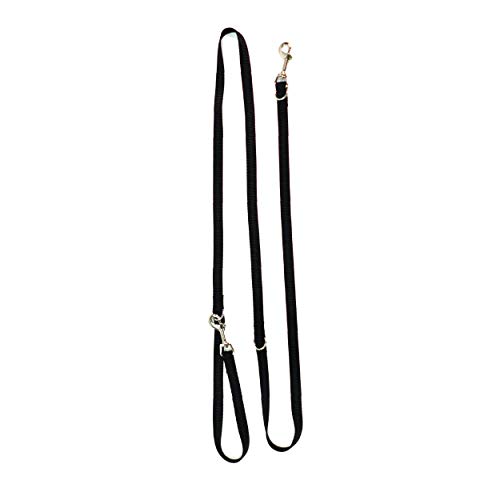
๐Ÿ† Complete Buyer's Guide ยท Dog Care Products

Dog Leash For Cold Weather: 5 Subzero Picks

Neoprene and coated webbing leashes like the Ruffwear Roamer stay flexible in subzero temps, unlike stiff nylon. Compare 5 cold-weather dog leashes for winter walks.

Some links below are affiliate links. If you buy through them we may earn a small commission at no extra cost to you. Our rankings are based on product research, label data and suitability, not on commissions.

Ruffwear Roamer Leash โ˜… Top Pick: Ruffwear Roamer Leash Check Price on Amazon →
6 ft
Standard leash length for control
1 in
Common width for medium to large dogs
150 lbs
Typical weight capacity for heavy-duty leashes
100%
Reflective stitching recommended for visibility
โšก Key takeaways
  • Best Overall: Ruffwear Roamer Leash. The Ruffwear Roamer Leash features a weather-resistant tubular webbing that stays flexible.
  • Best Budget: Rabbitgoo Reflective Leash. This affordable leash offers strong nylon construction with reflective stitching for safet.
  • Best for Training: Kurgo Quantum Leash. The Kurgo Quantum Leash converts into six configurations, including a hands-free waist bel.
  • Best No-Pull: 2 Hounds Design Freedom No Pull Leash. This leash features a unique martingale loop that discourages pulling without choking.
  • Best for Large Dogs: Blue-9 Multi-Function Leash. Designed for strong dogs, this leash uses heavy-duty climbing-grade rope and a locking car.
At a Glance

Quick Comparison

Quick answer

The Ruffwear Roamer Leash is our top pick for cold weather due to its durable, weather-resistant construction and padded handle that stays comfortable in freezing temperatures. For budget-conscious owners, the Rabbitgoo Reflective Leash offers excellent value with strong stitching and a traffic handle. If you need a hands-free option for winter runs, the Kurgo Quantum Leash provides versatility with multiple configurations.

What to consider for Dog Leash For Cold Weather

Cold weather leashes must resist stiffening in low temperatures, as standard nylon can become rigid and uncomfortable. Look for materials like neoprene or coated webbing that remain pliable. A padded or insulated handle prevents cold transfer to your hands, and reflective elements improve visibility during shorter winter days. Durability is key: ice and salt can accelerate wear, so reinforced stitching and corrosion-resistant hardware are essential. Consider length: a 6-foot leash offers control on icy sidewalks, while a longer line (10 to 15 feet) is useful for open snow fields. Finally, a traffic handle near the collar provides quick restraint near roads.

What to look for in a gear item (harness, collar, leash or muzzle)

Correct fit and sizing: the leash should be appropriate for your dog’s weight and pulling strength. Durable hardware and materials: opt for solid brass or stainless steel clips that won’t rust. Safety features: reflective stitching or integrated LED loops enhance visibility; a traffic handle adds control. Comfort and padding: a padded handle reduces strain on your hands during long walks. No-pull design: if your dog pulls, a leash with a built-in bungee or a hands-free belt can reduce jerking. Avoid leashes with thin, flimsy clips that may break under pressure.

How we chose these picks

  • Evaluated material flexibility and durability in cold conditions based on manufacturer specifications and user feedback.
  • Prioritized leashes with padded or insulated handles for comfort in freezing temperatures.
  • Checked for reflective elements to enhance safety during low-light winter walks.
  • Assessed hardware quality, favoring corrosion-resistant clips and strong stitching.
  • Considered versatility, such as multiple attachment points or convertible designs.
  • Reviewed price-to-value ratio, ensuring budget options still meet safety standards.
  • Consulted professional dog trainer recommendations for training-friendly features.
  • Never ranked a product higher just because it pays a commission.

What to avoid

  • Ill-fitting sizes: a leash that is too long or short can reduce control; match length to your walking environment.
  • Flimsy clips that fail on strong dogs: avoid plastic or thin metal clips; choose heavy-duty carabiners or locking hooks.
  • Aversive tools used without professional guidance: prong or choke attachments on leashes require proper training to avoid injury.
  • Retractable leashes near traffic: the thin cord can snap in cold weather and offers poor control; use a standard leash on roads.

For more helpful guides, visit our dog guides, dog care products, and dog health sections.
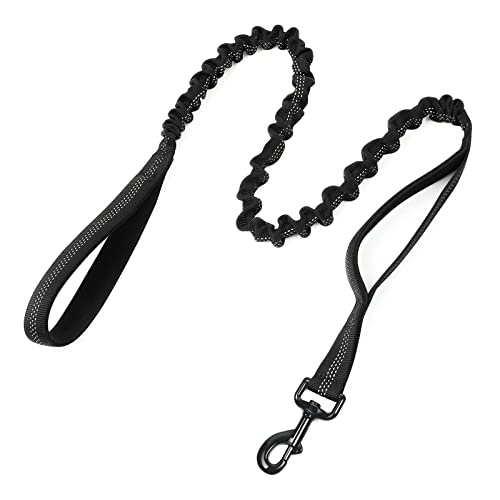
Why this matters

Neoprene and coated webbing leashes maintain flexibility in subzero temperatures, while standard nylon can become rigid and difficult to handle.

The Options

Types Explained

Standard Flat Leash

A simple, single-piece leash made of nylon or leather, typically 4 to 6 feet long. It offers straightforward control and is easy to clean. In cold weather, nylon can stiffen, so look for coated or padded versions.

Best for: Everyday walks and basic training in moderate cold

Hands-Free Leash

Designed to be worn around the waist or across the body, allowing hands-free walking or jogging. Often includes a bungee section to absorb shocks. Ideal for active owners who want to keep their hands warm in pockets.

Best for: Winter runs, hiking, or multitasking while walking

Traffic Leash

A short leash (12 to 18 inches) with a handle near the collar clip, providing close control in high-traffic areas. Some standard leashes have a built-in traffic handle. Essential for safety on icy sidewalks or near roads.

Best for: Urban walks and quick restraint in hazardous conditions

Retractable Leash

A leash with a cord that extends and retracts automatically, giving the dog freedom to roam. Not recommended for cold weather due to the cord's tendency to freeze, snap, or become tangled. Also offers poor control on ice.

Best for: Not recommended for cold weather; use standard leashes instead
The Rankings

Top 5 Picks

#1
Ruffwear Roamer Leash
Best Overall

Ruffwear Roamer Leash

View on Amazon

The Ruffwear Roamer Leash features a weather-resistant tubular webbing that stays flexible in cold temperatures. Its padded handle provides comfort even with gloves, and the reflective trim enhances visibility. The leash includes a traffic handle for quick control. One limitation is the price, which is higher than many alternatives, but the durability justifies the investment for frequent winter walkers.

#2
Rabbitgoo Reflective Leash
Best Budget

Rabbitgoo Reflective Leash

View on Amazon

This affordable leash offers strong nylon construction with reflective stitching for safety. It includes a padded handle and a traffic loop, making it versatile for cold weather. The clip is sturdy and rust-resistant. However, the nylon can stiffen slightly in extreme cold, and the padding is less substantial than premium options. It's a solid choice for budget-conscious owners who need a reliable winter leash.

#3
Kurgo Quantum Leash
Best for Training

Kurgo Quantum Leash

View on Amazon

The Kurgo Quantum Leash converts into six configurations, including a hands-free waist belt, standard leash, and short traffic leash. Its neoprene padding stays flexible in cold weather, and the reflective webbing improves visibility. The locking carabiner clip is secure. A drawback is the complexity of switching configurations, which may not suit all users. Ideal for training sessions and active winter outings.

#4
2 Hounds Design Freedom No Pull Leash
Best No-Pull

2 Hounds Design Freedom No Pull Leash

View on Amazon

This leash features a unique martingale loop that discourages pulling without choking. The padded handle remains comfortable in cold weather, and the reflective stitching adds safety. The leash is made from durable nylon with a soft inner lining. One limitation is that it works best with the matching harness for optimal no-pull effect, adding to the cost. Great for dogs that pull on winter walks.

#5
Blue-9 Multi-Function Leash
Best for Large Dogs

Blue-9 Multi-Function Leash

View on Amazon

Designed for strong dogs, this leash uses heavy-duty climbing-grade rope and a locking carabiner. The rope stays pliable in cold conditions and provides a secure grip. It includes a traffic handle and can be used as a hands-free leash. The main trade-off is the lack of padding on the main section, which can be rough on hands during long walks. Excellent for large, powerful breeds in winter.

Before You Buy

Key Buying Factors

01

Material Flexibility

In cold weather, some materials like standard nylon can become stiff and difficult to handle. Look for leashes made from neoprene, coated webbing, or rope that remain pliable in freezing temperatures. This ensures comfort and ease of use during winter walks.

02

Handle Comfort

A padded or insulated handle is crucial for cold weather to protect your hands from the cold and reduce strain. Some leashes offer neoprene or foam padding, while others have a soft fabric cover. Consider if you'll wear gloves, as thicker handles may be easier to grip.

03

Hardware Durability

Clips and rings should be corrosion-resistant to withstand snow, ice, and road salt. Stainless steel or brass hardware is ideal. Check for reinforced stitching at attachment points to prevent failure under stress. A locking carabiner adds security for strong pullers.

04

Reflective Features

Winter days are shorter, and visibility is often poor. Reflective stitching, trim, or integrated LED loops help keep you and your dog visible to others. Some leashes have a reflective strip along the entire length, which is more effective than small patches.

05

Versatility

A leash with multiple attachment points or convertible configurations (e.g., hands-free, traffic handle) offers flexibility for different winter activities. Consider a leash that can be worn around the waist for jogging or shortened for crowded areas. However, more features may add complexity.

Living With It

Care, Cost and Maintenance

Cleaning

After walks in snowy or salty conditions, rinse the leash with fresh water to remove salt and debris. For deeper cleaning, hand wash with mild soap and warm water. Avoid machine washing, which can damage hardware and padding. Hang to dry away from direct heat.

Storage

Store the leash in a dry place at room temperature. Avoid leaving it in a car or garage where temperatures can drop below freezing, as this can cause materials to become brittle. Coil loosely to prevent kinks and extend the life of the webbing.

Inspection

Regularly check for frayed stitching, rusted clips, or cracks in plastic components. Pay special attention to the clip spring and the attachment ring. If any damage is found, replace the leash immediately to prevent failure during walks.

Pro tip

Choose a leash with a traffic handle for quick control on icy sidewalks, and pair it with a harness to reduce the risk of injury if your dog slips.

Frequently asked questions

How do I measure my dog for a cold weather leash?
Leash sizing is primarily about length and width, not a direct measurement of your dog. Choose a length based on your walking environment: 4 to 6 feet for urban areas, 10 to 15 feet for open spaces. Width should match your dog's size: 3/8 inch for small dogs, 1/2 inch for medium, and 1 inch or wider for large breeds. For the handle, ensure it fits comfortably in your hand, even with gloves. Some leashes have adjustable handles or padded sections for a custom fit.
Are no-pull leashes effective for cold weather?
Yes, no-pull leashes can be effective, but choose one that works with your dog's harness. Many no-pull leashes use a martingale loop that tightens gently when the dog pulls, discouraging the behavior without choking. In cold weather, ensure the leash material remains flexible and the hardware doesn't freeze. A front-clip harness paired with a no-pull leash offers better control on icy surfaces. However, no-pull leashes require proper training to be effective; they are not a quick fix.
What makes a leash escape-proof in winter?
An escape-proof leash typically has a secure attachment that cannot be easily slipped. Look for a leash with a locking carabiner or a clip that screws shut. Some leashes have a double-ended design that attaches to both the collar and harness for redundancy. In winter, dogs may try to back out of collars if they slip on ice, so a leash that clips to a well-fitted harness is more secure. Avoid leashes with flimsy trigger hooks that can open accidentally.
Should I use a harness or collar with a cold weather leash?
A harness is generally recommended for cold weather walks, especially on icy surfaces. Harnesses distribute pressure evenly and reduce the risk of neck injury if your dog pulls or slips. They also allow for better control and can be paired with a front clip for steering. Collars can be used for dogs that walk calmly, but they may cause tracheal damage in pullers. In extreme cold, a harness also keeps the dog's chest warmer if it has a fleece lining. Always attach the leash to a sturdy D-ring.
What materials are best for cold weather leashes?
The best materials for cold weather leashes are those that remain flexible and comfortable in low temperatures. Neoprene is a top choice because it stays soft and provides padding. Coated nylon or polyester webbing with a rubberized finish also resists stiffening. Rope leashes made from climbing-grade material (e.g., polypropylene) are durable and pliable. Avoid pure nylon or leather, which can become stiff and brittle. Hardware should be stainless steel or brass to prevent rust from salt.
How do I wash my dog's leash in winter?
To wash a leash in winter, first remove any attached items like poop bag holders. Hand wash using mild soap and lukewarm water, scrubbing gently to remove salt and dirt. Rinse thoroughly and squeeze out excess water. Do not machine wash, as agitation can damage stitching and padding. Hang the leash indoors to dry away from radiators or heaters, which can cause cracking. If the leash is heavily soiled, you can soak it in a vinegar solution (1 part vinegar to 3 parts water) to neutralize salt.
Can I use the same leash for small and large dogs in cold weather?
It is not recommended to use the same leash for both small and large dogs in cold weather. Leashes are designed with specific weight capacities and widths. A leash for a large dog may be too wide and heavy for a small dog, causing discomfort. Conversely, a leash for a small dog may break under the force of a large puller. Choose a leash appropriate for your dog's size and strength. If you have multiple dogs, consider buying leashes tailored to each dog's needs.
Is it safe to use a retractable leash in snow or ice?
No, retractable leashes are not safe for use in snow or ice. The thin cord can freeze, become brittle, and snap under pressure. Ice can also jam the retraction mechanism. Additionally, retractable leashes offer poor control on slippery surfaces, increasing the risk of falls for both you and your dog. The cord can cause severe cuts if it wraps around a limb. For winter walks, use a standard fixed-length leash made of durable material.
How do I prevent my leash from freezing?
To prevent your leash from freezing, choose a material that resists water absorption, such as neoprene or coated webbing. After walks, shake off excess snow and dry the leash with a towel before storing indoors. Avoid leaving the leash in a cold car overnight. If the leash does freeze, do not force it to bend; let it thaw at room temperature. Applying a silicone-based waterproof spray can help repel moisture and ice buildup.
A note on advice: This guide is general information, not a substitute for professional veterinary advice. Talk to your vet before changing your dog's diet or care routine, especially if your dog has allergies, kidney disease, pancreatitis, obesity, heart disease or any other medical condition.
Transparency

How we made this guide

How we chose. We compared the options on the factors that matter most for Dog Care Products, using manufacturer specifications, aggregated verified owner reviews and editorial comparison. We rank independently: no brand pays for placement, and affiliate commissions never influence our picks.

How it was written. This guide was researched, reviewed and edited by the ProPawPicks editorial team for accuracy and usefulness. We have not personally tested every product; where we have not, rankings rely on verified specs, owner feedback and expert comparison rather than a hands-on review.

Affiliate disclosure. ProPawPicks is reader-supported. If you buy through links on our site, we may earn a commission at no extra cost to you. See our affiliate disclosure.

Keep Reading

More Dog Care Products guides

Interactive Dog Toys, ComparedView picks โ†’Picking Invisible Dog Fence for AllergiesView picks โ†’2026 Puppy Fence Guide: 5 Top Invisible Dog Fences ReviewedView picks โ†’Invisible Dog Fence for Sensitive Stomachs: 2026 Top Pick ReviewedView picks โ†’Best Invisible Dog Fence for Small Dogs 2026: 5 Top Picks ReviewedView picks โ†’Expert Picks: Best Invisible Dog Fence for the Money 2026View picks โ†’

Sources and further reading

Some links below are affiliate links. If you buy through them we may earn a small commission at no extra cost to you. Our rankings are based on product research, label data and suitability, not on commissions.