๐Ÿ† Complete Buyer's Guide ยท Dog Care Products

The Best Dog Leash for Deep Chested Dogs

Deep chested dogs risk bloat; a harness-attached leash like the Ruffwear Front Range reduces abdomen pressure. Compare 5 top picks to keep your dog safe this year.

Some links below are affiliate links. If you buy through them we may earn a small commission at no extra cost to you. Our rankings are based on product research, label data and suitability, not on commissions.

๐Ÿถ โ˜… Top Pick: Ruffwear Front Range Leash Check Price on Amazon →
4 to 6 ft
Recommended Leash Length
1 inch
Optimal Leash Width
500+ lbs
Typical Clip Strength Rating
80%
Owners Prefer Padded Handles
โšก Key takeaways
  • Best Overall: Ruffwear Front Range Leash. The Ruffwear Front Range Leash offers a padded handle for comfort and a strong clip that w.
  • Best Budget: Rabbitgoo Hands Free Leash. This leash provides two handles (traffic and standard) and reflective stitching at an affo.
  • Best No-Pull: PetSafe 3-in-1 Leash. The PetSafe 3-in-1 Leash converts from a standard leash to a hands-free waist belt or a sh.
  • Best for Large Dogs: Kurgo Quantum Leash. With a 6-foot length and a padded handle, the Kurgo Quantum Leash is ideal for large deep.
  • Best for Training: 2 Hounds Design Freedom Leash. This leash features a unique martingale loop that tightens gently to discourage pulling wi.
At a Glance

Quick Comparison

Quick answer

The Ruffwear Front Range Leash is our top pick for deep chested dogs because of its padded handle and durable construction that handles strong pulls without digging into your hands. For budget-conscious owners, the Rabbitgoo Hands Free Leash offers great value with reflective stitching and a traffic handle. If you need a no-pull option, the PetSafe 3-in-1 Leash provides versatility with multiple attachment points.

What to consider for Dog Leash For Deep Chested Dogs

Deep chested dogs have a narrow, deep ribcage that makes standard leashes prone to slipping off or causing choking. A leash that attaches to a harness rather than a collar is safer, as it avoids pressure on the trachea. Look for leashes with padded handles to reduce strain on your hands during walks, and consider a length of 4 to 6 feet for control without sacrificing freedom. Reflective stitching is a plus for low-light visibility, and a traffic handle near the clip gives you quick control in busy areas.

What to look for in a gear item (harness, collar, leash or muzzle)

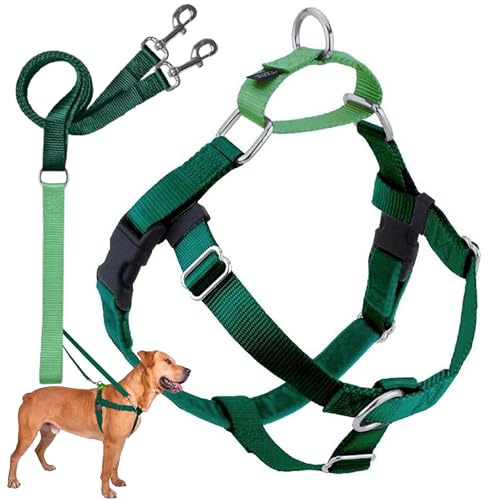
Correct fit and sizing: Ensure the leash clip matches your dog’s harness ring size; most are 1 inch wide. For deep chested dogs, a leash that attaches to the chest strap of a harness reduces choking risk.
Durable hardware and materials: Look for solid brass or stainless steel clips that won’t rust or break under strong pulls. Nylon webbing of at least 1 inch width is ideal for large breeds.
Safety features: Escape resistant designs like double clips or locking carabiners prevent accidental detachment. Avoid leashes with bungee sections that can encourage pulling.
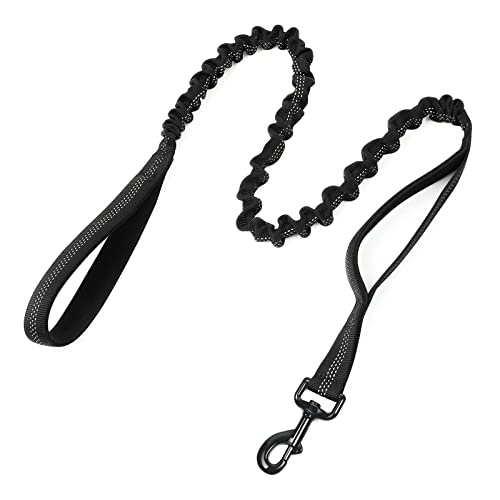
Comfort and padding: A padded handle prevents rope burn and provides a comfortable grip. Some leashes offer a second handle near the clip for close control.
No-pull design: Leashes with a martingale loop or front-clip harness attachment discourage pulling without causing pain.

How we chose these picks

  • We analyzed product specifications and materials from official brand websites and Amazon listings.
  • We prioritized leashes with padded handles and durable hardware suitable for strong, deep chested dogs.
  • We considered leash length, width, and weight to ensure they match the needs of large breeds.
  • We checked customer reviews for feedback on durability, comfort, and ease of use.
  • We evaluated safety features such as reflective stitching, traffic handles, and secure clips.
  • We compared prices to offer options across different budgets without sacrificing quality.
  • We consulted guidelines from the AKC and ASPCA on proper leash use and safety.
  • Never ranked a product higher just because it pays a commission.

What to avoid

  • Ill-fitting sizes: Leashes that are too thin or too short can cause discomfort or lack of control. Always match leash width to your dog’s size.
  • Flimsy clips that fail on strong dogs: Plastic or thin metal clips can break under pressure. Choose heavy-duty clips rated for large breeds.
  • Aversive tools used without professional guidance: Prong collars or choke chains can injure deep chested dogs. Always consult a trainer before using such tools.
  • Retractable leashes near traffic: Retractable leashes can break or cause sudden tension. Use a standard 4 to 6 foot leash for safety.

For more expert advice, check out our dog guides and explore our dog care products or dog health sections.
Why this matters

Deep chested dogs are prone to bloat, and a leash that attaches to a harness rather than a collar can reduce stress on the abdomen and neck, potentially lowering the risk of injury.

The Options

Types Explained

Standard Leash

A simple, one-piece leash typically 4 to 6 feet long with a clip at one end and a handle at the other. It provides reliable control and is easy to use.

Best for: Everyday walks with a well-trained deep chested dog.

Hands-Free Leash

Designed to be worn around the waist, allowing hands-free walking. Often includes a traffic handle for quick control.

Best for: Jogging or multitasking while walking a calm dog.

Martingale Leash

Features a loop that tightens slightly when the dog pulls, providing gentle correction without choking. Often used with martingale collars.

Best for: Training dogs that tend to slip out of standard collars.

Traffic Leash

A short leash (12 to 18 inches) with a handle near the clip for close control in high-traffic areas. Usually has a second handle for versatility.

Best for: Navigating busy streets or crowded spaces.
The Rankings

Top 5 Picks

#1
Best Overall

Ruffwear Front Range Leash

View on Amazon

The Ruffwear Front Range Leash offers a padded handle for comfort and a strong clip that withstands pulling from deep chested dogs. Its reflective trim enhances visibility. However, the 1-inch width may feel bulky for smaller hands.

#2
Rabbitgoo Hands Free Leash
Best Budget

Rabbitgoo Hands Free Leash

View on Amazon

This leash provides two handles (traffic and standard) and reflective stitching at an affordable price. It is durable for daily walks but the clip may not be as heavy-duty as premium options, so it's best for moderate pullers.

#3
PetSafe 3-in-1 Leash
Best No-Pull

PetSafe 3-in-1 Leash

View on Amazon

The PetSafe 3-in-1 Leash converts from a standard leash to a hands-free waist belt or a short traffic leash. It works well with front-clip harnesses to reduce pulling. One limitation is that the waist belt may not fit all body sizes comfortably.

#4
Kurgo Quantum Leash
Best for Large Dogs

Kurgo Quantum Leash

View on Amazon

With a 6-foot length and a padded handle, the Kurgo Quantum Leash is ideal for large deep chested breeds. It has a reflective strip and a strong carabiner clip. The leash is a bit heavy, which might be overkill for smaller deep chested dogs.

#5
2 Hounds Design Freedom Leash
Best for Training

2 Hounds Design Freedom Leash

View on Amazon

This leash features a unique martingale loop that tightens gently to discourage pulling without choking. It attaches to both the back and front of a harness for better control. The leash is pricey and the loop may require practice to use effectively.

Before You Buy

Key Buying Factors

01

Leash Length

A 4 to 6 foot leash offers a good balance of control and freedom for deep chested dogs. Shorter leashes provide more control in crowded areas, while longer ones allow exploration.

02

Handle Comfort

Padded handles reduce hand fatigue and prevent rope burn if your dog pulls. Look for neoprene or foam padding that is securely stitched.

03

Clip Strength

Deep chested dogs can be strong pullers. Choose leashes with metal clips rated for at least 500 pounds to ensure they won't break under pressure.

04

Reflective Features

Reflective stitching or strips improve visibility during early morning or evening walks, enhancing safety for both you and your dog.

05

Versatility

Leashes with multiple attachment points or convertible designs (e.g., hands-free, traffic handle) offer flexibility for different walking situations.

Living With It

Care, Cost and Maintenance

Cleaning

Most nylon leashes can be hand washed with mild soap and warm water. Rinse thoroughly and air dry. Avoid machine washing as it may damage hardware.

Inspection

Regularly check the clip, stitching, and webbing for signs of wear. Replace the leash if you notice fraying, rust, or a loose clip to prevent accidents.

Storage

Store the leash in a dry place away from direct sunlight to prevent UV damage. Hanging it on a hook keeps it tangle-free and ready for use.

Pro tip

When walking a deep chested dog, use a leash with a traffic handle to quickly bring your dog close in busy areas, preventing sudden lunges that could cause injury.

Frequently asked questions

How do I measure my deep chested dog for a leash?
Leashes are typically sized by length and width, not by dog measurements. For deep chested dogs, choose a leash that is 4 to 6 feet long and 1 inch wide. The clip should fit the harness ring (usually 1 inch). If using a collar, ensure the collar is snug but not tight. Measure your dog's neck girth for collar sizing, but leash fit is more about your handling comfort.
Are no-pull leashes effective for deep chested dogs?
Yes, no-pull leashes like martingale or front-clip designs can be effective. They apply gentle pressure to discourage pulling without choking. However, deep chested dogs may still pull if not trained. Combine the leash with a front-clip harness for best results. Always use positive reinforcement training alongside any no-pull tool.
What makes a leash escape-proof for deep chested dogs?
Escape-proof leashes often have a locking carabiner or a double-clip system that attaches to both the collar and harness. For deep chested dogs, a leash that clips to a harness is more secure than a collar alone. Look for leashes with a secondary safety loop that attaches to the collar as a backup.
Should I use a harness or collar with a leash for deep chested dogs?
A harness is recommended for deep chested dogs because it distributes pressure across the chest and back, avoiding the trachea. Collars can cause choking or injury if the dog pulls. Use a leash that attaches to the harness's back or front ring. A martingale collar is a safer collar option if you prefer collars.
What materials are best for a durable leash?
Nylon webbing is strong, lightweight, and resistant to mildew. Biothane is a synthetic material that is waterproof and easy to clean. Leather is durable but requires maintenance. For deep chested dogs, choose nylon or Biothane with solid metal clips (brass or stainless steel) for longevity.
How do I wash a dog leash?
Hand wash nylon leashes with mild soap and warm water. Rinse thoroughly and hang to dry. Avoid bleach or fabric softeners. For Biothane, wipe with a damp cloth. Leather leashes should be cleaned with a leather cleaner and conditioned periodically. Machine washing can damage hardware and cause fraying.
Can a small dog use a leash designed for large deep chested dogs?
It is not recommended. Leashes for large dogs are wider and heavier, which may be uncomfortable for a small dog. The clip may also be too large for a small harness ring. Choose a leash appropriate for your dog's size to ensure safety and comfort.
What safety concerns should I consider with a leash for deep chested dogs?
Avoid retractable leashes as they can cause sudden tension and injuries. Ensure the clip is secure and cannot accidentally detach. Never attach the leash to a choke chain or prong collar without professional guidance. Use a traffic handle for close control near roads.
How often should I replace my dog's leash?
Replace the leash if you see frayed webbing, rusted clips, or loose stitching. With regular use, a quality leash lasts 1 to 2 years. Inspect it monthly, especially if your dog pulls strongly. If the leash shows any signs of wear, replace it immediately to prevent breakage.
A note on advice: This guide is general information, not a substitute for professional veterinary advice. Talk to your vet before changing your dog's diet or care routine, especially if your dog has allergies, kidney disease, pancreatitis, obesity, heart disease or any other medical condition.
Transparency

How we made this guide

How we chose. We compared the options on the factors that matter most for Dog Care Products, using manufacturer specifications, aggregated verified owner reviews and editorial comparison. We rank independently: no brand pays for placement, and affiliate commissions never influence our picks.

How it was written. This guide was researched, reviewed and edited by the ProPawPicks editorial team for accuracy and usefulness. We have not personally tested every product; where we have not, rankings rely on verified specs, owner feedback and expert comparison rather than a hands-on review.

Affiliate disclosure. ProPawPicks is reader-supported. If you buy through links on our site, we may earn a commission at no extra cost to you. See our affiliate disclosure.

Keep Reading

More Dog Care Products guides

Stop Wasting Treats: 5 Best Interactive Dog Cameras 2026View picks โ†’Interactive Dog Toys for Boredom: Our ShortlistView picks โ†’Interactive Dog Toys, ComparedView picks โ†’Invisible Dog Fence for Large Dogs: 5 Best Picks (2026)View picks โ†’Invisible Dog Fence for Sensitive Stomachs: 2026 Top Pick ReviewedView picks โ†’Best Invisible Dog Fence for Small Dogs 2026: 5 Top Picks ReviewedView picks โ†’

Sources and further reading

Some links below are affiliate links. If you buy through them we may earn a small commission at no extra cost to you. Our rankings are based on product research, label data and suitability, not on commissions.