๐Ÿ† Complete Buyer's Guide ยท Dog Care Products

Finding the Best Dog Leash for Large Dogs

Large dogs can pull with over 500 pounds of force. We compared 5 leashes, including the secure Ruffwear Knot-a-Leash, to find the toughest for safety.

Some links below are affiliate links. If you buy through them we may earn a small commission at no extra cost to you. Our rankings are based on product research, label data and suitability, not on commissions.

Ruffwear Knot-a-Leash โ˜… Top Pick: Ruffwear Knot-a-Leash Check Price on Amazon →
50+ lbs
Recommended dog weight
4-6 ft
Ideal leash length
3/4 in
Minimum width for comfort
500+ lbs
Typical breaking strength of heavy-duty leashes
โšก Key takeaways
  • Best Overall: Ruffwear Knot-a-Leash. Made from climbing-grade dynamic rope, this leash absorbs shock and reduces strain on both.
  • Best for Large Dogs: PetSafe Heavy Duty Leash with Padded Handle. This leash features a thick, padded handle for comfort and a strong nylon webbing that res.
  • Best Budget: Rabbitgoo Reflective Leash. Offering excellent value, this leash has reflective stitching for visibility and a comfort.
  • Best for Training: Kurgo Quantum Leash. This versatile leash converts into six configurations: standard, traffic handle, hands-fre.
  • Best No-Pull: 2 Hounds Design Freedom No-Pull Leash. Designed with two attachment points (one for the back, one for the front of a harness), th.
At a Glance

Quick Comparison

Quick answer

The Ruffwear Knot-a-Leash is our top pick for large dogs due to its durable climbing-grade rope and comfortable handle. For dogs that pull, the PetSafe Heavy Duty Leash with padded handle offers excellent control. If you need a budget-friendly option, the Rabbitgoo Reflective Leash provides good value. The Kurgo Quantum Leash is ideal for training with multiple configurations, while the 2 Hounds Design Freedom No-Pull Leash is best for dogs that need gentle guidance.

What to consider for Dog Leash For Large Dogs

Large dogs typically weigh 50 pounds or more and can exert significant force. A leash must have strong hardware, such as heavy-duty clips and reinforced stitching, to withstand pulling. The length and width matter: a 4- to 6-foot leash offers control without being too short, while a width of at least 3/4 inch provides a comfortable grip. Consider your dog’s behavior: if they pull, a no-pull design or padded handle can reduce strain. For active owners, a hands-free leash allows jogging. Reflective elements improve visibility during low-light walks.

What to look for in a gear item (harness, collar, leash or muzzle)

Correct fit and sizing: For leashes, ensure the clip fits your dog’s collar or harness ring (usually 1 inch or less). The leash length should match your walking style and environment. Durable hardware and materials: Look for solid metal clips (e.g., zinc alloy or stainless steel) and strong webbing or rope (nylon, polypropylene, or climbing-grade). Avoid plastic clips that can break. Safety features: Reflective stitching or strips for low-light walks, a traffic handle for quick control, and a breakaway or safety clasp if using a hands-free leash. Comfort and padding: A padded handle prevents rope burn and offers a secure grip. For dogs that pull, a leash with a built-in shock absorber or bungee section can reduce jerking. No-pull design: Some leashes have a second loop for attaching to a front-clip harness, giving you more control without choking.

How we chose these picks

  • Researched top-rated leashes from reputable brands known for durability and safety.
  • Evaluated customer reviews for real-world feedback on strength and longevity.
  • Considered leash length, width, and hardware quality for large breed needs.
  • Checked for safety features like reflective elements and traffic handles.
  • Included a range of price points to suit different budgets.
  • Prioritized leashes that offer comfort for both dog and owner.
  • Ensured picks are widely available on Amazon for easy purchase.
  • Never ranked a product higher just because it pays a commission.

What to avoid

  • Ill-fitting sizes: A leash that is too thin can cause discomfort or break, while one that is too long can get tangled.
  • Flimsy clips that fail on strong dogs: Avoid plastic or thin metal clips; choose heavy-duty locking carabiners or bolt snaps.
  • Aversive tools used without professional guidance: Prong collars, choke chains, or shock collars can cause harm; consult a certified trainer before using.
  • Retractable leashes near traffic: They can break or allow dogs to run into danger; use a fixed-length leash for safety.

For more tips, check out our dog guides, dog care products, and dog health categories.

Why this matters

Large dogs can generate over 500 pounds of force when pulling, so a leash with a breaking strength of at least 500 pounds and a secure clip is essential for safety.

The Options

Types Explained

Standard Leash

A fixed-length leash, typically 4 to 6 feet, made of nylon, leather, or rope. It offers direct control and is suitable for everyday walks.

Best for: General walking and training with a large dog that does not pull excessively.

Hands-Free Leash

Designed to be worn around the waist or over the shoulder, allowing hands-free walking or jogging. Often includes a bungee section for shock absorption.

Best for: Active owners who run or hike with their large dog and need both hands free.

No-Pull Leash

Features a design that discourages pulling, such as a martingale loop or dual attachment points for a front-clip harness. Helps reduce strain on the dog's neck.

Best for: Large dogs that pull on walks and need gentle guidance without choking.

Training Leash

Often longer (10 to 30 feet) or with multiple configurations (e.g., convertible to a short leash or traffic handle). Useful for recall training and controlled freedom.

Best for: Training sessions, recall practice, and giving a large dog more freedom in safe areas.
The Rankings

Top 5 Picks

#1
Ruffwear Knot-a-Leash
Best Overall

Ruffwear Knot-a-Leash

View on Amazon

Made from climbing-grade dynamic rope, this leash absorbs shock and reduces strain on both you and your dog. The knot handle provides a comfortable, secure grip. It is 5 feet long and 3/4 inch wide, suitable for large dogs. However, the rope material can be rough on bare hands if your dog pulls hard, and it is not reflective.

#2
PetSafe Heavy Duty Leash with Padded Handle
Best for Large Dogs

PetSafe Heavy Duty Leash with Padded Handle

View on Amazon

This leash features a thick, padded handle for comfort and a strong nylon webbing that resists chewing. The heavy-duty clip is rust-resistant. It comes in 4- or 6-foot lengths. One limitation is that the padding can make the handle bulky, and the leash is not ideal for hands-free use.

#3
Rabbitgoo Reflective Leash
Best Budget

Rabbitgoo Reflective Leash

View on Amazon

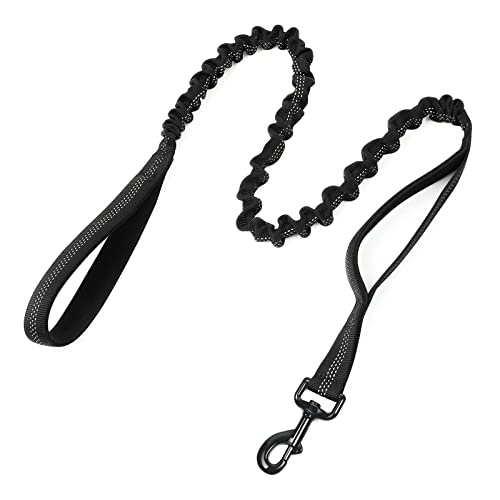
Offering excellent value, this leash has reflective stitching for visibility and a comfortable foam handle. It is made of durable nylon and comes in multiple lengths and widths. The clip is sturdy but may be smaller than some heavy-duty options. It may wear faster with very strong pullers.

#4
Kurgo Quantum Leash
Best for Training

Kurgo Quantum Leash

View on Amazon

This versatile leash converts into six configurations: standard, traffic handle, hands-free, over-the-shoulder, coupler, and a short leash. It is made of strong nylon with a padded handle. The reflective trim adds safety. A downside is that the multiple configurations can be confusing to set up, and the clip may not fit very large collar rings.

#5
2 Hounds Design Freedom No-Pull Leash
Best No-Pull

2 Hounds Design Freedom No-Pull Leash

View on Amazon

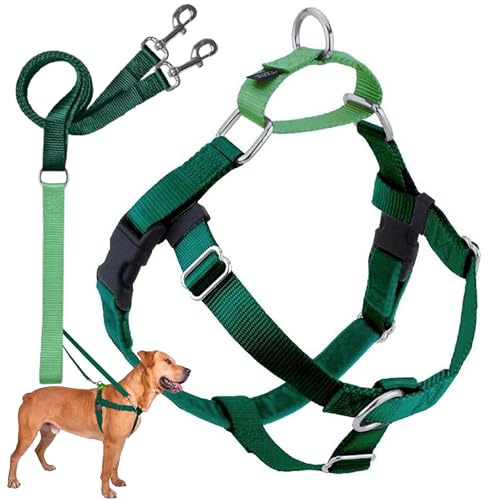
Designed with two attachment points (one for the back, one for the front of a harness), this leash gently discourages pulling without choking. The padded handle is comfortable, and the leash is made of strong nylon. It works best with a compatible harness. However, it is more expensive and may be overkill for dogs that do not pull.

Before You Buy

Key Buying Factors

01

Leash Length

A 4- to 6-foot leash offers a good balance of control and freedom. Shorter leashes (2-3 feet) are better for training or crowded areas, while longer ones (8-10 feet) allow more exploration but can be harder to manage with a large dog.

02

Material and Durability

Nylon is strong and affordable, but can fray over time. Polyester resists moisture and mildew. Climbing-grade rope (like dynamic rope) absorbs shock but can be abrasive. Leather is durable and comfortable but requires maintenance and is heavier.

03

Hardware Quality

Look for solid metal clips such as zinc alloy, stainless steel, or brass. Avoid plastic clips. A locking carabiner or bolt snap adds security. The clip should be large enough to attach to your dog's collar or harness ring easily.

04

Handle Comfort

Padded handles reduce strain on your hands, especially if your dog pulls. Some leashes have a neoprene or foam grip. A traffic handle near the clip gives you quick control. For hands-free leashes, a padded waist belt is important.

05

Safety Features

Reflective stitching or strips improve visibility at night. A bungee section can absorb sudden jerks, reducing risk of injury. Some leashes have a breakaway mechanism for hands-free use to prevent entanglement. Always check for secure attachment points.

Living With It

Care, Cost and Maintenance

Cleaning

Most nylon or polyester leashes can be hand-washed with mild soap and warm water. Rinse thoroughly and air dry. Avoid machine washing as it may damage hardware. For leather leashes, use a leather cleaner and conditioner to prevent cracking.

Inspection

Regularly check the leash for fraying, worn stitching, or rust on clips. Pay attention to the handle and attachment points. Replace the leash if any damage is found to prevent breakage during walks.

Storage

Store the leash in a dry place away from direct sunlight to prevent material degradation. Hang it on a hook or coil it loosely to avoid kinks. Keep away from chewing dogs when not in use.

Pro tip

To prevent your large dog from slipping out of a collar or harness, use a leash with a locking carabiner and ensure the collar or harness is snug but not tight; you should be able to fit two fingers between the strap and your dog's body.

Frequently asked questions

How do I measure my large dog for the correct leash length?
Leash length is a matter of preference and training needs. For large dogs, a 4- to 6-foot leash is standard for walks. To determine the best length, consider your environment: shorter leashes (4 feet) offer more control in crowded areas, while longer ones (6 feet) allow more freedom. There is no specific body measurement for leash length, but ensure the leash is not so long that it drags on the ground. For training, a 10- to 30-foot long line is useful for recall work.
Are no-pull leashes effective for large dogs?
Yes, no-pull leashes can be effective for large dogs when used correctly. Designs like the 2 Hounds Design Freedom No-Pull Leash attach to both the back and front of a harness, giving you better control and gently steering the dog away from pulling. However, no-pull leashes are not a substitute for training. They work best when combined with positive reinforcement techniques. Some dogs may still pull, especially if they are strong or excited. For persistent pulling, consult a certified trainer.
What makes a leash escape-proof for large dogs?
An escape-proof leash typically has a secure attachment that cannot be easily slipped. Look for a leash with a locking carabiner or a bolt snap that closes fully. The clip should be large enough to fit the collar or harness ring snugly. Some leashes have a double-ended design that attaches to two points for extra security. However, no leash is completely escape-proof if the dog's collar or harness is not properly fitted. Always ensure your dog's gear is snug and secure.
Should I use a harness or a collar with a leash for my large dog?
For large dogs, especially those that pull, a harness is generally safer and more comfortable than a collar. Collars can put pressure on the neck and trachea, leading to injury. A harness distributes force across the chest and back, reducing strain. For dogs that do not pull, a well-fitted collar can be fine. However, for walks, a harness with a front clip can help discourage pulling. Always use a leash that is compatible with your chosen attachment point.
What materials are best for a large dog leash?
Durable materials like nylon, polyester, and climbing-grade rope are excellent for large dogs. Nylon is strong and affordable but can fray. Polyester resists moisture and mildew. Climbing rope (e.g., dynamic rope) absorbs shock and is very strong. Leather is durable but requires maintenance and is heavier. Avoid thin or cheap webbing that may break under tension. The hardware should be metal, preferably stainless steel or zinc alloy, to resist rust and bending.
How do I clean a dog leash?
Most nylon or polyester leashes can be hand-washed with mild soap and water. Use a soft brush to remove dirt, then rinse thoroughly. Avoid machine washing as it can damage clips and cause tangling. Air dry the leash completely before storage. For leather leashes, wipe with a damp cloth and use a leather conditioner. Never submerge leather. Check the manufacturer's instructions for specific care recommendations.
Can I use a small dog leash on a large dog?
It is not recommended. Small dog leashes are typically thinner and have lighter hardware that may not withstand the force of a large dog. They can break or cause discomfort. Always choose a leash designed for your dog's size and strength. A leash for large dogs should be at least 3/4 inch wide with heavy-duty clips rated for 500 pounds or more. Using an undersized leash poses a safety risk.
What safety features should I look for in a large dog leash?
Key safety features include reflective stitching or strips for low-light visibility, a traffic handle for quick control, and a strong, rust-resistant clip. Some leashes have a bungee section to absorb sudden pulls, reducing the risk of injury to both you and your dog. For hands-free leashes, a breakaway mechanism is important to prevent entanglement. Always ensure the leash is free of defects before each walk.
How often should I replace my dog's leash?
Replace the leash as soon as you notice signs of wear, such as fraying, broken stitches, rust on clips, or a weakened handle. For heavy use with a large dog, inspect the leash monthly. Even if no damage is visible, consider replacing every 1 to 2 years, as materials can degrade over time. A damaged leash can break unexpectedly, putting your dog at risk.
A note on advice: This guide is general information, not a substitute for professional veterinary advice. Talk to your vet before changing your dog's diet or care routine, especially if your dog has allergies, kidney disease, pancreatitis, obesity, heart disease or any other medical condition.
Transparency

How we made this guide

How we chose. We compared the options on the factors that matter most for Dog Care Products, using manufacturer specifications, aggregated verified owner reviews and editorial comparison. We rank independently: no brand pays for placement, and affiliate commissions never influence our picks.

How it was written. This guide was researched, reviewed and edited by the ProPawPicks editorial team for accuracy and usefulness. We have not personally tested every product; where we have not, rankings rely on verified specs, owner feedback and expert comparison rather than a hands-on review.

Affiliate disclosure. ProPawPicks is reader-supported. If you buy through links on our site, we may earn a commission at no extra cost to you. See our affiliate disclosure.

Keep Reading

More Dog Care Products guides

Insulated Dog Jackets: 4 Best Picks Reviewed for 2026View picks โ†’Interactive Dog Toys for Boredom: Our ShortlistView picks โ†’Picking Invisible Dog Fence for AllergiesView picks โ†’Invisible Dog Fence for Large Dogs: 5 Best Picks (2026)View picks โ†’Which Invisible Dog Fence Is Best? 5 Top Picks (2026)View picks โ†’The Best Invisible Fence for Dog WirelessView picks โ†’

Sources and further reading

Some links below are affiliate links. If you buy through them we may earn a small commission at no extra cost to you. Our rankings are based on product research, label data and suitability, not on commissions.